











Excellent drills, very detailed videos. Useful site for my U15 boys team.

I'm looking for suggestions on set plays for free hits going into the circle. High school rules in the US now state that all players (attack/defense) must be 7 yards from the ball. What plans will work for drawing corners and goal scoring opportunities?

What are the best drills to get players to release the ball quickly?
My team has two strong players as defenders (half), but the full backs and forwards are a bit weak. What would be the ideal positioning ?
I coach a ladies two side, our defesive players are all rather slow on their feet due to age, injuries etc, this isn't to bad against slow attacking teams however we are now playing very fast forwards, how can my slower defensive players combat this.
I have a team of 12 girls, many are new to the game. How do I prepare them to work together as a team and learn their positions when I can't simulate a game in practice?
What are the best methods to teach Junior 8 aside hockey players their positional roles and responsibilities?
I am looking for 6 a side hockey formations. We have been playing 3-1-1-1. Worked very well, however sweeper was so good, goalie never touched the ball. I want to move sweeper to goalie/ sweeper but our mid field player is too good to just play right. What to do? 2-2-1-1 or 1-3-1-1?
How do you encourage positional play and spreading out on hockey field U9 girls level?
who uses the 1442 or 11342 formation
Hi Im new to coaching hockey want to know what position do I play some of my weaker players without them losing interest and there confidence.
we have started using the 3-3-3-1 formation and wanted some drills to reinforce this formation
I've got some girls aged 11-14, basically made up from two different clubs. We're playing 7 a side and have a squad of 12. One club dominates in terms of numbers (75% of the squad) and although they are not doing anything 'wrong' at all, the 9 players are accustomed to their own company and there's a bit of a divide that has emerged. I can't understand why the players aren't just getting on with things but I'm getting some reactionary behaviour from some players, because of this 2 camp scenario. Any tips?Thanks.

Hi all, after "volunteering" at the last minute to coach last season, I'm looking forward to coaching again this season but would like to be a bit more organised starting the season. Last season I used drills from here (thank you contributors) and put together a practice plan each week addressing what I thought were our weakness from the game just played. This got us through the season, we were promoted after grading and finished the season in the top 4 playoffs for our grade.I wonder if there is some kind of guide to putting a more coherent training plan together for the season.I'm coaching a boys secondary school team, aged 12-18. What kind of skills should they have mastered?What should they be attempting, working towards mastering (individually and as a team)?I last played as a collage boy on grass fields, the change to turf pitches has obviously obsoleted (along with age) much of what I knew as a player.Any pointers appreciated.David
Hello, can someone please help with this question: Describe two different training types and methods which would have a positive impact on sports performance for AFL players. I need to provide 2 training methods for the 2 training types where the training methods include (examples are the training methods): Aerobic-eg continuous, fartlek, aerobic interval and circuit. Anaerobic- eg anaerobic interval. Flexibility-eg static, ballistic, PNF, dynamic stretching. Strength training- eg free/fixed weights, elastic, hydraulic. So i have information on dynamic stretching but if i am to do that I have to pick another form of stretching from the example methods above such as PNF, static ballistic. Not sure what to say if I had to pick one of those. Also I think aerobic interval seems good, how does it better AFL players performance?
how to play defending 3V2

I need Skill practices for u7 girls, please.

If there are two defenders trying to tackle one player. Do you pull up for two on one or do all three sticks need to be making contact with the ball?
Suggestions on how to play this system. I have very young 1st team so feel i must play defensive hockey. Thanks
I've got some girls aged 11-14, basically made up from two different clubs. We're playing 7 a side and have a squad of 12. One club dominates in terms of numbers (75% of the squad) and although they are not doing anything 'wrong' at all, the 9 players are accustomed to their own company and there's a bit of a divide that has emerged. I can't understand why the players aren't just getting on with things but I'm getting some reactionary behaviour from some players, because of this 2 camp scenario. Any tips?Thanks.

in more ways than one
 sportplan_hockey



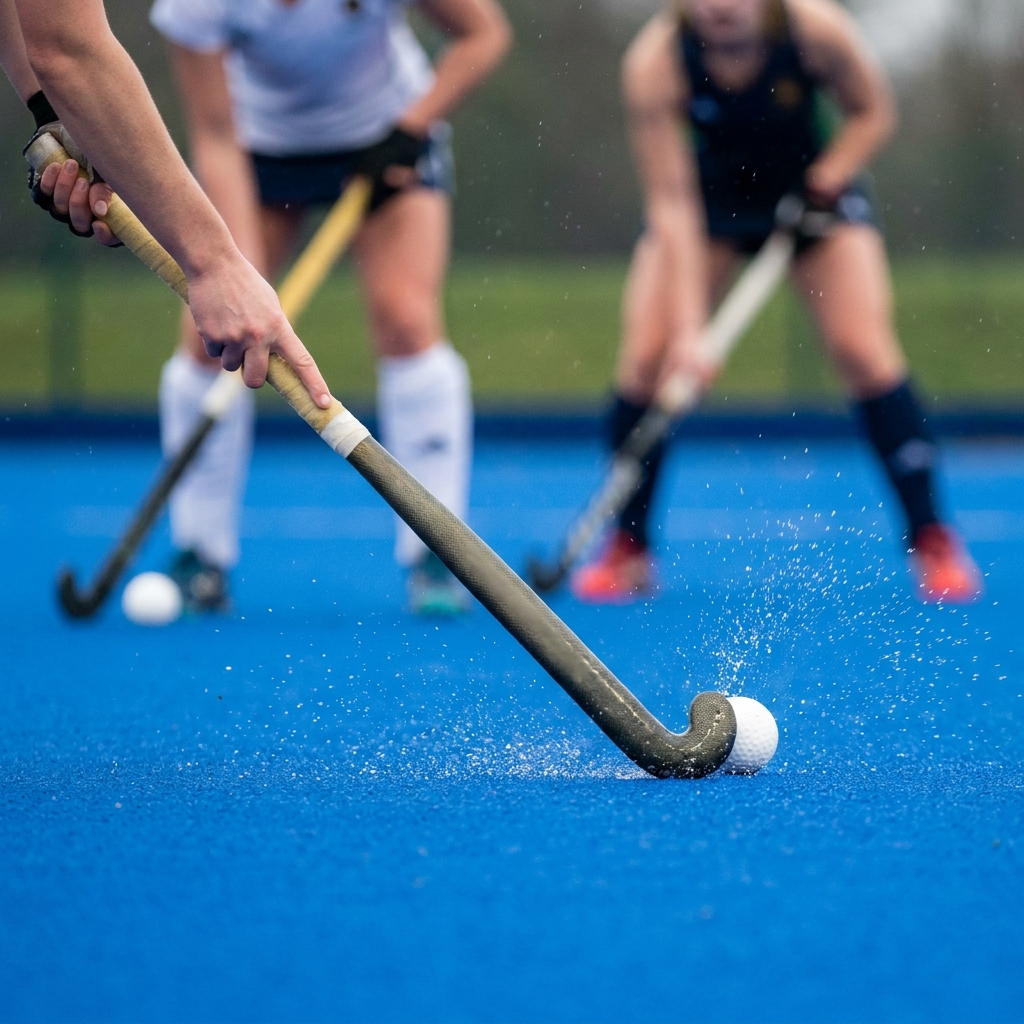
A few weeks into the league season, poor first touches are costing teams the ball. Coach body shape, scanning and receiving on the move to keep possession.
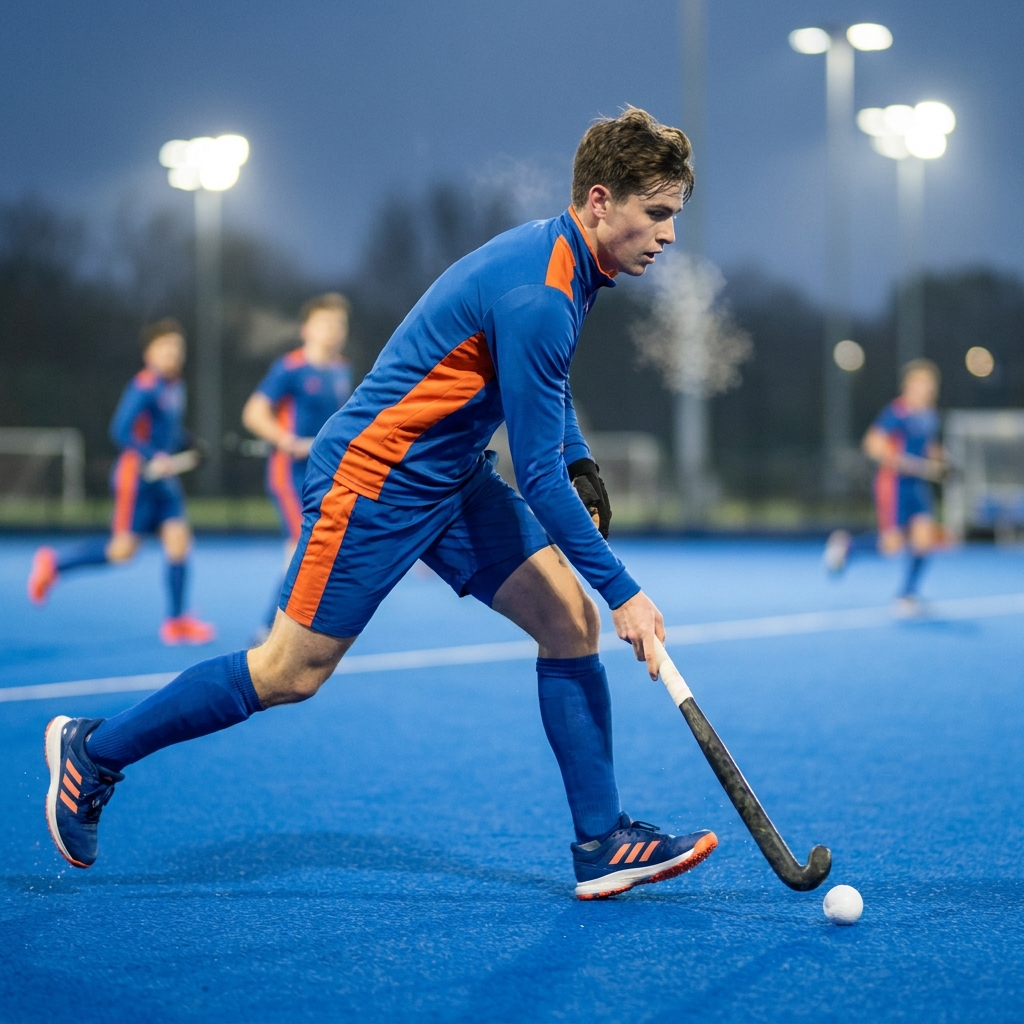
Pre-season fitness fades fast once the league starts. Build conditioning into ball work and use rolling subs well to keep your squad sharp all season.

The first weeks of the season decide whether a junior or new player sticks with adult hockey. Here is how to keep them safe, give them a clear job and build their confidence from the very first bully.
Coaches from around the world look to Sportplan for coaching confidence.
Excellent drills, very detailed videos. Useful site for my U15 boys team.

I love using Sportplan. It's been a great help for co-ordinating hockey practice and being able to help tweak skills and getting the most out of my players!

Great site. An absolute must for coaches who are willing to change and learn new drills. Superb, simply superb.

Wow what a great website, I have found sportplan an important tool for me when planning my netball sessions with my netball team. There are alot of very helpful tips/ideas/skills that I can learn and teach to my team. Thank you sportplan I hope to continue to use your helpful tips and to learn more about improving my teams netball skills. Thanks again....keep it up....

I have been using Sportplan now for 3 years and can honestly say that I have never repeated the same session twice. My girls are always focused and are improving every year. Thanks Sportplan.
What a fantastic tool. The Chalkboard and session tools make an unbelievable difference in making training plans in both time and organization. I will be instructing all of my assistant coaches that this tool must be used for all sessions during the season, so that we may build a club coaching resource library.
I can't get enough of the Sportplan, It has given me back the enthusiasm i was starting to lose. My girls are so keen and are ready at 14 to take the next up in their game. Sportplan will help no end.



