

I have thoroughly enjoyed using your site to help me with my coaching plans for my under 9's netball team.

Hi, has anyone got any good drills for ensuring players keep watching the ball?! the defense have worked a lot on their marking,body postions/footwork etc but often when the ball is inside the circle they are so busy watching their player their heads drop slightly and they forget about the ball!! i've tried periphiral vision drill on here but doesnt seem to be sinking in in matches esp if against quick shooters! any tips would be great! %3A)

Hi I have a team of 9/10year olds, when the ball is coming through the court and they are on defence, they have started chasing their partners and not watching the ball. At some stages today, they had their backs to ball, and no idea where the ball is? Any good drills out there, that work on marking the partner, but watching where the ball is too? Looking for those intercepts. They have started facing their partners, Thanks.

Good morning. I need help urgently for a older person. She is playing WD and I don't know how to help her on getting on defense quicker. Thank you in advance.
Help... I am new to coaching netball albeit have played for years. My experience in playing comes from being an attacker so trying to work with my defence, is proving tricky. The issue I have is that both my GD and GK face mark. I have tried numerous drills in training however as soon as they get in to a match, they revert back to face marking. When the ball is coming down the court, I encourage them to stay on their toes, side marking and moving in front and round the back however when the GA or the GS moves out, the face marking starts. We have had balls bounce of the backs of heads and all sorts. Does anyone have any tips? Di

What are attacking strategies and defending strategies??? I need to finish my coursework and I am stuck with those two!
My GD is tall and has a very good stretch when marking the shoot. She anticipates well, and when she sees the shoot about to release the ball, times her action and from her stretch, flicks her hand to try to deflect the ball from its path. In a recent game, she was continually pulled for contact when doing this. She felt either the shoot had raised the ball up into her hands (and it should have been the GD's possession), or the shoot had actually released the ball before she then deflected it, rather than her knocking the ball from the shoots possession. The umpire after the game was happy to discuss and said the GD had been penalised for knocking the ball out of the shoots hands, and should have stuck with the stretch and not added the flick. Any advice?
How do you deal with a GD and GK double marking a shooter from front and behind? The shooter unfortunately does not have much of a gap to shot the ball.Also how do you deal with a defender who constant,y marks you facing you with practically a 1 inch gap between you and her? Especially in the semi circle?Thanks

What are the best drills to use for a session on man marking? and in what order so that the session progresses?
The opposing centre was touching the ball when marking the centre pass. However, on three occasions my centre was called for contact with the umpire saying she was initiating the contact by pushing the ball into the players arms. Maybe she was, but how can an umpire be sure who is initiating this? my centre was reduced to tears after being called for the third time (we are talking U12 here). Any ideas?

Hi allIâve heard a lot about sagging defence... so how is this done and why? What progressive plan can you use. Thanks Asked using Sportplan Mobile App
I am planning a Netball session focused on defending for my BTEC. What questions could i ask them about defending?

Why do interceptions fail, ie. what makes an interception successful and what makes an interception unsuccessful?
so the joint/type of movement and muscle groupsby this type of marking i mean marking with hands over the ball 3 feet apart
how can GD intercept the ball from GA at the net

What are the rules for endzone
Have you any tips or drills on how you mark a static ga as a defender
Help... I am new to coaching netball albeit have played for years. My experience in playing comes from being an attacker so trying to work with my defence, is proving tricky. The issue I have is that both my GD and GK face mark. I have tried numerous drills in training however as soon as they get in to a match, they revert back to face marking. When the ball is coming down the court, I encourage them to stay on their toes, side marking and moving in front and round the back however when the GA or the GS moves out, the face marking starts. We have had balls bounce of the backs of heads and all sorts. Does anyone have any tips? Di
what large muscle groups are used when marking a ball
i need to know some techniques when marking a player in netball.
so the joint/type of movement and muscle groupsby this type of marking i mean marking with hands over the ball 3 feet apart
in more ways than one
 sportplan_netball
The early 'shoot from anywhere' era is over. Smart teams now use data-driven decision models to decide when the two-pointer is worth it.
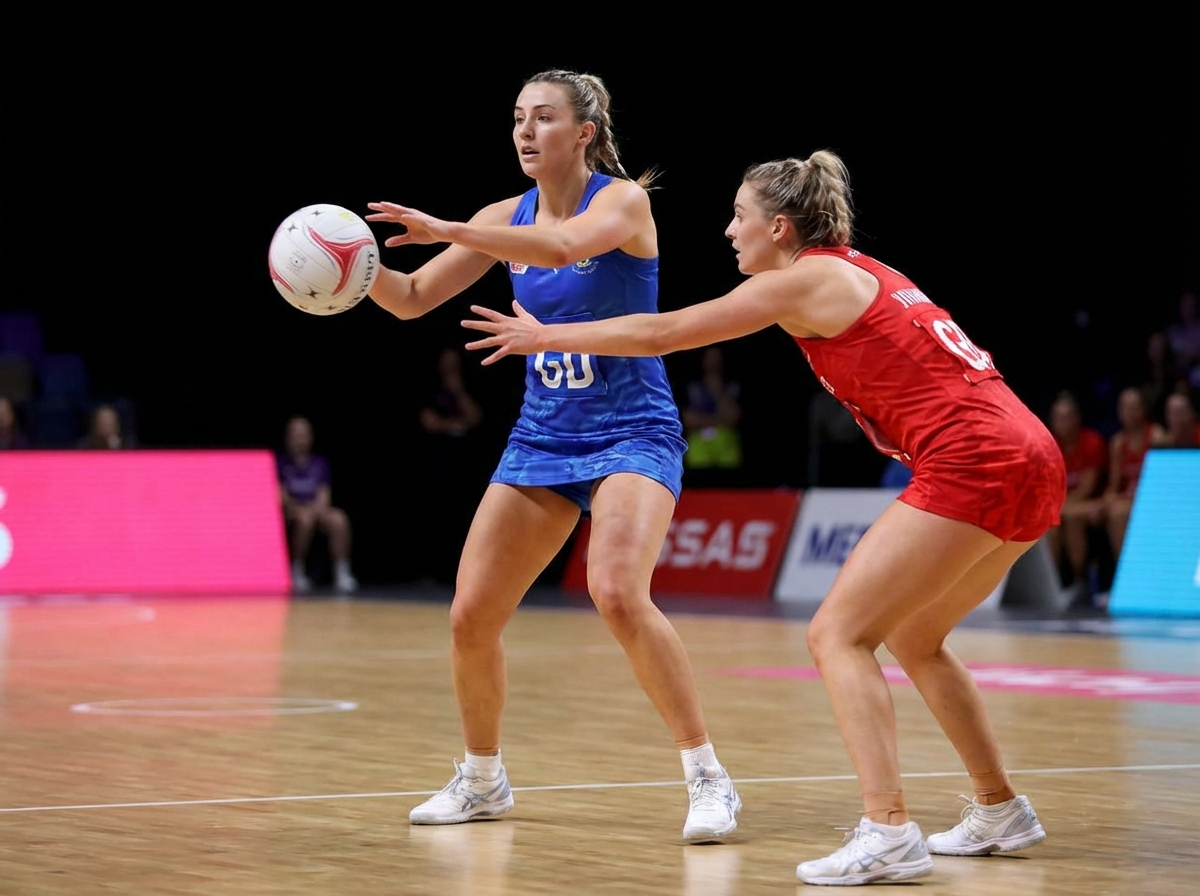
The short pass is being penalised more consistently in 2026. Here's how to train proper passing technique and eliminate hand-offs under pressure.
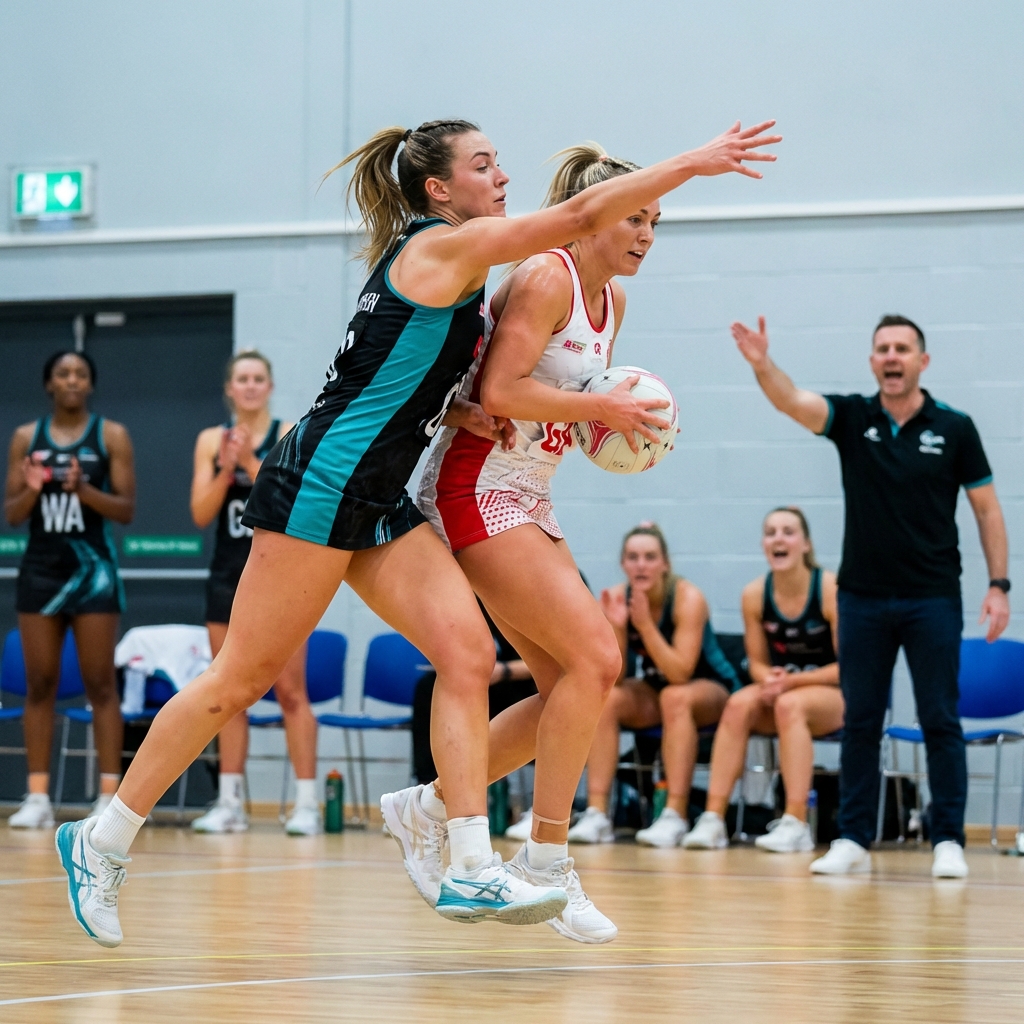
No more 50/50 toss-ups. When simultaneous infringements occur, possession now goes to the team that last had the ball. Here's what it means for your coaching.
Coaches from around the world look to Sportplan for coaching confidence.
I have thoroughly enjoyed using your site to help me with my coaching plans for my under 9's netball team.

I found this service to be excellent and it was of great help when planning my netball training sessions.

Sportplan is fantastic with all the various drills for every area of netball. My confidence as a coach has improved because I have Sportplan to support me.

Wow what a great website, I have found sportplan an important tool for me when planning my netball sessions with my netball team. There are alot of very helpful tips/ideas/skills that I can learn and teach to my team. Thank you sportplan I hope to continue to use your helpful tips and to learn more about improving my teams netball skills. Thanks again....keep it up....

I have been using Sportplan now for 3 years and can honestly say that I have never repeated the same session twice. My girls are always focused and are improving every year. Thanks Sportplan.
What a fantastic tool. The Chalkboard and session tools make an unbelievable difference in making training plans in both time and organization. I will be instructing all of my assistant coaches that this tool must be used for all sessions during the season, so that we may build a club coaching resource library.
I can't get enough of the Sportplan, It has given me back the enthusiasm i was starting to lose. My girls are so keen and are ready at 14 to take the next up in their game. Sportplan will help no end.