






I have thoroughly enjoyed using your site to help me with my coaching plans for my under 9's netball team.

Hi I coach a great team of under 9s and when we do a driving drill we start with "pitter patter feet" (like a very fast low jog on spot) then when i say GO they drive forward. However a lot of them step back with their foot then drive forward. Any tricks out there to get just going forward? Is it just the foot they start on like the strong foot? Or something else?

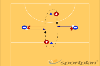
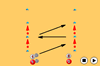
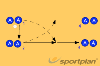
The best way to teach young girls to run forward to the ball rather than standing there waiting for it and calling for it
What drills do you do for leading in under 11s? Asked using Sportplan Mobile App
Hi I coach a great team of under 9s and when we do a driving drill we start with "pitter patter feet" (like a very fast low jog on spot) then when i say GO they drive forward. However a lot of them step back with their foot then drive forward. Any tricks out there to get just going forward? Is it just the foot they start on like the strong foot? Or something else?
I have coached for the past 2 seasons, with my teams not having a lot of success. I am hoping that I can coach again for a third season. I want to improve my coaching skills and knowledge over the offseason, so if I am given the chance I can be the best coach that I can be and hopefully lead a team to success.
How to get players to think about position on court and timing
Hi all I am desperately seeking knowledge of court spacing. I am the coach of a team of 11 year olds and I don't have much playing history to speak of. The girls are still at that point where they all seem to lead for the ball and crowd the space around the ball. My problem is that I don't know the theory around who should be leading and who shouldn't be. I want to gain an understanding of the fundamentals of team play myself - who should be hanging back and who should be going for the next pass. I have done the Australian foundation coaching course but it didn't seem to cover this area. I would love to see a video of a coach teaching young players this concept. Does anyone know of any books, blogs, youtube videos that may come in handy? Thanks to all, love reading all the informative questions and answers.
My friend coaches an under 13s team and when someone has the ball they all run for it like seagulls going for bread. The coach has told them many times to spread out and for not everyone to run to the ball at once but the girls keep doing it and they can't get the ball down the court.
in more ways than one
 sportplan_netball
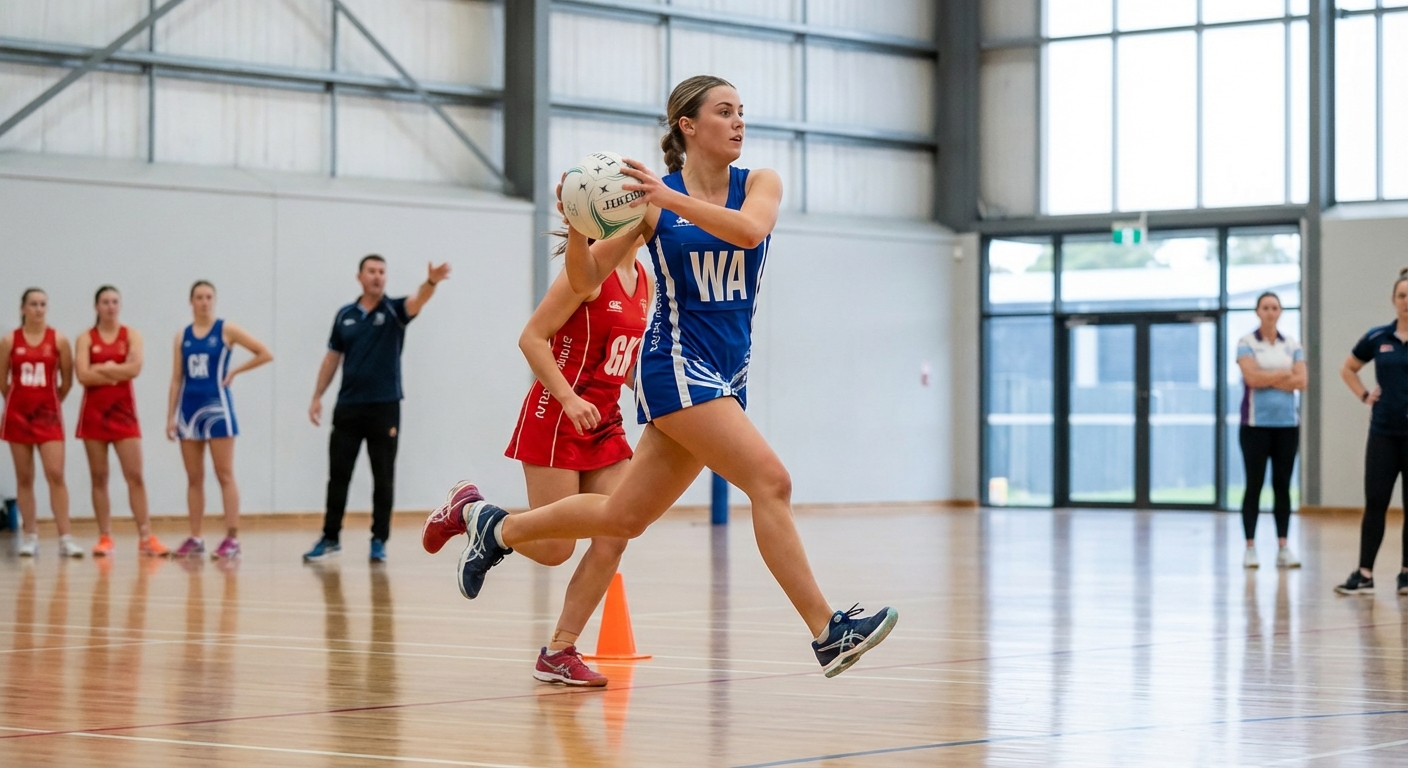
The Wing Attack is the critical link between midcourt possession and circle feeding. This masterclass breaks down the movement patterns, timing, and spatial awareness that separate elite WAs from the rest, with practical drills to develop these skills at every level.
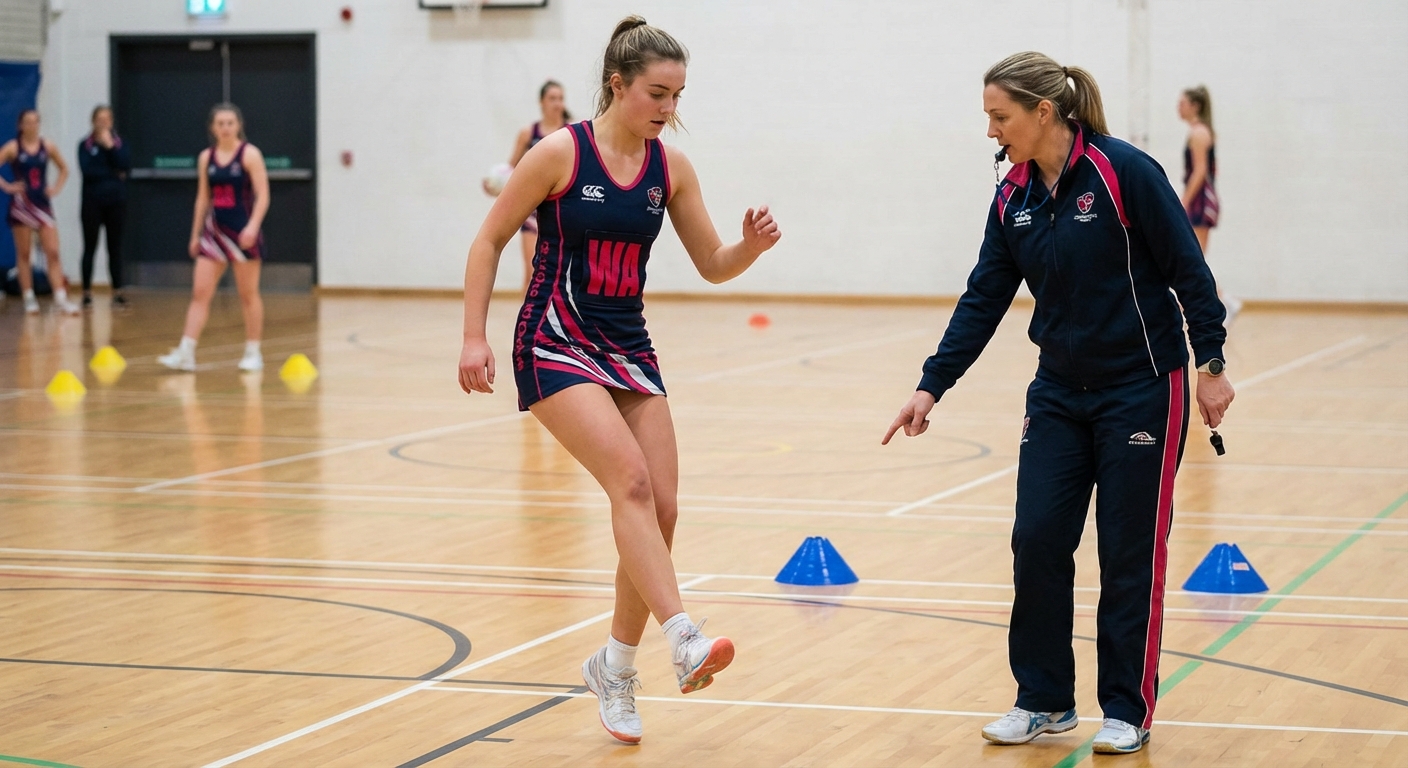
Footwork is the foundation of every skill in netball. This guide provides a clear explanation of the stepping rule, the mechanics of one-foot and two-foot landings, pivoting technique, and progressive drills to build footwork confidence from junior level upward.
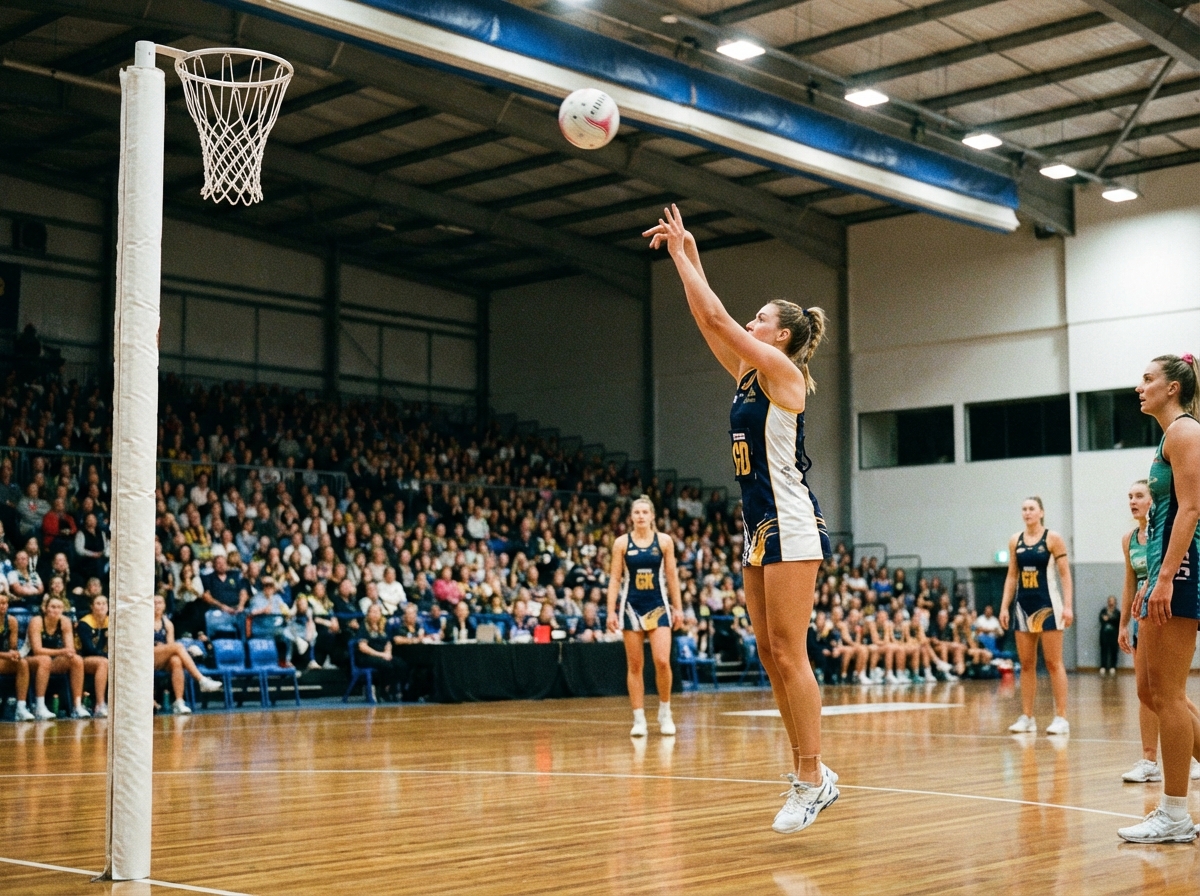
The early 'shoot from anywhere' era is over. Smart teams now use data-driven decision models to decide when the two-pointer is worth it.
Coaches from around the world look to Sportplan for coaching confidence.
I have thoroughly enjoyed using your site to help me with my coaching plans for my under 9's netball team.

I found this service to be excellent and it was of great help when planning my netball training sessions.

Sportplan is fantastic with all the various drills for every area of netball. My confidence as a coach has improved because I have Sportplan to support me.

Wow what a great website, I have found sportplan an important tool for me when planning my netball sessions with my netball team. There are alot of very helpful tips/ideas/skills that I can learn and teach to my team. Thank you sportplan I hope to continue to use your helpful tips and to learn more about improving my teams netball skills. Thanks again....keep it up....

I have been using Sportplan now for 3 years and can honestly say that I have never repeated the same session twice. My girls are always focused and are improving every year. Thanks Sportplan.
What a fantastic tool. The Chalkboard and session tools make an unbelievable difference in making training plans in both time and organization. I will be instructing all of my assistant coaches that this tool must be used for all sessions during the season, so that we may build a club coaching resource library.
I can't get enough of the Sportplan, It has given me back the enthusiasm i was starting to lose. My girls are so keen and are ready at 14 to take the next up in their game. Sportplan will help no end.