The Super Shot Has Grown Up
When the Super Shot was first introduced, the approach was simple: shoot from the outer circle whenever possible. Two points instead of one seemed like a no-brainer, and teams loaded their rosters with long-range shooters who would fire away at every opportunity.
That era is over. Conversion rates told the story. Teams shooting heavily from the Super Shot zone without discipline were converting at 40-50%, meaning they were often scoring fewer goals per attempt than a reliable one-pointer at 85-90% accuracy. The maths didn't add up.
In 2026, the most successful teams have moved into what coaches are calling the "second generation" of Super Shot strategy. It's not about whether you can shoot from range. It's about when you should.

Data-Driven Shot Selection
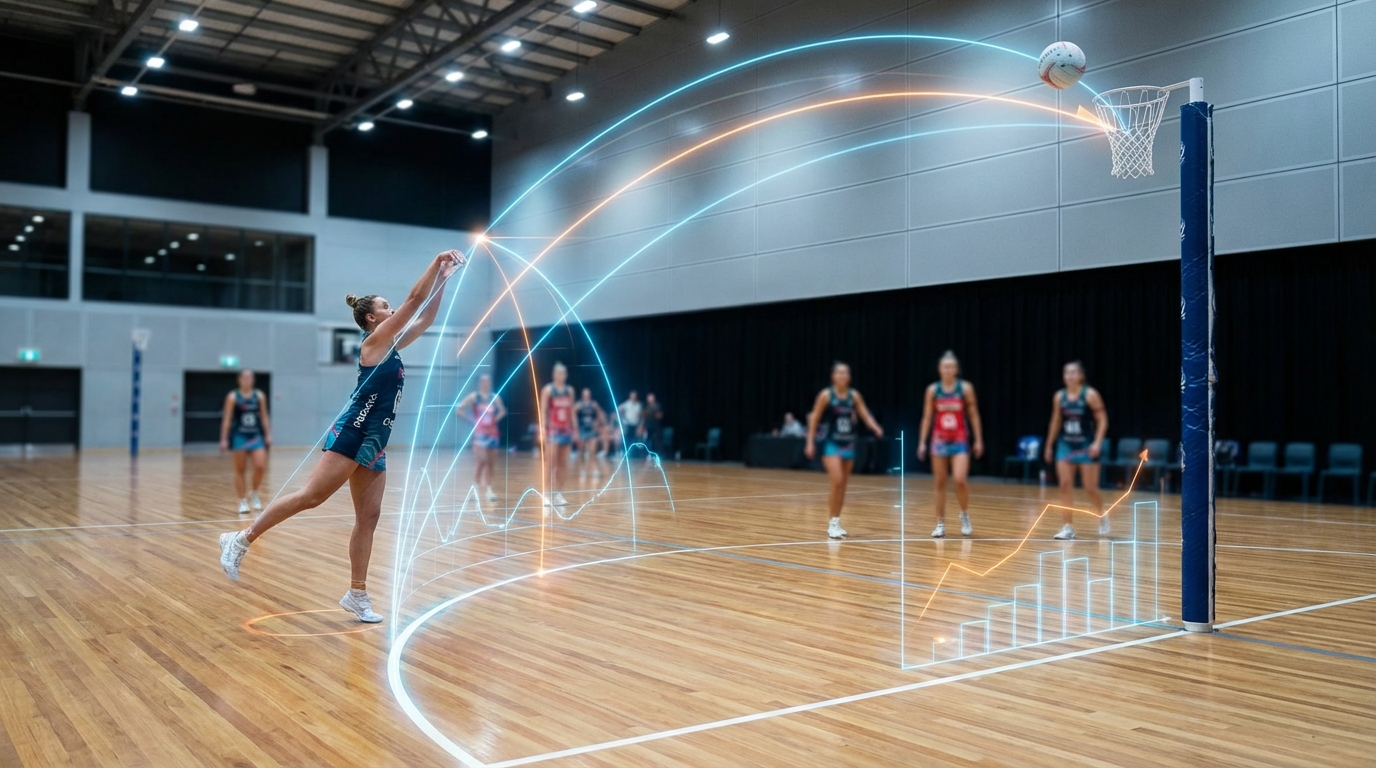
Elite coaching teams now track Super Shot conversion rates by player, by quarter, by game state, and by defensive pressure. The result is a decision framework that tells shooters when the two-pointer is statistically worth attempting.
The key variables are surprisingly consistent across the top leagues:
- Conversion rate threshold: A shooter needs to convert Super Shots at above 65% for the two-pointer to be more valuable than a reliable close-range goal.
- Game state: When trailing by 4+ goals in the final quarter, the expected value of Super Shot attempts rises sharply because teams need to close the gap quickly.
- Defensive pressure: Uncontested Super Shots convert at 15-20% higher than contested ones. If the defender is tight, the close-range option is nearly always better.
- Time remaining: In power five periods, the calculation shifts entirely. The risk-reward ratio changes when every possession carries extra weight.
Building a Super Shot Training Programme
Knowing the data is one thing. Training players to make split-second decisions based on it is another. The best programmes now structure Super Shot sessions around decision-making, not just technique.
Decision Gates
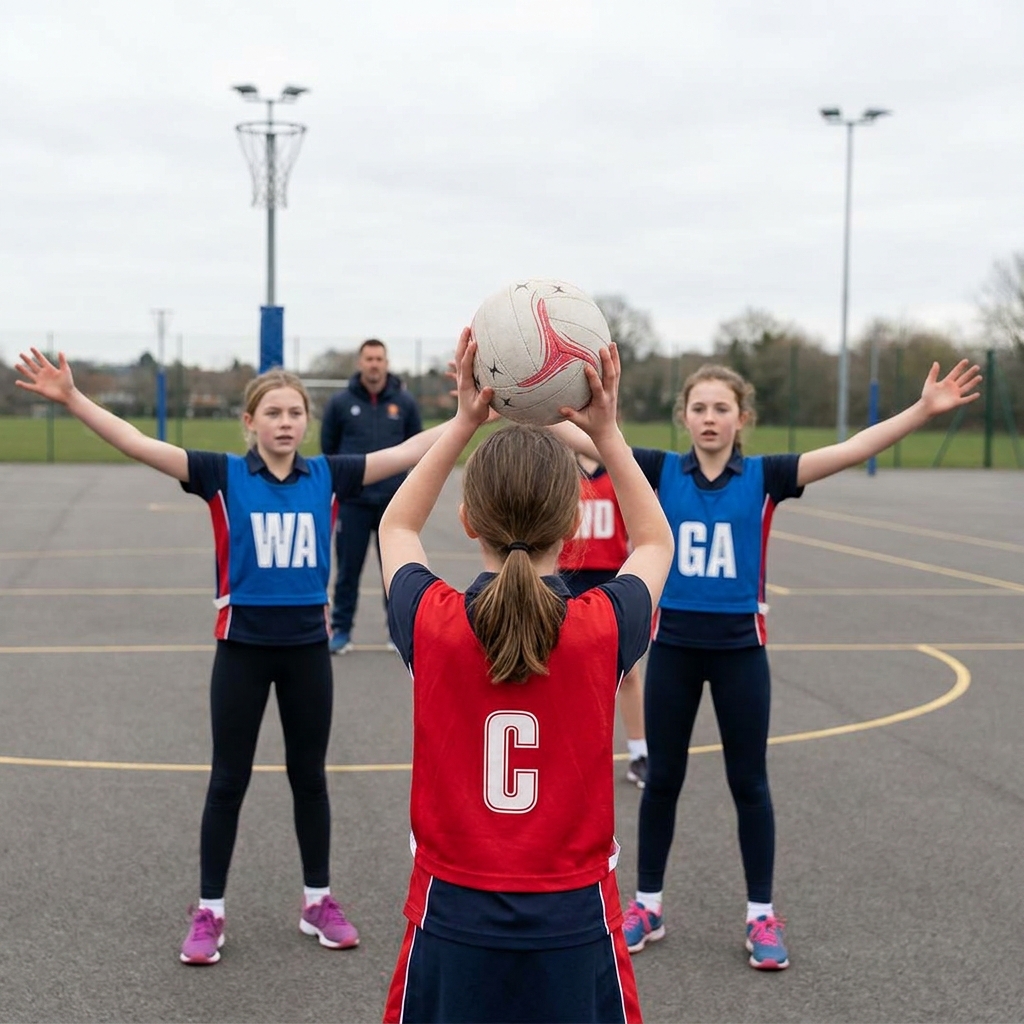
Set up shooting practices where the GS or GA receives the ball in the Super Shot zone and must decide within two seconds: shoot for two or drive closer for one. A coach calls out a score scenario ("down by three, two minutes left") and the shooter must respond accordingly. Over time, the correct decision becomes instinctive.
Pressure Graduation
Start Super Shot practice uncontested, then add a passive defender, then an active one. Track conversion rates at each stage. Shooters quickly learn their own threshold: the point at which defensive pressure makes the close-range option smarter.

When Two Is Better Than One
The data points to clear situations where the Super Shot becomes the right call:
Trailing late. When your team is behind with limited possessions remaining, the maths demands Super Shot attempts. Even at a lower conversion rate, the potential two-point return outweighs the safety of one.
Uncontested looks. If your feeders create genuine space in the Super Shot zone, the conversion rate climbs to a level where two-pointers are clearly more efficient. Training your midcourt to deliver feeds that isolate the shooter is now as important as the shooting itself.
Momentum shifts. A converted Super Shot can change the energy of a game. Smart coaches use them strategically to swing momentum after a stoppage or a strong defensive set.
When One Is Still King
Equally important is knowing when the two-pointer is a trap. Leading comfortably in the final quarter, taking low-percentage Super Shots lets the opposition back in. A missed two-pointer gives the defending team the ball and the momentum.
When your shooter is heavily contested under the post, the close-range goal at 85%+ remains the most efficient option. Coaches who drill this discipline into their shooters avoid the costly mistakes that turn comfortable leads into tight finishes.

Defending the Second-Generation Super Shot
If your opponents are using data-driven Super Shot strategy, your defence needs to adapt too. The key is understanding that smart teams will only attempt the two-pointer in favourable conditions. Your job is to remove those conditions.
Close the space early. Don't wait until the shooter has set. Apply pressure as the ball enters the Super Shot zone. Early pressure drops conversion rates dramatically.
Deny the feed. The best Super Shot defence happens before the ball reaches the shooter. Intercept or pressure the pass into the circle to prevent clean catches in the zone.
Force the drive. If you can make the shooter feel uncomfortable at range, they'll drive closer, which is where your GK and tight defence can contest more effectively.

The Coaching Takeaway
The Super Shot isn't going anywhere, but the way teams use it is maturing rapidly. Coaches who rely on gut feeling or blanket "shoot from anywhere" instructions are falling behind those who build structured, data-informed shot selection into their training.
Track your shooters' conversion rates in practice. Build decision-making into every shooting drill. And most importantly, teach your players that choosing not to shoot from range is just as valuable as converting one.
Frequently Asked Questions
What conversion rate makes the Super Shot worthwhile?
Generally above 65%. At that rate, the expected value per attempt exceeds a close-range goal at typical conversion rates. Below 65%, the reliable one-pointer is more efficient over a full game.
Should every shooter attempt Super Shots?
Not necessarily. Some shooters are more effective close to the post. If a GS converts at 90% under the ring but only 50% from the Super Shot zone, focusing on close-range goals is the smarter strategy.
How do I track Super Shot data at grassroots level?
Keep it simple. During training, count attempts and conversions from the Super Shot zone separately. A notepad and pen is enough. Over a few sessions you'll have meaningful data on each shooter's range.
When should I always go for the Super Shot?
When trailing significantly in the final minutes, the two-pointer becomes essential. The maths demands higher-risk, higher-reward attempts when you need to close a gap quickly with limited possessions.
 sportplan_netball