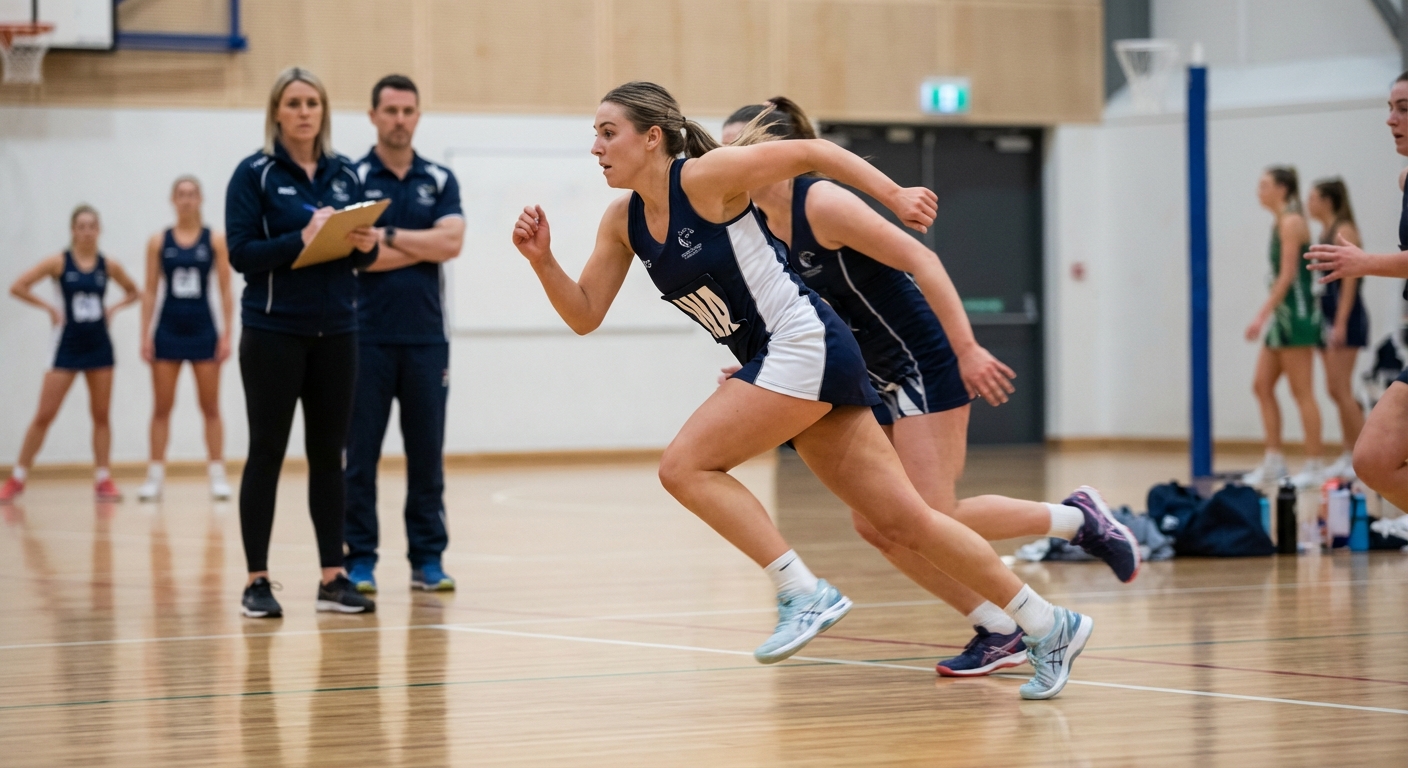
The WA's Role: More Than a Passing Link
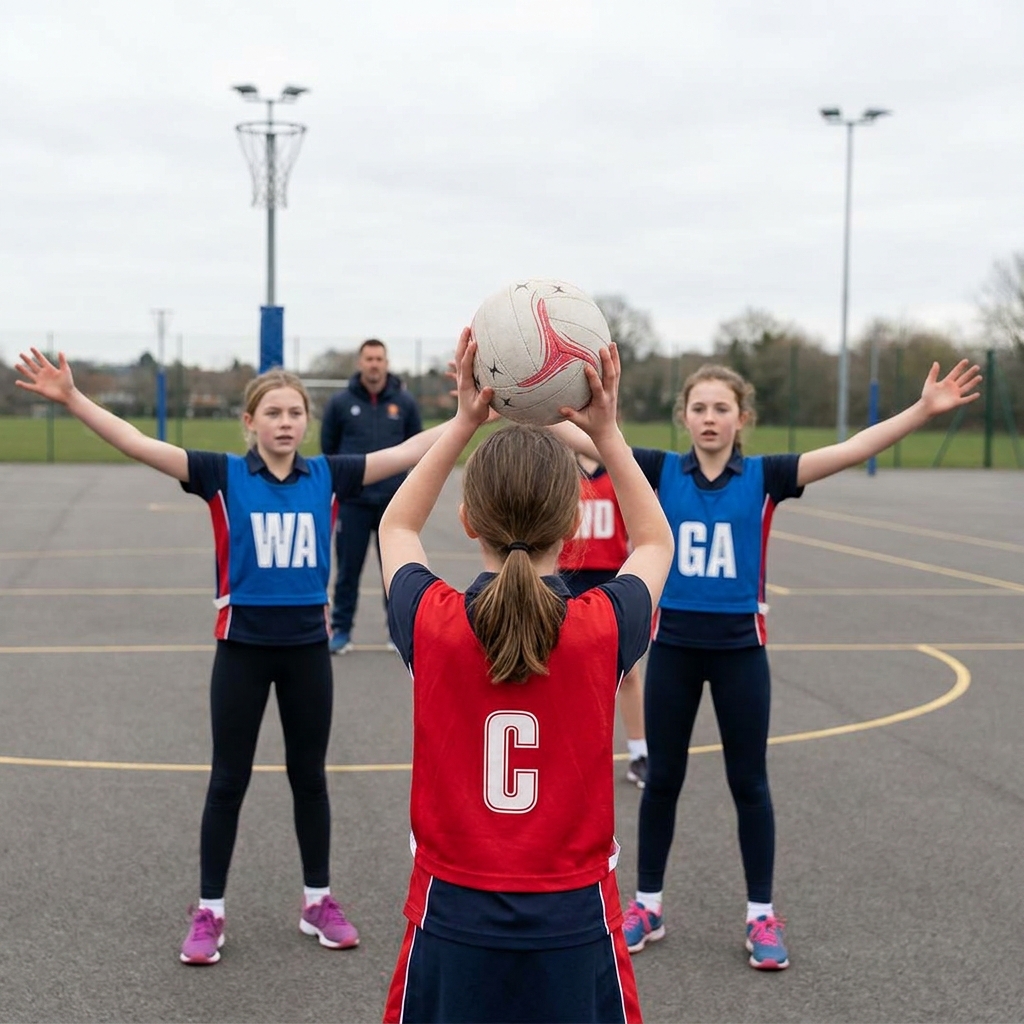
The Wing Attack is often described as the link between the Centre and the shooters, but this undersells the position dramatically. A truly effective WA does far more than simply receive and deliver the ball. They create space for themselves and others, manipulate defenders with intelligent movement, time their leads to perfection, and read the play two or three moves ahead. The best WAs make the entire attacking unit function more effectively simply by being on the court.
At the elite level, the WA's ability to get free from their defender in the attacking third is often the difference between a smooth, flowing attack and a stagnant, turnover-prone one. When the WA consistently offers as a viable option, it pulls a defender away from the circle edge and creates the space that shooters need to receive the ball in scoring positions.
Core Movement Patterns for the WA
There are four fundamental movement patterns that every WA must master. Each one is designed to beat a specific type of defensive positioning, and the best WAs can switch between them instinctively based on what their defender is doing.
1. The Straight Lead
The simplest and most effective movement. The WA drives hard in a straight line toward the ball carrier, offering a direct passing target. The key is acceleration - the WA must explode out of a standing start to create separation from the defender. A slow, predictable lead is easy to intercept. A sharp, explosive lead forces the defender onto the back foot. Time the lead so you are at full speed when the passer is ready to release the ball.
2. The Dodge
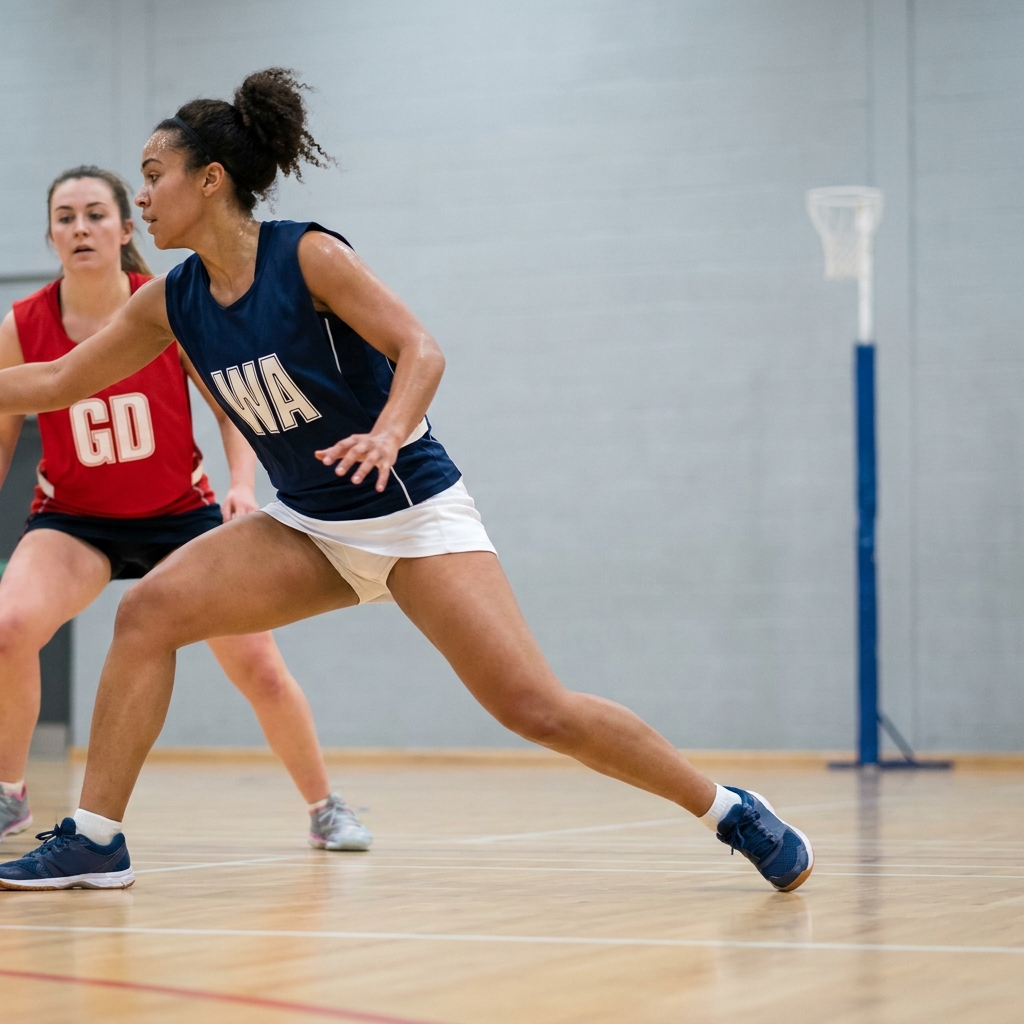
The dodge is used when the defender is positioned directly between the WA and the ball. The WA takes a strong step in one direction, selling the dummy, then pushes off hard in the opposite direction. The change of direction must be sharp and committed - half-hearted dodges do not move the defender. The selling step should look identical to a genuine drive: same body angle, same arm position, same intensity. Only the sudden change of direction reveals it as a dodge.
3. The Roll
The roll is particularly effective against a defender who is playing tight, body-on-body defence. The WA plants a foot, pivots on it, and rolls around the defender to emerge on the opposite side. This movement requires good balance, strong core stability, and an understanding of the footwork rule. The roll works because the defender must turn their body to follow, and that turning creates a momentary gap.
4. The Double Cut
This is an advanced movement combining two changes of direction. The WA drives in one direction, changes to a second direction (drawing the defender with them), then cuts sharply back to the original space. It requires exceptional agility and is most effective when used sparingly - if you use it every time, the defender will start to read it.

Timing with the Centre Pass
The centre pass is the WA's moment to shine. Getting free on the centre pass sets the tone for the entire attacking play, and a WA who consistently wins their centre pass contest gives their team an enormous advantage. The timing must be precise - move too early and you will be out of position when the whistle blows. Move too late and the defender is already in front of you.
The ideal timing sequence is: as the umpire's hand drops to signal the whistle, the WA should already be loading their body weight onto the drive foot. At the whistle, the first step is explosive - not a shuffle, but a full sprint step. The goal is to cover the first two metres faster than the defender can react. This initial burst is where the space is won or lost.
Work with your Centre to develop set plays off the centre pass. The WA should have at least three options: driving straight to the transverse line, holding and offering as a second-phase option, or clearing space for the Goal Attack to drive through. The choice depends on what the defence gives you, and good WA-Centre partnerships develop an almost telepathic understanding of which option to use.

Creating Space for Others
Elite WAs understand that their movement does not only serve their own receiving. By driving hard in one direction, the WA pulls their defender out of a key space, opening it up for the Goal Attack, Goal Shooter, or Centre to drive into. This concept of "creating space for others" is what separates good WAs from great ones.
For example, if the WA drives hard toward the top of the circle, the Wing Defence must follow. This clears the space on the circle edge for the Goal Attack to receive. Even though the WA does not touch the ball on this play, their movement was the reason the attack succeeded. Coaches must recognise and reward this kind of intelligent movement - it does not show up on stat sheets but it wins matches.
The key coaching point is: never stand still. A stationary WA is a gift to the defence because their defender can switch to zone and help elsewhere. Even when you are not the primary option, keep moving, keep threatening space, and keep the defence guessing.

Reading the Defender
The best WAs are constantly scanning their defender's body position, balance, and focus. This information tells them which movement pattern to use. If the defender is front-on and watching the ball, a dodge will beat them because their weight is forward. If the defender is side-on and shadowing, a straight lead with explosive acceleration is more effective because you can outrun them in a straight line.
Teach your WAs to watch the defender's hips. The hips reveal which direction the defender can move quickly. If their hips are open to one side, the space on the other side is vulnerable. This simple cue gives the WA an edge in every contest because the defender's body position is always telling a story about where they can and cannot go.

Sample Session Plan: WA Movement and Space Creation (60 Minutes)
Session Structure
- Warm-Up (10 min): Court sprints with direction changes - players jog to the transverse line, sprint to the goal circle edge, shuffle back to the transverse, sprint again. Progress to mirror work in pairs: one leads, one follows, with emphasis on quick reactions to direction changes.
- Technique Block (15 min): Four-corner movement drill. WA starts in the centre of a square (4m x 4m). Feeders at each corner. WA practises each movement pattern (straight lead, dodge, roll, double cut) to receive from a different feeder each time. Focus on explosive first step and clean, balanced landing.
- Development Block (15 min): Centre pass work. WA vs WD in the centre third with a Centre feeding the ball. WA must get free using different movements across 10 centre pass repetitions. Track success rate. Switch WD every 5 reps to face different defensive styles. Add GA to create the second-phase connection.
- Game Scenario (15 min): 5v5 half-court attack (C, WA, GA, GS, plus one extra attacker vs WD, GD, GK, plus two extra defenders). Attack must get the ball to the shooters within 8 seconds. WA is the primary link. Rotate players through the WA position. Award bonus points for WA assists and movement that creates space for others.
- Cool-Down (5 min): Light jogging and stretching. Discussion: which movements worked best against tight defence? When did clearing space for others create the best scoring chances?
Common Mistakes to Avoid
Standing in the same spot: A WA who keeps returning to the same position on court becomes predictable. Vary your starting position before each drive. Sometimes start wide, sometimes start central, sometimes start deeper. This unpredictability makes it much harder for the defender to set up.
Leading too early: Driving before the passer is ready means arriving in space too soon, having to stop, and giving the defender time to close down. Watch the passer's body language - when they look up and their hands are in passing position, that is the moment to go.
Always wanting the ball: Some WAs drive hard every single time, demanding the pass on every play. This is exhausting and predictable. Mix up your movement between drives to receive, drives to clear space, and holding positions to create options for others. The element of surprise is your greatest weapon.

Frequently Asked Questions
What are the most important physical attributes for a Wing Attack?
Speed over short distances (2-5 metres) is more important than outright pace. The WA rarely runs more than 10 metres in a straight line, so explosive acceleration and agility through direction changes are the priority. Good balance and core strength are essential for landing cleanly and pivoting under pressure. Endurance matters too - the WA covers significant distance during a match through constant movement, so cardiovascular fitness ensures quality movement lasts the full four quarters.
How do I coach a WA who always wants to hold the ball too long?
This is common at junior level where players feel safest with the ball in their hands. Set a "two-second rule" in training - the WA must release the ball within two seconds of catching it. Use a coach or teammate counting aloud to create urgency. Also work on pre-scanning: before the WA receives the ball, they should already know where their next pass is going. This eliminates the need to hold and look. Praise quick releases in training to reinforce the habit. The ball moves faster through the air than any player can carry it.
Should the WA always be the first option on the centre pass?
No. While the WA is often the primary centre pass receiver, predictability is the enemy of good attack. Develop set plays where the GA takes the first ball, or where the WA clears space and offers as a second-phase option. The WA should be the first option perhaps 50-60% of the time, with the GA taking it 30% and other variations making up the rest. The key is that the WA's movement should be purposeful on every centre pass, whether they are receiving or creating space for someone else.
How can a WA improve their feeding into the circle?
Circle feeding is a skill that combines vision, timing, and passing accuracy. The WA should practise feeding from different positions around the circle edge - not just from the wing. Work on both bounce passes and lob passes into the circle. Most importantly, the WA must learn to read the shooter's movement and deliver the ball to where the shooter is going to be, not where they are now. Pair the WA with the GS and GA for dedicated feeding sessions where the shooters call for the ball and the WA must deliver to the correct hand, at the correct height, at the correct moment.
 sportplan_netball