I have thoroughly enjoyed using your site to help me with my coaching plans for my under 9's netball team.

How do you get the shooters to passI have a 9 year old team and the shooter will not pass the ball and thinks that scoring the goals is important instead of playing as a team and getting closer to circle.

Would like some advice as to how to coach defenders to defend a shooter who holds to protect space? Any advice would be appreciated. Thank you.
Hi, i am predominantly a U12yrs coach but i want to transition in to coaching the high school girls. I love all these drills and session plans and have found them very helpful, but i am looking now for information on strategies used in netball eg/strategic positioning of players when changing from attacking to suddenly defending after a turnover, or when should the GA drop back . when to use a zone defence or side-on defence. All these questions that aren't covered by drills. Is there somewhere to get this info or is it just learn as u go. Thank you
What are the best drills to train GS and GA timely movement in the attacking circle?

How to get free in a circle?How to fall your player and get free?
In a netball game, can you pass the netball backwards?
Help, dad thrown in the deep end - what basic attacking strategies do you use for 11 years olds? They have great skill and have played since they were 5 years old, but still run around like headless chickens, everyone calling for the ball and getting in each other's way. Is there a method to this madness I can teach? Some teams look like they know who is going to pass to who and the ball gets from one end to the other fluidly. Impart your netball wisdom on me, oh great netball coaches! Asked using Sportplan Mobile App
What are the best drills to use for a session on man marking? and in what order so that the session progresses?
Hi there,Anyone got any good tips for someone who plays C or Wa? Anything will be good, anything that will help me!!

on a centre, why would a GD try force the GA high and wide
please can someone list some technical netball terms?
If a WA is holding the ball on the edge of a shooting circle and is waiting for the shooter to move closer to the hoop whilst her legs are in a split position before passing her the ball then passes the ball to her as she is now closer where does the defender have to defend from.
If a WA is holding the ball on the edge of a shooting circle and is waiting for the shooter to move closer to the hoop whilst her legs are in a split position before passing her the ball then passes the ball to her as she is now closer where does the defender have to defend from.
what does the ga do
please tell me the rules for WD
we sometimes only have 10 players, are there any ideas to still play a game?
what does the ga do
how to get into the goal circle when shooters are being zoned out
how can a goal shooter improve hand eye coordination when shooting?

How to move around in the goal circle Asked using Sportplan Mobile App
in more ways than one
 sportplan_netball
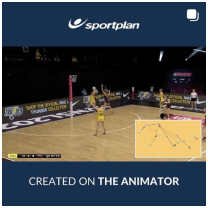
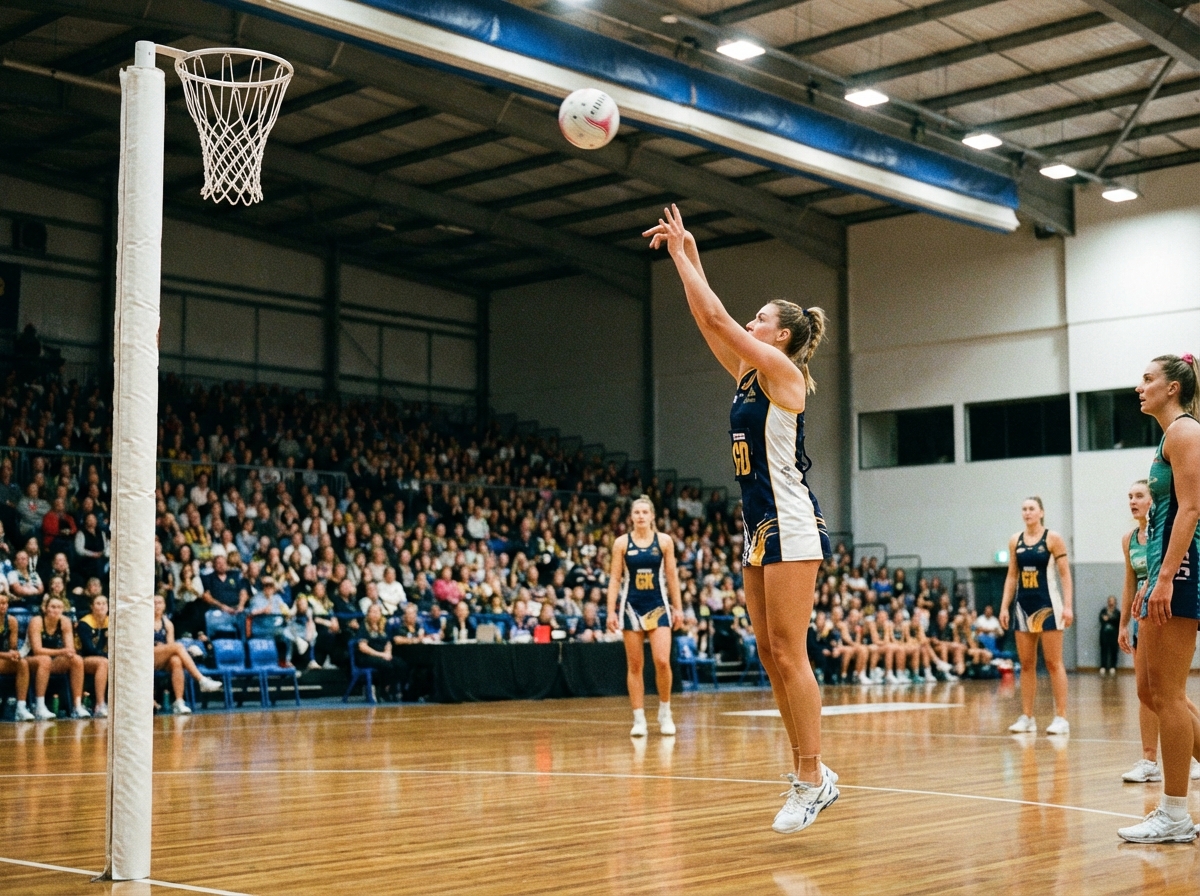
The early 'shoot from anywhere' era is over. Smart teams now use data-driven decision models to decide when the two-pointer is worth it.
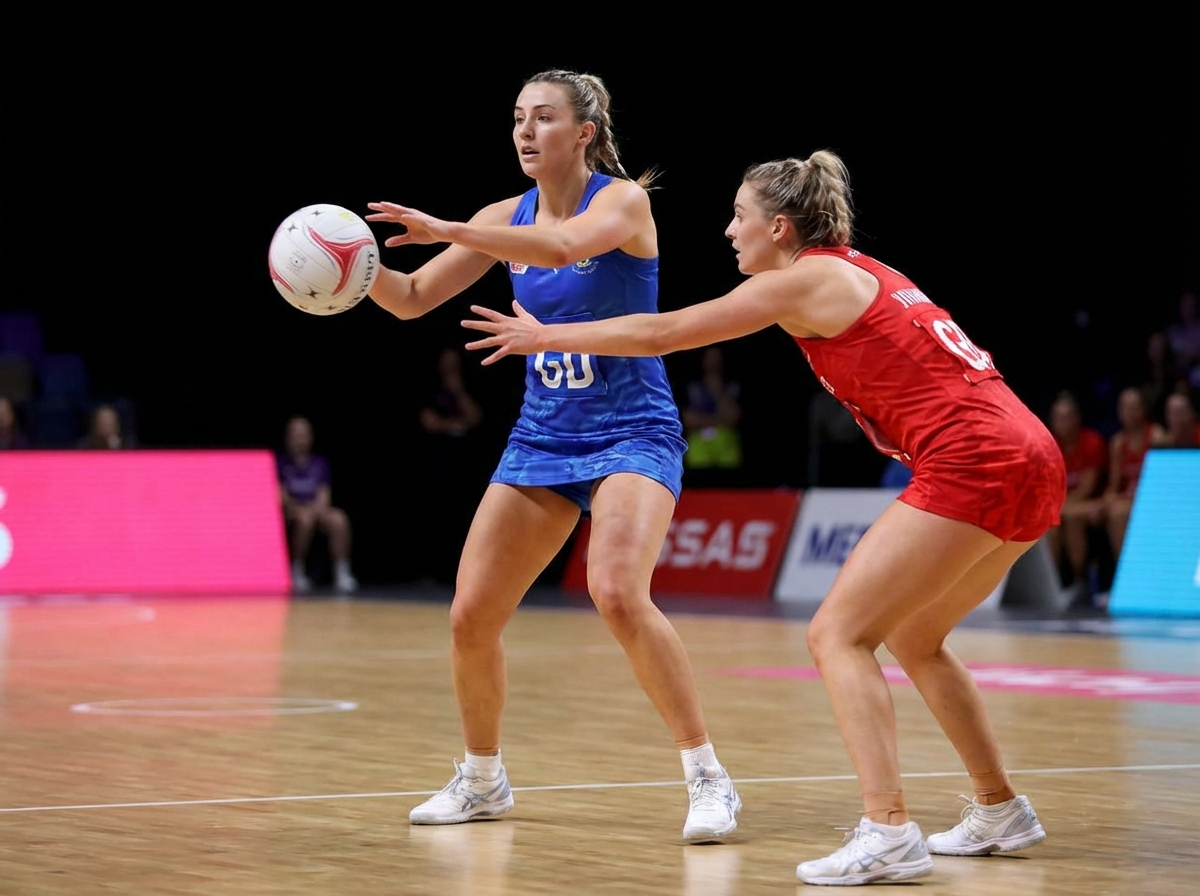
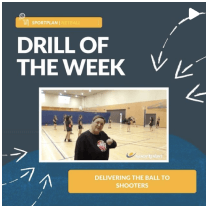
The short pass is being penalised more consistently in 2026. Here's how to train proper passing technique and eliminate hand-offs under pressure.
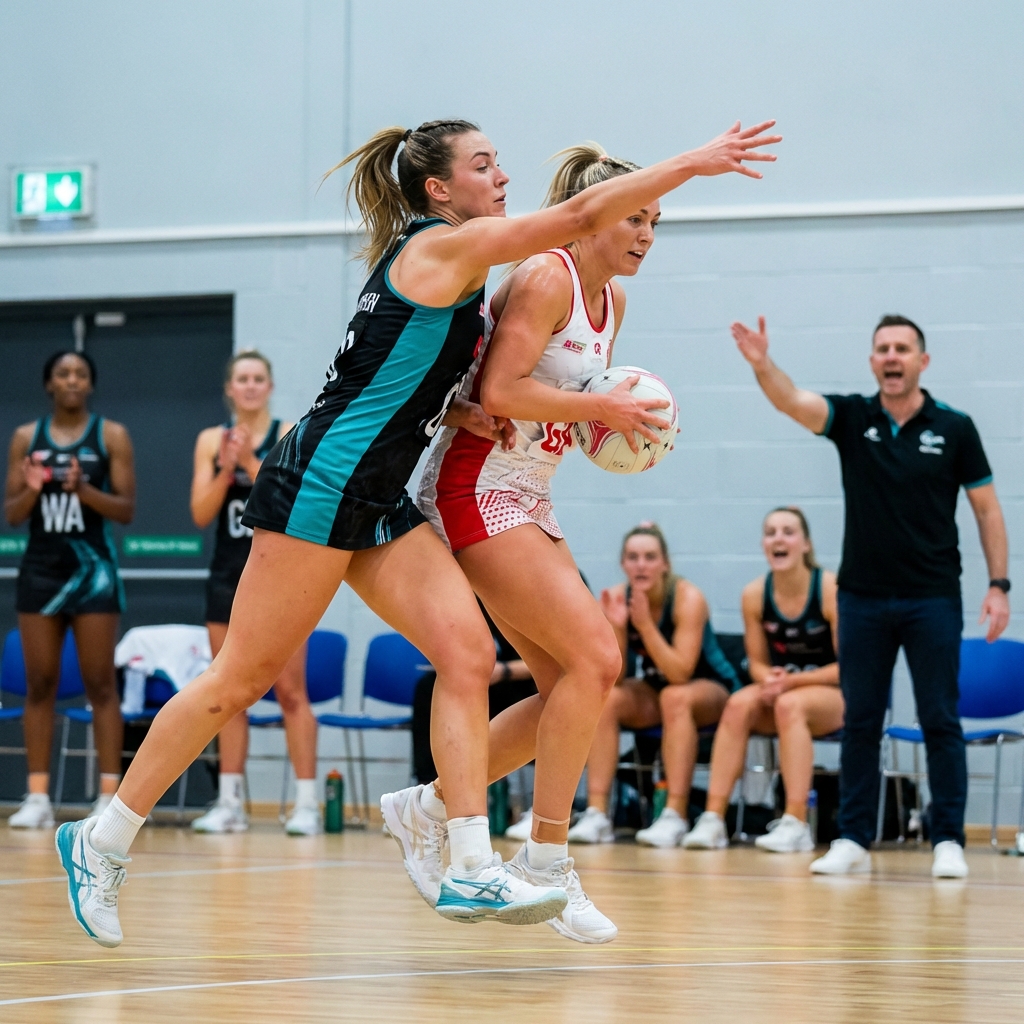
No more 50/50 toss-ups. When simultaneous infringements occur, possession now goes to the team that last had the ball. Here's what it means for your coaching.
Coaches from around the world look to Sportplan for coaching confidence.
I have thoroughly enjoyed using your site to help me with my coaching plans for my under 9's netball team.

I found this service to be excellent and it was of great help when planning my netball training sessions.

Sportplan is fantastic with all the various drills for every area of netball. My confidence as a coach has improved because I have Sportplan to support me.

Wow what a great website, I have found sportplan an important tool for me when planning my netball sessions with my netball team. There are alot of very helpful tips/ideas/skills that I can learn and teach to my team. Thank you sportplan I hope to continue to use your helpful tips and to learn more about improving my teams netball skills. Thanks again....keep it up....

I have been using Sportplan now for 3 years and can honestly say that I have never repeated the same session twice. My girls are always focused and are improving every year. Thanks Sportplan.
What a fantastic tool. The Chalkboard and session tools make an unbelievable difference in making training plans in both time and organization. I will be instructing all of my assistant coaches that this tool must be used for all sessions during the season, so that we may build a club coaching resource library.
I can't get enough of the Sportplan, It has given me back the enthusiasm i was starting to lose. My girls are so keen and are ready at 14 to take the next up in their game. Sportplan will help no end.