The Rule Change Explained
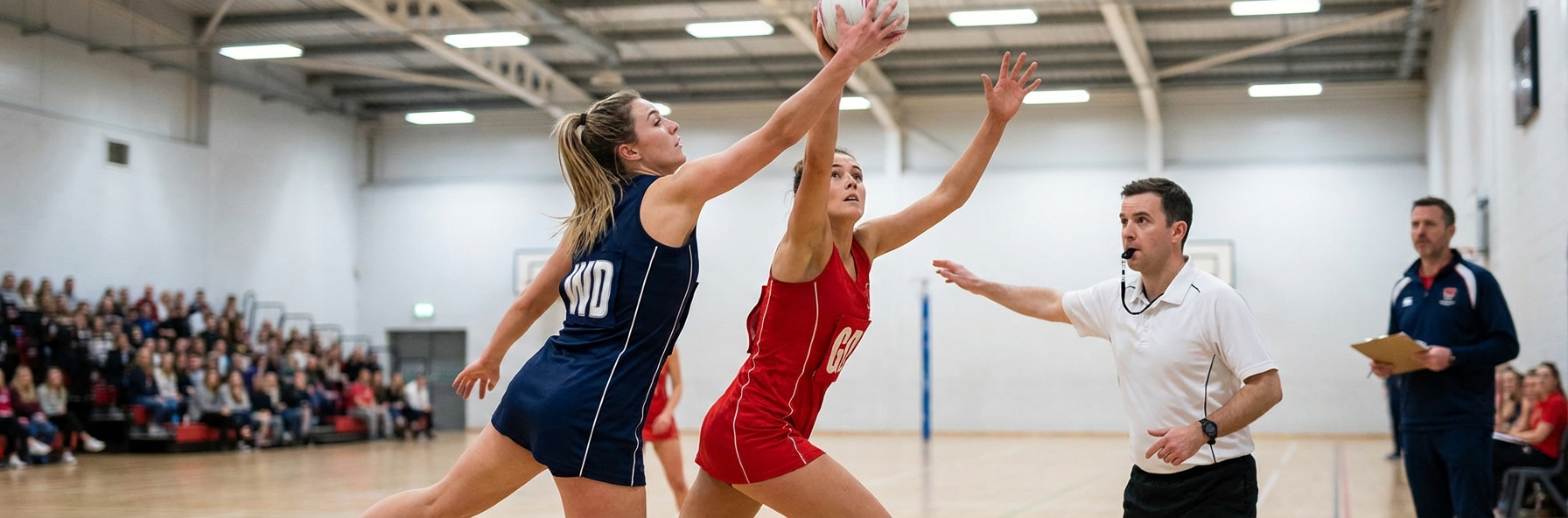
World Netball's significant rule modification has changed how simultaneous infringements are handled. Previously, when attacker and defender both infringed at the same moment, a toss-up would decide possession. Now, the team that last had the ball retains it.
The change seems small but has major tactical implications. Defenders can no longer rely on "winning" 50/50 situations through aggression. The advantage now lies with the attacking team unless the defender wins the ball cleanly.

Why This Changes Everything
For Defenders
The old approach of "getting a hand in" no longer works. Disrupting a catch simultaneously means the attacker keeps possession anyway. Defenders must now time their challenges to win the ball outright or not challenge at all.
For Attackers
Attacking players can be more aggressive knowing that simultaneous contact favours them. Going hard for 50/50 balls is now lower risk. The safety net of retained possession changes the calculation.
For Coaches
Training must shift from "disrupt as much as possible" to "win cleanly or don't commit". This requires more precise timing drills and better decision-making under pressure.
The Coaching Implications
1. Timing Becomes Critical
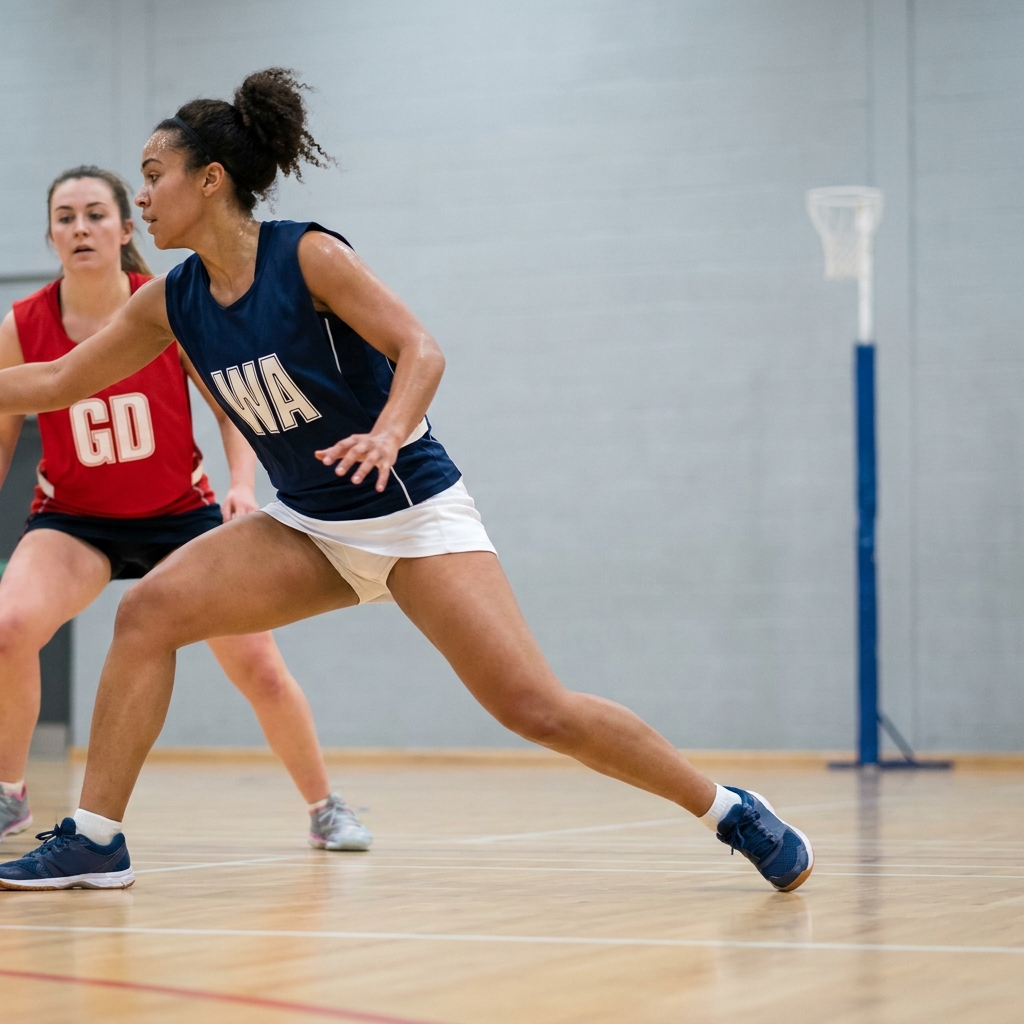
Defenders must time their challenges to arrive first, not at the same time. This means reading the pass earlier, committing sooner, or holding back entirely. The "arrive together and fight for it" approach now costs possession.
2. Discipline Over Desperation
When a defender is beaten, chasing and grabbing simultaneously only gives the ball back to the attack with a free pass. Better to recover and defend the next phase than to commit a simultaneous infringement.
3. Attacking Confidence
Feeders can now throw passes into slightly contested areas knowing their attacker has the advantage on simultaneous contact. This opens up options that were previously too risky.
Training for Clean Contests
The Timing Drill
Set up 1v1 scenarios where the attacker always catches unless the defender arrives first. If they arrive together, the attacker scores a point. This builds the timing instinct that the new rule demands.
The Decision Drill
Feed balls of varying difficulty to a contested pair. Defenders earn points for clean intercepts, lose points for simultaneous infringements. They quickly learn which balls to contest and which to leave.
The Recovery Drill
When beaten, defenders must recover to a legal defending position rather than reaching back. Practice the discipline of accepting a lost ball rather than compounding with a penalty.

Recommended Drills


Game Scenario Adjustments
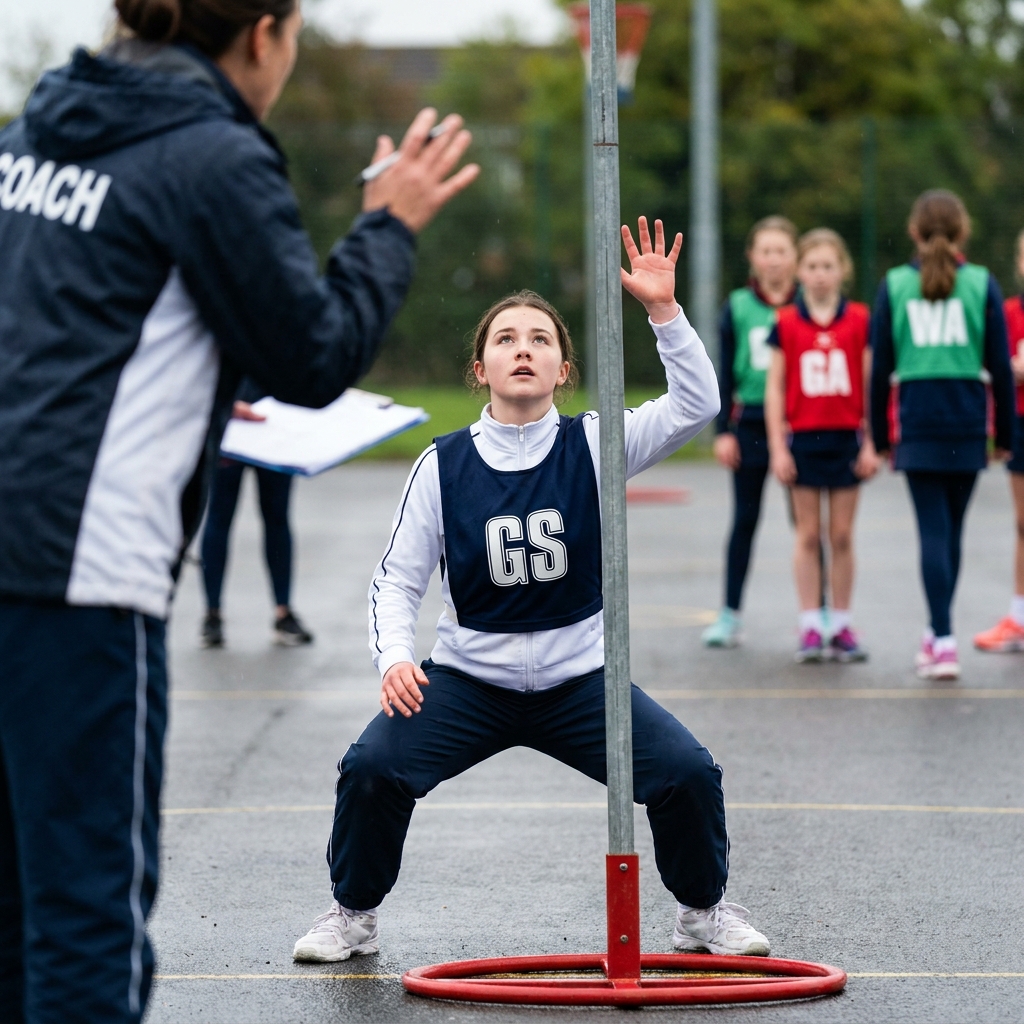
- Circle defence: GK and GD must time challenges precisely. Reaching in simultaneously on a shot attempt now gives a penalty rather than a toss-up.
- Midcourt contests: WD and C should only commit to interceptions they can win cleanly. Otherwise, maintain pressure without contact.
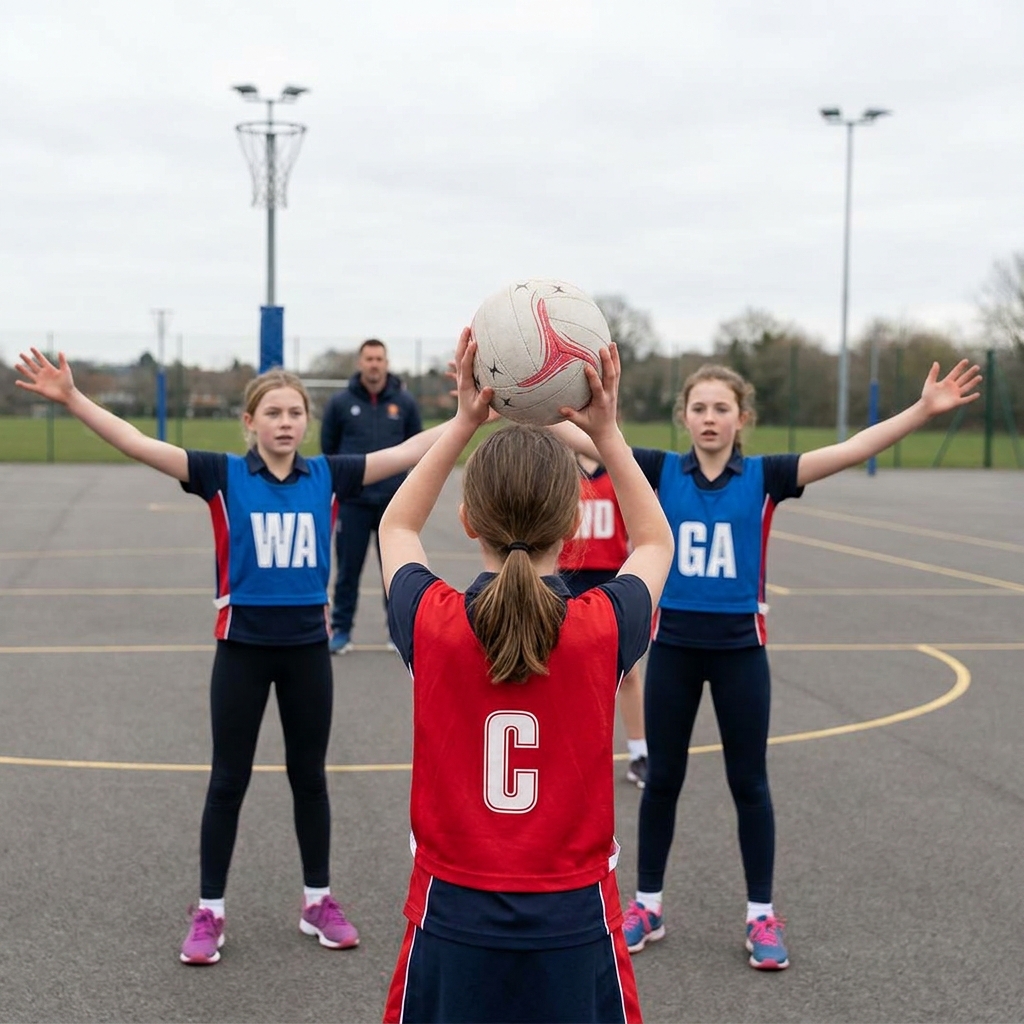
- Feeding into the circle: WA and GA can attack feeds more aggressively knowing simultaneous contact won't cost them possession.
Frequently Asked Questions
What counts as a simultaneous infringement?
When both attacker and defender make contact with the ball at the same moment, or when both commit a footwork or contact violation simultaneously. The umpire's judgement determines whether contact was truly simultaneous.
Does this rule apply in all leagues?
Check with your league. World Netball competitions use the rule, but domestic leagues may vary. Most elite and representative competitions have adopted it; some community leagues may still use older rules.
How do I train defenders to adjust?
Use competitive drills where simultaneous contact costs the defender points. They'll quickly develop better timing and learn which balls to contest versus leave alone.
Does this make defending harder?
It makes lazy defending harder. Clean, well-timed interceptions are just as effective as before. The rule punishes desperation and rewards technique.
 sportplan_netball