





I have thoroughly enjoyed using your site to help me with my coaching plans for my under 9's netball team.

Hi Everyone I've been playing defence for a long time now, and only last Saturday did I start to play centre. It was during our warm up on that day, (before our game) when my coach told me that I would be playing centre. I agreed to do it, but the problem was that the other team was a really good and very fit team. I struggled a lot durig the game, and i felt like i was dying the whole time! Also because I had never played centre before I didn't know how to feed the ball into the goal circle. I also don't know how to defend on the goal circle. Also what is the centres main job?Thanks so much for all the help! Asked using Sportplan Mobile App

What are the three stages of defending?
Hi Everyone I've been playing defence for a long time now, and only last Saturday did I start to play centre. It was during our warm up on that day, (before our game) when my coach told me that I would be playing centre. I agreed to do it, but the problem was that the other team was a really good and very fit team. I struggled a lot durig the game, and i felt like i was dying the whole time! Also because I had never played centre before I didn't know how to feed the ball into the goal circle. I also don't know how to defend on the goal circle. Also what is the centres main job?Thanks so much for all the help! Asked using Sportplan Mobile App
where do you start coaching Gr 1 netball. I need some tips please.
How to stop a lot of contact with having a position as WD throughout the court, does anyone have any tips ? Asked using Sportplan Mobile App
I'm coaching u/10's and have an excellent A team, but the B team have learners who haven't been playing netball so long. Does anyone have one or two basic activities, easy to understand (for them) which I can drill them with for passing, defending and getting free, as well as something for the shooters. They are always all over the place (we do practice channels) and really struggle to get free - they run a bit and then just stop to wait for the ball. Anything, even just some advice would be appreciated! :)
My defenders often loose focus and try to concentrate on too much. They watch the ball, their player, where the post is, our player, there wings, put up wrong arms, run past player etc. Our drills are spot on, and training is generally very good, but when we get into a game they loose confidence, panic and and look like they are being turned inside out. They are 15/un Open.
My associate coach and I disagree on whether U/10s should play different positions or focus/settle on one, maybe two. I don't want to put the girls in a box at such a young age but I also don't want a Jack of all Trades situation. They are still developing so much that I feel I'll be doing them a disservice by just putting them in the same position every week. The assistant coach says if we move them around we're not going to do as well but that is where the participation vs performance comes in for me. Surely at this age development is more important than winning?No coach likes to lose but I don't want to win at the expense of them experiencing different positions. What do you guys suggest? Thanks in advance! A Asked using Sportplan Mobile App
in more ways than one
 sportplan_netball
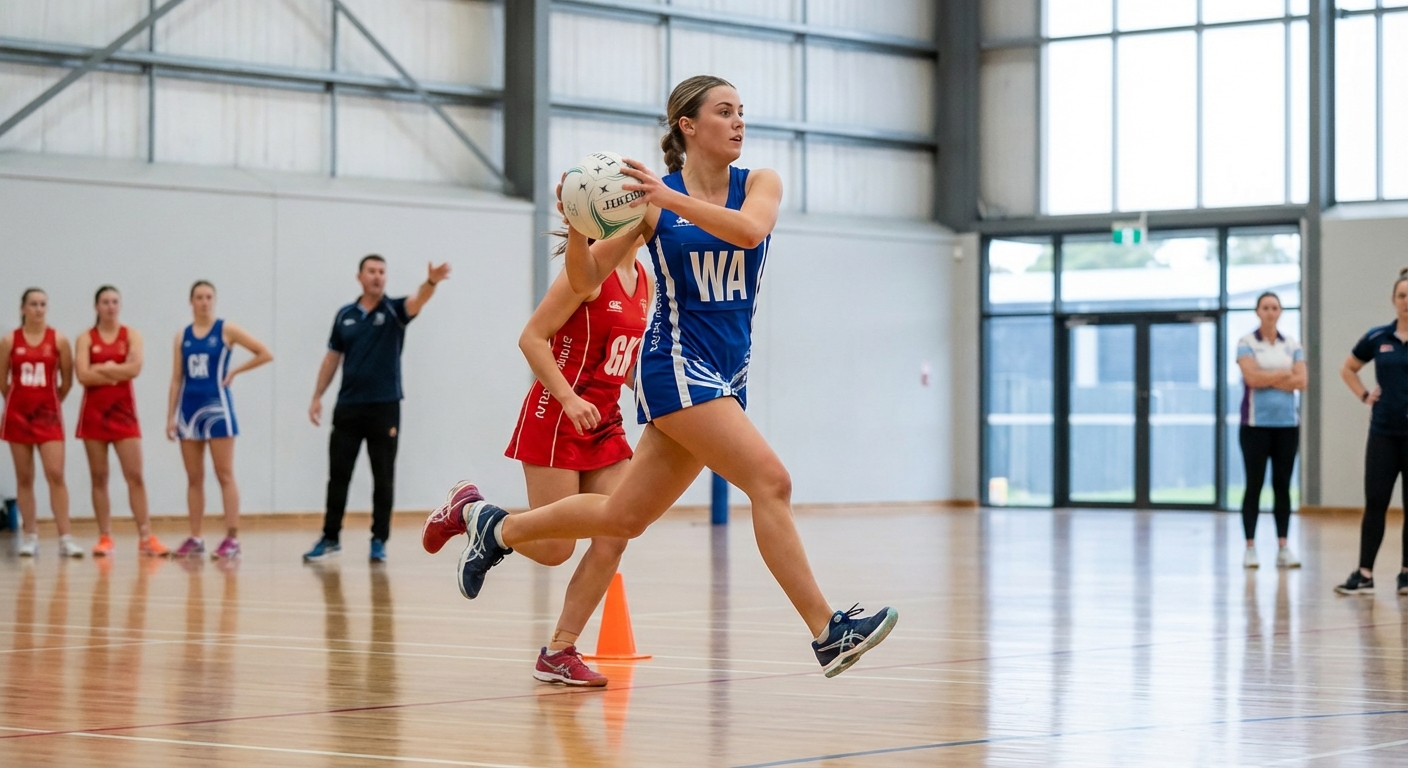
The Wing Attack is the critical link between midcourt possession and circle feeding. This masterclass breaks down the movement patterns, timing, and spatial awareness that separate elite WAs from the rest, with practical drills to develop these skills at every level.
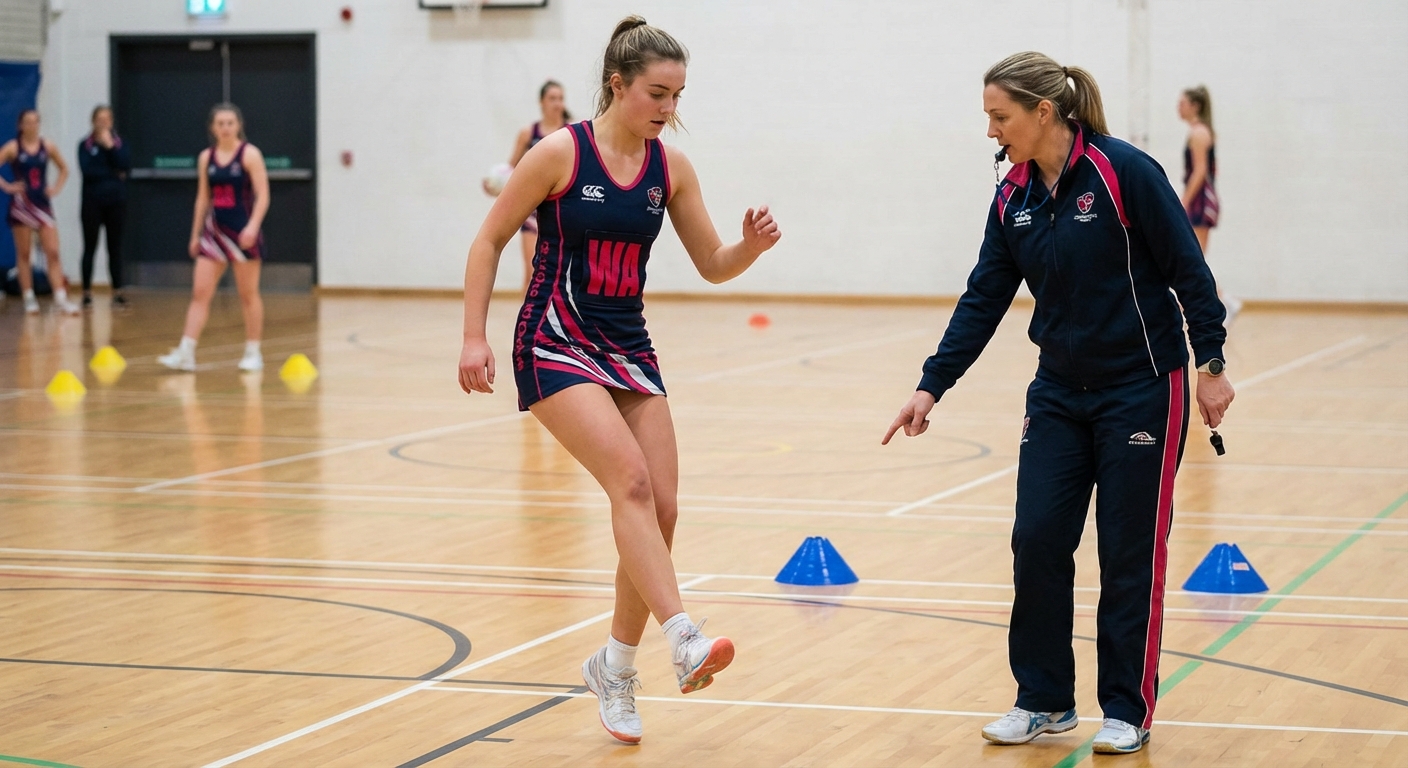
Footwork is the foundation of every skill in netball. This guide provides a clear explanation of the stepping rule, the mechanics of one-foot and two-foot landings, pivoting technique, and progressive drills to build footwork confidence from junior level upward.
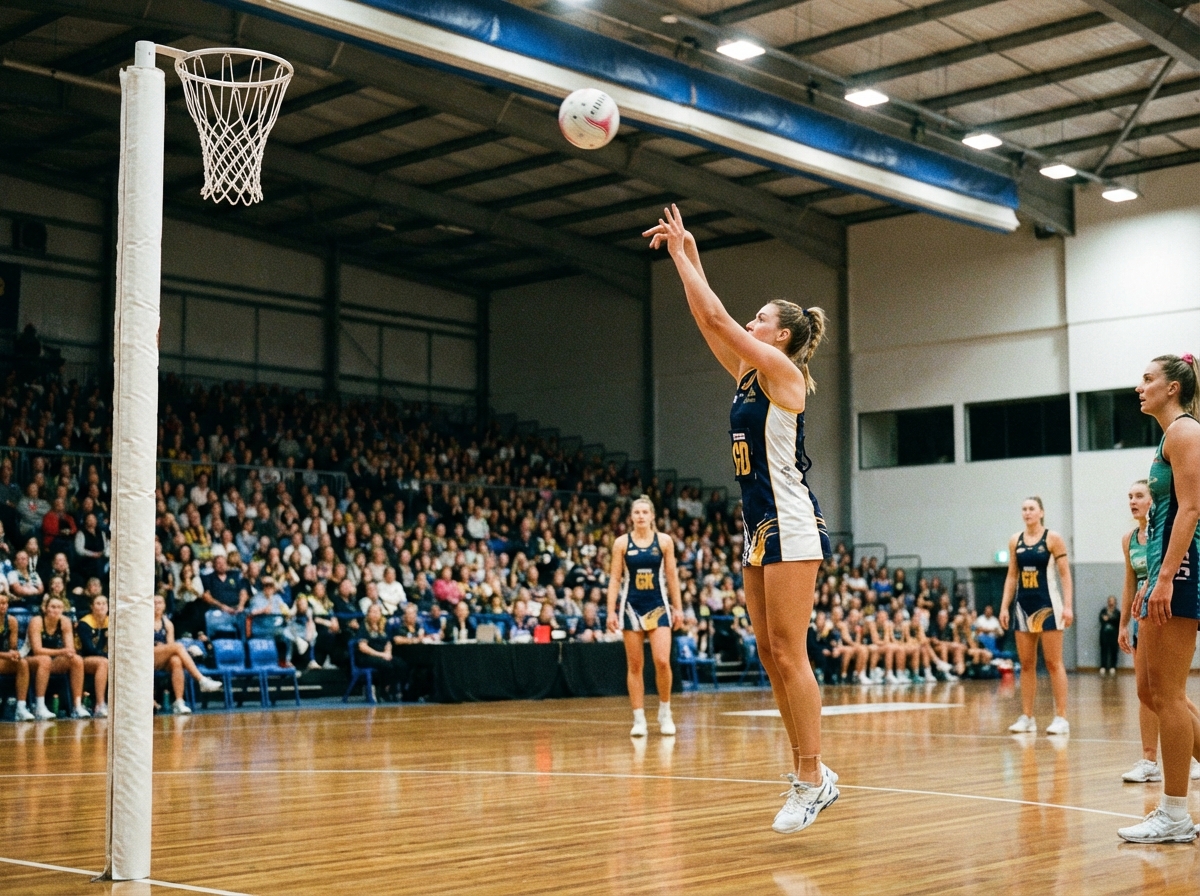
The early 'shoot from anywhere' era is over. Smart teams now use data-driven decision models to decide when the two-pointer is worth it.
Coaches from around the world look to Sportplan for coaching confidence.
I have thoroughly enjoyed using your site to help me with my coaching plans for my under 9's netball team.

I found this service to be excellent and it was of great help when planning my netball training sessions.

Sportplan is fantastic with all the various drills for every area of netball. My confidence as a coach has improved because I have Sportplan to support me.

Wow what a great website, I have found sportplan an important tool for me when planning my netball sessions with my netball team. There are alot of very helpful tips/ideas/skills that I can learn and teach to my team. Thank you sportplan I hope to continue to use your helpful tips and to learn more about improving my teams netball skills. Thanks again....keep it up....

I have been using Sportplan now for 3 years and can honestly say that I have never repeated the same session twice. My girls are always focused and are improving every year. Thanks Sportplan.
What a fantastic tool. The Chalkboard and session tools make an unbelievable difference in making training plans in both time and organization. I will be instructing all of my assistant coaches that this tool must be used for all sessions during the season, so that we may build a club coaching resource library.
I can't get enough of the Sportplan, It has given me back the enthusiasm i was starting to lose. My girls are so keen and are ready at 14 to take the next up in their game. Sportplan will help no end.