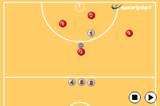
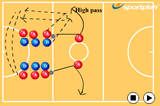
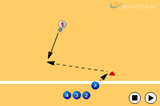
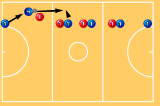
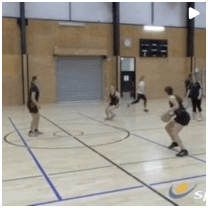
Two defenders work inside a circle of players with one ball.
The red players must pass the ball around the group and try to keep possession.
The two defending players must work together to mark the ball, keeping the 3ft distance, while the other defenders 'zones' the space.
So, if Red 1 receives the ball, Green 1 (the nearest defender) calls "ball" and goes to cover the ball and Green 2 moves back, calls "hole" and zones the area.
The aim for players here is for the 'ball' defender to intercept the ball from the receiver and for the 'hole' player to intercept passes from the thrower.
Ensure communication is loud, positive and clear between defenders.
The defenders should be alert and on their toes throughout.
If you are working with a large circle of outside players (attackers) add the following rule: Attackers (reds) cannot pass ball to the players on either side of them.
Players are now not allowed to pass to the player that passed the ball to them. This will reduce the number of passing options each player has.
in more ways than one
 sportplan_netball
in more ways than one
sportplan_netball
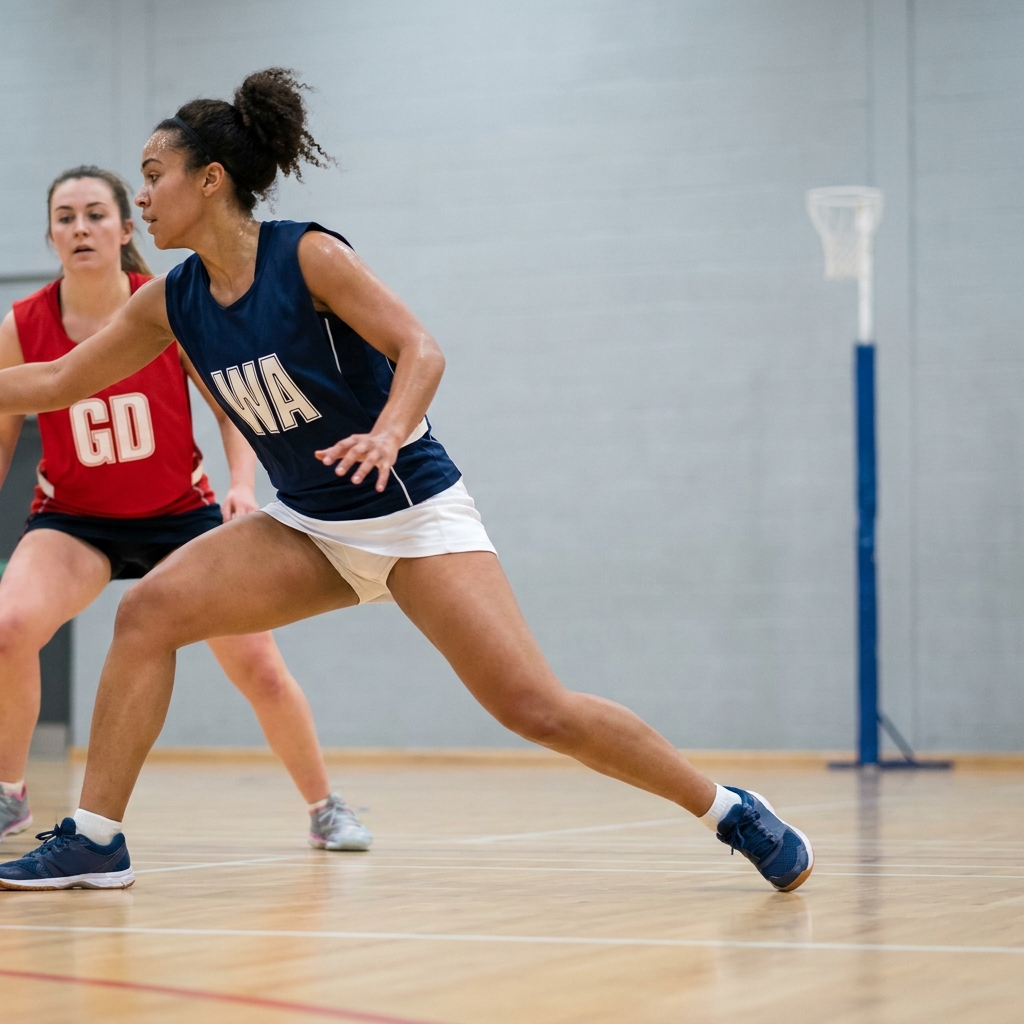
Tight markers win when attackers run in straight lines. Teach your players to dodge, change pace and time their drive so they get free when the ball is ready.
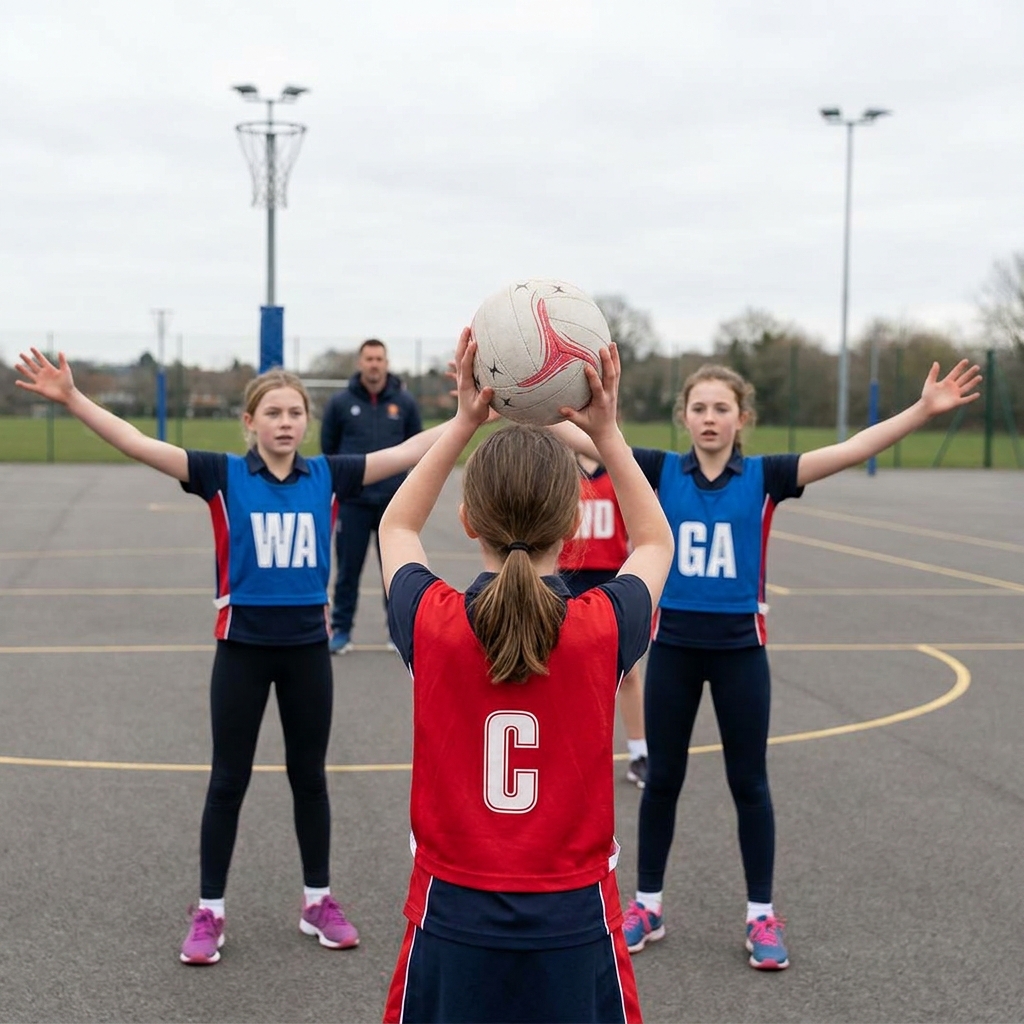
When everyone chases the ball, nobody is free. Teach your team to spread out, offer two options and clear space so the ball moves cleanly down court.
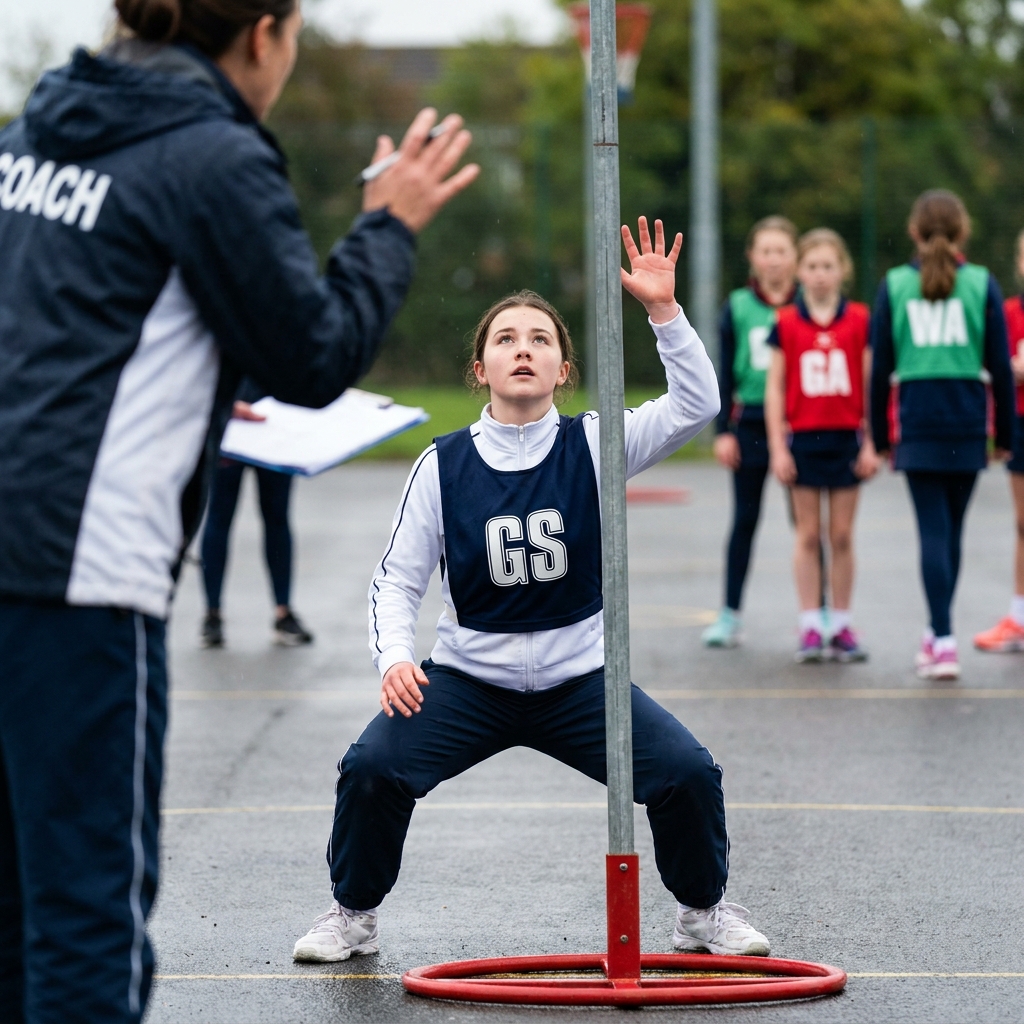
A shooter who can hold a strong position under the post is worth more than one who runs all over the circle. Here is how to coach body shape, a legal hold and a well-timed release, and how feeders make the most of it.