









Sportplan rugby has played a large role in my team's love for the game!

I have started an under 10s team up, and I would say about 8 from the 13 children I have , did not play rugby until about 6 months ago. Of these players, there seems to be a lot of potential, as we are scoring tries against teams, that very rarely concede tries.the problem I got with them, is that we are very poor at organising our selves in defense when the opposition has the ball, which does result in us conceding quite a few tries. We have some very good tacklers in the team. Can anyone offer some ideas on how I can get them to organise themselves? Thanks . Chris.

Hi there, I was wondering thoughts on forward positions at the kickoff. Do you have the catchers deep so the are coming forward to meet the ball or have one deep and one short? For the pods do you have a "quick" pod made up of all three loosies and a lock and a "slow" pod made up of the front row and the lock or do you split them in two pods made up of a prop, a lock and two loosies and the other pod of a prop, a lock, the hooker and a loosie? Who would you tell to be the ball carrier, body movers and bridger? All thoughts welcome. CheersDave

In relation U9's, I've read about the two hands on the ball ruling in U7 tag, Is there a similar requirement in U9's to have both hands on the ball when running etc (this was flagged up by a learned touchline parent?). Can anyone close the loop on this one for me?
Simon My son's PE teacher has told him that Bridging is lieegal for the U13 to U19 group. His Club coach has been encouraging its use in games for two seasons. I can see some of the dangers but also the advantages Who is right is it banned or can it be used? Paul submitted by email
Some of my U9s players, who are experiencing contact for their first season, are showing reticence in tackling - how do you coach or get through the fear factor/element?
in more ways than one
 sportplan_rugby

Greasy balls and soft pitches turn tidy handling into a lottery. Here is how to coach your players to keep hold of the ball when November conditions bite.
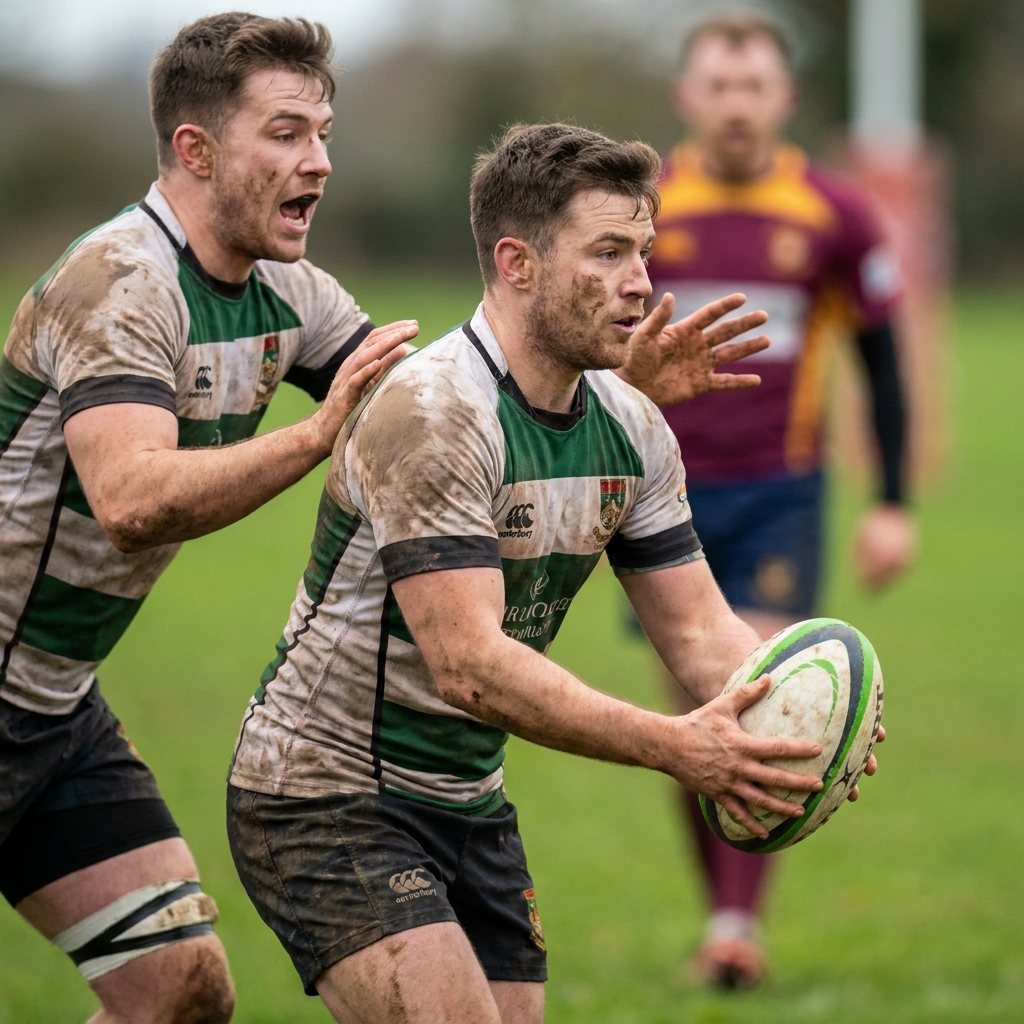
Most line breaks are made by support runners, not ball carriers. Teach the angles, depth and timing that get them there.
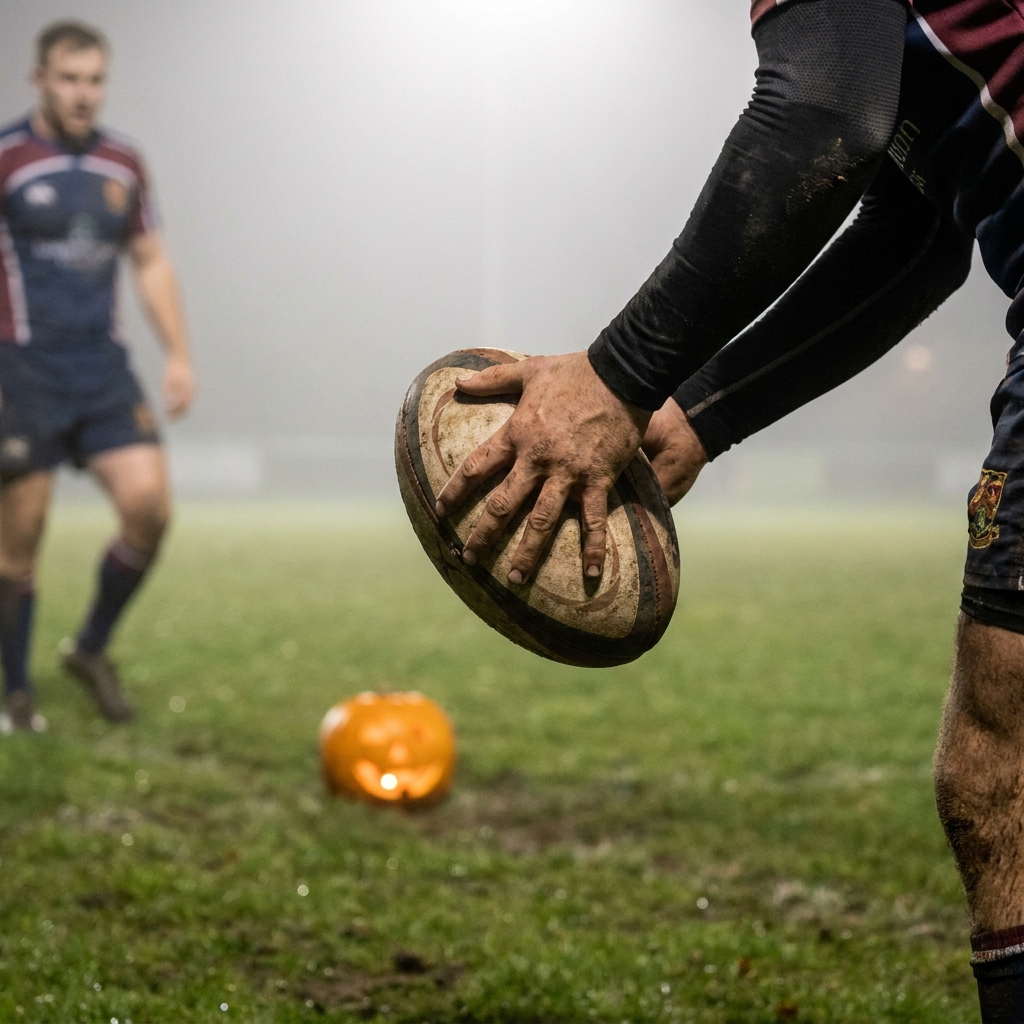
The isolated ball carrier is rugby's spookiest turnover. Here is the five-step fix, plus drills that rebuild support lines fast.
Coaches from around the world look to Sportplan for coaching confidence.
Sportplan rugby has played a large role in my team's love for the game!

I am so pleased with all of the drills and advice on rugby. I am a player for my local club and we don't have a coach at the moment so I, as a senior player, am filling that gap. With your help, the team has been able to improve our skills.

Your tips and session ideas have really brought some interest back to our rugby training. The players and I now really enjoy our training sessions.

Wow what a great website, I have found sportplan an important tool for me when planning my netball sessions with my netball team. There are alot of very helpful tips/ideas/skills that I can learn and teach to my team. Thank you sportplan I hope to continue to use your helpful tips and to learn more about improving my teams netball skills. Thanks again....keep it up....

I have been using Sportplan now for 3 years and can honestly say that I have never repeated the same session twice. My girls are always focused and are improving every year. Thanks Sportplan.
What a fantastic tool. The Chalkboard and session tools make an unbelievable difference in making training plans in both time and organization. I will be instructing all of my assistant coaches that this tool must be used for all sessions during the season, so that we may build a club coaching resource library.
I can't get enough of the Sportplan, It has given me back the enthusiasm i was starting to lose. My girls are so keen and are ready at 14 to take the next up in their game. Sportplan will help no end.