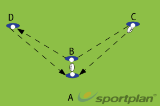
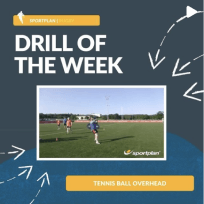
Good for warm ups and co-ordination, getting used to keeping your body straight on and handling the ball and practicing using your arms to pass the ball rather than the whole body moving.
2 balls, 2 players
Players stand 2 or 3 metres apart facing each other holding a ball on opposite hips (one on right and one on left). Work for 30-40 seconds on pushing the ball and passing from the hips to the other players chest; passes are made at the same time so coordination is key and the pass received must be returned from the same hip it was received.
Feet shoulder width apart with hips and shoulders facing forward towards the other player. Ball at the hips and can be passed as spiral or regularly.
Concentrate on pushing the ball from the hips and not bringing it behind the body line to create power for the follow through. Follow through with hands to where your target is (chest area).
For coordination you can add in extra balls but is tricky with various age groups as they will have to catch with one hand etc. Sequences can be made up of fun activities and competitions.
in more ways than one
 sportplan_netball
in more ways than one
sportplan_rugby
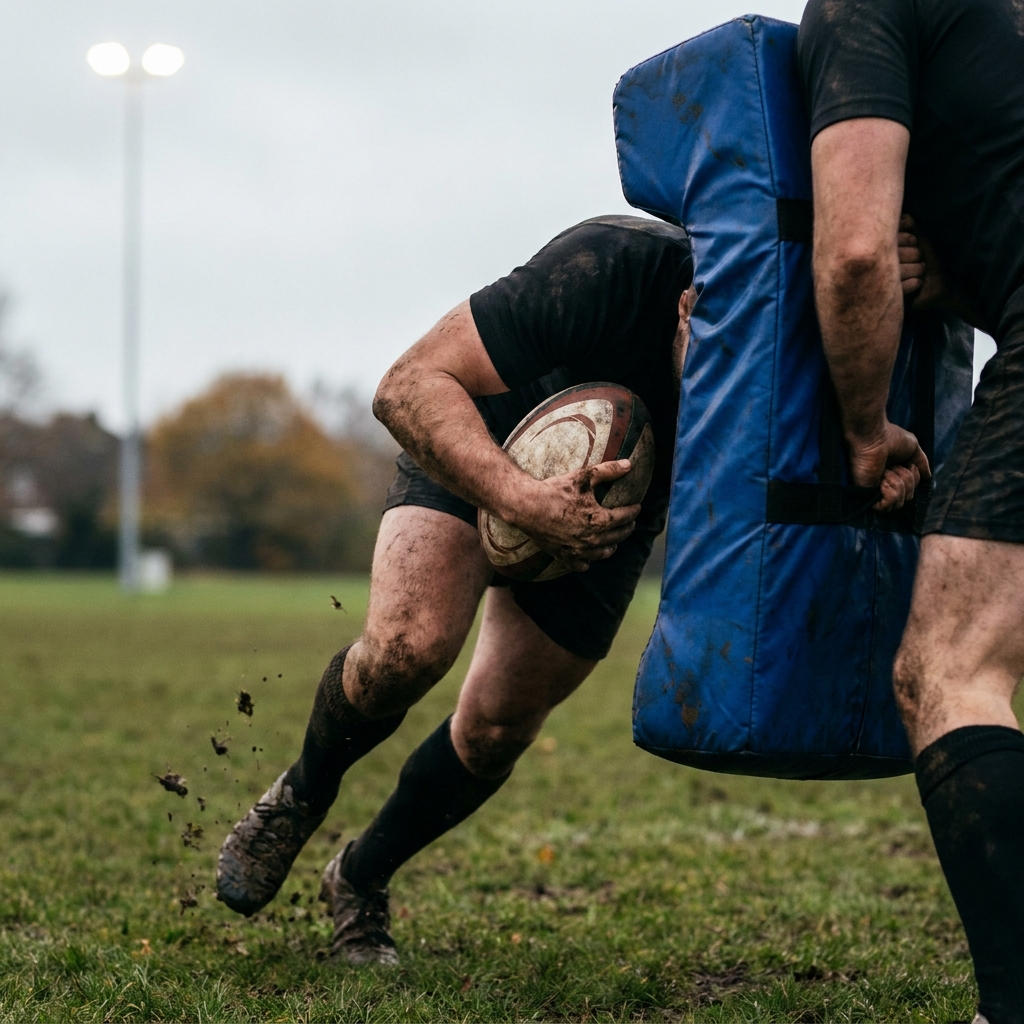
Tacklers are aiming lower, so carriers who dip late put heads at risk. Teach footwork, a strong early body height and leg drive to win the collision safely.
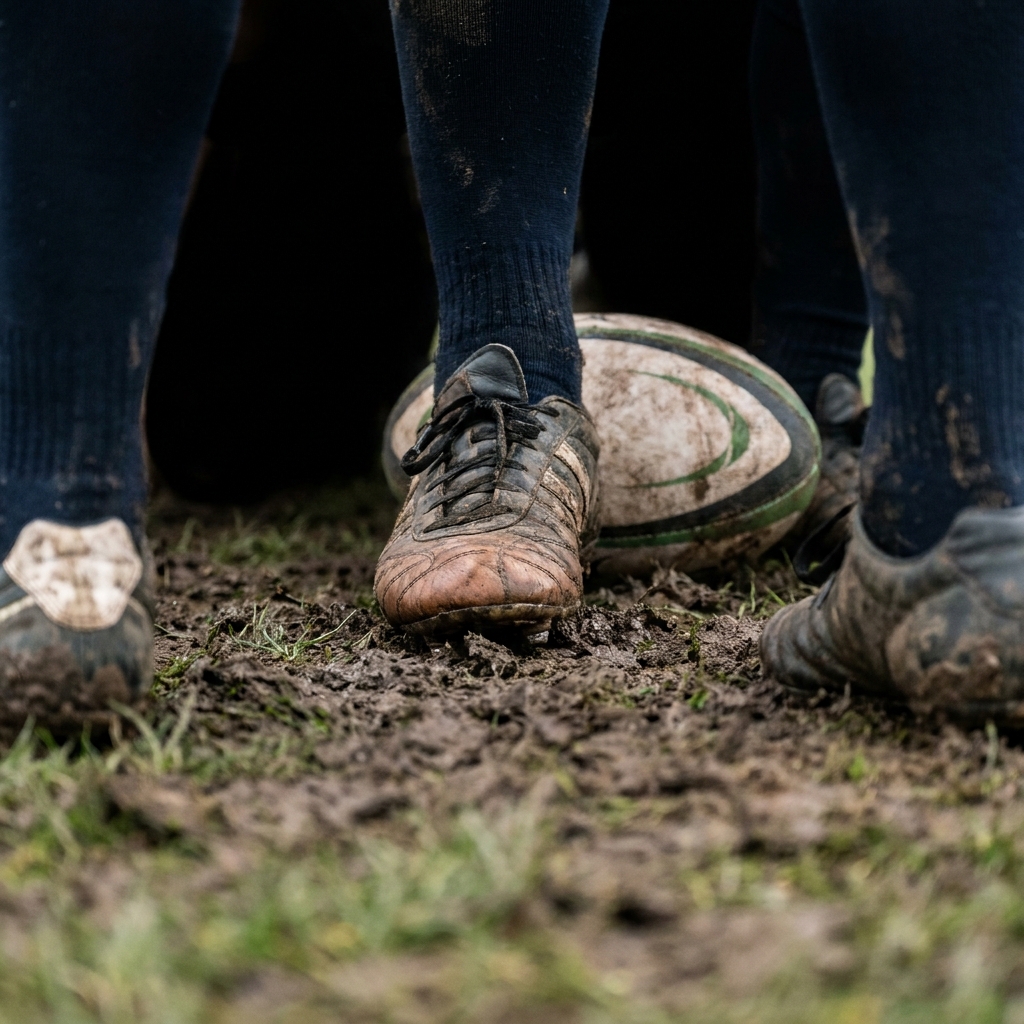
The hooker's brake foot moved from trial into full law in July 2026. Here is how to coach it so your front row stays stable, legal and safe.
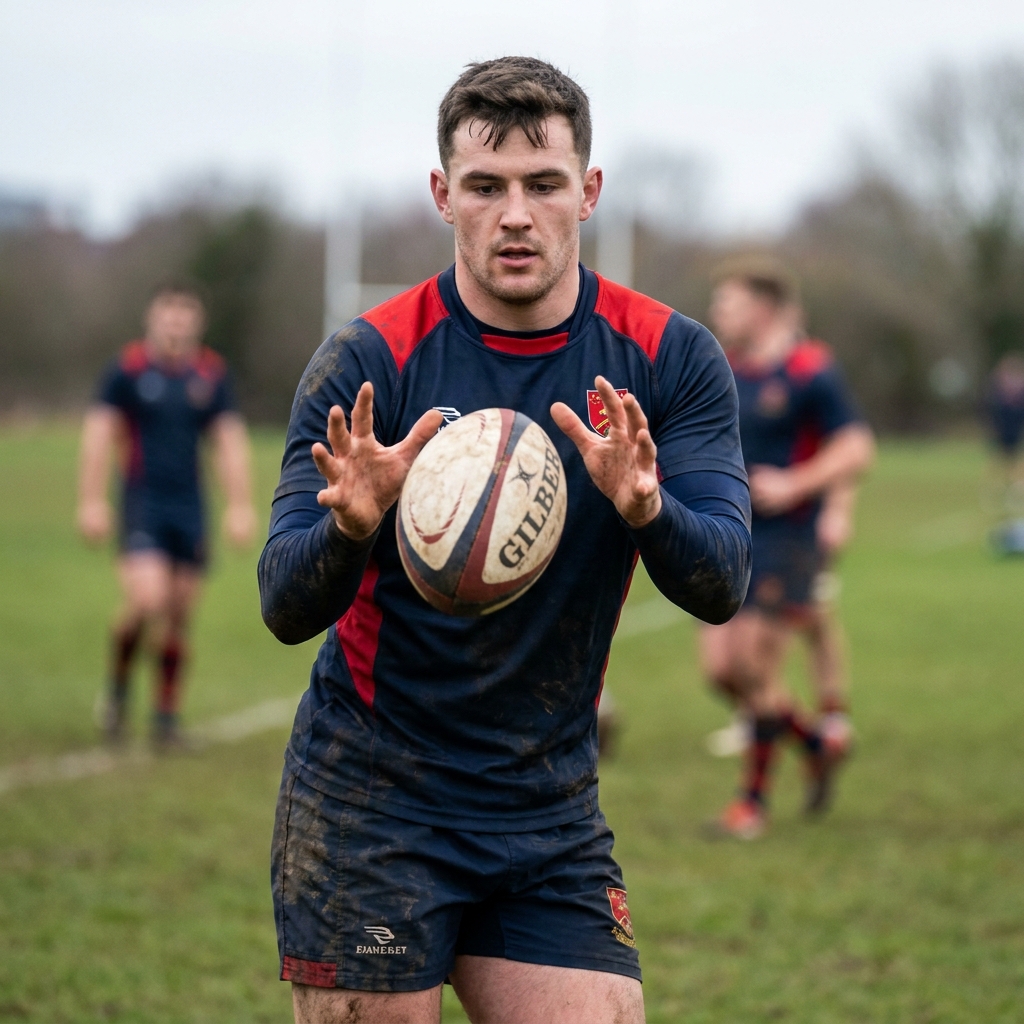
Your players can pass beautifully in a warm-up grid. Then a defender closes, their lungs are burning, and the ball goes to ground. Here is how to build catch-pass skills that hold up when it matters.