Sportplan rugby has played a large role in my team's love for the game!

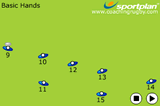
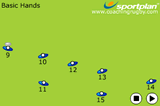
There are seven backs in a team, with the rugby position numbers 9-15. As the name suggests they are positioned behind the forwards, and include the Scrum-half, Fly-half, two wings, inside and outside centres, and the full back.
The 100+ backs moves drills below require a level of speed, agility and evasiveness. Another requirement of a good back is someone who is able to give feedback to the playmaker or director of the backline and create effective attacks and moves.
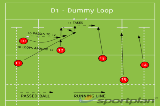
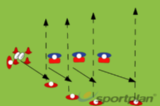
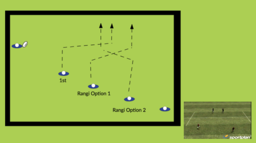
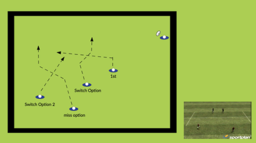
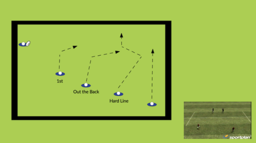
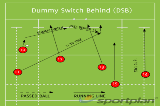
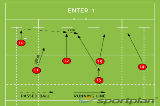
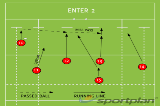
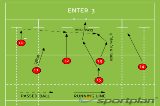
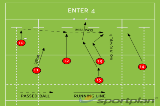
Use the backline plays below to boost your players' ability to draw defenders out of position, attack space at pace, and communicate on the field to create weaknesses in opposition's defence. The backs moves include how to make dummy runs, join the line, and highlight how a backline should operate.
in more ways than one
 sportplan_rugby
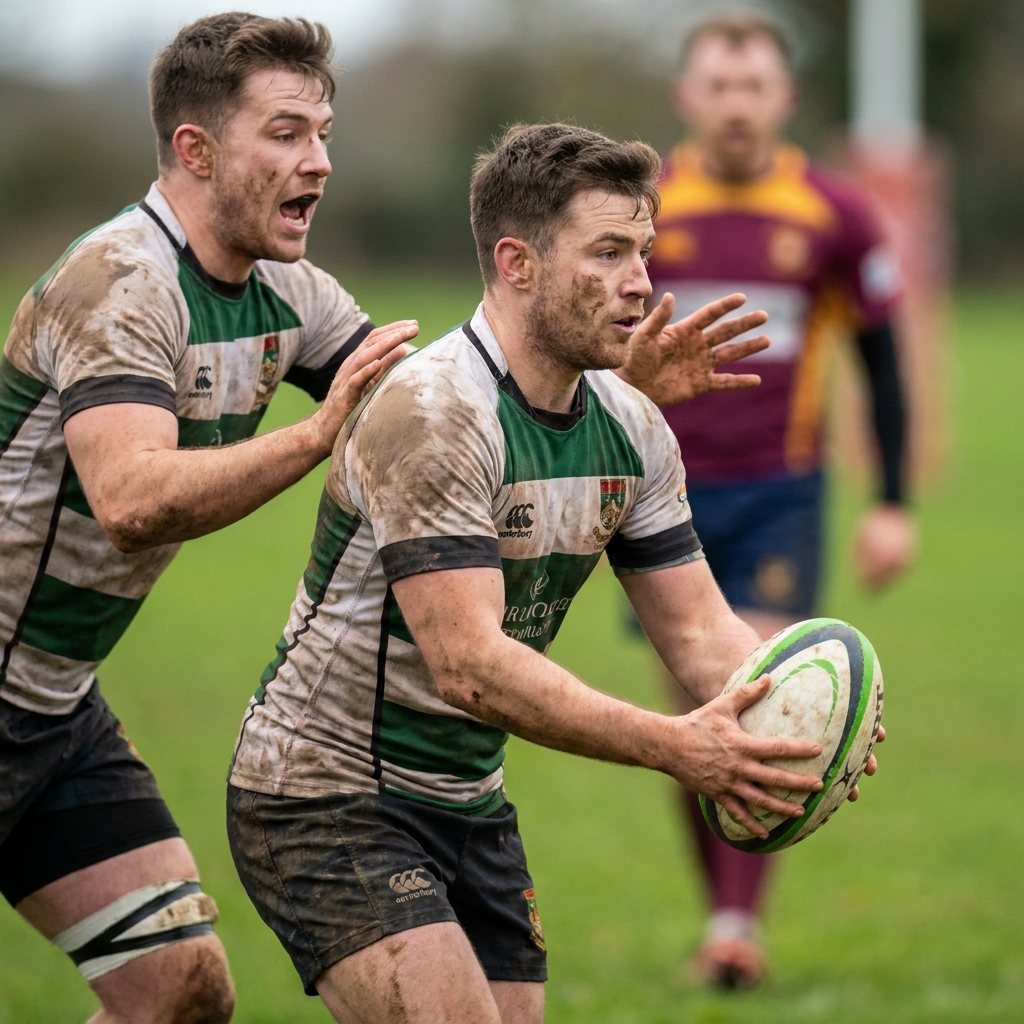
Most line breaks are made by support runners, not ball carriers. Teach the angles, depth and timing that get them there.
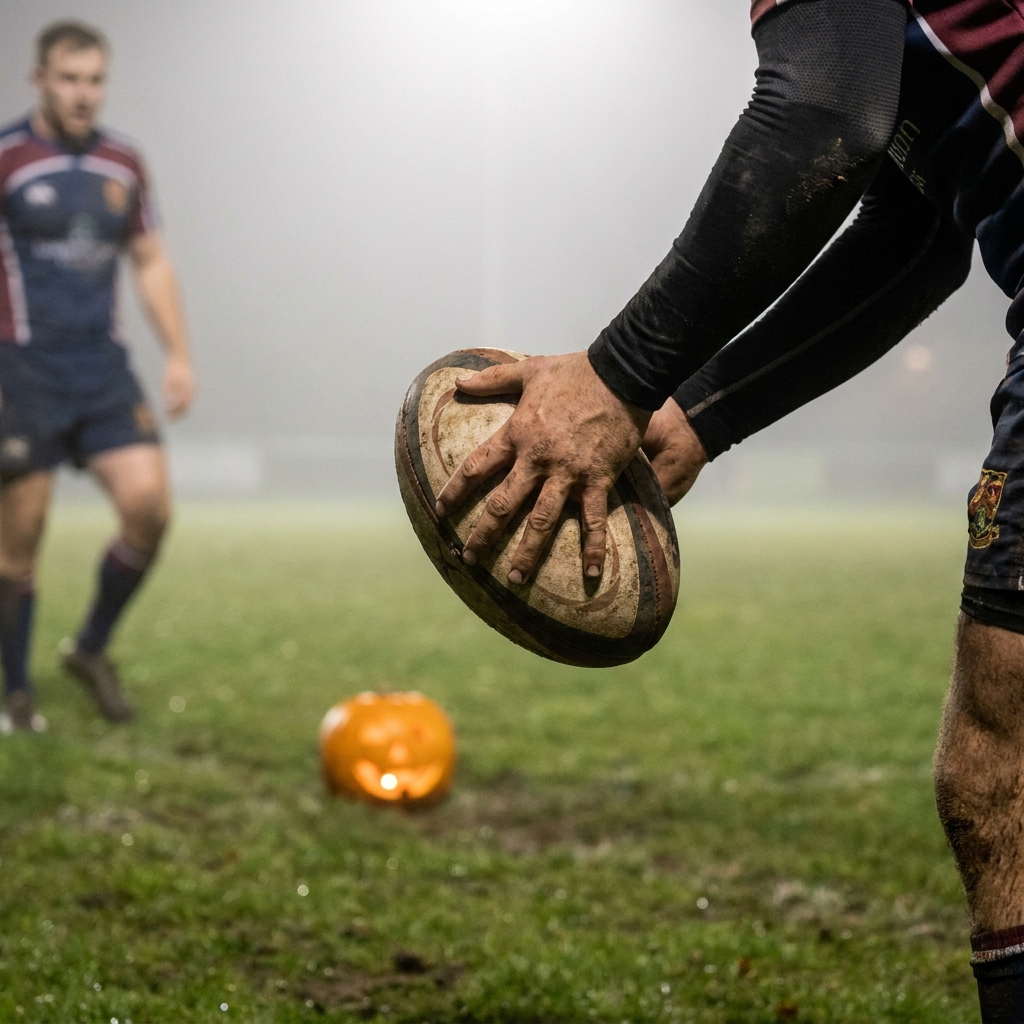
The isolated ball carrier is rugby's spookiest turnover. Here is the five-step fix, plus drills that rebuild support lines fast.
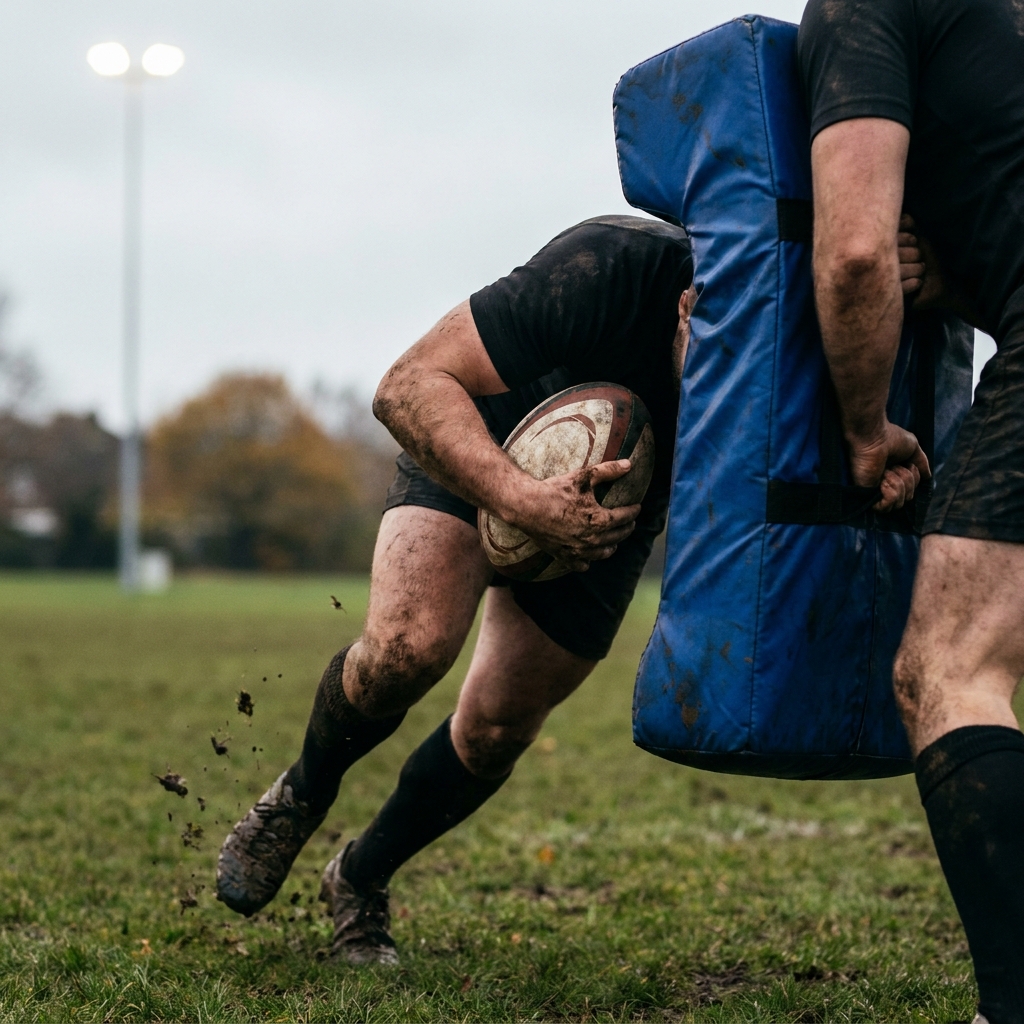
Tacklers are aiming lower, so carriers who dip late put heads at risk. Teach footwork, a strong early body height and leg drive to win the collision safely.
Coaches from around the world look to Sportplan for coaching confidence.
Sportplan rugby has played a large role in my team's love for the game!

I am so pleased with all of the drills and advice on rugby. I am a player for my local club and we don't have a coach at the moment so I, as a senior player, am filling that gap. With your help, the team has been able to improve our skills.

Your tips and session ideas have really brought some interest back to our rugby training. The players and I now really enjoy our training sessions.

Wow what a great website, I have found sportplan an important tool for me when planning my netball sessions with my netball team. There are alot of very helpful tips/ideas/skills that I can learn and teach to my team. Thank you sportplan I hope to continue to use your helpful tips and to learn more about improving my teams netball skills. Thanks again....keep it up....

I have been using Sportplan now for 3 years and can honestly say that I have never repeated the same session twice. My girls are always focused and are improving every year. Thanks Sportplan.
What a fantastic tool. The Chalkboard and session tools make an unbelievable difference in making training plans in both time and organization. I will be instructing all of my assistant coaches that this tool must be used for all sessions during the season, so that we may build a club coaching resource library.
I can't get enough of the Sportplan, It has given me back the enthusiasm i was starting to lose. My girls are so keen and are ready at 14 to take the next up in their game. Sportplan will help no end.