


Sportplan rugby has played a large role in my team's love for the game!

I'm about to begin coaching forwards at the college level, any drills, conditioning, tips, or any suggestions from my more experienced ruggers will be greatly appreciated

Does anyone have drawings for a SCRUM MACHINE. I've started a club in Chengdu,China. Too expensive to import. Thinking of getting one made. Need prints for a simple machine
Ask a question and have it answered by Coaches from around the world and IRB Educators.

What's a good methord when starting training a Scrum?

looking for a drawing to bild a scrummachine myzelf can annyboddy help me / h Lamers (dutch rugby)
we have a very old and antique scrum machine, does anyone have a newer model for sale or the plans/drawing to have one made?
looking for plans to have a welding shop build us a scrum machine, simply do not have the $6000-10000 these companies are asking for! cheers

I have just started helping our head coach with under12's team. He wants to retire and has put me forward to be head coach next season. I am a little worried on how i should aproach training with the boys, going to a full 15 a side team on a full pitch. Any ideas would be greatly appreciated.
Hi, I am a student at the University of Pretoria. I am currently working on a mechanical design project and I would really appreciate your opinions on what your ideal scrum machine would be like, what type of movement it should be able to replicate and to what degree in order to benefit rugby players most. Additionally, how much you might be willing to invest on such a machine (this would help in limiting the total cost of manufacturing the design since I am trying to make it accessible to my target market). Extra information on what would make your ideal scrum machine almost perfect would be even more appreciated.
Does anyone have drawings for a SCRUM MACHINE. I've started a club in Chengdu,China. Too expensive to import. Thinking of getting one made. Need prints for a simple machine
I have just started helping our head coach with under12's team. He wants to retire and has put me forward to be head coach next season. I am a little worried on how i should aproach training with the boys, going to a full 15 a side team on a full pitch. Any ideas would be greatly appreciated.
I'm about to begin coaching forwards at the college level, any drills, conditioning, tips, or any suggestions from my more experienced ruggers will be greatly appreciated
looking for plans to have a welding shop build us a scrum machine, simply do not have the $6000-10000 these companies are asking for! cheers
My coach has put me at openside flanker and I'm confused of where i should be after the scrum. Should I be attacking the opposing scrum half or just trailing behind the backs waiting to clean up/ form a ruck? It would be great to know what I'm doing !
My fowards seem afraid to ruck and stand around the ruck while in the way of the scrum half trying to get the ball out to the backs. They also don't support the ball carrier while he is being tackled. Please help me with any suggestions!!!
I think a pass has to be made from the back of a maul or ruck but I am not clear about the rules at the scrum .
Is it legal for a flanker to unbind and pick up the ball from a scrum if the ball comes to his channel?
What would be the likely outcome of a scrum fed from the thrower's tighthead side? Who would more likely win possession and what quality of possession could be expected? What if the law was that most scrums were required to be fed from the thrower's tighthead with the non offender determining who was to feed? The remainder, such as penalty scrums, would stay as is. Could this encourage a more constructive approach to scrummaging?
As well as coaching U10 rugby, I also get to referee U10 games, under the New Rules Of Play. I feel that my refereeing of the ruck isn't as good as it could/should be. Has anyone got an easy to follow system to help them referee U10 rucks ?
Offside confusion - I have been coaching mini rugby in Scotland for just over a year and had just got used to the idea that the ball is the off side line. Now under the new SRU law variations it is the same as the adult game. Can someone assist with the follwing scenario - A defender comes forward to tackle the ball carrier. The ball carrier side steps the defender and carries on going forward. The defender turns to give chase only to find that the ball carrier has passed the ball backwards across his path in attempt to reach his team-mates. If the defender catches the ball is he off-side? Would the answer to this question change if the defender was on the right side of the ball at the time the interception was made even though he was beyond the ball carrier at the time which the pass was made?
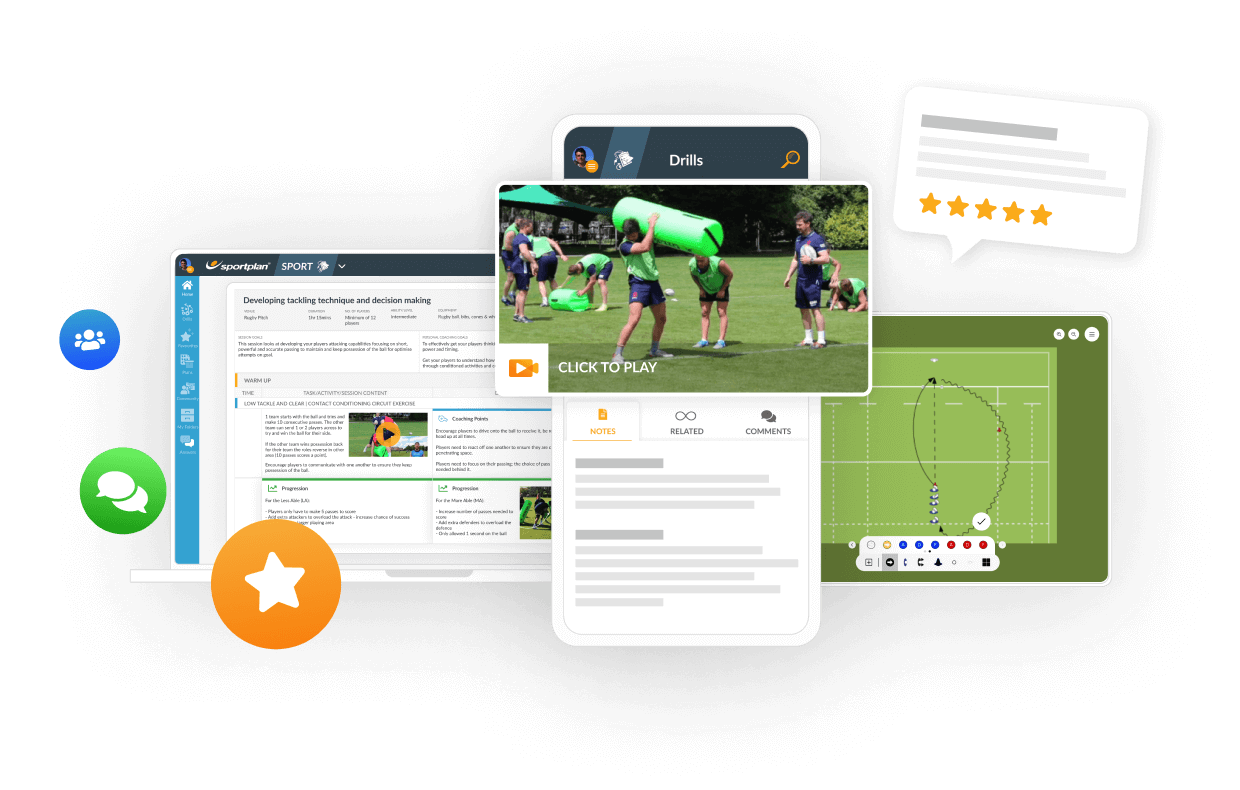
in more ways than one
 sportplan_rugby
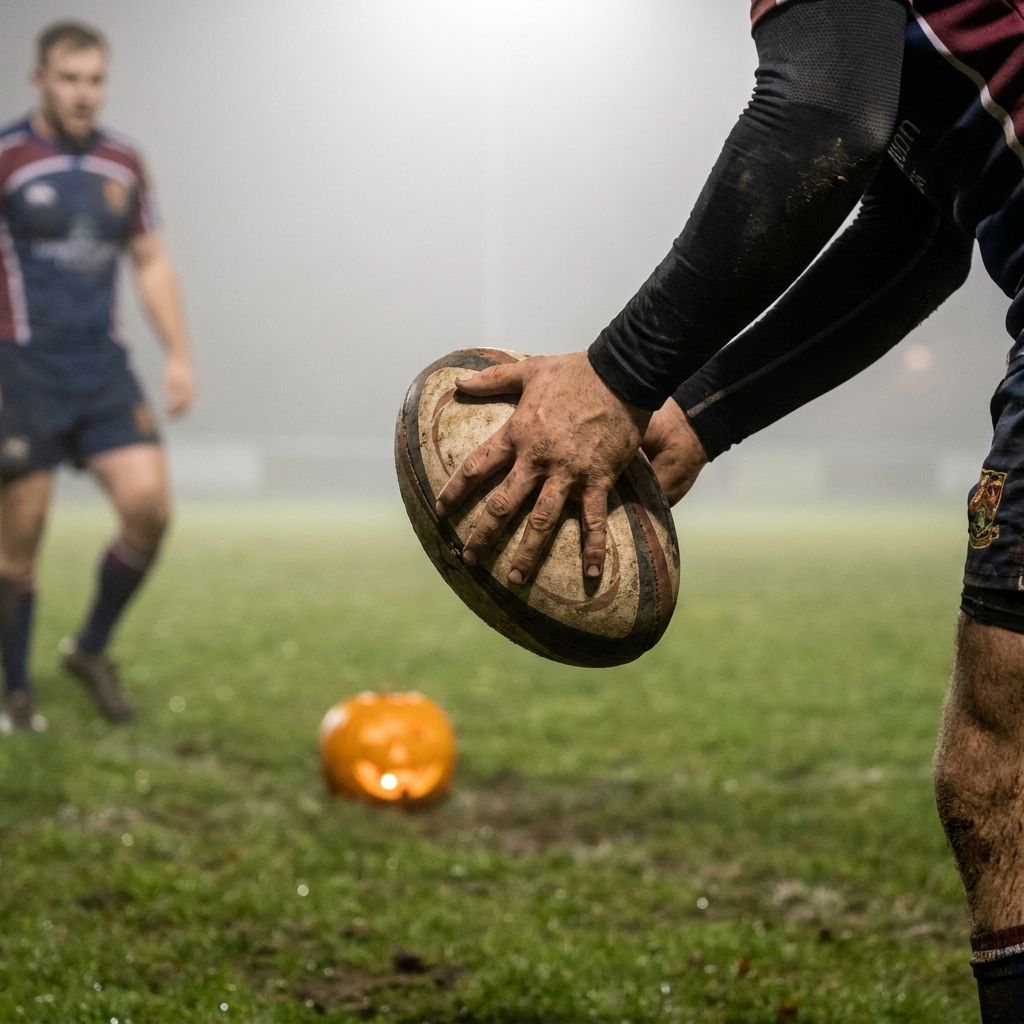
The isolated ball carrier is rugby's spookiest turnover. Here is the five-step fix, plus drills that rebuild support lines fast.
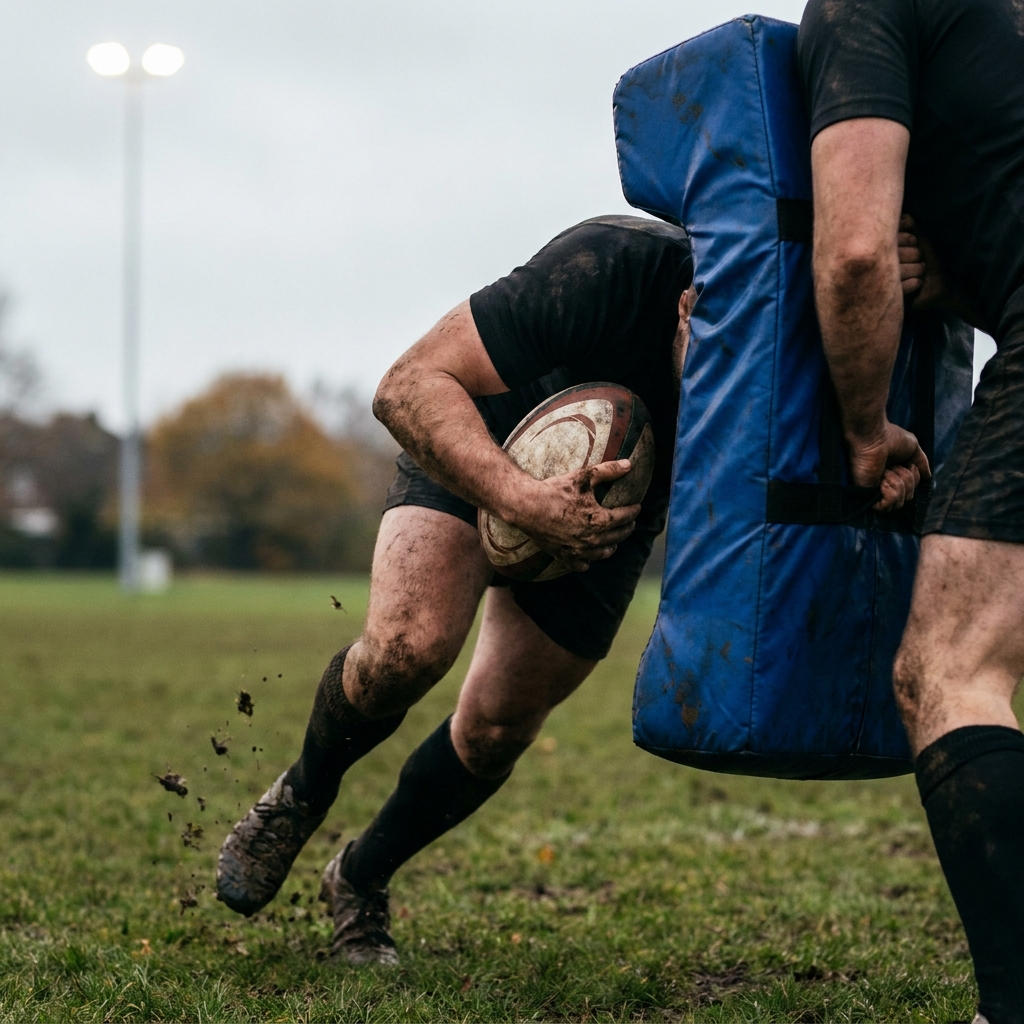
Tacklers are aiming lower, so carriers who dip late put heads at risk. Teach footwork, a strong early body height and leg drive to win the collision safely.
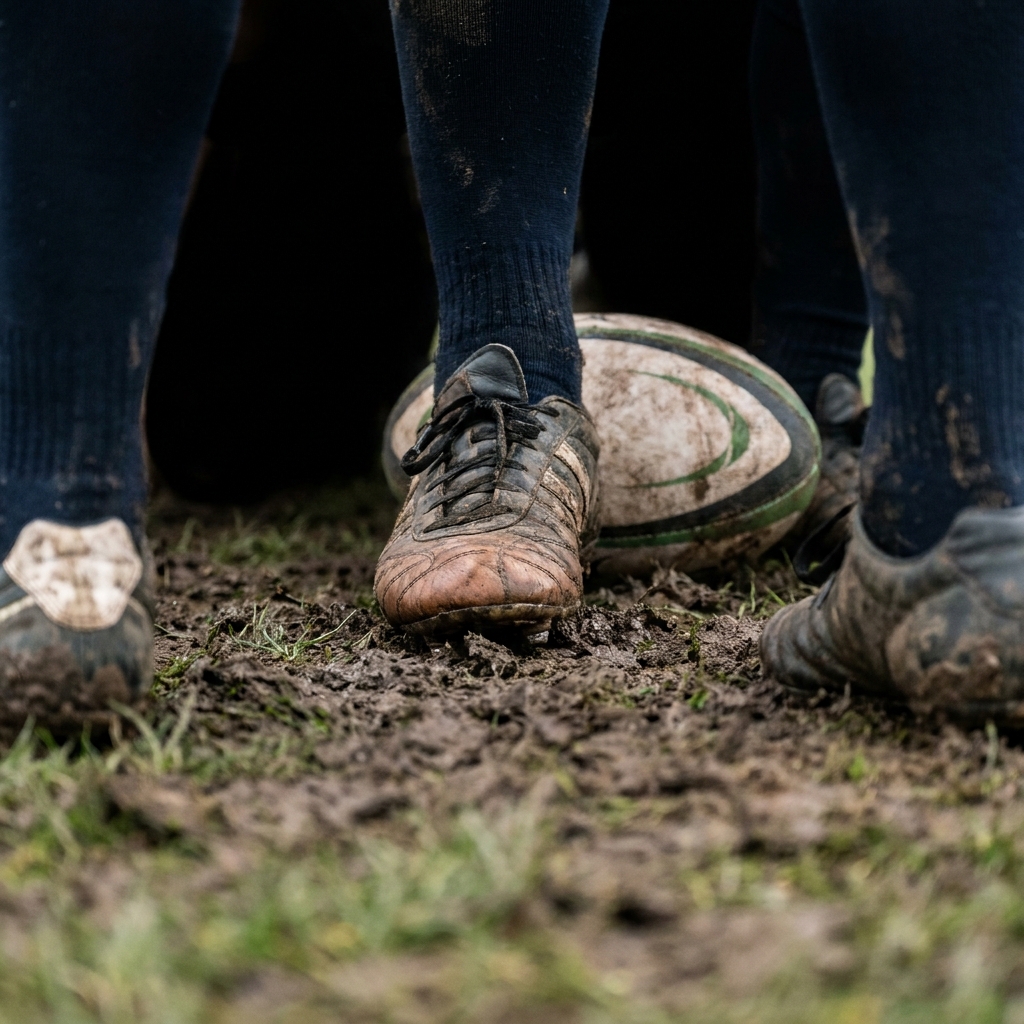
The hooker's brake foot moved from trial into full law in July 2026. Here is how to coach it so your front row stays stable, legal and safe.
Coaches from around the world look to Sportplan for coaching confidence.
Sportplan rugby has played a large role in my team's love for the game!

I am so pleased with all of the drills and advice on rugby. I am a player for my local club and we don't have a coach at the moment so I, as a senior player, am filling that gap. With your help, the team has been able to improve our skills.

Your tips and session ideas have really brought some interest back to our rugby training. The players and I now really enjoy our training sessions.

Wow what a great website, I have found sportplan an important tool for me when planning my netball sessions with my netball team. There are alot of very helpful tips/ideas/skills that I can learn and teach to my team. Thank you sportplan I hope to continue to use your helpful tips and to learn more about improving my teams netball skills. Thanks again....keep it up....

I have been using Sportplan now for 3 years and can honestly say that I have never repeated the same session twice. My girls are always focused and are improving every year. Thanks Sportplan.
What a fantastic tool. The Chalkboard and session tools make an unbelievable difference in making training plans in both time and organization. I will be instructing all of my assistant coaches that this tool must be used for all sessions during the season, so that we may build a club coaching resource library.
I can't get enough of the Sportplan, It has given me back the enthusiasm i was starting to lose. My girls are so keen and are ready at 14 to take the next up in their game. Sportplan will help no end.