What Is Low-Volatility Rugby?
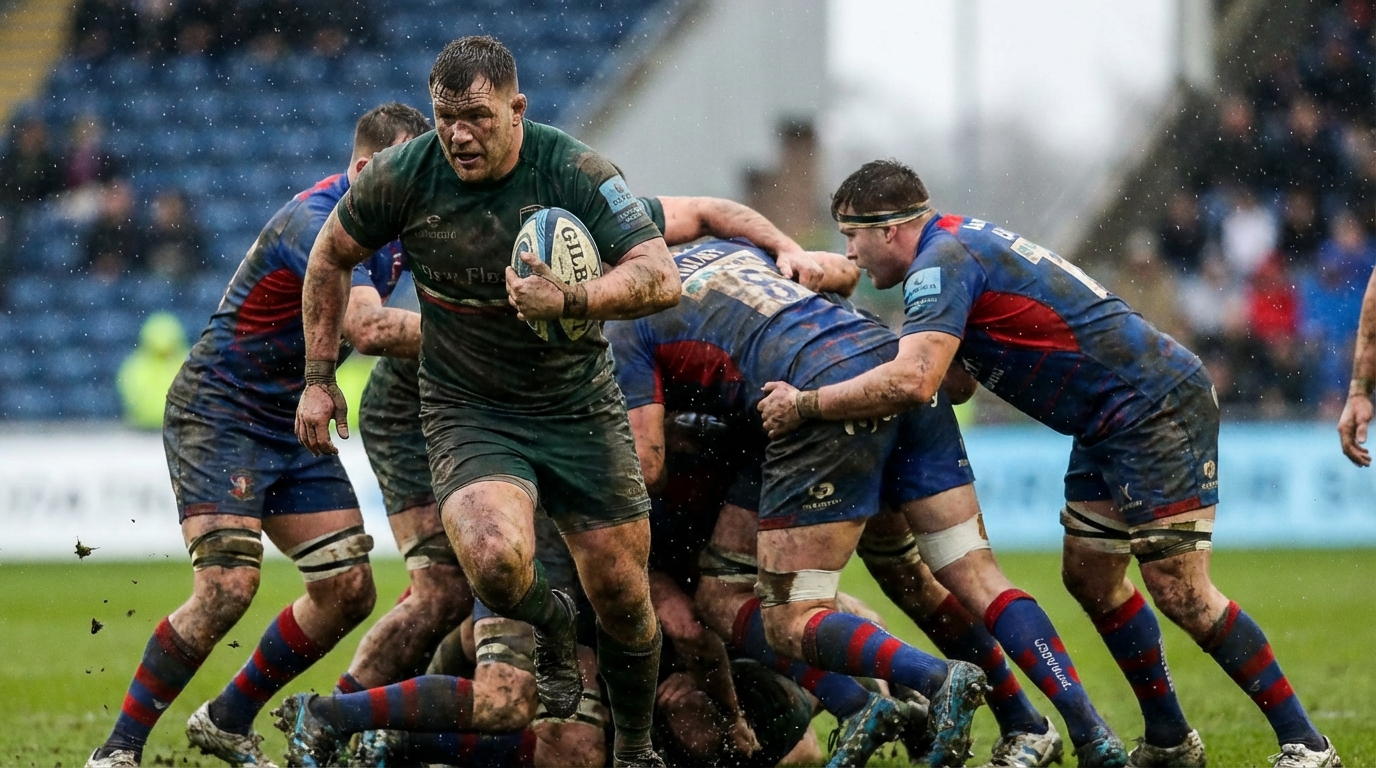
The phrase "low-volatility rugby" has crept into punditry this Six Nations, and for good reason. The teams sitting at the top of the table aren't the ones throwing offloads or spinning the ball wide at every opportunity. They're the ones grinding out metres through the middle of the ruck with relentless, disciplined pick-and-go phases.
Low-volatility rugby means reducing risk. Instead of chancing a wide pass that might go to ground, you take the small gain. Instead of a speculative offload, you go to deck, present cleanly, and let the next forward do the same. It's not flashy. It's brutally effective.
For coaches at every level, this is an approach you can teach tomorrow. Your forwards don't need to be international athletes. They need discipline, fitness, and technique.
Why Pick-and-Go Is Dominating the 2026 Six Nations
France have built their 2026 campaign around forward dominance at the breakdown. Their pack doesn't try to play like backs. They pick, they drive, they present, and the next man does it again. Phase after phase, the defence is forced backwards. When the gain line is won three or four times in succession, the defensive line fractures.
England have adopted a similar approach under their new coaching setup. Their forward pod system means there are always three or four players within arm's reach of the breakdown, ready to pick and carry. The result is ruck speed under two seconds and consistent front-foot ball.
The numbers tell the story. Teams averaging more than eight phases before scoring in this year's Six Nations are winning more matches than those trying to score in three or four. The game is being won by patience, not brilliance.
Technical Coaching Points for Effective Pick-and-Go
Pick-and-go looks simple. That's what makes it hard. The technique has to be precise every single time, or the whole system breaks down.
Body position at the pickup:
- Low hips, feet wide, eyes up before contact
- Pick the ball with two hands from the base of the ruck
- Drive forward into the nearest defender - don't look for gaps
- Accept the contact and go to ground in a strong presentation position
Ball presentation:
- Long place - extend the ball as far back towards your support as possible
- Both hands on the ball until the last moment
- Body between the ball and the opposition at all times
Support roles:
- First arrival clears or secures
- Second arrival picks and carries
- Third arrival is on standby as the next carrier
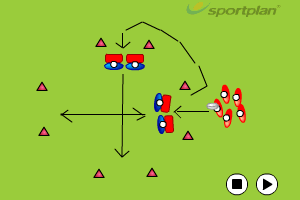
Ruck Speed and Body Position
The entire pick-and-go system collapses if ruck speed is slow. The target is ball available in under two seconds. Any longer and the defence resets, the advantage disappears, and you're running into a set defensive line.
Ruck speed comes from three things: ball carrier presentation, cleaner arrival time, and scrumhalf speed. If any one of those three is slow, the whole chain suffers. Film your training sessions and time every ruck. Set a target and hold players accountable.
Body position is everything in the pick-and-go. Upright carriers get stopped. Low carriers with a forward lean generate momentum even against bigger defenders. Coach your forwards to stay below shoulder height through the contact zone.

When to Use Pick-and-Go vs Wider Play
Low-volatility rugby doesn't mean you never go wide. It means you earn the right to go wide. The pick-and-go phases draw defenders in, compress the defensive line, and create space on the edges. The key is knowing when to shift.
Stay narrow when:
- You're winning the gain line consistently
- The defence is committing numbers to the breakdown
- You're inside the opposition 22 and don't want to risk turnover ball
- Conditions are wet and handling is risky
Go wide when:
- The defence stops committing to the breakdown and floods the edges early
- You've created a clear numbers advantage out wide
- The pick-and-go has sucked defenders in and there's genuine space
The best teams in this Six Nations are reading this balance in real time. Coach your players to recognise the trigger: when the defensive line narrows around the ruck, that's the cue to play wide on the next phase.
Session Plan: Forward Dominance Through Pick-and-Go
Warm-up (10 mins): Ruck fitness circuit - pick up, drive into pad, present, recover, repeat. Three sets of six.
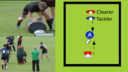
Technique block (15 mins): Ball presentation drill. Pairs work: one carries into a shield holder, goes to ground, presents. Partner clears and picks. Rotate. Focus on long placement and legal entry.
Unit work (15 mins): Pods of four vs three defenders. Pick-and-go only. Score by crossing a line five metres away. Defence can jackal or counter-ruck. Track ruck speed.
Game scenario (15 mins): 8v8. Attack gets five phases of pick-and-go before they can go wide. This forces the discipline of earning territory before spreading play.
Frequently Asked Questions
Is pick-and-go rugby boring to coach?
It's only boring if you don't set standards. When your forwards are competing to deliver sub-two-second ruck speed and win every gain line, it becomes the most intense part of training. The satisfaction of sustained forward dominance is anything but dull.
Can smaller packs use pick-and-go effectively?
Absolutely. Pick-and-go is about technique and speed, not size. A smaller forward who picks and drives low with good body position will beat a bigger defender who's upright. Speed to the breakdown matters more than mass at the breakdown.
How many pick-and-go phases should we aim for before going wide?
There's no fixed number. Read the defence. If you're consistently winning the gain line after three or four phases and the defence is narrowing, that's your trigger to shift wide. If the gain line is yours for eight phases, keep going until they stop you.
What's the biggest mistake teams make with pick-and-go?
Going to ground too early. Carriers who drop before contact give the defence free ground. The ball carrier must drive through or into the tackle before going to deck. Win the collision first, then present.
 sportplan_rugby