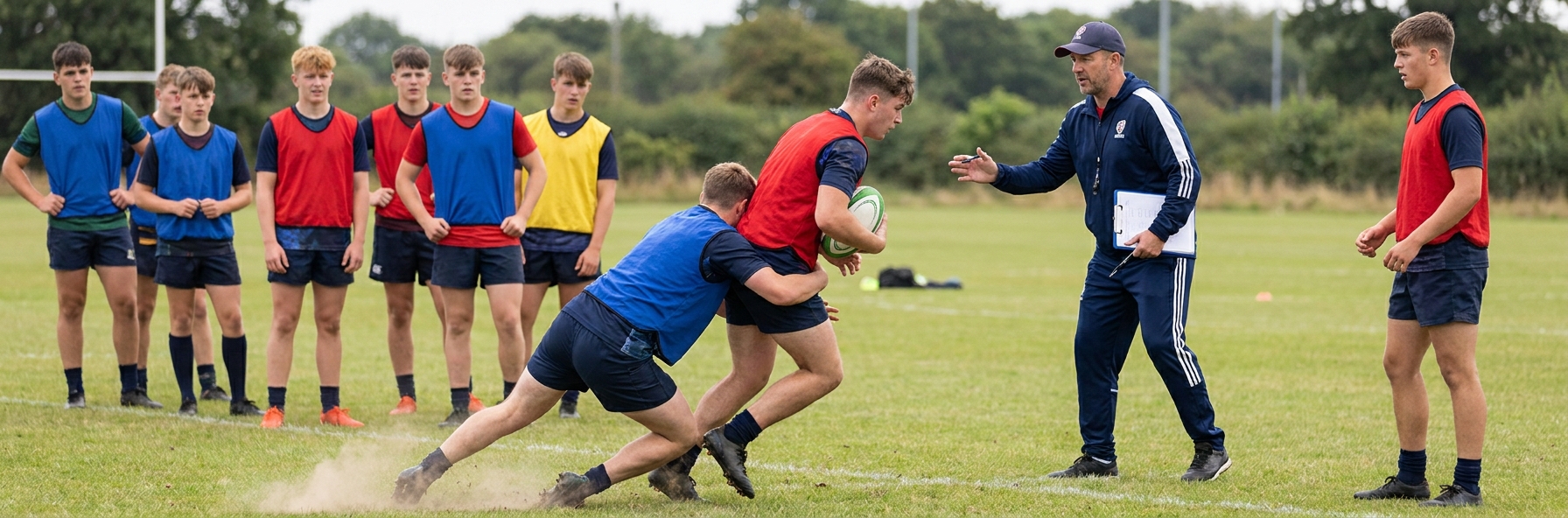
For the first time, elite rugby will be played with the high tackle line set at the base of the sternum rather than the shoulders. The World Rugby U20 Championship in Georgia this summer is the laboratory, and the results will shape how every level of the game is played by the end of the decade.
The trial is not a guess. It is the culmination of two seasons of community trials across eleven unions, in which upright tackles fell by roughly eight to ten per cent and several unions reported encouraging reductions in concussion rates. The U20s is the next step before any global rollout.
What Has Actually Changed
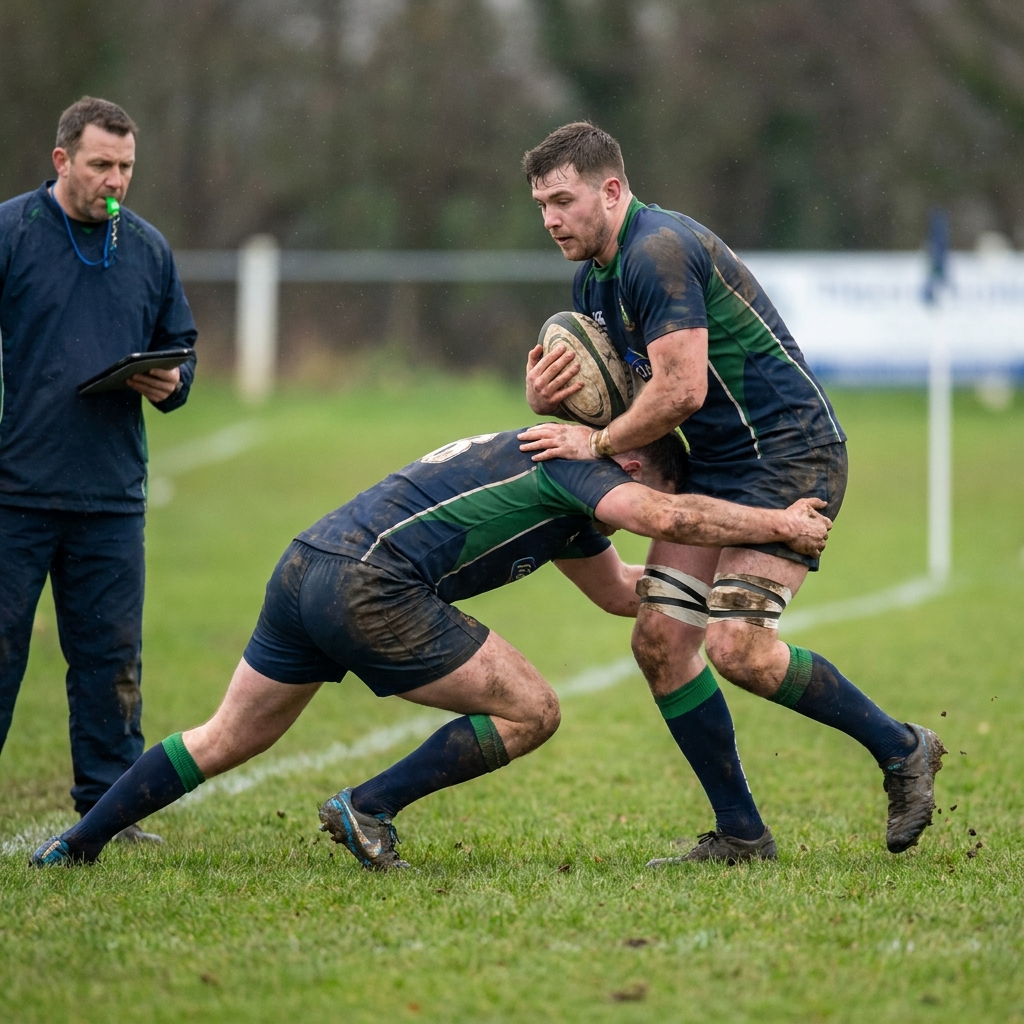
Under the trial law, any contact with the ball carrier above the base of the sternum is a penalty offence. That is significantly lower than the current shoulder line - in practice, the new line sits roughly at the top of a player's ribcage. Tacklers who connect any higher are sanctioned even if the contact is accidental.
The trial includes several supporting measures to keep the game playable. Pick-and-go carriers near the ruck can be tackled higher because their body position makes a sternum-level tackle impossible. Double tackles are allowed provided both tacklers stay below the sternum. And ball carriers who lead with the head into contact are now sanctioned, which closes the loophole where attackers ducked into tacklers to draw a penalty.
Why Coaches Cannot Wait
If your players currently tackle around the chest or shoulder area, they will give away penalties in any match that uses the new law - and within two seasons, that will be most adult rugby. The technical change is not enormous. The behavioural change is. Players need to break habits that may be ten years old.
The good news: a lower tackle is a safer tackle for the tackler too. Head-on-head and head-on-shoulder contacts - the riskiest collisions in the game - reduce dramatically when both heads are well clear of each other.
A Three-Week Programme to Re-Train Tackle Height
You cannot lower a player's tackle target by telling them. You have to drill it until the new height is automatic. This programme builds the change in three stages.
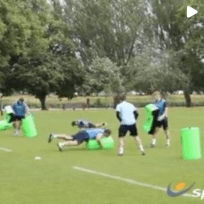
Week 1 - Foundations on the bag: Two short sessions per week, ten minutes each. Players hit tackle bags at hip and waist height only. Place a strip of tape on the bag at sternum level - any contact above the tape is a "miss". Build muscle memory before adding a live carrier.
Week 2 - Live partners at walking pace: Pairs work, then 1v1 in a five-metre channel. The carrier walks, the tackler practises the new height with a soft chop tackle. Coach the cue word "low and tight" on every rep. Add a second tackler to drill the legal double-tackle.
Week 3 - Match speed in conditioned games: Touch-rugby with one twist: every tackle must be made below the sternum strip on the carrier's bib. Any contact above is a turnover. This builds the new habit under pressure without the injury risk of full contact.
What Changes Tactically
The lower tackle line has knock-on effects beyond technique. Expect to see more leg-drive from carriers because the tackler is no longer wrapping the upper body. Expect more offloads because hands stay free for longer. Expect double-tackling to become a deliberate tactic, with one player low on the legs and a second taking the ball.
Defensively, the jackal contest changes too. With ball carriers staying upright for longer, the ball is more available immediately after contact. Teams that train fast support to the breakdown will benefit. Teams that rely on isolating the carrier with a single low tackle may struggle.
Key Coaching Points
- The new legal line is the base of the sternum - significantly lower than the shoulder
- Lead with the cue "low and tight" on every tackle rep
- Double-tackling is legal provided both tacklers stay below the sternum
- Carriers who lead with the head are now sanctioned - coach a tall, square contact position
- Pick-and-go and try-scoring situations have higher tolerance - players need to know the exceptions


 sportplan_rugby