
I have thoroughly enjoyed using your site to help me with my coaching plans for my under 9's netball team.

Can you be penalised for standing back from the line when taking a sideline throw in in netball?

i am a coach and umpire and recently i have come across the situation where players are taking a back line/side line throw in and when the player has released the ball is doesn't actually enter the court bounderies. i.e it just goes along the side line. in this case would the pass be deemed as a foul throw or would the player simpley retrieve the ball and reset to take the pass again. replies would be greatly appreciated. thankyou.

How to get players to think about position on court and timing
Playing ball off post from back line pass
Hi there, Can someone give me some drills/games/ideas to help my girls to attack the ball. They are not contesting the ball at all or chasing it down, they are being way too polite. Thanks
I am Father coaching my Daughters Netball Team & I wanted to use a different set up when Taking the Centre Pass to Start ,so I need to know where the GA,WA,WD & GD are allowed to stand when a Centre pass is being taken?DO they need to stand at the line as normal or can I change it up a bit?-Say one player up at line in the very centre of line and one player standing or running around behind in the centre of their Third?? Any help with this idea would be greatly appreciated...& thanks in advance

Team yellowhas centre pass- but ball not touched in centre third but caught by green team in goal third. Is this a penalty as 1st pass not received in centre third or can play go on?
Does anyone have a drill to encourage under 11's to come forward for a pass rather than asking for the overhead pass all the time as they are 'running away' from the ball in their haste to get to the circle?
Hi there,Anyone got any good tips for someone who plays C or Wa? Anything will be good, anything that will help me!!

in more ways than one
 sportplan_netball

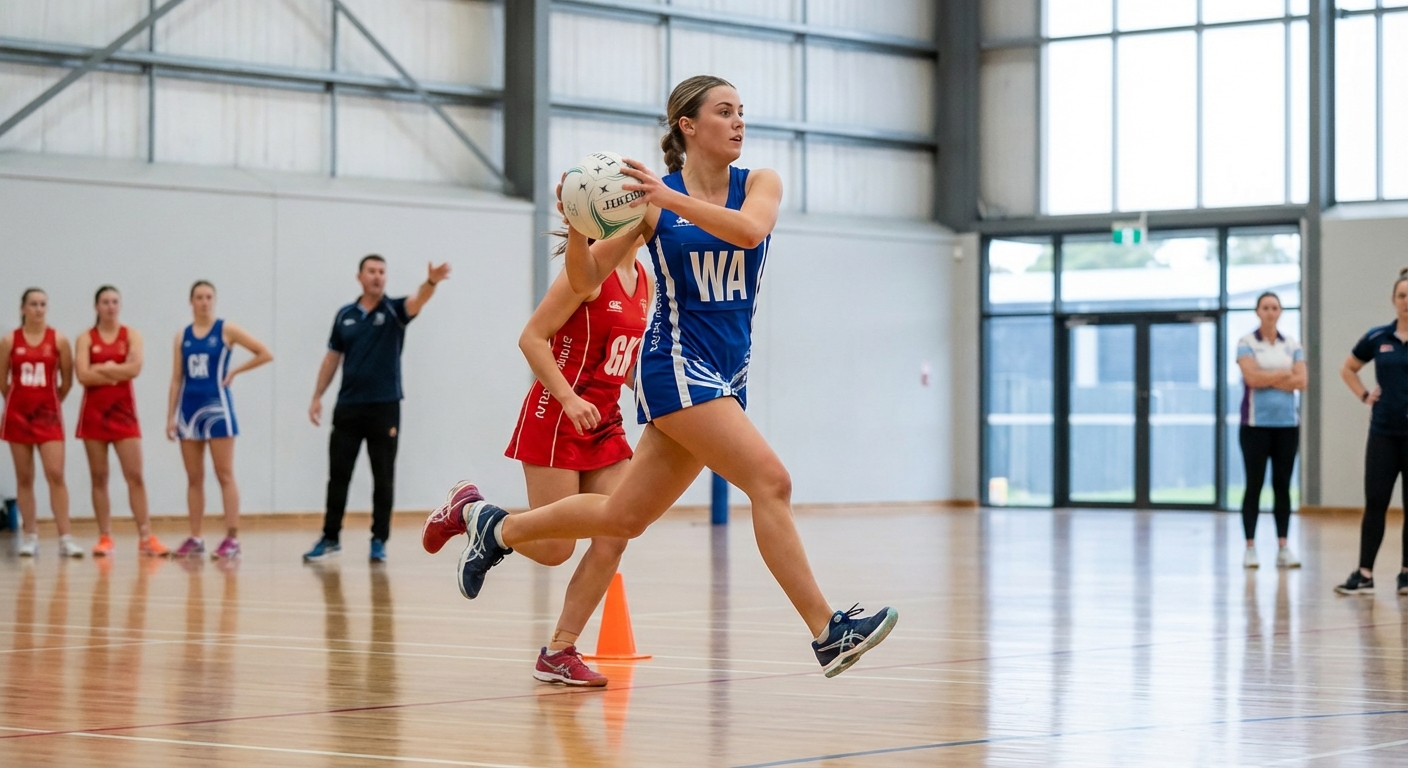
The Wing Attack is the critical link between midcourt possession and circle feeding. This masterclass breaks down the movement patterns, timing, and spatial awareness that separate elite WAs from the rest, with practical drills to develop these skills at every level.
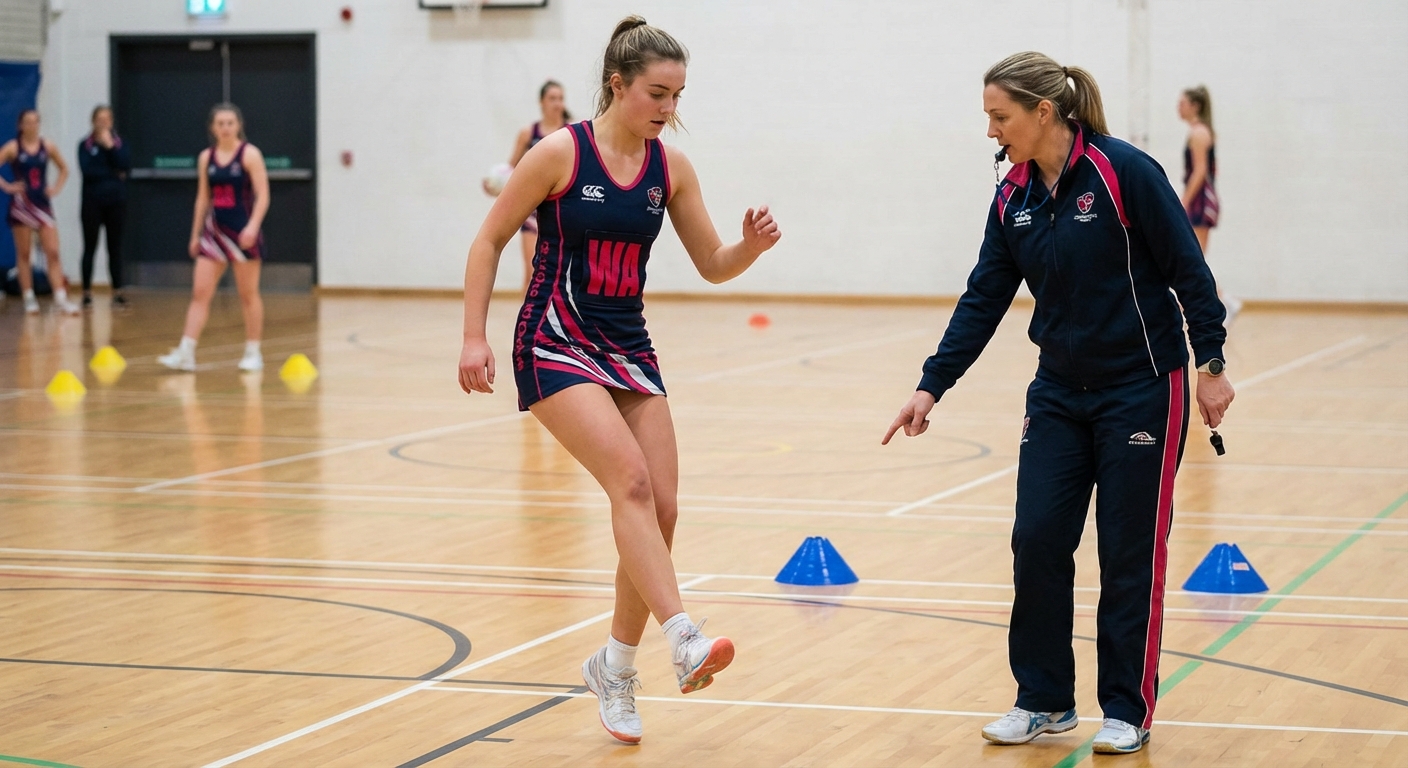
Footwork is the foundation of every skill in netball. This guide provides a clear explanation of the stepping rule, the mechanics of one-foot and two-foot landings, pivoting technique, and progressive drills to build footwork confidence from junior level upward.
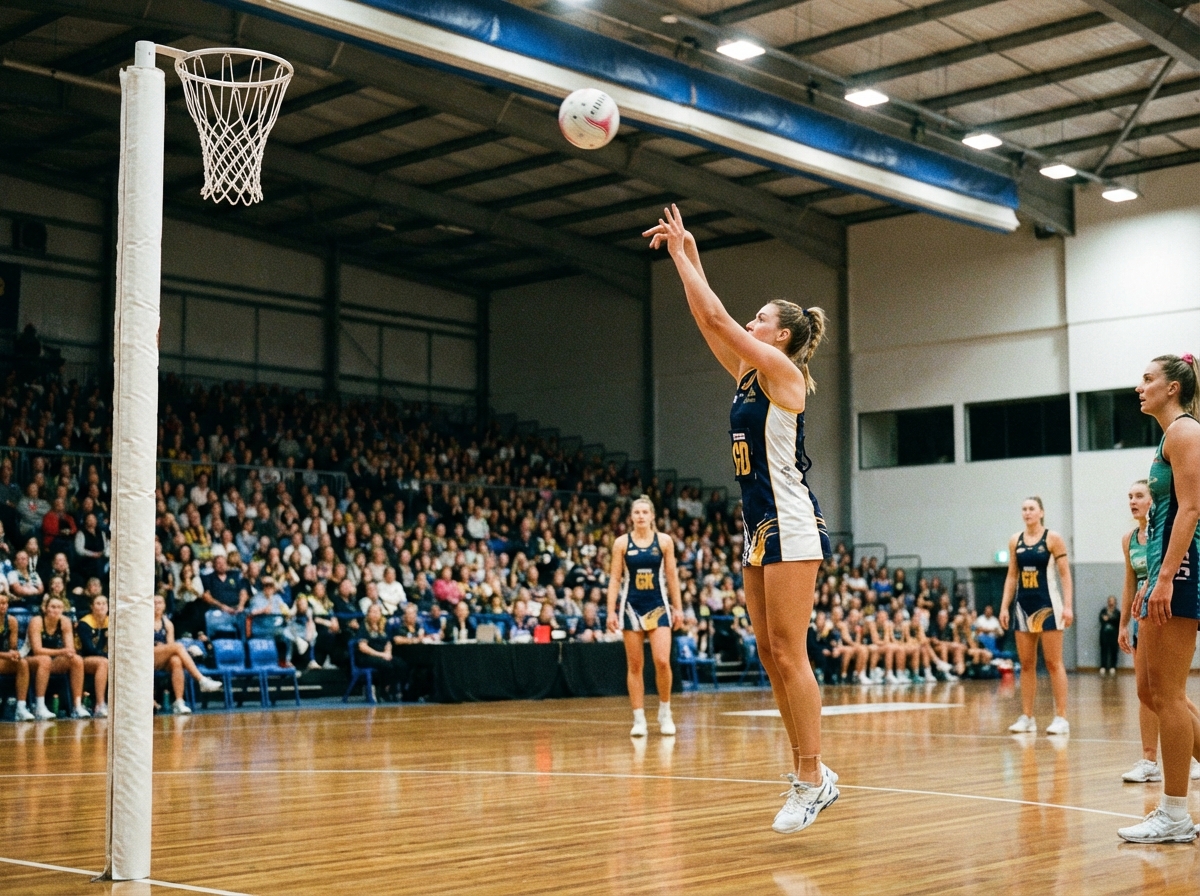
The early 'shoot from anywhere' era is over. Smart teams now use data-driven decision models to decide when the two-pointer is worth it.
Coaches from around the world look to Sportplan for coaching confidence.
I have thoroughly enjoyed using your site to help me with my coaching plans for my under 9's netball team.

I found this service to be excellent and it was of great help when planning my netball training sessions.

Sportplan is fantastic with all the various drills for every area of netball. My confidence as a coach has improved because I have Sportplan to support me.

Wow what a great website, I have found sportplan an important tool for me when planning my netball sessions with my netball team. There are alot of very helpful tips/ideas/skills that I can learn and teach to my team. Thank you sportplan I hope to continue to use your helpful tips and to learn more about improving my teams netball skills. Thanks again....keep it up....

I have been using Sportplan now for 3 years and can honestly say that I have never repeated the same session twice. My girls are always focused and are improving every year. Thanks Sportplan.
What a fantastic tool. The Chalkboard and session tools make an unbelievable difference in making training plans in both time and organization. I will be instructing all of my assistant coaches that this tool must be used for all sessions during the season, so that we may build a club coaching resource library.
I can't get enough of the Sportplan, It has given me back the enthusiasm i was starting to lose. My girls are so keen and are ready at 14 to take the next up in their game. Sportplan will help no end.