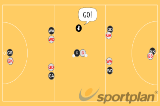
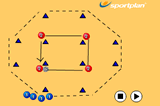
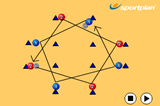
After players have made a pass they must then run to any cone on the outside of the court and touch it before re-joining the game.
Depending on the ability of your players, you can condition the game so the defenders must follow them to the cone.
Encourage players to think about which cone to run to and what affect that will have on the court space.
Also encourage them to consider the change in pace when running back into the game and to vary the angle at which they run back into the game (not always running directly at the ball which often happens).
Notes:
The idea behind this game variation is to encourage players to keep moving after they have made a pass, taking their marker with them, before sprinting back into the space they have created to recive the next pass.
Progression:
Remove the cones and the condition so players can now play the game normally.
Even though the condition in lifted, encourage players to vary their movement around the court and after each pass players should make a run away from play before sprinting back into to recieve a pass.
in more ways than one
 sportplan_netball

in more ways than one
sportplan_netball
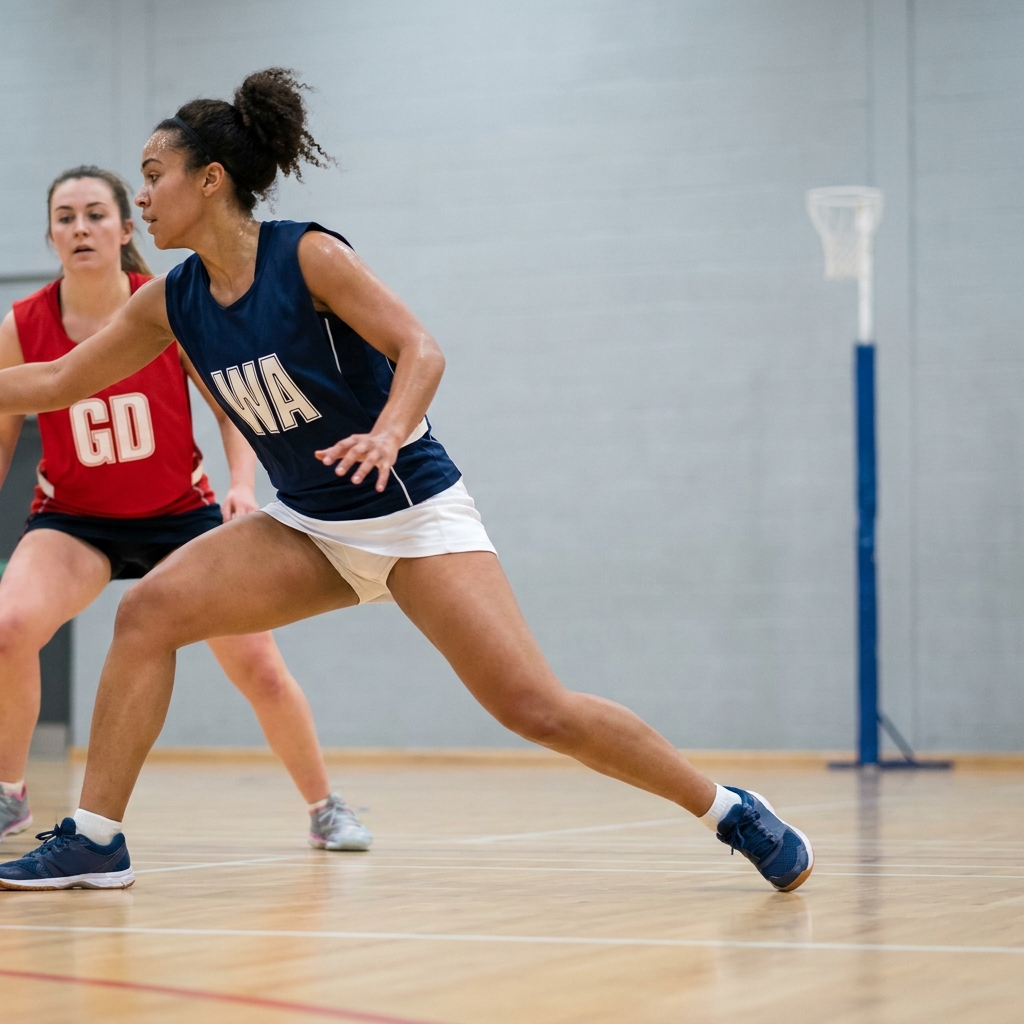
Tight markers win when attackers run in straight lines. Teach your players to dodge, change pace and time their drive so they get free when the ball is ready.
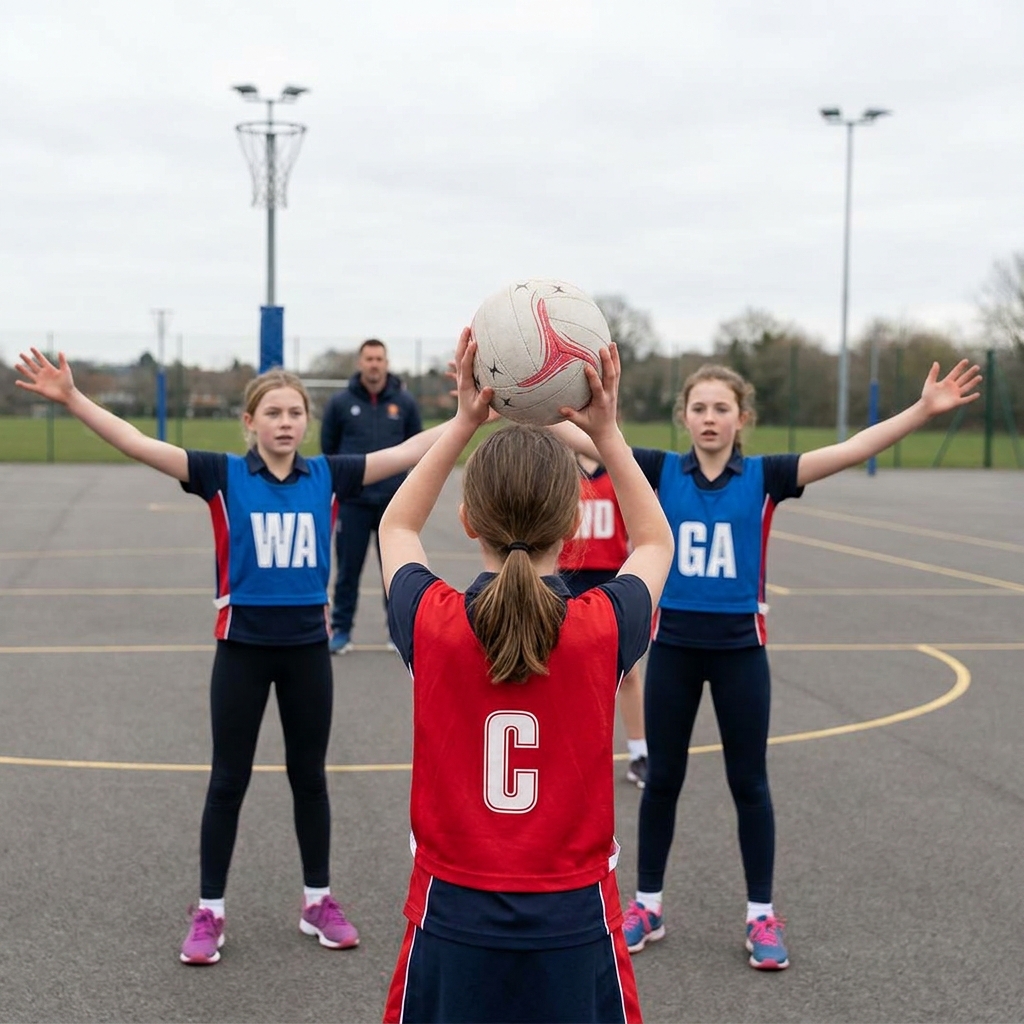
When everyone chases the ball, nobody is free. Teach your team to spread out, offer two options and clear space so the ball moves cleanly down court.
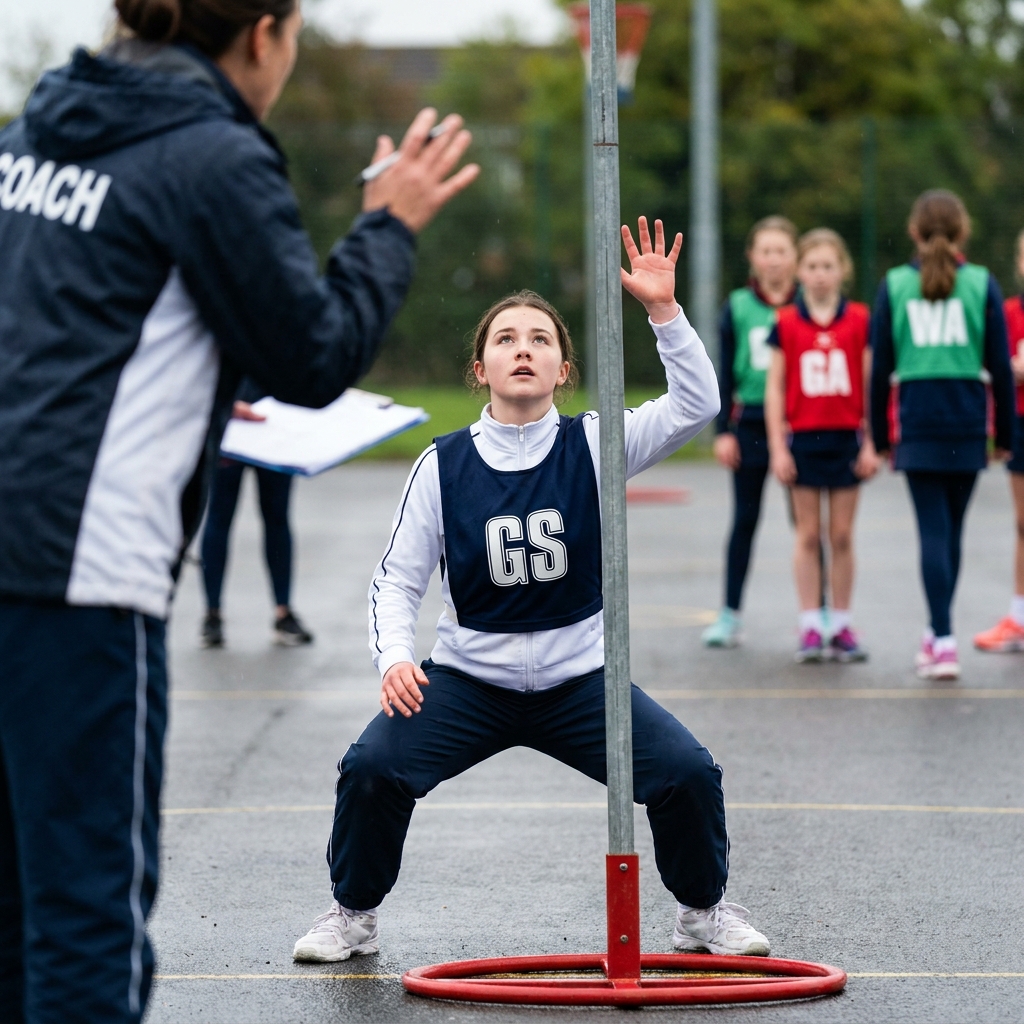
A shooter who can hold a strong position under the post is worth more than one who runs all over the circle. Here is how to coach body shape, a legal hold and a well-timed release, and how feeders make the most of it.