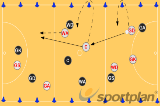
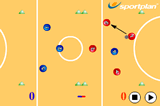
Both C players for each team start with a ball both in the centre circle facing the dirction they are shooting and the coach blows their whistle to start the game.
The game has 2 balls going at the same time.
Every time a goal is scored the GK takes a back line pass.
If a ball goes off the sideline normal rules apply
You may find a lot of the time there be two balls down one end, this is then where your centre court players should make a difference.
If a team intercepts/takes the ball they must try to get it to their shooters to score a goal.
When a goal is scored or goes off the backline the ball goes to the GK or GD for a backline throw in.
Coach to keep score of the game - extra players can score and umpire where needed.
Players need to demonstrate their peripheral vision when playing this game as it requires players to focus on more than one ball.
Players need to be driving onto the ball to lose ther opponent and take clear possession of the ball to increase their team's chances on goal.
The centre court players will be working the hardest as the balls should be moving quickly up and down the court - once the shooters have the ball the centre court players shoud be looking to take possession of the next ball.
Players need to communicate with another at all times and may even find it easier to work in pairs e.g. the GA and C and GS and WA so the shooters always have a supporting player on top of the circle.

in more ways than one
 sportplan_netball
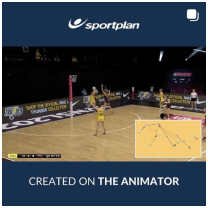

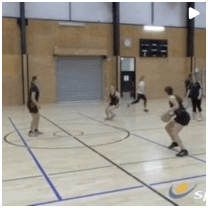
in more ways than one
sportplan_netball
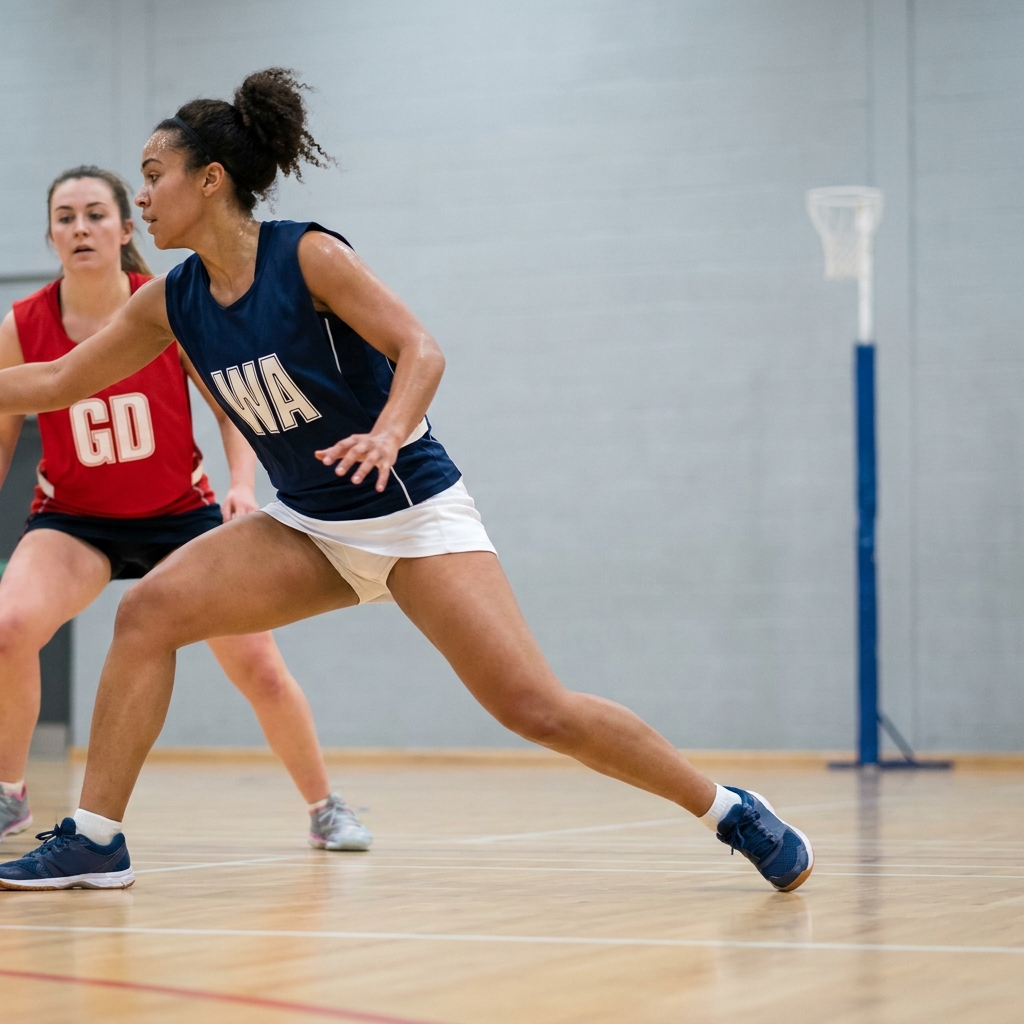
Tight markers win when attackers run in straight lines. Teach your players to dodge, change pace and time their drive so they get free when the ball is ready.
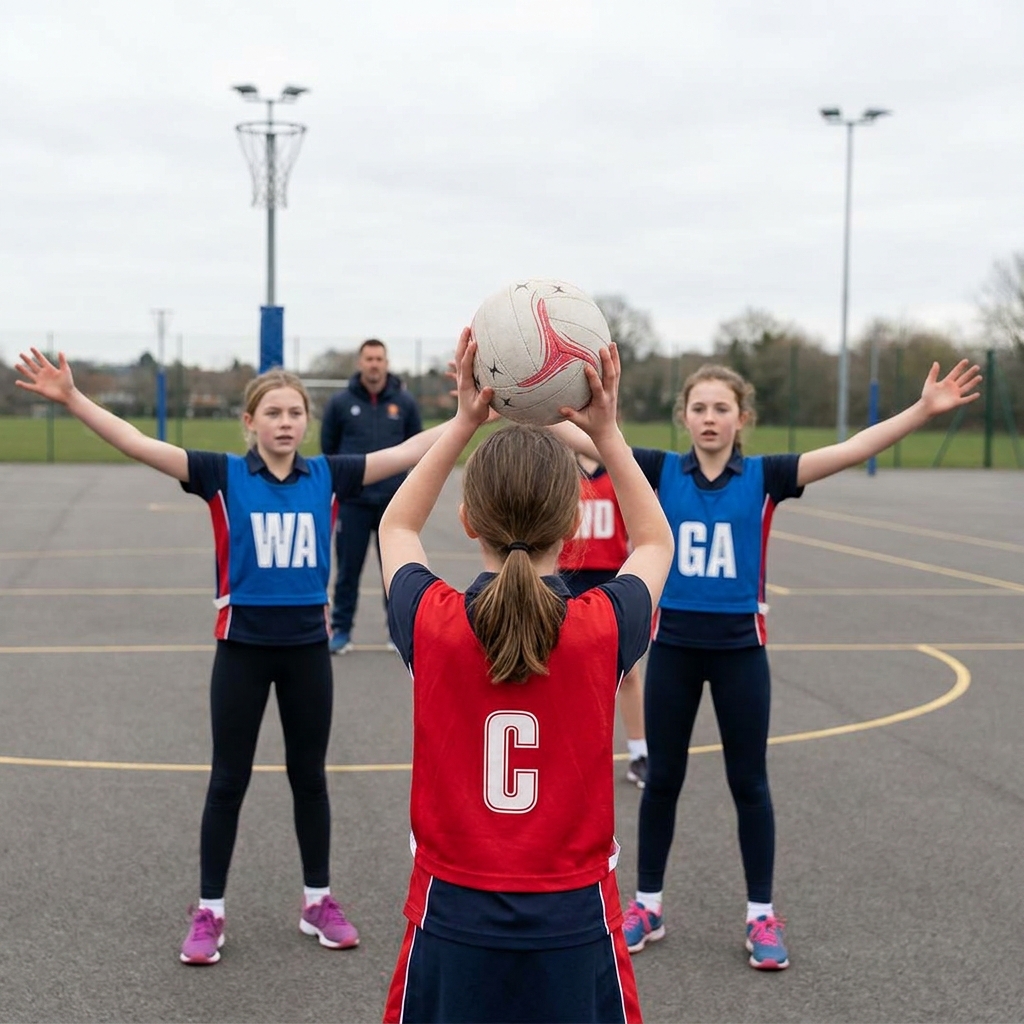
When everyone chases the ball, nobody is free. Teach your team to spread out, offer two options and clear space so the ball moves cleanly down court.
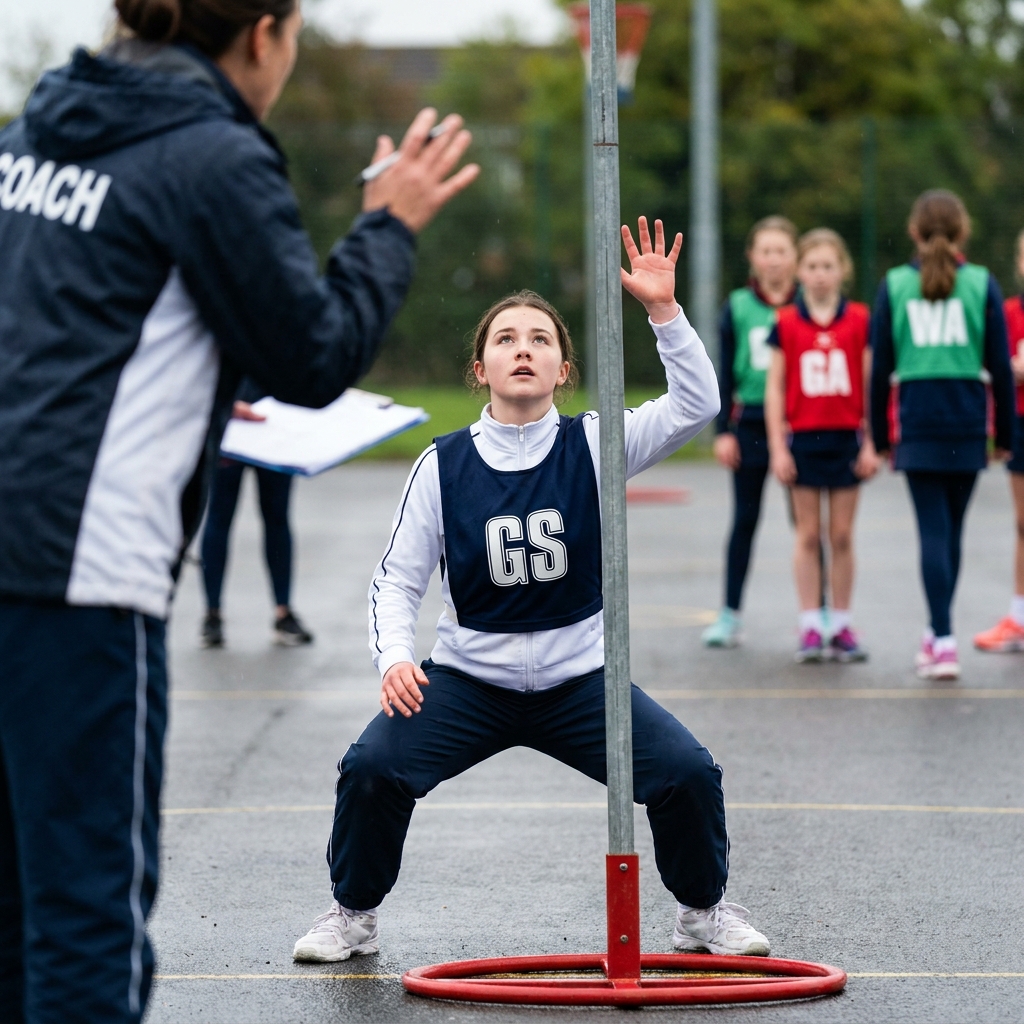
A shooter who can hold a strong position under the post is worth more than one who runs all over the circle. Here is how to coach body shape, a legal hold and a well-timed release, and how feeders make the most of it.