











Excellent drills, very detailed videos. Useful site for my U15 boys team.

(Question submitted by email) I'll be coaching a new team over the next few months. What skills should I use to take them to the next level? Any suggestions?

I coach aged 7 children and I don't know how to teach them how to play a proper hockey match without all of them going for the ball and not staying in their positions. Do I put lines where they are not allowed to pass? or what?

Hi all,I coach a school boys teams, ages 12-18.Late last season after a disappointing loss, one of the younger boys made the comment 'Its all xxxx's fault that we lost'. This was made at the end of the game while I was packing away our gear and most, but not all, of the boys had already departed. XXXX wasn't there to hear the comment. Being dumbfounded by this comment, I let it go at the time and have stewed on it during the our off season. I'm of the opinion that this type of comment is unacceptable and should result in disciplinary action of some kind. My thinking at the moment is that I would be remove the player from the game ( if made during the game, even if it leaves us short), pass them on to the school for whatever punishment is deemed appropriate with a request to remove them from the team. Am I being too harsh or unreasonable in my thinking? Are there any strategies that I could employ to stop this kind of commentary? I'm going to discuss it with the school when we get back together before the season starts.
hockey warm up basic equipment 5 mins
Hey guys how long should you spend on warm ups, dyamic stretches and specific hockey drills. First time coach of XI girls. I have played before at Prem level snd Representative 17 years ago back then 10-15m warm up etc . Your thoughts anyone Thanks Ann Asked using Sportplan Mobile App
I'm new to coaching and i'm coaching a team that barely knows how to even hold a stick properly. Where can i start with improving there skills and hockey kowledge ?
I have to teach a group of kids hockey which i dont know anything about myself. Im planning to do a warm up, driils/skills and a game of hockey but was wondering if anyone has some ideas of what works well with kids aged 8-10
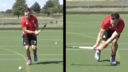
In field hockey, how do you hit a tomahawk flat and accurately?
I want video regarding diagonally passing in field hockey
hockey warm up basic equipment 5 mins
I'm new to coaching and i'm coaching a team that barely knows how to even hold a stick properly. Where can i start with improving there skills and hockey kowledge ?

in more ways than one
 sportplan_hockey




A few weeks into the league season, poor first touches are costing teams the ball. Coach body shape, scanning and receiving on the move to keep possession.

Pre-season fitness fades fast once the league starts. Build conditioning into ball work and use rolling subs well to keep your squad sharp all season.

The first weeks of the season decide whether a junior or new player sticks with adult hockey. Here is how to keep them safe, give them a clear job and build their confidence from the very first bully.
Coaches from around the world look to Sportplan for coaching confidence.
Excellent drills, very detailed videos. Useful site for my U15 boys team.

I love using Sportplan. It's been a great help for co-ordinating hockey practice and being able to help tweak skills and getting the most out of my players!

Great site. An absolute must for coaches who are willing to change and learn new drills. Superb, simply superb.

Wow what a great website, I have found sportplan an important tool for me when planning my netball sessions with my netball team. There are alot of very helpful tips/ideas/skills that I can learn and teach to my team. Thank you sportplan I hope to continue to use your helpful tips and to learn more about improving my teams netball skills. Thanks again....keep it up....

I have been using Sportplan now for 3 years and can honestly say that I have never repeated the same session twice. My girls are always focused and are improving every year. Thanks Sportplan.
What a fantastic tool. The Chalkboard and session tools make an unbelievable difference in making training plans in both time and organization. I will be instructing all of my assistant coaches that this tool must be used for all sessions during the season, so that we may build a club coaching resource library.
I can't get enough of the Sportplan, It has given me back the enthusiasm i was starting to lose. My girls are so keen and are ready at 14 to take the next up in their game. Sportplan will help no end.



