I have thoroughly enjoyed using your site to help me with my coaching plans for my under 9's netball team.

Do you have any good drills to help prevent contact?

My WD asked me how she defend better around the circle does anyone have any ideas that may help with this...thanks
How do you teach circle defenders how to handle defending both shooters when GD or GK is out of play outside the cirlce?
hi i jut started playing GK for a local netball team and i am struggling abit, im not sure on what i can and cant do, ie jumping and waving my arms etc plz help
I am coaching U/9 team that has just started this season. We have just recruited another girl and so now we have 9 children playing. I want to give everyone an opportunity to play different positions, without confusing them! How can I rotate the positions to give 8 players a quarter off without disrupting the team too much?
The 163cm defender is great against regular height girls her age (ie 13) but I need some help with the tall girls (185 cm +). She jumps really well and is constantly with the player. She reads the play well but it is almost soul destroying to see the opposition lob the ball into the tall girl who stands and waits for the shot.

We played last night and at least 4 or 5 times during the match we were blown for contact. This was when a player had received the ball and turned at speed to make a quick pass. But because the opponent was man on, the player with the ball accidentally knocked into her with the ball. Our captain questioned this and was told that the player with the ball had to allow the opponent to get her distance before turning to feed the ball. This was so frustrating as we had to slow our game right down. Is this a new rule because we have never come across this before?

We have two tall goalkeepers which hold the space, does anyone have a game plan which suit two keepers who play similar games? They lack footwork and movement, and this needs improving!
We are playing in n a grand final this week and the opposition has a very tall GS and holds very well. I am thinking of getting my defences to double team her but wanting to know best way to teach this & also what's the best way of stopping the GA (just getting WD & c to try & block her getting in the ring) any thoughts on best way to beat a tall shooter. The girls are 13 but played a lot of netball. Thanks
How do you get the Goal Defence staying with the Goal Attack, especially when the Goal Attack drops down behind the Goal Defence and gets the ball all the time in the Goal Circle?How do you get the Defence in the Goal Circle to rebound and how do you get the Goal Shooters following their shot and rebound?
Defending a lob into the goal circle
Is there a session plan for the above, if not can you make some suggestions
How can I improve me sticking to my partner and looking for the ball at the same time? and Any tips for defending in the circle.
I need a high performance training session for netball players. Can you assist?
I am a wing attack and don't now how to intercept
what are the best ways for WD and C to effectively defend on the circle
My WD asked me how she defend better around the circle does anyone have any ideas that may help with this...thanks
I was playing GS today and marked by a very tall GK. As I was watching the ball come forward, I moved to the top of the D but she didn't stay with me and remained behind me. I couldn't see her and was unsure if I should stay close to her to be aware of where I could move, or to just move where I wanted. My back was turned to her as I was facing where the ball was, should I be side on to see her in my peripheral vision but not stay with her, or should I keep marking her to hold her then come forward when appropriate? I would be grateful for any advice, thank you,
My WD has worked hard on getting her placement so when the ball is feeding into the circle, she is keeping her WA away and to the side, generally the WA is fed an overhead ball heading towards the the back corner. The WD knows what pass is coming, and it's placement, she feels confident she could challenge more, so need some drills to practise holding her player, but then moving round her opponent at the last moment to try and go for the ball as well as holding.
What is the best way to defend the shooter who after faking a shot turns to WA or c on circle edge, passes out, takes a step nearer to the post and receives return pass either once or several times?
in more ways than one
 sportplan_netball
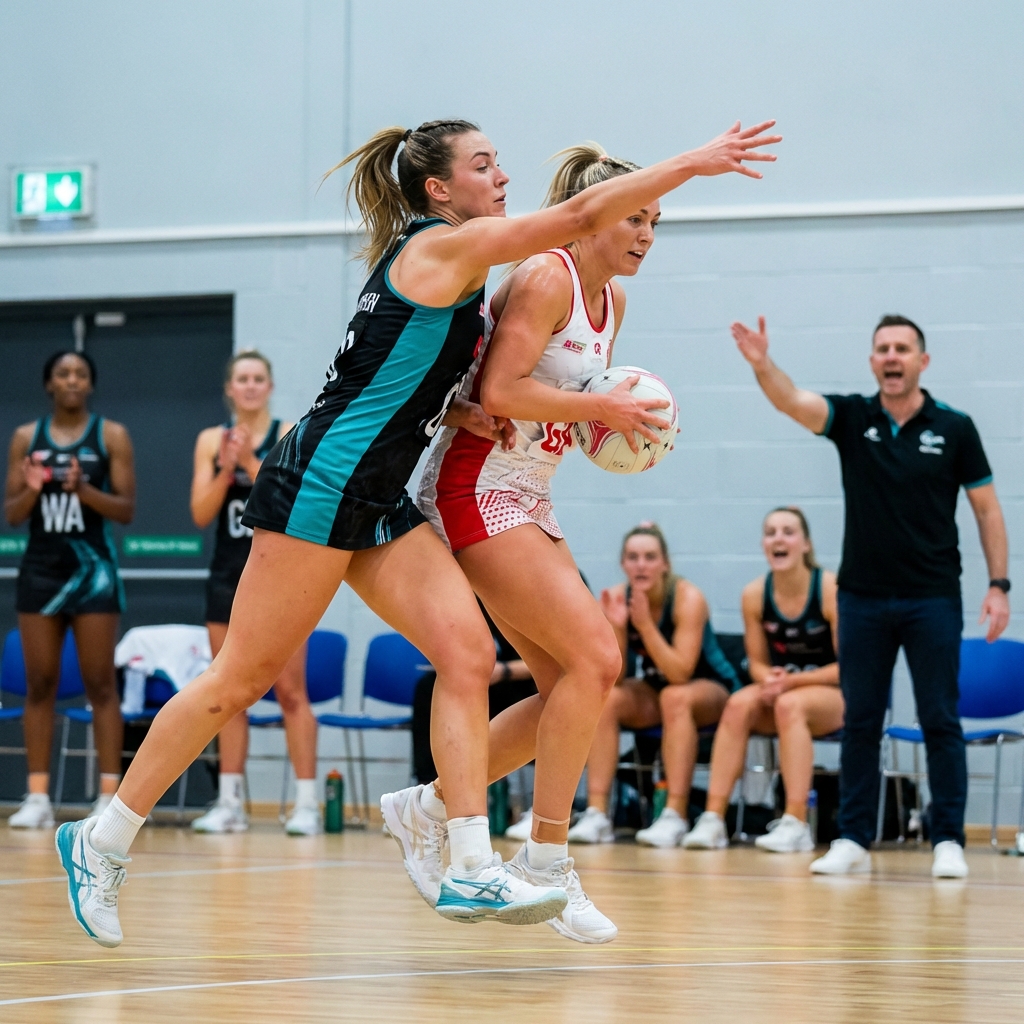
No more 50/50 toss-ups. When simultaneous infringements occur, possession now goes to the team that last had the ball. Here's what it means for your coaching.
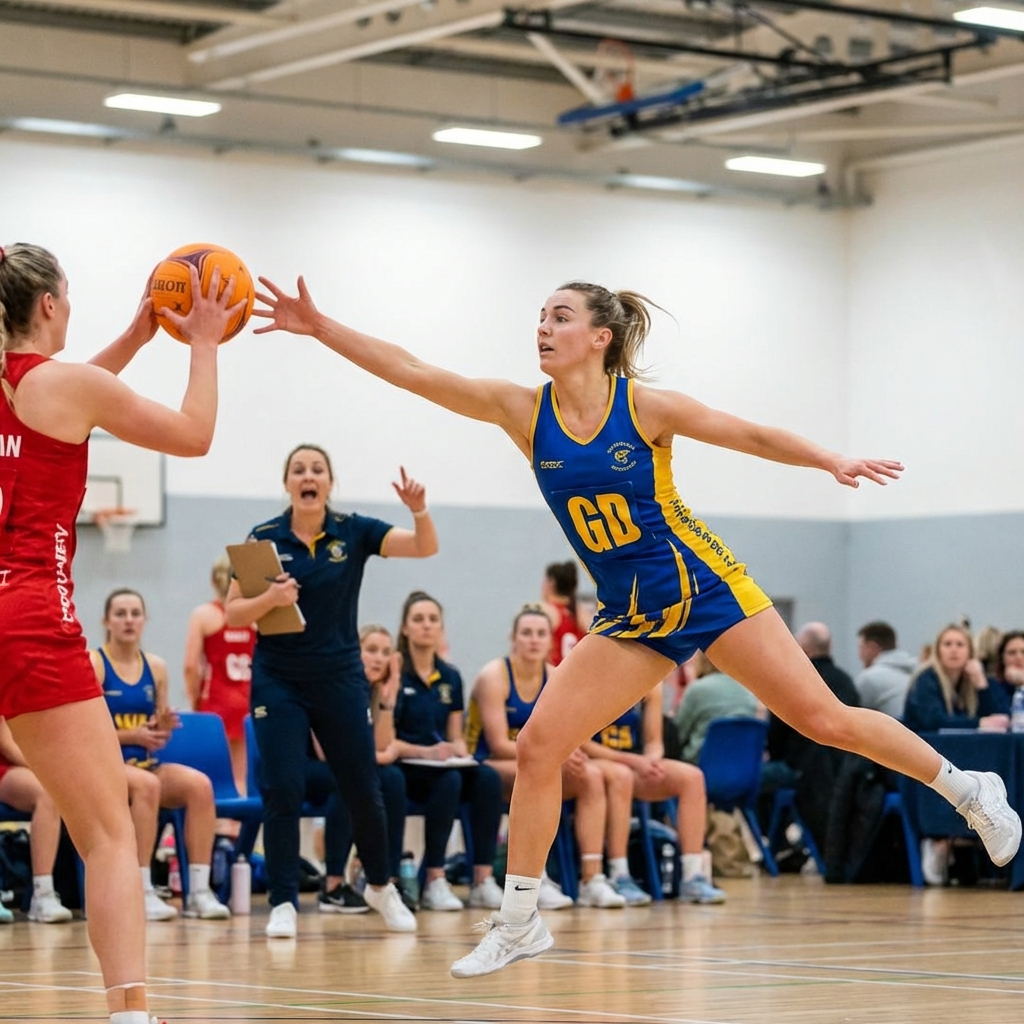
Train your defenders to win clean turnovers, not just disrupt. The difference between good defenders and great ones is taking the ball, not just touching it.
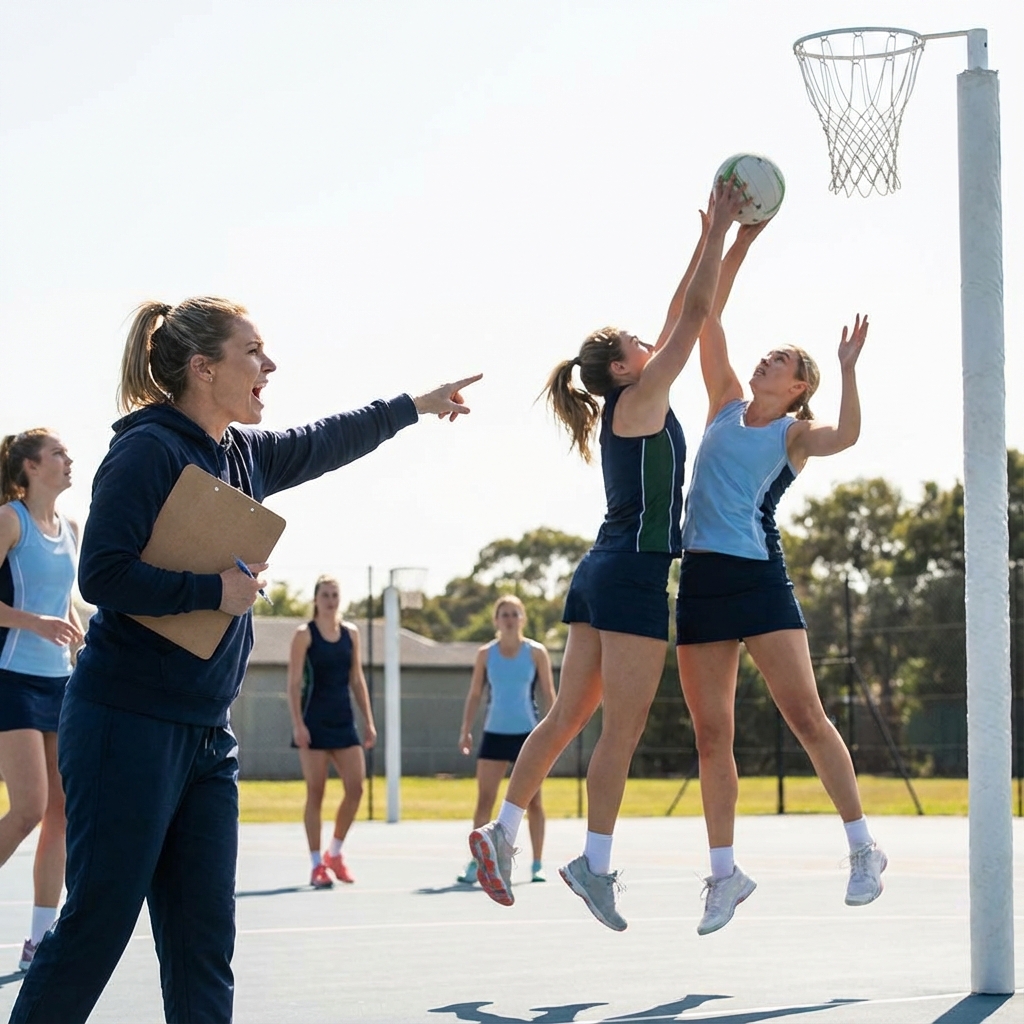
Netball is experiencing unprecedented growth, with record viewership, evolving rules, and professional leagues expanding worldwide. Here's what 2026 brings for our sport.
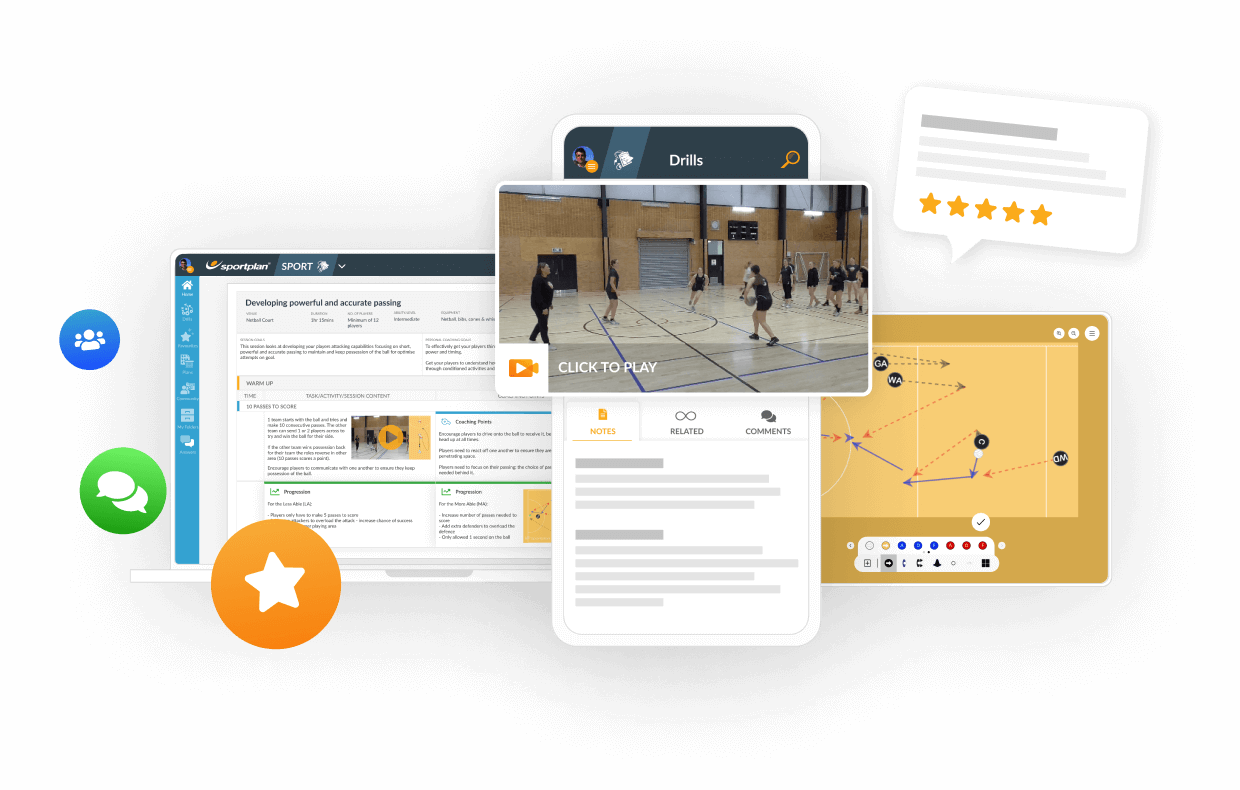
Coaches from around the world look to Sportplan for coaching confidence.
I have thoroughly enjoyed using your site to help me with my coaching plans for my under 9's netball team.

I found this service to be excellent and it was of great help when planning my netball training sessions.

Sportplan is fantastic with all the various drills for every area of netball. My confidence as a coach has improved because I have Sportplan to support me.

Wow what a great website, I have found sportplan an important tool for me when planning my netball sessions with my netball team. There are alot of very helpful tips/ideas/skills that I can learn and teach to my team. Thank you sportplan I hope to continue to use your helpful tips and to learn more about improving my teams netball skills. Thanks again....keep it up....

I have been using Sportplan now for 3 years and can honestly say that I have never repeated the same session twice. My girls are always focused and are improving every year. Thanks Sportplan.
What a fantastic tool. The Chalkboard and session tools make an unbelievable difference in making training plans in both time and organization. I will be instructing all of my assistant coaches that this tool must be used for all sessions during the season, so that we may build a club coaching resource library.
I can't get enough of the Sportplan, It has given me back the enthusiasm i was starting to lose. My girls are so keen and are ready at 14 to take the next up in their game. Sportplan will help no end.