helping the WD around the circle
My WD asked me how she defend better around the circle does anyone have any ideas that may help with this...thanks


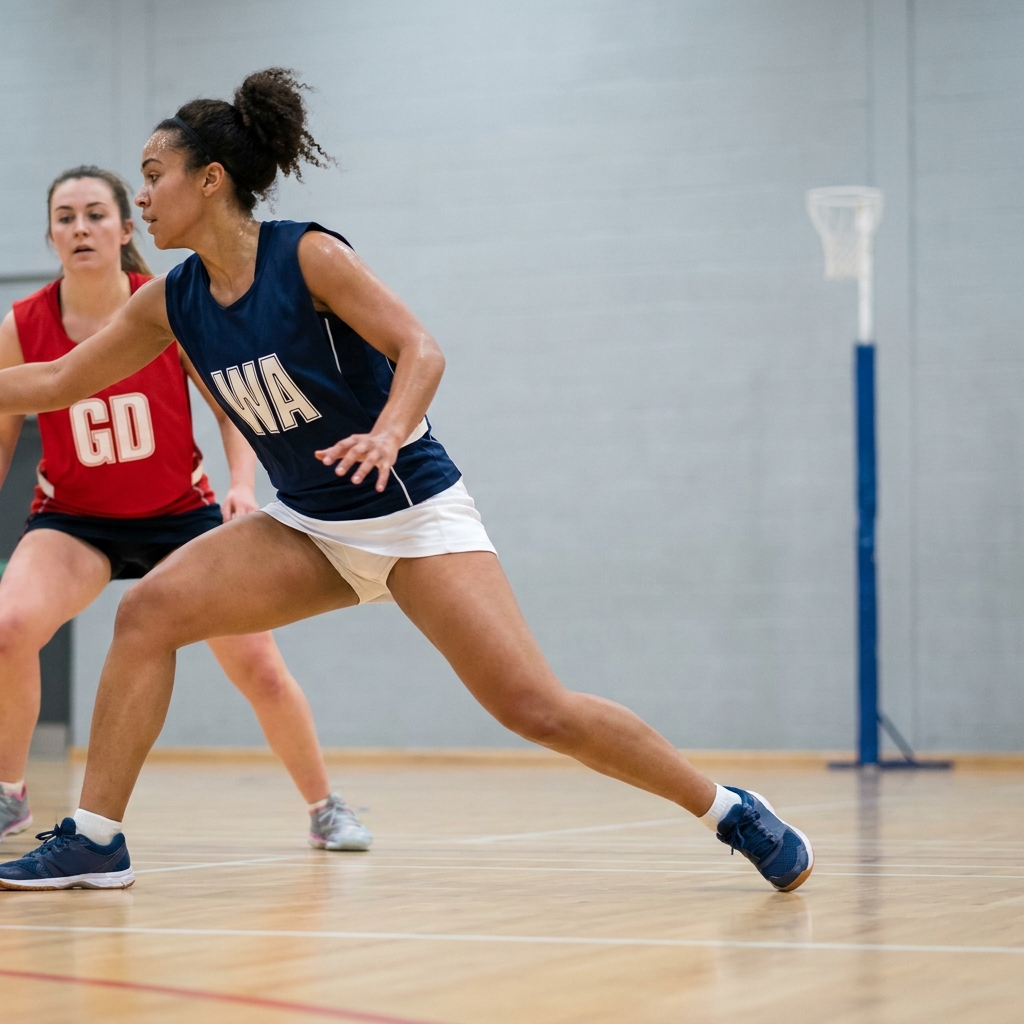
Defending around the circle is quite difficult given that when you have the correct distance the curve means you can't do much. However, there are some things that a WD/C can do to defend around the circle.1%3A Try to take an intercept. this involves sticking close to the player and trying to deflect any passes that may come out to them using the outside arm. If your WD is athletic they can try to take an intercept by jumping over the ofside area, however this rarely works but is used by players who are willing to put their bodies on the line in the hope of getting a contact call against the offense or an offside call which will give their team mates in the circle time to position for the next pass. My hometown doesn't see much of this as we play on ashfelt tar like surfaces that do not encourage hitting the deck so I shall assume that may not be helpful2%3A Defend the space. Stick on their opposing WA/C so that they cannot move to gain a better position around the circle in an attempt to i) force a bad pass or ii) force their opponent offside.There are probably many people who can give you better advise than me but I thought I would make a start to the thread. I hope that this made some form of sense.Caitlin
Defending around the circle is quite difficult given that when you have the correct distance the curve means you can't do much. However, there are some things that a WD/C can do to defend around the circle.1%3A Try to take an intercept. this involves sticking close to the player and trying to deflect any passes that may come out to them using the outside arm. If your WD is athletic they can try to take an intercept by jumping over the ofside area, however this rarely works but is used by players who are willing to put their bodies on the line in the hope of getting a contact call against the offense or an offside call which will give their team mates in the circle time to position for the next pass. My hometown doesn't see much of this as we play on ashfelt tar like surfaces that do not encourage hitting the deck so I shall assume that may not be helpful2%3A Defend the space. Stick on their opposing WA/C so that they cannot move to gain a better position around the circle in an attempt to i) force a bad pass or ii) force their opponent offside.There are probably many people who can give you better advise than me but I thought I would make a start to the thread. I hope that this made some form of sense.Caitlin
Before a player can defend successfully around the circle edge they must work on their core body strength. this involves the muscles that are through the mid region and in the deeper layer of muscles. With good core body strength players can then jump, intercept, have a longer reach (for ball)move quickly around a player and have success at this very difficult skill. to have more success while defending on the circle edge you should also encourage players to promote high/long ball that can be easily intercepted due to the length of time it is in the air and higher possibility of error in placement of pass.

 sportplan_netball