The Coaching Problem
Your defenders work hard. They pressure, they reach, they contest. But at the end of the game, they've created chaos without winning the ball. The attacking team was uncomfortable but still scored.
Disruption is good; interception is better. The best defenders don't just make catching difficult - they take the ball cleanly and start the counter-attack. That's what we need to train.

The Difference Between Disruption and Interception
Disruption
Getting a hand in, tipping passes, making catches awkward. The ball is still with the opposition, but you've made their job harder. This has value - it causes errors and slows attacks.
Interception
Taking the ball cleanly before the attacker can secure it. Possession changes. Your team now attacks. This is the gold standard of defending.
Why Interception Matters More
A disruption might lead to an error. An interception guarantees a turnover. With the simultaneous infringement rule changes, disruption that results in shared contact now favours the attacker. Clean takes are essential.
Building the Complete Defender
1. Reading the Pass Before It's Thrown
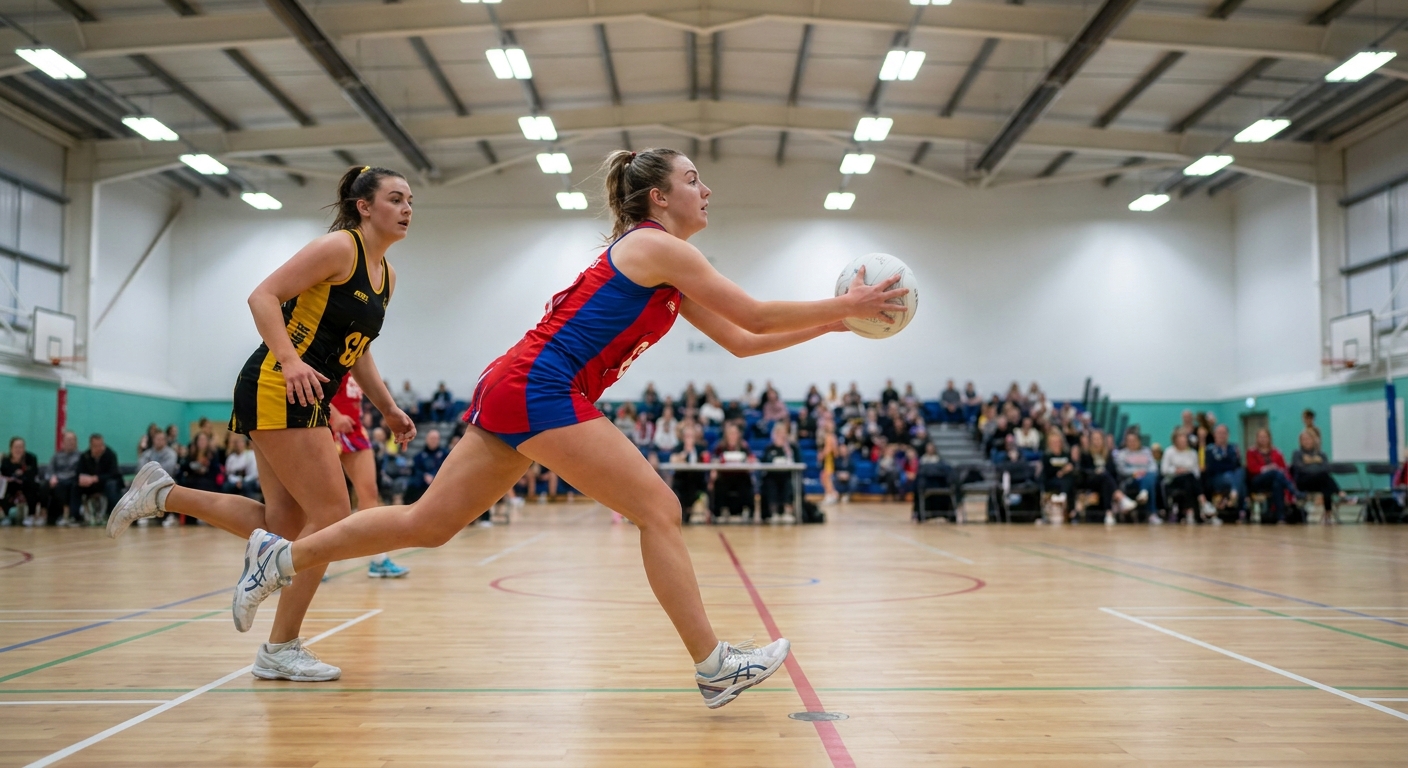
Elite defenders watch the thrower, not the intended receiver. Body shape, eyes, and weight transfer telegraph the pass before it leaves the hands. Train your defenders to read these cues.
2. Timing the Jump
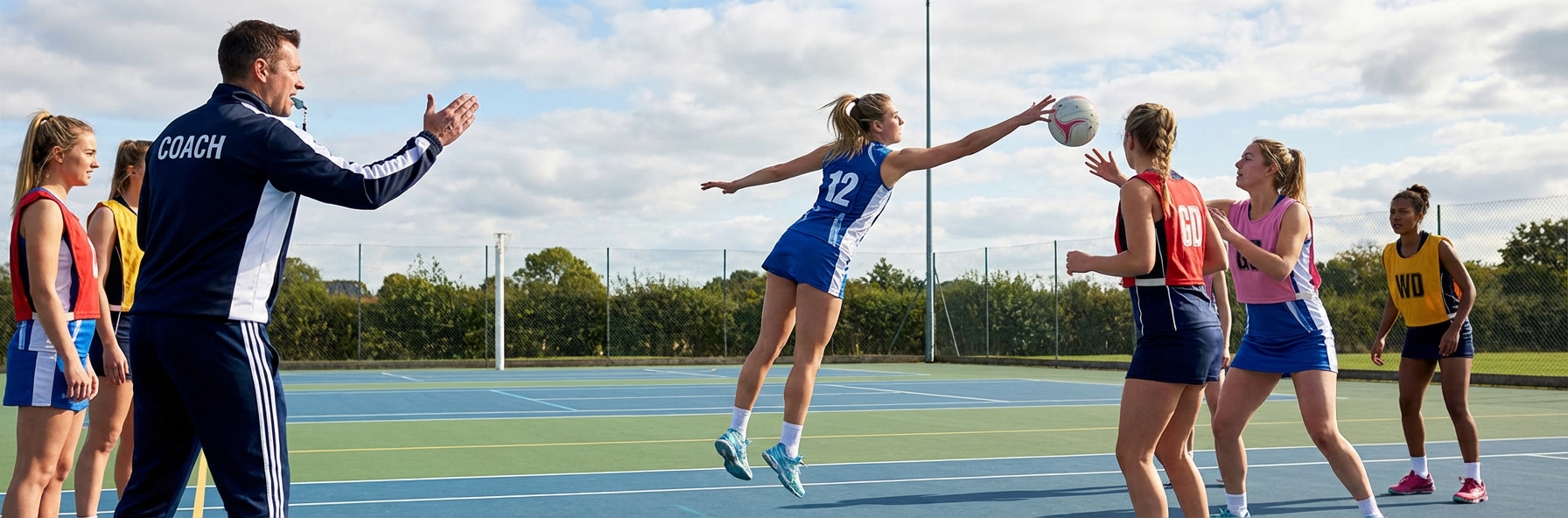
Most intercepts happen in the air. The timing of the jump determines success. Too early and you land before the ball arrives; too late and it's past you. Practice until the timing is instinctive.
3. Two-Handed Takes vs Taps
A two-handed catch is secure. A tap or deflection might go anywhere - often back to an attacker. Train defenders to commit to the catch, not settle for contact.
4. Landing and Transition
The interception isn't complete until the ball is secured and you're balanced to pass. Many potential intercepts become fumbles or footwork violations. Train the whole sequence.

5 Progressive Drills for Clean Ball Wins
1. Shadow Reading
Defender watches a thrower (no receiver present) and calls "NOW" when they would jump to intercept. Thrower confirms if timing was correct. Builds reading skills without physical contest.
2. Static Triangle
Thrower, receiver, and defender in fixed positions. The defender knows where the pass is going and must intercept cleanly. Success rate should be 70%+ before progressing.
3. Moving Triangle
Same setup but the receiver can move to create angles. Defender must read movement and timing together. Adds decision-making complexity.
4. Competitive 1v1
Realistic contest where both attacker and defender are active. Award 3 points for a clean interception, 1 point for a disruption that causes a dropped ball, 0 for a successful catch. Defenders aim for interceptions, not disruptions.
5. Game Scenario
Full court play where interceptions earn bonus points. Track interceptions separately from turnovers caused by errors. Celebrate clean takes, not just successful defensive outcomes.
Recommended Drills


The Mental Side
Patience
Not every ball can be intercepted. Great defenders pick their moments. Chasing every pass leads to being out of position when the real opportunity comes.
Anticipation Over Reaction
If you're reacting to the pass, you're already late. Train defenders to anticipate based on game patterns, not just respond to what they see.
Confidence to Commit
Half-hearted interception attempts fail. When you go, go fully. Train the commitment that turns potential intercepts into actual takes.
Frequently Asked Questions
Should defenders always go for the intercept?
No. Pick opportunities where the chance of a clean take is high. Chasing low-percentage intercepts leaves you out of position. Sometimes pressure and recovery is smarter than a failed intercept attempt.
How do I train anticipation?
Video analysis helps - show defenders passing patterns and have them predict where the next pass will go. In training, use drills where defenders must call "NOW" before the pass is thrown to demonstrate they've read the play.
When should a defender tap rather than catch?
Almost never. A tap might go anywhere. If you can reach the ball, you can usually catch it. Train for takes, not tips. The only exception is when you genuinely can't get two hands on it and a tap to a teammate is the best option.
How do I build confidence in young defenders?
Start with drills where they succeed 70-80% of the time. Build confidence through success, then gradually increase difficulty. A confident defender commits fully; a hesitant one half-commits and fails.
 sportplan_netball