

I have thoroughly enjoyed using your site to help me with my coaching plans for my under 9's netball team.

Does anyone have a drill to encourage under 11's to come forward for a pass rather than asking for the overhead pass all the time as they are 'running away' from the ball in their haste to get to the circle?

I have just started coaching an under 11 team and don't quite know where to start. I have a some girls who have never and others who started last year. I have limited time before each game to do training. Does anyone have some suggestions on where I should start? There seems to be so many things they need to learn and not enough time to teach them.
How do you get under 11's to come forward for the ball and not to call for the ball when they have a player on them?
How do I stop my players from stepping?
how do u teach 8yr olds every part of the game that don't know anything about the game

Hello. I am a 14 year old girl. I have never umpired before, and i am expected to umpire this weekend. I will be starting on 10-12 year olds. As you can see i dont have much experience at umpiring and i am pretty nervous that im going to stuff up or call the wrong award for the infringment that occured. I have read the Netball Australia umpiring book but some of the words are too fomral for my liking, i dont quiet undertsand. ANY TIPS PLEASE?!
how to explain to 10/11yr olds to play there own game and not the other teams. i coach a great team who work fantastic together and have been going awesome this year. however they came up against a team on saturday that are still learning the game and the rules ( so there was alot of stepping, contact, and chaos on the court). my girls then started playing a very chaotic game and then making alot of silly mistakes. i said to the girls during the break that they need to play there own game and not the other teams game but i dont think they understood what i meant. does anyone know how i can explain to the girls that they need to play our own game and not there game? thanks
If you pivot on the ball of your foot and then your heel is this a legal move?
My centre was penalised for stepping in the centre circle - she took her centre stance and after the whistle was blown she stepped out with one foot. I didnt think a centre had a 'landing foot' at a centre pass, providing both feet are in the circle when the whistle blows, but the umpire said when she returned to the circle she put her left foot in first so that became her landing foot even though play had not been started. I told her just to stay in the circle but I would like to know if the umpire was correct or if she had it wrong
I would like to do a fun session with my 17 year old as we are at the bottom of the ladder and will not make finals now.
Hi all, My daughter is about to start coaching for the first time and it's expected she'll have a group of 10 years olds in C or D grade. I'm struggling to remember what her capabilities were at that age and she's looking for some suggestions for drills to start off with until she gets a handle on where they're at. Is anyone currently working with kids around that age/ability bracket? Does anyone know if any of the weekly drills are aimed at beginners/introductory levels? From the ones I'm seen, they're aimed at an intermediate level so I'm assuming some of the games would be OK, but most of the drills would be beyond their capability.Thanks in advance.
Hi, two of my 13 year old players are constantly stepping. I have tried drills, with the landing on their outside foot, both feet and even put a coin in one of their shoes, so they can tell which one they landed on but they still step. Any suggestions? Thanks
Good day. I would like some clarity regarding transverse lines. Are players allowed or how far are players allowed to step on or stand on transverse lines during play or at goal circles and at centre passes. Please some controversy regarding this rule.
Is pivoting from heel to toe and vide versa stepping? Asked using Sportplan Mobile App

Say I have been called up for obstruction in the circle and the shooter then has the ball and moves to the space where the umpire has said. I was standing where I believed the infringement occured but the umpire told me to move up with the player. Am I allowed to stay where I was or do I have to step up as well? ( She was literally a step infront of me ) Asked using Sportplan Mobile App
When is it an offence to drag the feet?
Are shooters still allowed to take a step in (grounding both feet) when a penalty pass or shot is awarded or has this rule been superseded?
My centre was penalised for stepping in the centre circle - she took her centre stance and after the whistle was blown she stepped out with one foot. I didnt think a centre had a 'landing foot' at a centre pass, providing both feet are in the circle when the whistle blows, but the umpire said when she returned to the circle she put her left foot in first so that became her landing foot even though play had not been started. I told her just to stay in the circle but I would like to know if the umpire was correct or if she had it wrong
If the defender has her 3ft against the shooter and the shooter then takes a step back is the defender allowed to move in a bit or stay where they are? Asked using Sportplan Mobile App
If you pivot on the ball of your foot and then your heel is this a legal move?
in more ways than one
 sportplan_netball

The early 'shoot from anywhere' era is over. Smart teams now use data-driven decision models to decide when the two-pointer is worth it.
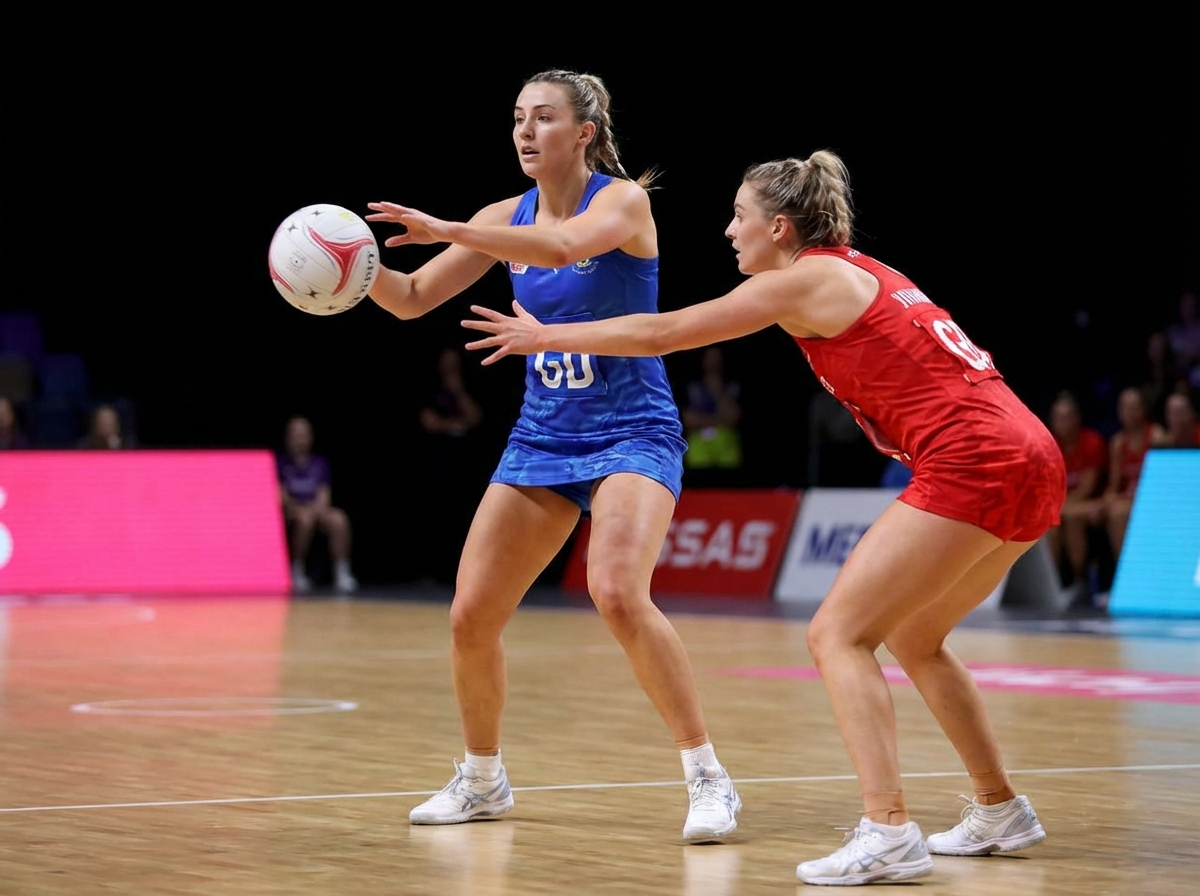
The short pass is being penalised more consistently in 2026. Here's how to train proper passing technique and eliminate hand-offs under pressure.
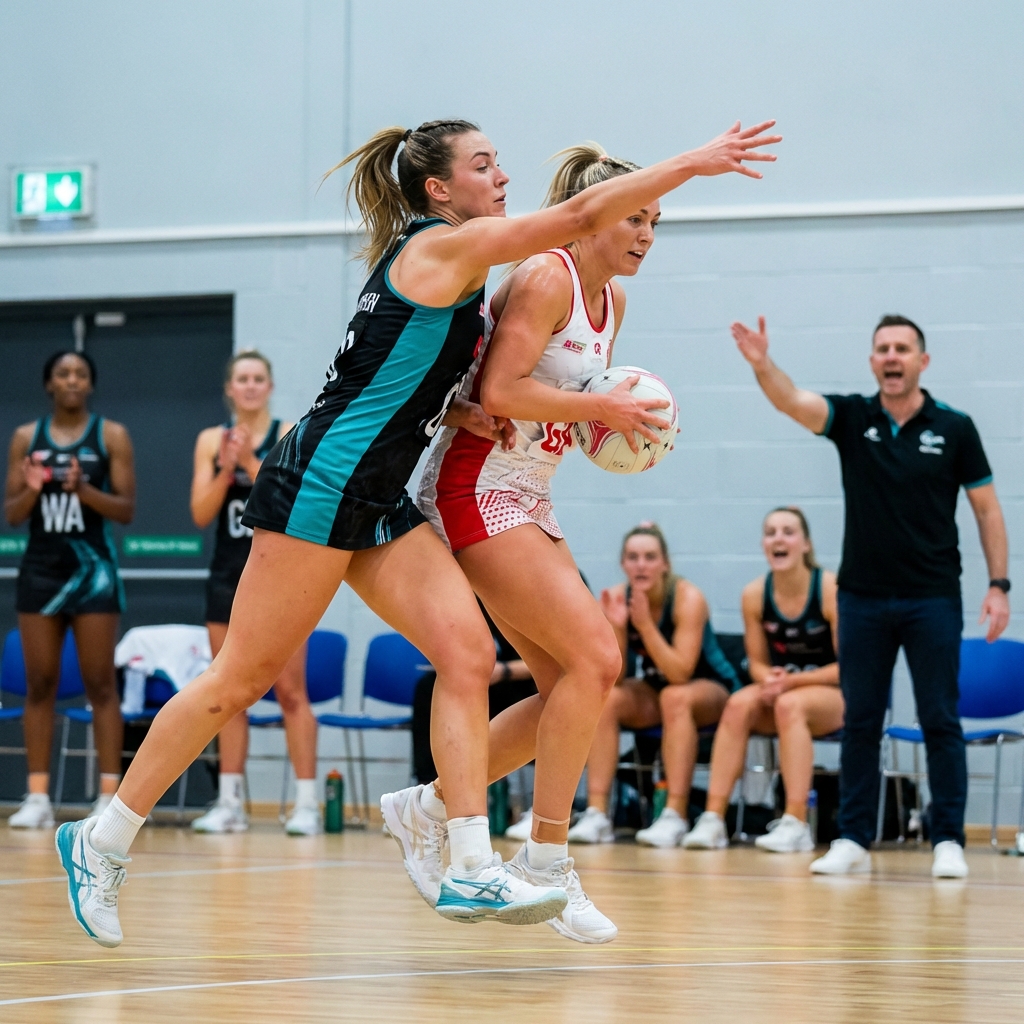
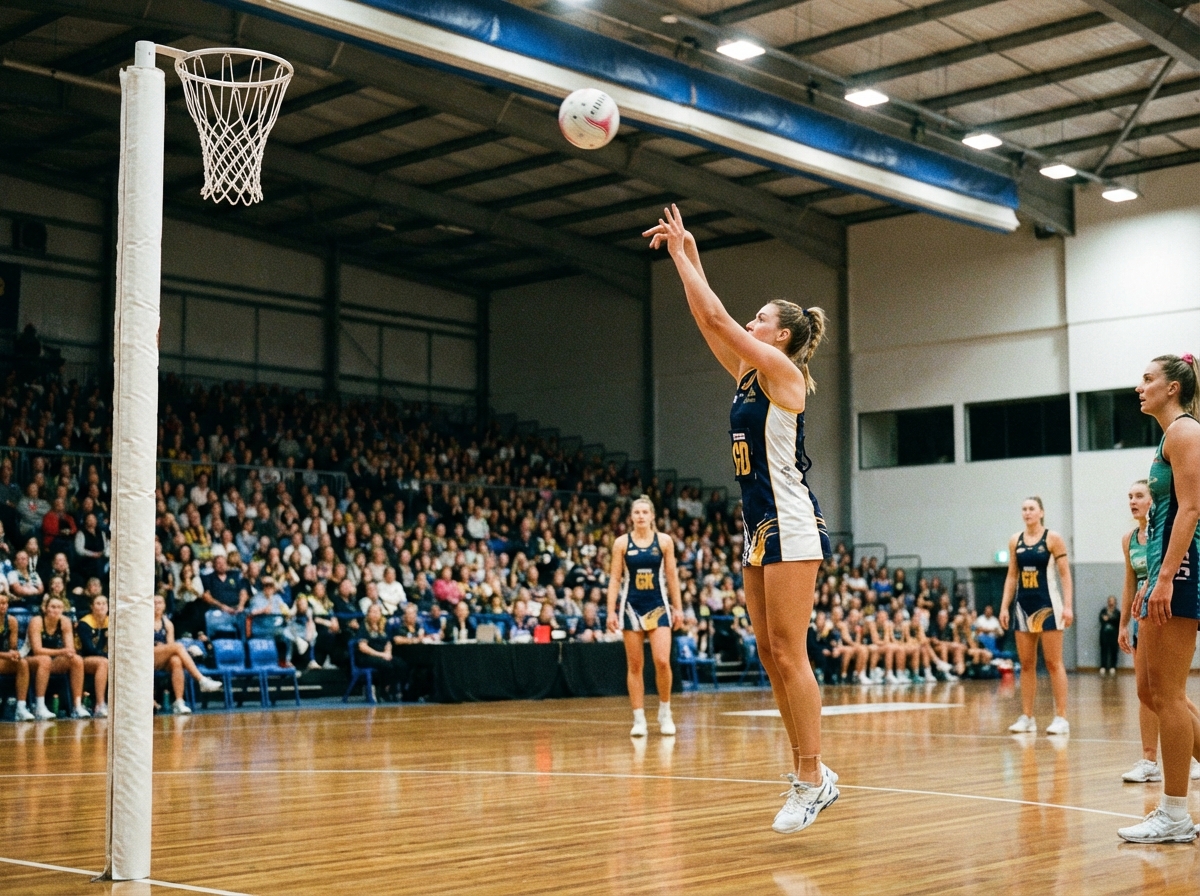
No more 50/50 toss-ups. When simultaneous infringements occur, possession now goes to the team that last had the ball. Here's what it means for your coaching.
Coaches from around the world look to Sportplan for coaching confidence.
I have thoroughly enjoyed using your site to help me with my coaching plans for my under 9's netball team.

I found this service to be excellent and it was of great help when planning my netball training sessions.

Sportplan is fantastic with all the various drills for every area of netball. My confidence as a coach has improved because I have Sportplan to support me.

Wow what a great website, I have found sportplan an important tool for me when planning my netball sessions with my netball team. There are alot of very helpful tips/ideas/skills that I can learn and teach to my team. Thank you sportplan I hope to continue to use your helpful tips and to learn more about improving my teams netball skills. Thanks again....keep it up....

I have been using Sportplan now for 3 years and can honestly say that I have never repeated the same session twice. My girls are always focused and are improving every year. Thanks Sportplan.
What a fantastic tool. The Chalkboard and session tools make an unbelievable difference in making training plans in both time and organization. I will be instructing all of my assistant coaches that this tool must be used for all sessions during the season, so that we may build a club coaching resource library.
I can't get enough of the Sportplan, It has given me back the enthusiasm i was starting to lose. My girls are so keen and are ready at 14 to take the next up in their game. Sportplan will help no end.