







Excellent drills, very detailed videos. Useful site for my U15 boys team.

Ask a question and have it answered by Coaches from around the world and Sportplan's team of Experts.

The new rules - what will UK coaches be focussing on most? (Living in NZ, we're playing them now!)
New rules, the attacking 5 yard hit outside the D - has anyone got any great ideas for set plays?
Hello, I search different exercises for hockey self-pass. Have you got a site or a work or documents? Thanks
Is a goal scored when the attacking team hasnt touched the ball within the circle yet the ball goes in the goal after touching a defender in the circle? An attacker hit the ball into the circle today, the goalie fudged it and it bounced over her foot into the goal. Twice. I thought the attacker would have to have touched it within the circle? I am new coach of young girls.
I have done numerous exercises on goalscoring but my girls cant seem to finish. Any suggestions?
Hi everyone, I have been hunting for a more detailed explanation on the self pass rule for hockey. My under standing of it is that a self pass must involve the ball moving five meters before it is hit by the player or it must be hit from a dead positon (not moving) I have umpired many games where the players 'tap and hit' the ball, often with another player rushing in to tackle just as the 'tap' is played. This seems dangerous but im not sure if the tackler is playing dangerously or if the 'tap and hit' player is dangerous? I have read the rule book but this rule is not explicit enough. Any interpretaions welcome. Thanks
What are the best methods to teach Junior 8 aside hockey players their positional roles and responsibilities?
I am looking for 6 a side hockey formations. We have been playing 3-1-1-1. Worked very well, however sweeper was so good, goalie never touched the ball. I want to move sweeper to goalie/ sweeper but our mid field player is too good to just play right. What to do? 2-2-1-1 or 1-3-1-1?
How do you encourage positional play and spreading out on hockey field U9 girls level?
How can I help my u/12 girls to attack? At the moment they are running beside the opponent but not attacking the players.
could someone comment on the 5 yard rule when entering the scoring area? There always seams to be a lot of wrong information regarding this rule.

Please could someone tell me the principles of transferring the ball. I can use the drills on here and some I have already used. However I would like my players to be "able to create own" if they know the princimples
Can anyone recommend a drill to get my players talking more during the game as I trying to teach them how important it is to do things off the ball?

How can you train to break through a team that starts half court and your team starts with the ball? Four players in the defence start maybe playing the ball first to the left wing and this player hits the ball back to the free defence player who passes the ball to the right defence player who is over the 23 meter line... I like to understand the different tactical approaches. Can you share some ideas with me?

I'm looking for a simple and basic way to teach and encourage children to press. Asked using Sportplan Mobile App
Hi,I coach a university team that has a group of mixed abilities, ranging good players with some previous hockey experience to some who are starting from the basics. We've managed to polish on basics and now the team is able to play together. They move the ball well around the pitch using the wider areas, good defence and tackles, but the big problem is creating scoring opportunities. Without goals we can't win matches... The best is draws which we get most times. I was wondering if anyone could share a small sided game or drill that could help create the attack mindset so my team can have that hunger for goas and go for it.

Hi allI am looking for advice on how to implement processes in my girls school hockey team. processes of setting up presses, defensive structures and counter attacking thinking. I have 14 players in the team from 15 years old to 18. we train twice a week. only a few play club hockey as well. We either play a 3-1-4-2 or a 3-1-3-3.I find it difficult for example, when you want to teach a press on the opposition 16, to simulate gameplay with only 14 players (if they are all at training). I can have my halves setup for taking the 16 and then get my strikers and links to setup, but then I still want defenders to see things from the back but they are taking the 16? Also when taking the 16 they then don't have any support in the drill because everyone else is setting up a press?I know we need to work on our basics in order for the other tactics and skills and game plans to work. However I find it frustrating with this team that on counter attacks for a few reasons which I am struggling to mend;- they only head forward. No one holds up the ball to wait for support.- they run straight and don't use angles- they pass too late and get tackled - they don't have the vision to see an early pass or pass into space- players without the ball do not run into useful positions and angles and get caught out by the person with the ball who then makes a pass to no one and it runs out of play.So suggestions please for;- open, creative but simple counter attacking- teaching processes for presses on free hits and 16s- coaching how to take 16s and work your way out- coaching vision and expecting your players to be in support. RegardsMatt
Dear colleagues, I am coaching a 1st women team (Argentina) and the system that is working for us very well is 3-1-3-3. Given the quality players we've got in the midfield and attack we try to emphasize our offensive game all the time. The problem I am struggling to resolve is that the forwards do not get involved in chances to score inside the circle very often. The few chances the forwards have they are able to score but it is our midfielders who most of the time get to the circle in possession with the ball. I would like to see a quick transfer of the ball from the midfielders to the forwards who need to be in touch with the ball more often during the game and have the midfielders supporting the attack rather than being the leaders of the attack.Is there any drill or way to improve this aspect of the game? Thanks for your time. Martin
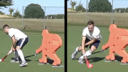
tackle how to approach the person in control of the ball


in more ways than one
 sportplan_hockey



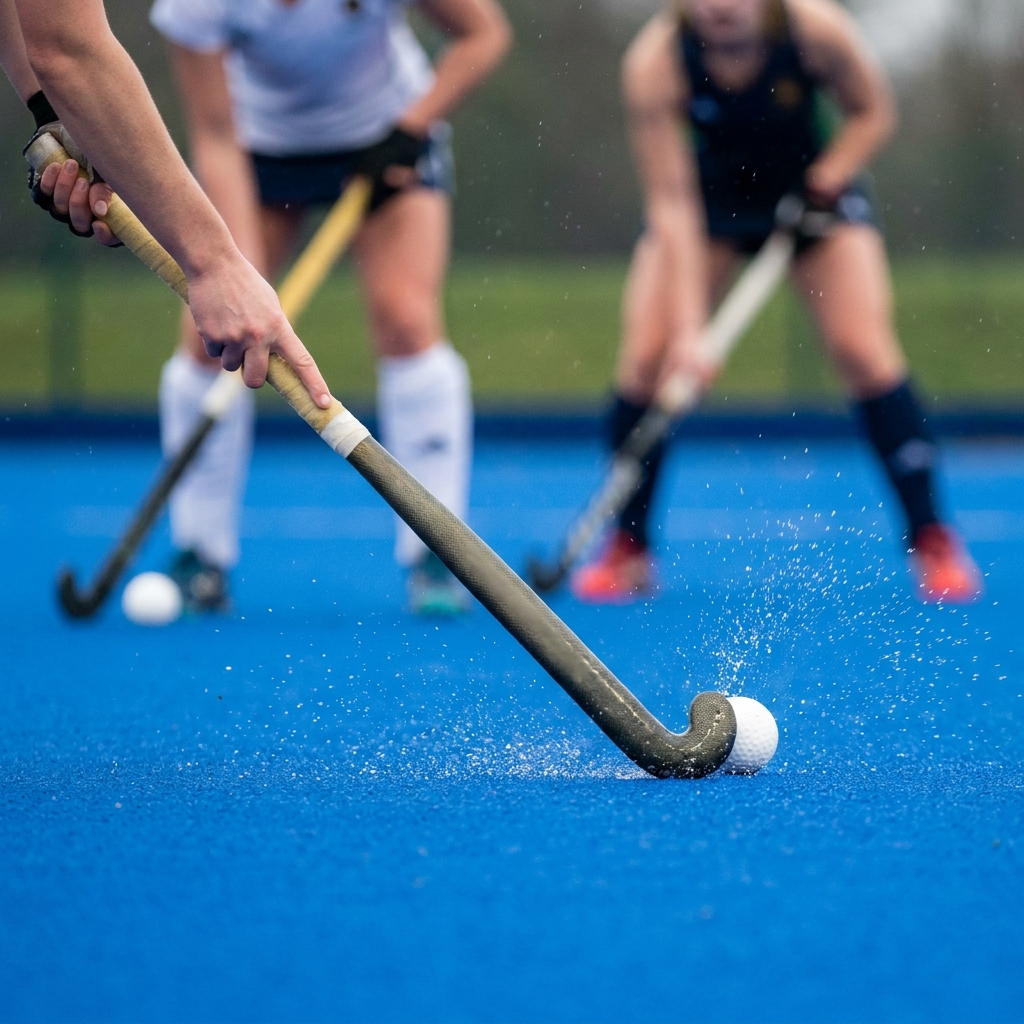
A few weeks into the league season, poor first touches are costing teams the ball. Coach body shape, scanning and receiving on the move to keep possession.
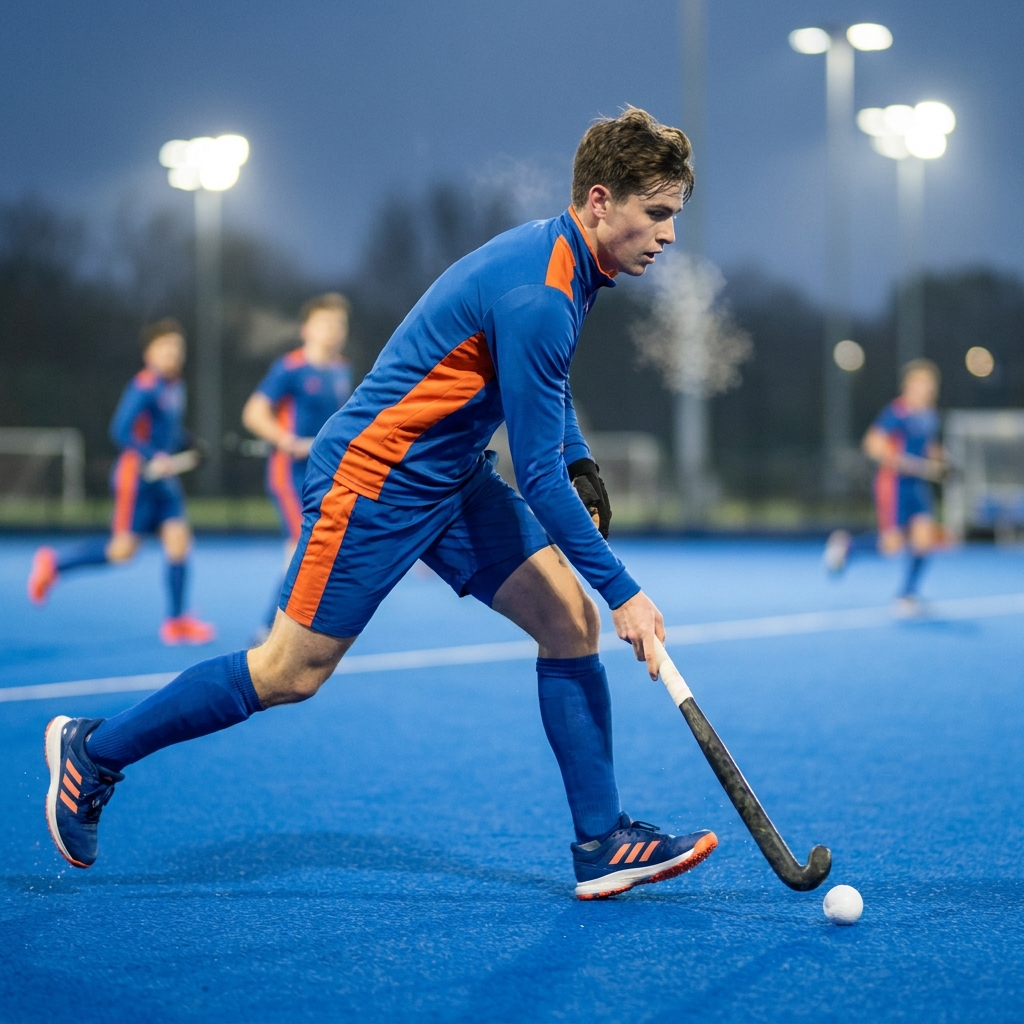
Pre-season fitness fades fast once the league starts. Build conditioning into ball work and use rolling subs well to keep your squad sharp all season.

The first weeks of the season decide whether a junior or new player sticks with adult hockey. Here is how to keep them safe, give them a clear job and build their confidence from the very first bully.
Coaches from around the world look to Sportplan for coaching confidence.
Excellent drills, very detailed videos. Useful site for my U15 boys team.

I love using Sportplan. It's been a great help for co-ordinating hockey practice and being able to help tweak skills and getting the most out of my players!

Great site. An absolute must for coaches who are willing to change and learn new drills. Superb, simply superb.

Wow what a great website, I have found sportplan an important tool for me when planning my netball sessions with my netball team. There are alot of very helpful tips/ideas/skills that I can learn and teach to my team. Thank you sportplan I hope to continue to use your helpful tips and to learn more about improving my teams netball skills. Thanks again....keep it up....

I have been using Sportplan now for 3 years and can honestly say that I have never repeated the same session twice. My girls are always focused and are improving every year. Thanks Sportplan.
What a fantastic tool. The Chalkboard and session tools make an unbelievable difference in making training plans in both time and organization. I will be instructing all of my assistant coaches that this tool must be used for all sessions during the season, so that we may build a club coaching resource library.
I can't get enough of the Sportplan, It has given me back the enthusiasm i was starting to lose. My girls are so keen and are ready at 14 to take the next up in their game. Sportplan will help no end.



