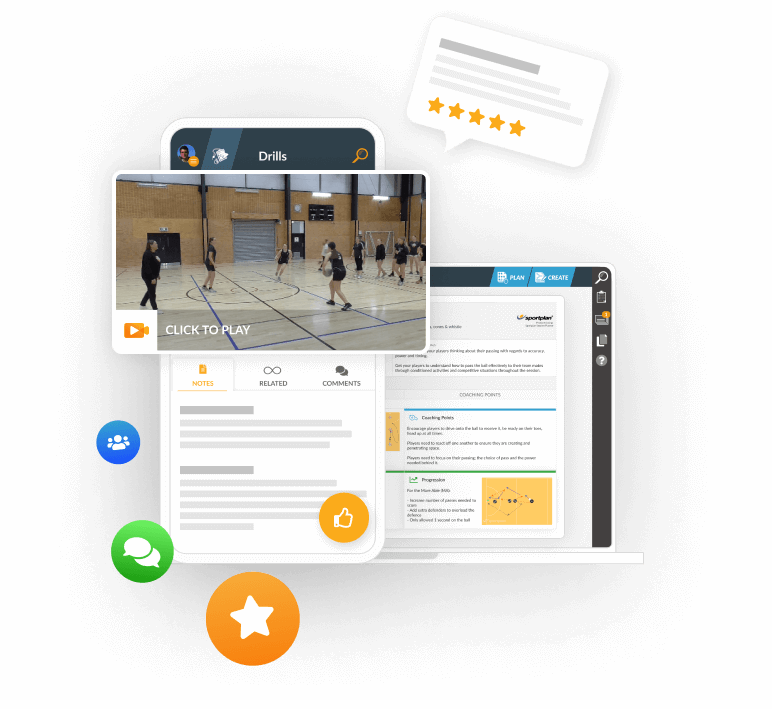
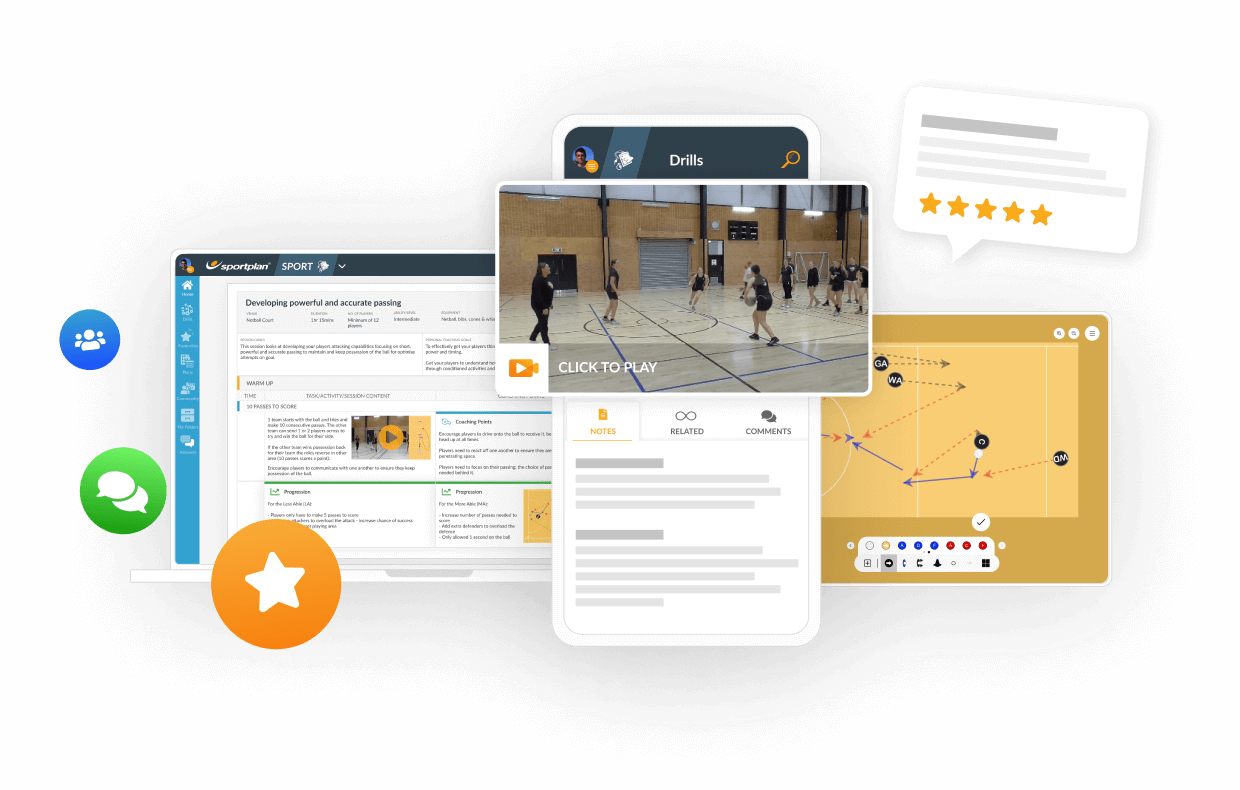
I have thoroughly enjoyed using your site to help me with my coaching plans for my under 9's netball team.

Does anyone have drills for working on elevation. My girls are Year 7 and 8's - 11 and 12 year olds. Getting their legs stronger for jumping???

can a netball coach move up and down outsidew court a few metres to encourage certain players while a game is in play

Game 3 this week and now down to 5 players with the GS GK C out with hand/arm injuries. I still expect all players to turn up to practice.Only 3/8 turned up last week and I wasn't very happy.Others need to fill gaps these players could help.Now I need to rethink training.now that I have requested everyone come, what drills can I do that are ball less.Unfortunately due to age and high visibility of the courts at lunch asking them to visualise would not happen. They are young and I don't want to jeopardise healing for them. It is a shame this has happened early in season as I do think we had an opportunity to do really well, never mind. Always next year
I am coaching a little net set go team (set tier) with ages 5-8. Usually I coach high school girls. A mum of one of the 7 yr olds just messaged me with this: "i was just wondering If you have any tips to help us get Miss S enthused about netball, she isn't enjoying it but wants to "give it more time" (her words)." We only have a half hour training session before we play as no one else will coach but this is the only time I can do training and there are players from another town so this is the best option for everyone. We play a couple of warm up drills/games and practice 1 skill ready for our game. I have covered the basics of passing and footwork so far. None of my team have ever played before, but 4 of them did the net set go - net tier last year. The girl has only played 2 games so far as we have had a bye. So far she has had a go at positions GK, GD, GS, GA, and WA. She is the tallest girl in the team and so tends to get a fair amount of the ball. Any ideas on what to suggest to this mum?
GOOD DAY. CAN SOMEONE KINDLY HELP ME WITH THE EXACT HEIGHT OF THE NETBALL POLE AND IF IT DIFFERS IN HEIGHT FOR CERTAIN AGES.THANKS IN ADVANCE.
My team consists of 6 players (7-8 year olds) we have been focusing on the fundermentals, but however in game play they are not coming forward and getting free, loosing track of their players. How do I make a fun interesting positive game for them to get this skill?
Would love some advice, I am a new coach about to start coaching 7-8 year olds who have never played netball before. I would love any advice you have for a new coach on how to structure the training session, any drills I should start with and fun ways to teach them the basic skills of netball
Best drills for 7 Year olds to learn to space out, chase the ball, and not stepping please! These are for players that have never played before, and first time coaches
I am coaching a little net set go team (set tier) with ages 5-8. Usually I coach high school girls. A mum of one of the 7 yr olds just messaged me with this: "i was just wondering If you have any tips to help us get Miss S enthused about netball, she isn't enjoying it but wants to "give it more time" (her words)." We only have a half hour training session before we play as no one else will coach but this is the only time I can do training and there are players from another town so this is the best option for everyone. We play a couple of warm up drills/games and practice 1 skill ready for our game. I have covered the basics of passing and footwork so far. None of my team have ever played before, but 4 of them did the net set go - net tier last year. The girl has only played 2 games so far as we have had a bye. So far she has had a go at positions GK, GD, GS, GA, and WA. She is the tallest girl in the team and so tends to get a fair amount of the ball. Any ideas on what to suggest to this mum?
The girls I am coaching have never played before and are aged 6 to 7 years, I really need some ideas to teach them the positions of the court - any tips or drills anyone can recommend?
Hi im coaching the grade 1 netball team this year. Its my first time coaching so i just want some tips on how to start with practice. Some easy drills and things to do with them to make it fun and so they can learn.Thank youLindie
Hi I have a new team of 7/8 year olds and we have one very weak player that doesn't move or listen nor catch the ball. Any advice? I need to play her in all positions as they move around to learn them all but feel she needs to learn one at a time. She says she just wants to shoot but that's difficult when she can't catch. Other players aren't passing to her either as she doesn't movebinto position. Any advice would be great! The rest of the time are thriving!! Asked using Sportplan Mobile App
I am coaching 10 & 11yr old girls for the 2nd year purely because no one else wanted to do it - I've never even played netball and this site helps me every week, invaluable and we see tangible results. 1st year we won comp and championship, this year came 2nd in comp, champ starts this Sat. Two of the girls have told me their mums are changing them from this school team to another club (the one that won) next year 'cause "the coaching's not good enough for their child". All this teaches their child is that if your team isn't winning, go to another - forget about loyalty. Sometimes it difficult to take this on the chin. Any advice?
Hi guys. So I've been coaching for 3 years. The same bunch of girls since they were 7-8 years old. I'm coaching then again this year which is great. But I've also just been approached in coaching the under 12's development rep team. Just wondering what I'm in for, as I haven't been given a lot of information as yet. Asked using Sportplan Mobile App
Hi, I have a team of 11 year olds with 8 in the team, is there a fair way of substituting fairly so they all get equal court time. I do not want any arguments with parents.ThanksDi
Game 3 this week and now down to 5 players with the GS GK C out with hand/arm injuries. I still expect all players to turn up to practice.Only 3/8 turned up last week and I wasn't very happy.Others need to fill gaps these players could help.Now I need to rethink training.now that I have requested everyone come, what drills can I do that are ball less.Unfortunately due to age and high visibility of the courts at lunch asking them to visualise would not happen. They are young and I don't want to jeopardise healing for them. It is a shame this has happened early in season as I do think we had an opportunity to do really well, never mind. Always next year
I have a team of 12 girls; 3 goalers, 2 defenders and the rest centre court. We will make it into the finals series and as a result i have talked to the girls in an open discussion about what kind of stratergies they would like to use come finals. This included a vote on how we should field the team, even court time for all or play to win, fielding our best team based on training attendance and behavior at training, commitment, sportsmanship and how they are generally playing on the night. Only 2 of the 12 voted even court time and we had further discussion and clarification or question and everyone was sent home happy. However i have one Mother who i cannot please no matter how hard i try who is fighting this decision, her daughter complained yet voted play to win> I don;t know what i should do, i like the girls to learn to make decisions in a team setting by themselves and learn about the outcomes of such decisions but at the same time i don't want angry parent(s)! HELP!!
I have a u/14 team with no netbal experience. I myself have never played netbal before. How do I start and what is the most important rules and patterns they need to know?
This year I was given the u/10 and u/11 netball girls to coach but none of them has ever played netball where do I start

Help me please, I am coaching 11 yrs and have one member of my team who is making nasty comments towards most of my other team members, before I am forced to raise this issue with her parent (who is never in attendance, only drop off and pick up, and I dont think she would be the easiest parent to deal with either) I am hoping someone can give me some ideas on how to deal with this, should I ask her to sit out or should I try to include her more to force a better relationship, when I have asked her if we can make an effort to play as a team she is clearly telling me, Its not her fault and that she is reacting to others, but i know this is not true, I dont think she will except she is doing anything wrong, if fact she is my biggest trouble maker when it comes to talking, not litening and being disrespectful, to me her team and once even an umpire (at training) HELP PLEASE its upsetting my girls %3A(
in more ways than one
 sportplan_netball

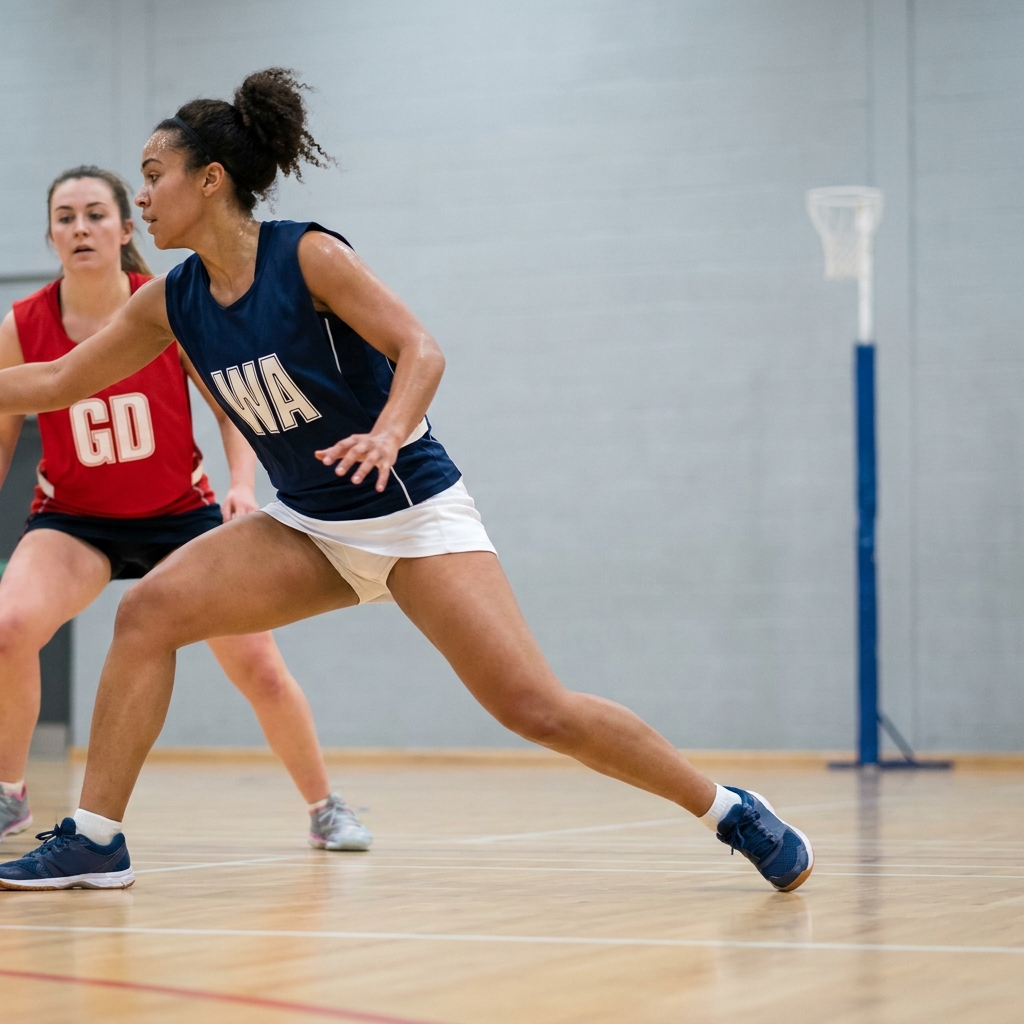
Tight markers win when attackers run in straight lines. Teach your players to dodge, change pace and time their drive so they get free when the ball is ready.
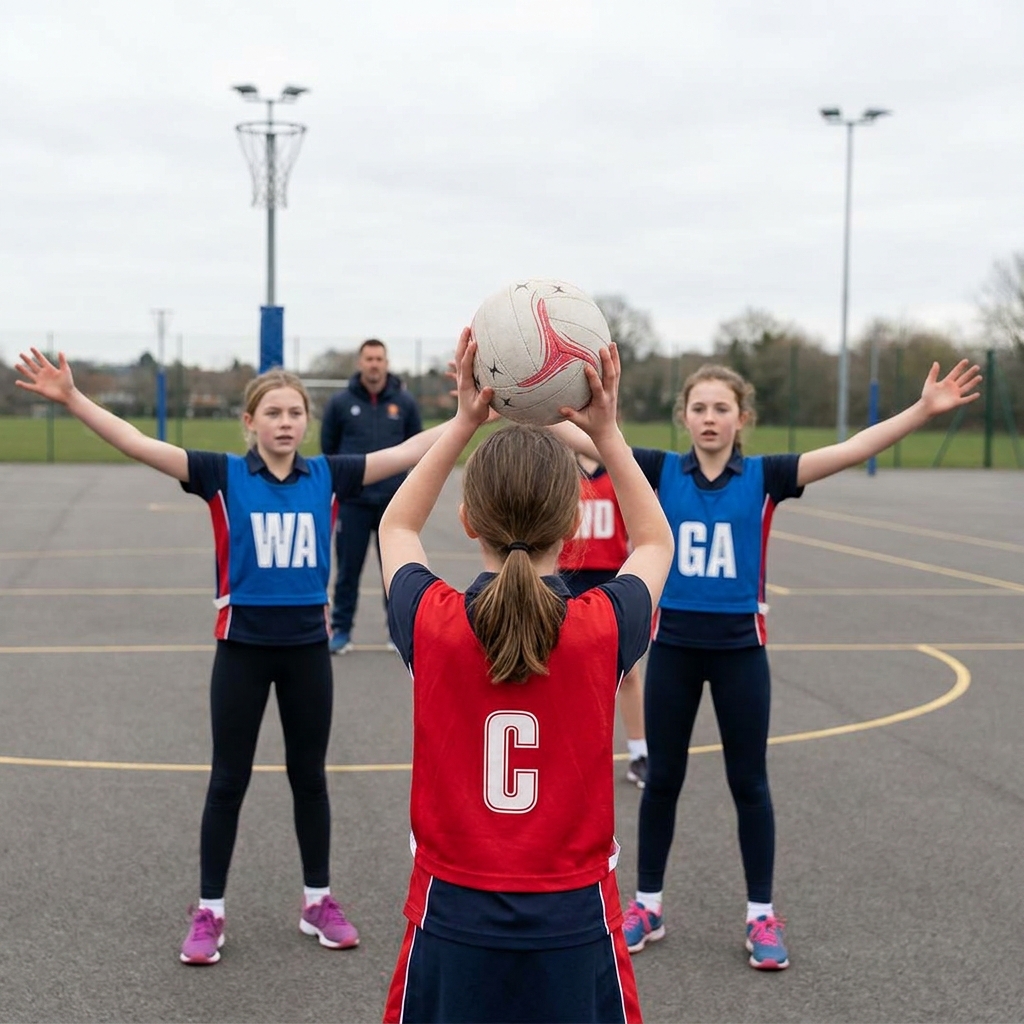
When everyone chases the ball, nobody is free. Teach your team to spread out, offer two options and clear space so the ball moves cleanly down court.
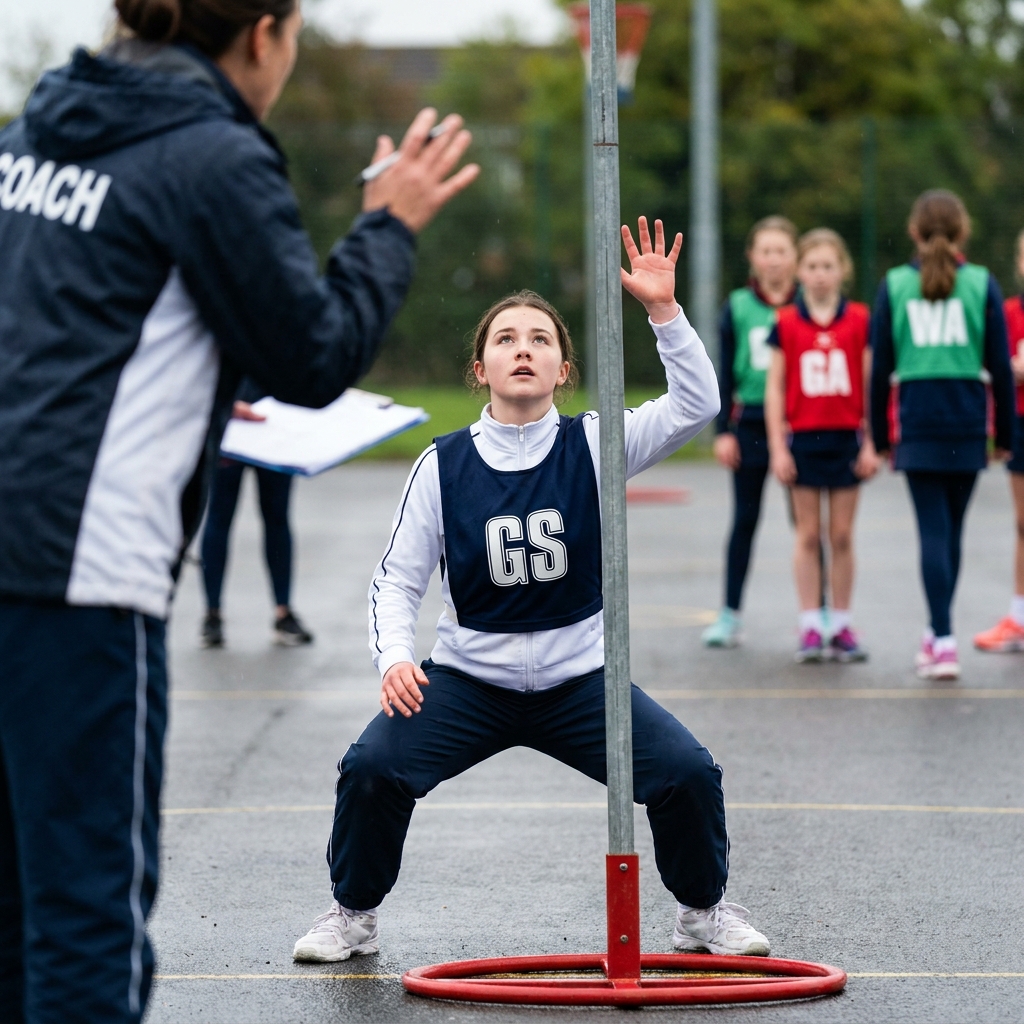
A shooter who can hold a strong position under the post is worth more than one who runs all over the circle. Here is how to coach body shape, a legal hold and a well-timed release, and how feeders make the most of it.
Coaches from around the world look to Sportplan for coaching confidence.
I have thoroughly enjoyed using your site to help me with my coaching plans for my under 9's netball team.

I found this service to be excellent and it was of great help when planning my netball training sessions.

Sportplan is fantastic with all the various drills for every area of netball. My confidence as a coach has improved because I have Sportplan to support me.

Wow what a great website, I have found sportplan an important tool for me when planning my netball sessions with my netball team. There are alot of very helpful tips/ideas/skills that I can learn and teach to my team. Thank you sportplan I hope to continue to use your helpful tips and to learn more about improving my teams netball skills. Thanks again....keep it up....

I have been using Sportplan now for 3 years and can honestly say that I have never repeated the same session twice. My girls are always focused and are improving every year. Thanks Sportplan.
What a fantastic tool. The Chalkboard and session tools make an unbelievable difference in making training plans in both time and organization. I will be instructing all of my assistant coaches that this tool must be used for all sessions during the season, so that we may build a club coaching resource library.
I can't get enough of the Sportplan, It has given me back the enthusiasm i was starting to lose. My girls are so keen and are ready at 14 to take the next up in their game. Sportplan will help no end.