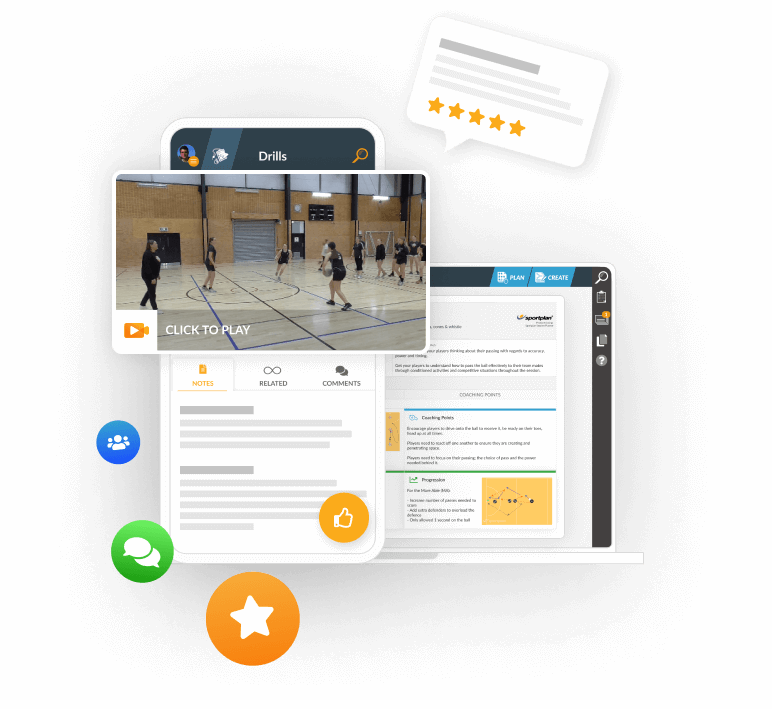
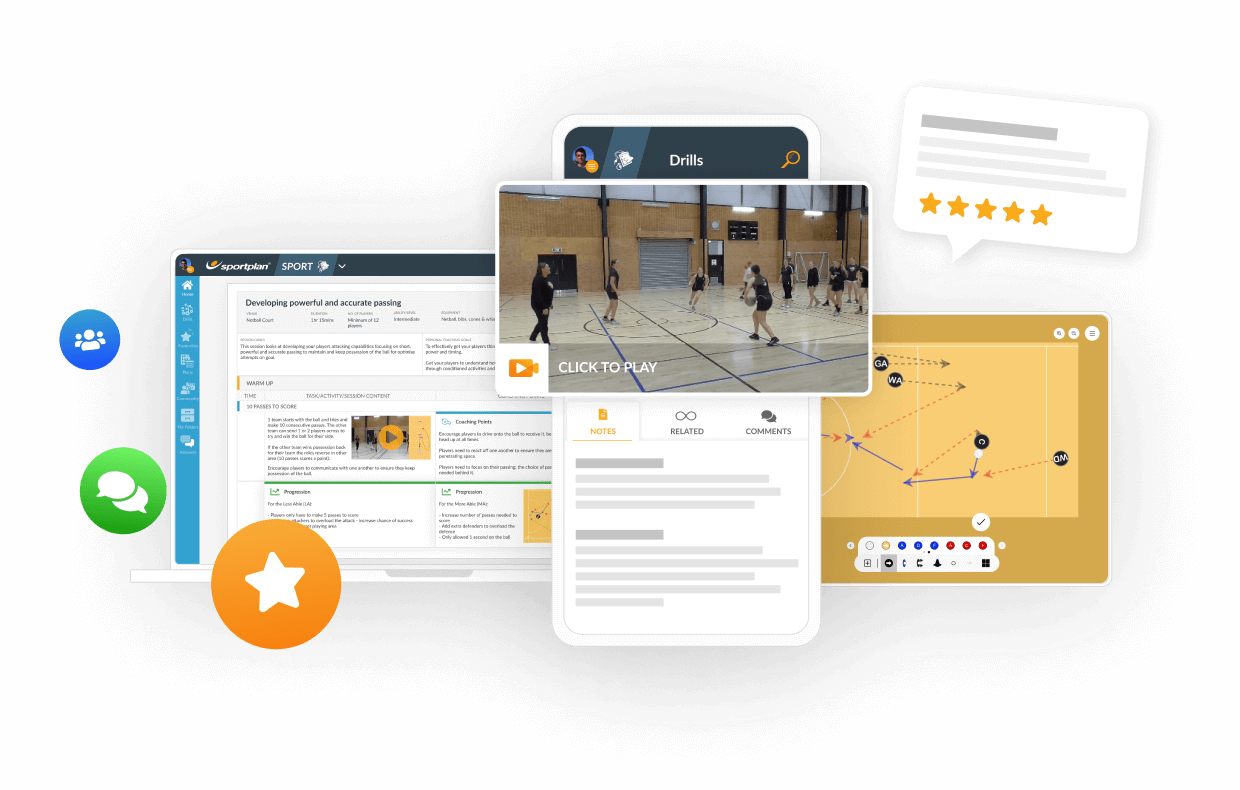
I have thoroughly enjoyed using your site to help me with my coaching plans for my under 9's netball team.

should 6-8 year olds be doing dynamic stretching during warm up and cool down stages? If so has anyone got any ideas or techniques?

my players seem to get the worst injuries, their 14 and they do everything right cushion landings with a should width base and outside foot pivots? what vare we doing wrong? last year i started with 10 players and at the grand final i had 6 of my original players, i had to bring up 10 year olds!! help?????
Game 3 this week and now down to 5 players with the GS GK C out with hand/arm injuries. I still expect all players to turn up to practice.Only 3/8 turned up last week and I wasn't very happy.Others need to fill gaps these players could help.Now I need to rethink training.now that I have requested everyone come, what drills can I do that are ball less.Unfortunately due to age and high visibility of the courts at lunch asking them to visualise would not happen. They are young and I don't want to jeopardise healing for them. It is a shame this has happened early in season as I do think we had an opportunity to do really well, never mind. Always next year
What type of games and activities that are skill based would be ideal for teaching 6 year olds netball?

I have an U10 team playing in Div 1, we are doing well coming 2nd in the comp. The problem i have is I have 8,9 and 10 year olds in the team as we are a small club. I am looking for Drills to cater all age groups and the girls abilities/skills. There are girls who play beyond their ages, and then girls who cannot catch or throw a ball, (basically 6 of the 9 players cannot do both). They have improved, but i find the skilled players are getting frustrated as there are alot of turnovers due to basic errors, bad passes, stepping, offside etc....any advice would be appreciated.Thanks
I'm due to start coaching some 6-12yr olds in February (have a meeting ahead of that in a week). At the moment I don't have any idea about abilites or previous experience but plan to ask about that next week, though I am guessing it won't be much, especially the younger ones. At the same time, I will be hepling to mentor some new coaches to help them progress (they will be Level 1 so assistant level in England). Any good tips for starting points? I have 12 weeks with them (all 1 hour sessions). My thoughts were to start with things like basic techniques for passing and getting footwork correct before moving onto attacking and defending principles as well as making sure there are plenty of fun games they can take part in.
My team consists of 6 players (7-8 year olds) we have been focusing on the fundermentals, but however in game play they are not coming forward and getting free, loosing track of their players. How do I make a fun interesting positive game for them to get this skill?
What type of games and activities that are skill based would be ideal for teaching 6 year olds netball?
Hi im coaching the grade 1 netball team this year. Its my first time coaching so i just want some tips on how to start with practice. Some easy drills and things to do with them to make it fun and so they can learn.Thank youLindie
The girls I am coaching have never played before and are aged 6 to 7 years, I really need some ideas to teach them the positions of the court - any tips or drills anyone can recommend?
I am coaching a little net set go team (set tier) with ages 5-8. Usually I coach high school girls. A mum of one of the 7 yr olds just messaged me with this: "i was just wondering If you have any tips to help us get Miss S enthused about netball, she isn't enjoying it but wants to "give it more time" (her words)." We only have a half hour training session before we play as no one else will coach but this is the only time I can do training and there are players from another town so this is the best option for everyone. We play a couple of warm up drills/games and practice 1 skill ready for our game. I have covered the basics of passing and footwork so far. None of my team have ever played before, but 4 of them did the net set go - net tier last year. The girl has only played 2 games so far as we have had a bye. So far she has had a go at positions GK, GD, GS, GA, and WA. She is the tallest girl in the team and so tends to get a fair amount of the ball. Any ideas on what to suggest to this mum?
I'm coaching the very young team yr 1-3 age 6-9 and was wondering what's the best drills to teach them ball skills passing quick and basic rules? Thanks Mikaela
So this year I have had multiple problems with a parent. I have been yelled at by her in front of the girls and parents at a game and she has honestly made my time at netball horrible. She has told me multiple times that my training isnât good enough and that itâs needs to get better, that I am in the wrong for sitting her daughter off for half a game, that the only reason I am coaching the team is because the club didnât give her the team and many more things. Last year the girls won the grand final and the year before they were runners up. (her daughter in both those teams)I am 19 years old and I have been coaching for 6 years and playing for 13. Safe to say I know what I am doing. I have gone to the club about her and they know what she has done. I am hoping I do not have to deal with her next year, but if I do does anyone have any suggestions in regards to dealing with this bullying. Thanks in advance !! Asked using Sportplan Mobile App
I have an U10 team playing in Div 1, we are doing well coming 2nd in the comp. The problem i have is I have 8,9 and 10 year olds in the team as we are a small club. I am looking for Drills to cater all age groups and the girls abilities/skills. There are girls who play beyond their ages, and then girls who cannot catch or throw a ball, (basically 6 of the 9 players cannot do both). They have improved, but i find the skilled players are getting frustrated as there are alot of turnovers due to basic errors, bad passes, stepping, offside etc....any advice would be appreciated.Thanks
What drills are there to help stop 10 year olds from stepping
I'm due to start coaching some 6-12yr olds in February (have a meeting ahead of that in a week). At the moment I don't have any idea about abilites or previous experience but plan to ask about that next week, though I am guessing it won't be much, especially the younger ones. At the same time, I will be hepling to mentor some new coaches to help them progress (they will be Level 1 so assistant level in England). Any good tips for starting points? I have 12 weeks with them (all 1 hour sessions). My thoughts were to start with things like basic techniques for passing and getting footwork correct before moving onto attacking and defending principles as well as making sure there are plenty of fun games they can take part in.
I would like to do a fun session with my 17 year old as we are at the bottom of the ladder and will not make finals now.
I am new to coaching this year and have a couple of girls who struggle to catch the ball despite 3 yrs of playing. One is quite scared and the other does not have good gross motor skills. Any suggestions on drills or games to improve these?
I am coaching a team of 8-9yr olds one of which is deaf. I am having problems getting anything to help me with this. Also I am wanting to print off some simple warmup drills eg basic run to first third walk back knees up walk back etc but have picturs for her aswell, but the session planner is more advance than this- I am wanting to do the same warm up for the start of each training and game. Any help ould be fantastic!!!
Hi all, My daughter is about to start coaching for the first time and it's expected she'll have a group of 10 years olds in C or D grade. I'm struggling to remember what her capabilities were at that age and she's looking for some suggestions for drills to start off with until she gets a handle on where they're at. Is anyone currently working with kids around that age/ability bracket? Does anyone know if any of the weekly drills are aimed at beginners/introductory levels? From the ones I'm seen, they're aimed at an intermediate level so I'm assuming some of the games would be OK, but most of the drills would be beyond their capability.Thanks in advance.
in more ways than one
 sportplan_netball


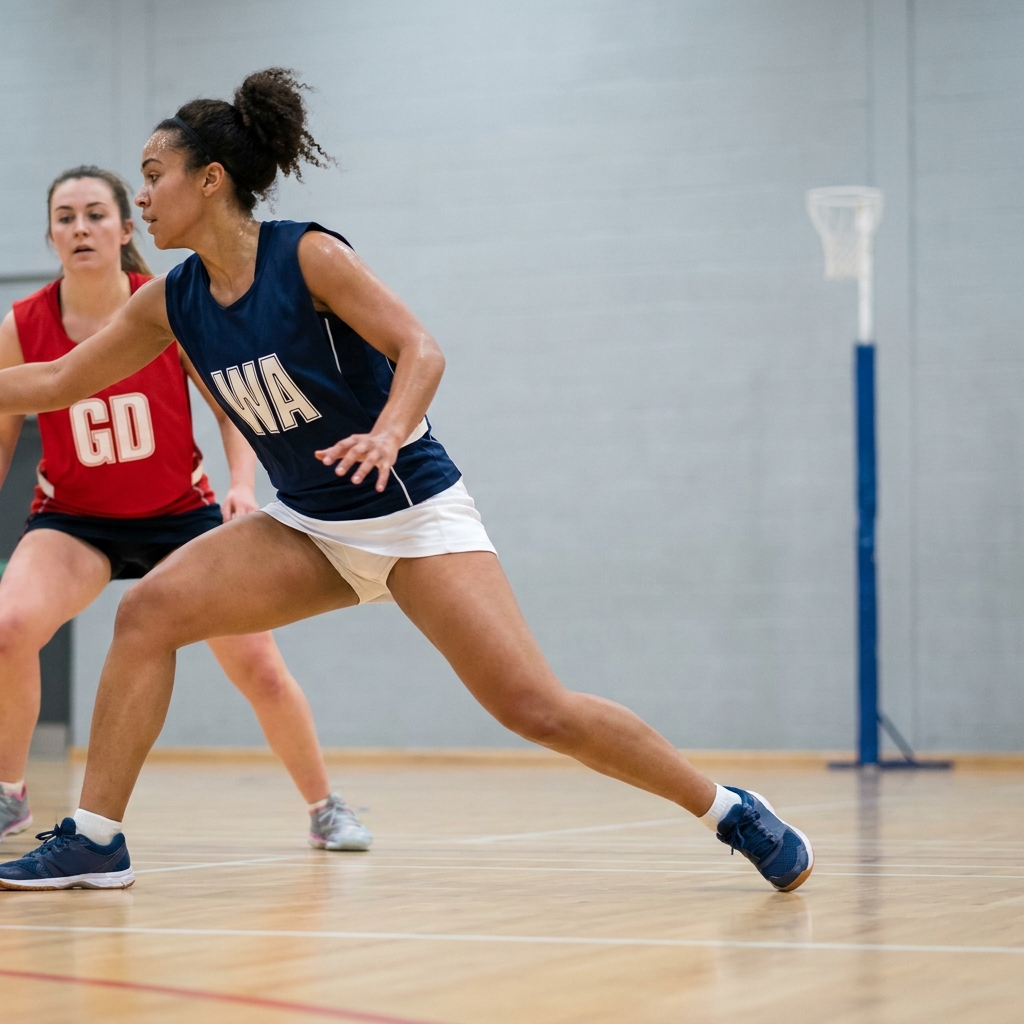
Tight markers win when attackers run in straight lines. Teach your players to dodge, change pace and time their drive so they get free when the ball is ready.
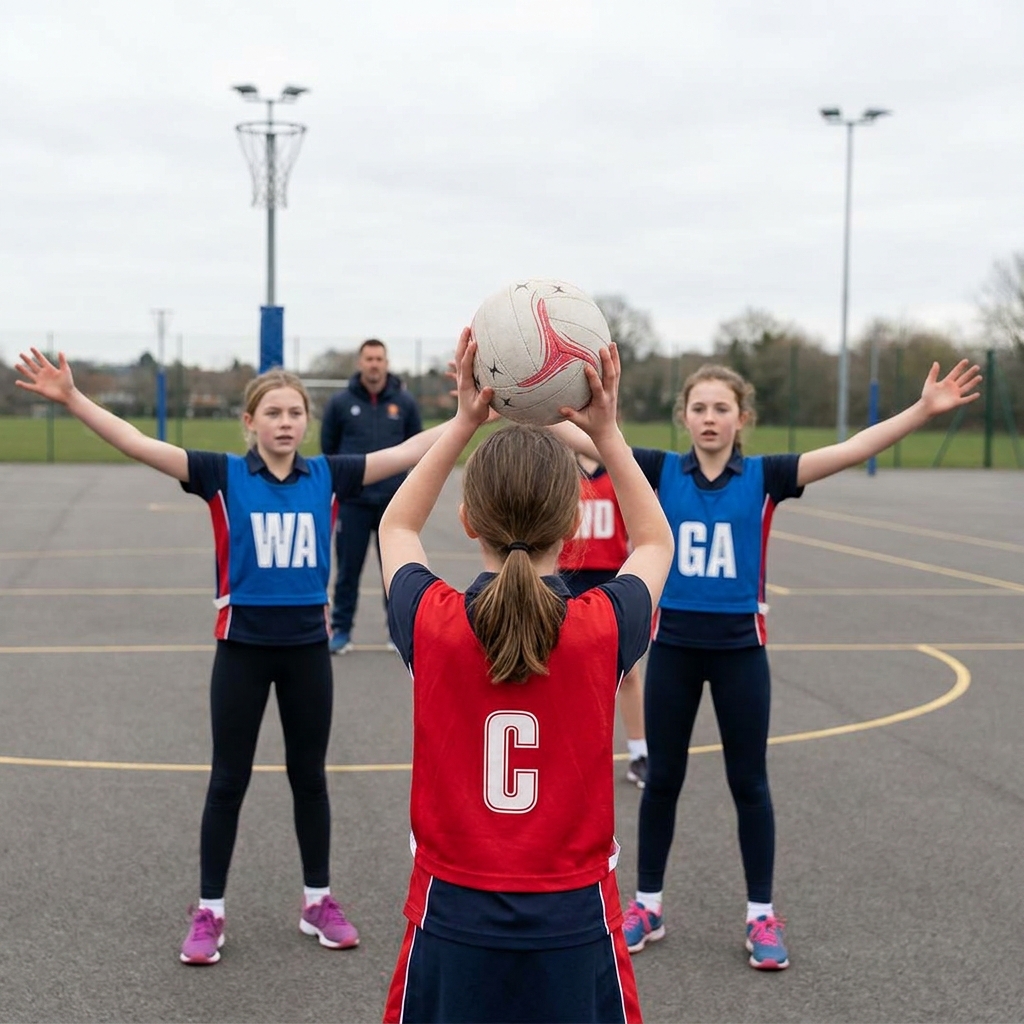
When everyone chases the ball, nobody is free. Teach your team to spread out, offer two options and clear space so the ball moves cleanly down court.
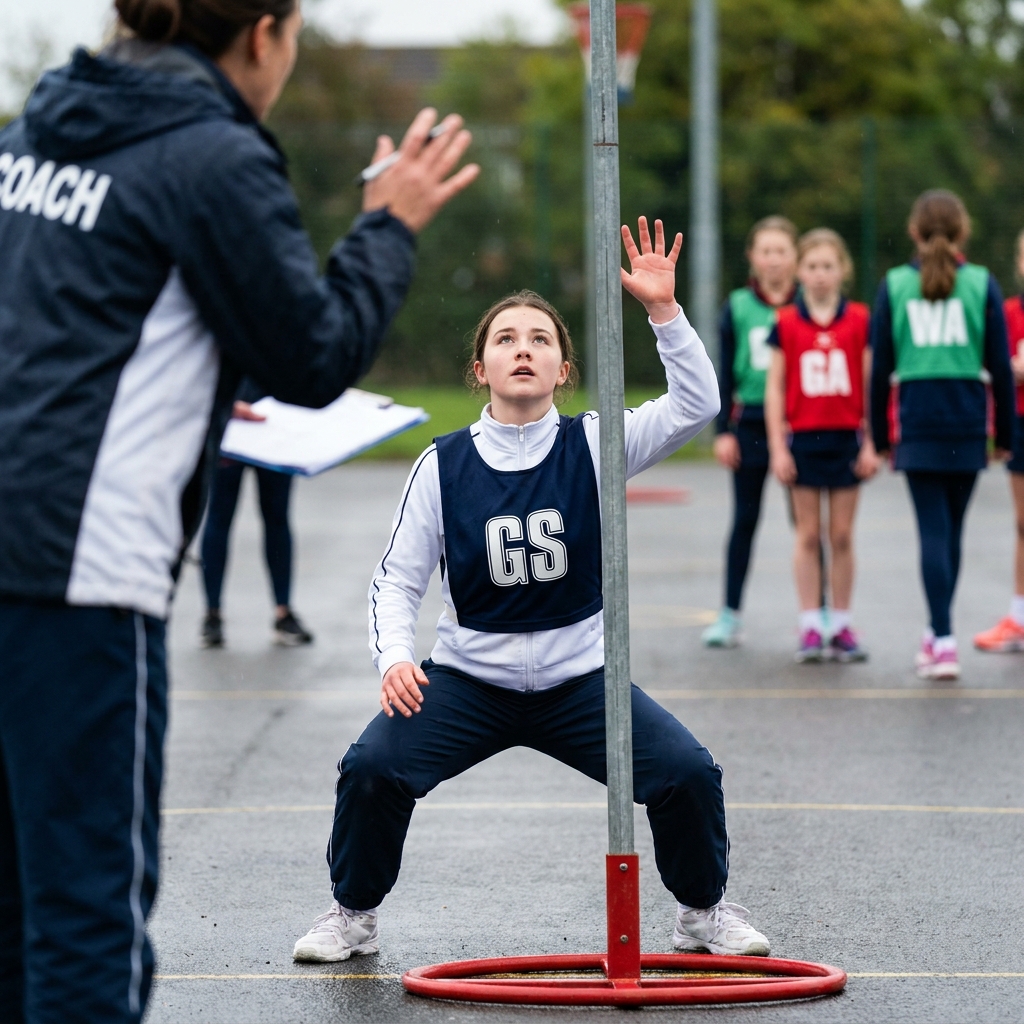
A shooter who can hold a strong position under the post is worth more than one who runs all over the circle. Here is how to coach body shape, a legal hold and a well-timed release, and how feeders make the most of it.
Coaches from around the world look to Sportplan for coaching confidence.
I have thoroughly enjoyed using your site to help me with my coaching plans for my under 9's netball team.

I found this service to be excellent and it was of great help when planning my netball training sessions.

Sportplan is fantastic with all the various drills for every area of netball. My confidence as a coach has improved because I have Sportplan to support me.

Wow what a great website, I have found sportplan an important tool for me when planning my netball sessions with my netball team. There are alot of very helpful tips/ideas/skills that I can learn and teach to my team. Thank you sportplan I hope to continue to use your helpful tips and to learn more about improving my teams netball skills. Thanks again....keep it up....

I have been using Sportplan now for 3 years and can honestly say that I have never repeated the same session twice. My girls are always focused and are improving every year. Thanks Sportplan.
What a fantastic tool. The Chalkboard and session tools make an unbelievable difference in making training plans in both time and organization. I will be instructing all of my assistant coaches that this tool must be used for all sessions during the season, so that we may build a club coaching resource library.
I can't get enough of the Sportplan, It has given me back the enthusiasm i was starting to lose. My girls are so keen and are ready at 14 to take the next up in their game. Sportplan will help no end.