








Excellent drills, very detailed videos. Useful site for my U15 boys team.

In full press mode is it the attacking centre forward or the right forward that should get across to cover infield defensive passes if the defense splits the attacking press and transfers play from defensive right to defensive left. Or midfield step up?

The new rules - what will UK coaches be focussing on most? (Living in NZ, we're playing them now!)
What is playmaker role? and what position does playmaker play?
My team is undefeated but I am only utilizing the full court press. Does anyone one know a different press or how to modify it better?

I have a u/13 hockey team. Is there another way to have fair traiils with e.g. drills and a point system ather than just playing a game?
To John Royce: Formations Hey John just wondered your thoughts have taken over ane A1 Womens Side was trying to think a bit outside the box thought of trying a 1-1-3-4-2 formation or 1-1-3-3-3. had any success or heartache with either. Have varying degrees of age in this team which make it a little for younger ones to comprehend. Regards Ian Manhire Newtown A1 Womens Coach

how to plan training for high school to achieve the current goal championship ?
Hi Im new to coaching hockey want to know what position do I play some of my weaker players without them losing interest and there confidence.
Why wont this session open for me when i log in its not there ??

Suggestions on how to play this system. I have very young 1st team so feel i must play defensive hockey. Thanks
Does anyone any set plays for getting out of the defensive half and sideline hits?

what are the key responsibilities of midfielders in a 3223 system ie how do the centre midfielders organise themselves and who do they mark
I'm looking for a simple and basic way to teach and encourage children to press. Asked using Sportplan Mobile App
What is the best formation for 8v8? Asked using Sportplan Mobile App
Hello!I am looking to find drills to help our juniors learn about taking defensive 16 yard hits/ free hits. They play 7-a-side on a 1/2 pitch.- helping the players understand positioning- movement (don't just stand and wait)- Taking it quickly- helping the mids
how do you force them to play down the wing?
Suggestions on how to play this system. I have very young 1st team so feel i must play defensive hockey. Thanks
Hi allI am looking for advice on how to implement processes in my girls school hockey team. processes of setting up presses, defensive structures and counter attacking thinking. I have 14 players in the team from 15 years old to 18. we train twice a week. only a few play club hockey as well. We either play a 3-1-4-2 or a 3-1-3-3.I find it difficult for example, when you want to teach a press on the opposition 16, to simulate gameplay with only 14 players (if they are all at training). I can have my halves setup for taking the 16 and then get my strikers and links to setup, but then I still want defenders to see things from the back but they are taking the 16? Also when taking the 16 they then don't have any support in the drill because everyone else is setting up a press?I know we need to work on our basics in order for the other tactics and skills and game plans to work. However I find it frustrating with this team that on counter attacks for a few reasons which I am struggling to mend;- they only head forward. No one holds up the ball to wait for support.- they run straight and don't use angles- they pass too late and get tackled - they don't have the vision to see an early pass or pass into space- players without the ball do not run into useful positions and angles and get caught out by the person with the ball who then makes a pass to no one and it runs out of play.So suggestions please for;- open, creative but simple counter attacking- teaching processes for presses on free hits and 16s- coaching how to take 16s and work your way out- coaching vision and expecting your players to be in support. RegardsMatt
My Girls team I coach get caught a lot between man marking and zonal marking in the 23 yard area and sometimes end up with half the team doing one and the rest the other. Suggestions on the ideal defensive set up inside the 23?
Hi Im new to coaching hockey want to know what position do I play some of my weaker players without them losing interest and there confidence.

in more ways than one
 sportplan_hockey



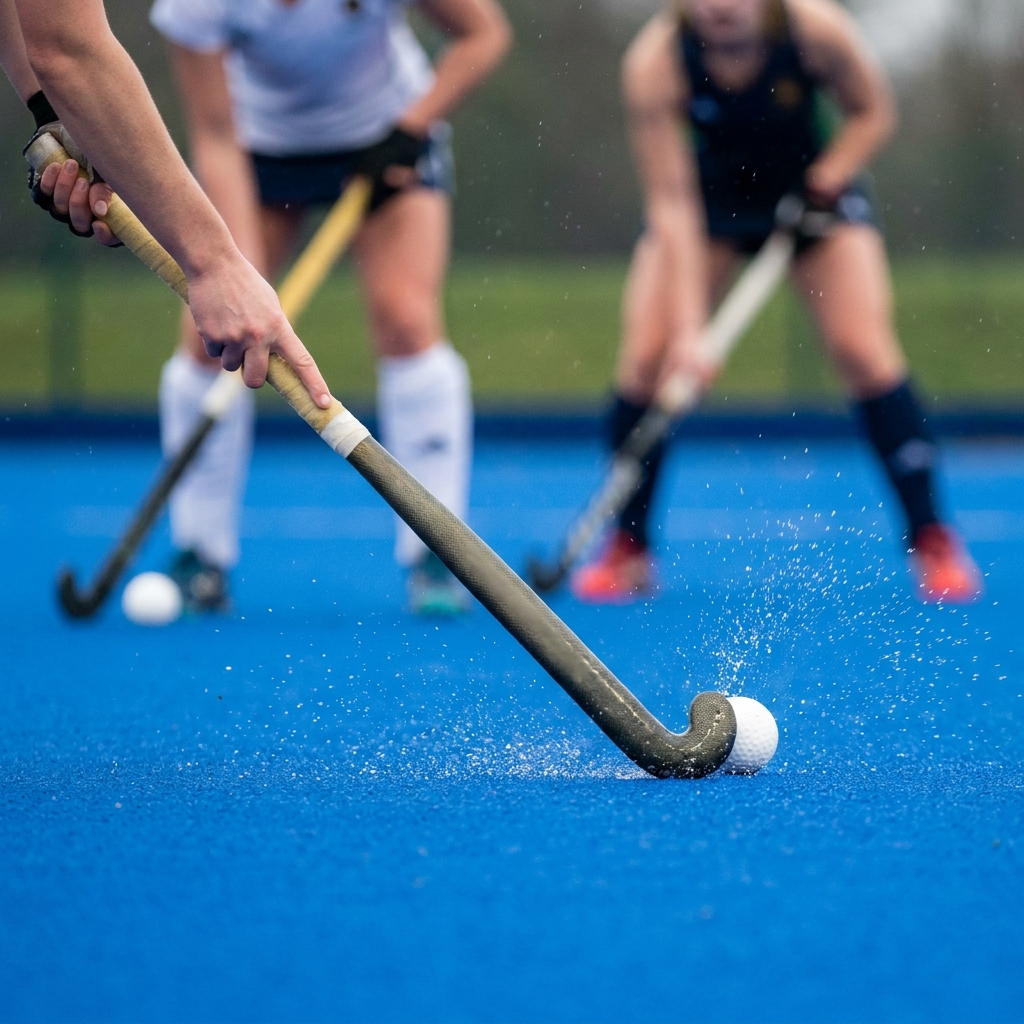
A few weeks into the league season, poor first touches are costing teams the ball. Coach body shape, scanning and receiving on the move to keep possession.
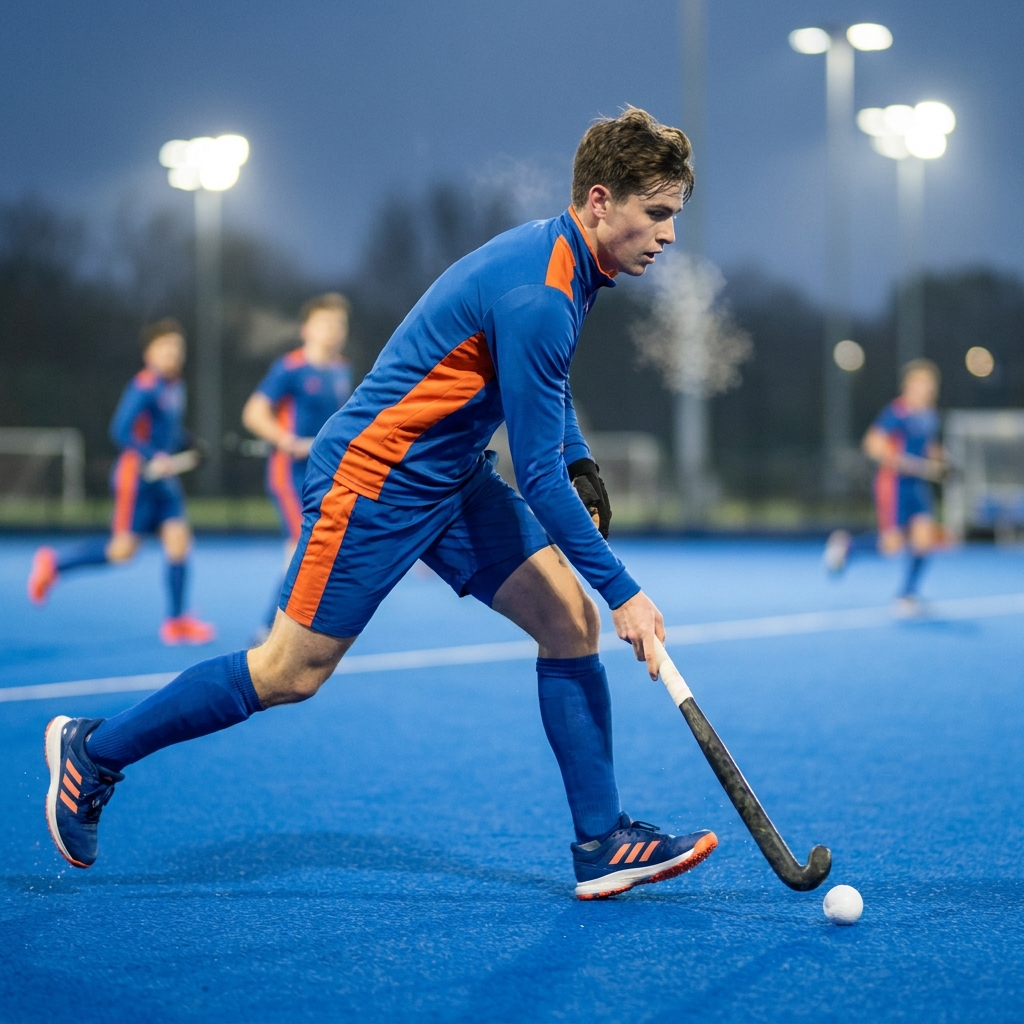
Pre-season fitness fades fast once the league starts. Build conditioning into ball work and use rolling subs well to keep your squad sharp all season.

The first weeks of the season decide whether a junior or new player sticks with adult hockey. Here is how to keep them safe, give them a clear job and build their confidence from the very first bully.
Coaches from around the world look to Sportplan for coaching confidence.
Excellent drills, very detailed videos. Useful site for my U15 boys team.

I love using Sportplan. It's been a great help for co-ordinating hockey practice and being able to help tweak skills and getting the most out of my players!

Great site. An absolute must for coaches who are willing to change and learn new drills. Superb, simply superb.

Wow what a great website, I have found sportplan an important tool for me when planning my netball sessions with my netball team. There are alot of very helpful tips/ideas/skills that I can learn and teach to my team. Thank you sportplan I hope to continue to use your helpful tips and to learn more about improving my teams netball skills. Thanks again....keep it up....

I have been using Sportplan now for 3 years and can honestly say that I have never repeated the same session twice. My girls are always focused and are improving every year. Thanks Sportplan.
What a fantastic tool. The Chalkboard and session tools make an unbelievable difference in making training plans in both time and organization. I will be instructing all of my assistant coaches that this tool must be used for all sessions during the season, so that we may build a club coaching resource library.
I can't get enough of the Sportplan, It has given me back the enthusiasm i was starting to lose. My girls are so keen and are ready at 14 to take the next up in their game. Sportplan will help no end.



