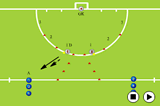
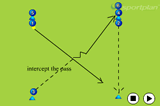
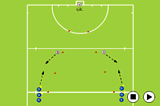
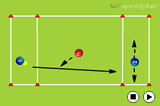
4 players inside the 23 meter area try to pass the ball through the defensive zone (the space between the 23 meter to the half way line) to the players in the other half.
When the ball has successfully been played across to the other side the opposite team must try and play the ball back through the defensive zone.
The 6 defenders inside the middle zone have to try and intercept the ball and break. When they get the ball they must try and score a goal against the players who lost the ball.
Before allowing players movement across different areas restrict players to their own areas, instead looking to pass the ball straight across to the other side.

in more ways than one
 sportplan_netball



in more ways than one
sportplan_hockey

A few weeks into the league season, poor first touches are costing teams the ball. Coach body shape, scanning and receiving on the move to keep possession.

Pre-season fitness fades fast once the league starts. Build conditioning into ball work and use rolling subs well to keep your squad sharp all season.

The first weeks of the season decide whether a junior or new player sticks with adult hockey. Here is how to keep them safe, give them a clear job and build their confidence from the very first bully.