





Sportplan rugby has played a large role in my team's love for the game!

I believe it's only when a maul and not 1 on 1 tackle. And what games can you play to demonstrate this?

Offside confusion - I have been coaching mini rugby in Scotland for just over a year and had just got used to the idea that the ball is the off side line. Now under the new SRU law variations it is the same as the adult game. Can someone assist with the follwing scenario - A defender comes forward to tackle the ball carrier. The ball carrier side steps the defender and carries on going forward. The defender turns to give chase only to find that the ball carrier has passed the ball backwards across his path in attempt to reach his team-mates. If the defender catches the ball is he off-side? Would the answer to this question change if the defender was on the right side of the ball at the time the interception was made even though he was beyond the ball carrier at the time which the pass was made?
I believe it's only when a maul and not 1 on 1 tackle. And what games can you play to demonstrate this?
I'm kicking around two different orders for creating mauls. 1) 3rd Man Rip First supporters arrive and drive over rather than stripping ball. I like this one because it allows the supporters to join more quickly and keeps everything going forward. Because the original ball carrier keeps the ball until the 3rd man joins, this maul turns into a clean ruck very easily. I don't like this one because of the increased stress on the ball carrier to protect the ball, and the ball's slower movement to the back. 2) First man rip First supporter arrives and strips, third and fourth drive over. I like this one because the ball is cleared from the front straight away. I don't like this one because it can fall and be a mess, as well as as lack forward momentum as the focus is put on the ball. What do you think about the two ways of forming a maul? I've seen teams do both. Keep in mind I coach mainly older, new players.


in more ways than one
 sportplan_rugby

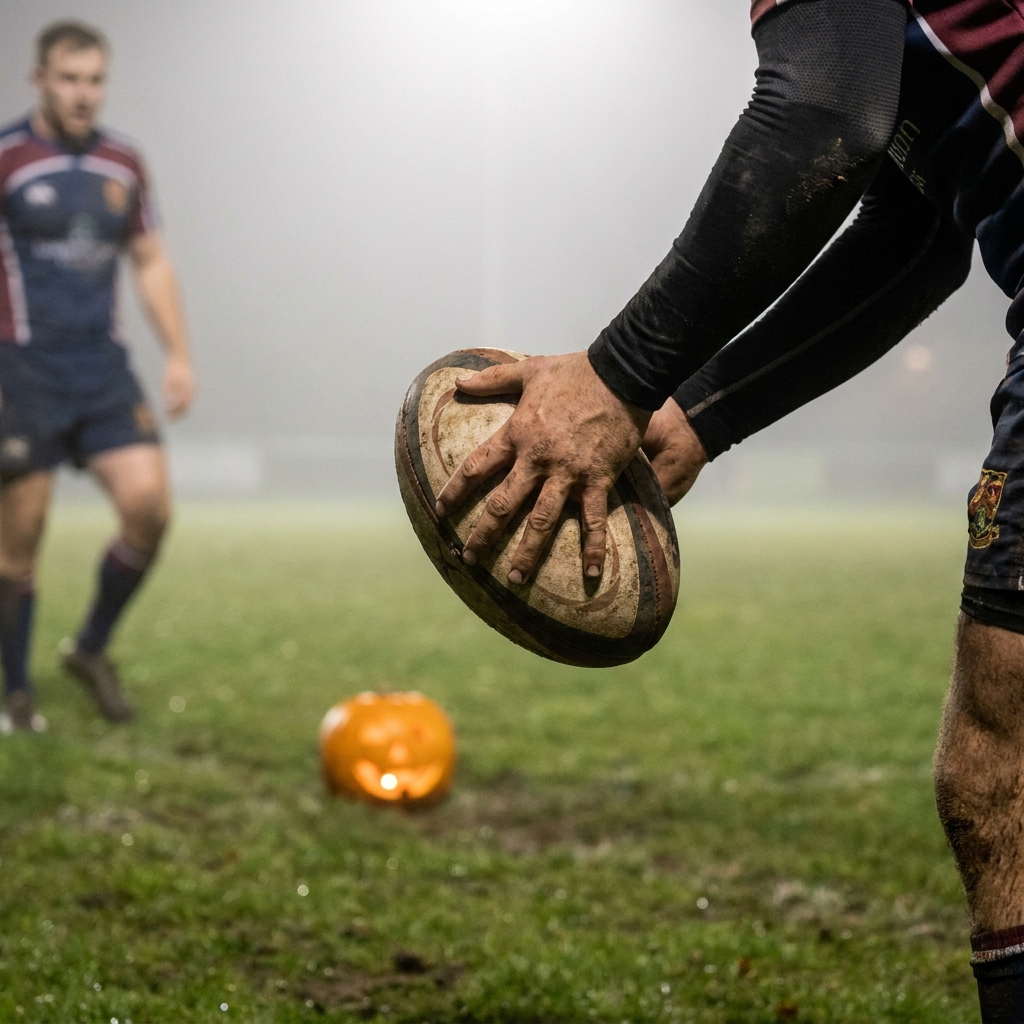
Greasy balls and soft pitches turn tidy handling into a lottery. Here is how to coach your players to keep hold of the ball when November conditions bite.

Most line breaks are made by support runners, not ball carriers. Teach the angles, depth and timing that get them there.
The isolated ball carrier is rugby's spookiest turnover. Here is the five-step fix, plus drills that rebuild support lines fast.
Coaches from around the world look to Sportplan for coaching confidence.
Sportplan rugby has played a large role in my team's love for the game!

I am so pleased with all of the drills and advice on rugby. I am a player for my local club and we don't have a coach at the moment so I, as a senior player, am filling that gap. With your help, the team has been able to improve our skills.

Your tips and session ideas have really brought some interest back to our rugby training. The players and I now really enjoy our training sessions.

Wow what a great website, I have found sportplan an important tool for me when planning my netball sessions with my netball team. There are alot of very helpful tips/ideas/skills that I can learn and teach to my team. Thank you sportplan I hope to continue to use your helpful tips and to learn more about improving my teams netball skills. Thanks again....keep it up....

I have been using Sportplan now for 3 years and can honestly say that I have never repeated the same session twice. My girls are always focused and are improving every year. Thanks Sportplan.
What a fantastic tool. The Chalkboard and session tools make an unbelievable difference in making training plans in both time and organization. I will be instructing all of my assistant coaches that this tool must be used for all sessions during the season, so that we may build a club coaching resource library.
I can't get enough of the Sportplan, It has given me back the enthusiasm i was starting to lose. My girls are so keen and are ready at 14 to take the next up in their game. Sportplan will help no end.