

Sportplan rugby has played a large role in my team's love for the game!

Every scrum coach in the Uk will have kids passing the ball straight off the floor with no pull back, then when you watch the Lions play - the two scrum halves of Phillips and Ellis both lift the ball up and take a step before passing, as do most scrum halves in top flight rugby...(in Phillips case a double step shuffle!......why is this, there must be a reason? should we all be coaching kids to do the same ?

How quickly must a player call a mark when he catches an up and under inside his 22. We had someone catch the ball whilst diving on the floor - he looked up and then called a mark. Is this legal or does someone have to call a mark whilst in the process of catching?
Is sealing the ball at the tackle and ruck legal again?
I am looking for a set up for receiving a kickoff in rugby. We are using the expoloded scrum method and marking their forwards on the kickoff now. But if the forwards move or are split we end up looking like the Keystone Cops trying to match. What is a prefered set up?
My fowards seem afraid to ruck and stand around the ruck while in the way of the scrum half trying to get the ball out to the backs. They also don't support the ball carrier while he is being tackled. Please help me with any suggestions!!!
Every scrum coach in the Uk will have kids passing the ball straight off the floor with no pull back, then when you watch the Lions play - the two scrum halves of Phillips and Ellis both lift the ball up and take a step before passing, as do most scrum halves in top flight rugby...(in Phillips case a double step shuffle!......why is this, there must be a reason? should we all be coaching kids to do the same ?
I'm kicking around two different orders for creating mauls. 1) 3rd Man Rip First supporters arrive and drive over rather than stripping ball. I like this one because it allows the supporters to join more quickly and keeps everything going forward. Because the original ball carrier keeps the ball until the 3rd man joins, this maul turns into a clean ruck very easily. I don't like this one because of the increased stress on the ball carrier to protect the ball, and the ball's slower movement to the back. 2) First man rip First supporter arrives and strips, third and fourth drive over. I like this one because the ball is cleared from the front straight away. I don't like this one because it can fall and be a mess, as well as as lack forward momentum as the focus is put on the ball. What do you think about the two ways of forming a maul? I've seen teams do both. Keep in mind I coach mainly older, new players.

My coach has put me at openside flanker and I'm confused of where i should be after the scrum. Should I be attacking the opposing scrum half or just trailing behind the backs waiting to clean up/ form a ruck? It would be great to know what I'm doing !
We have two very fast wingers but we cannot get them the ball . Teams are coming up fast and we are lucky to get the ball to the O. C. We have tried setting up further back but too many times we are getting caught behind the gain lines when we do that. Any ideas?
Several of my players are taking the ball a yard too far into contact and losing possession as a result.Do you have any suggestions or drills that would help to address this? Dave Knights. Hong Kong
How quickly must a player call a mark when he catches an up and under inside his 22. We had someone catch the ball whilst diving on the floor - he looked up and then called a mark. Is this legal or does someone have to call a mark whilst in the process of catching?
Is sealing the ball at the tackle and ruck legal again?
I am looking for a set up for receiving a kickoff in rugby. We are using the expoloded scrum method and marking their forwards on the kickoff now. But if the forwards move or are split we end up looking like the Keystone Cops trying to match. What is a prefered set up?
The law says that a forward pass is one "thrown forward" "in the direction of the opponents' goal line" Does that mean that, if the ball is passed and the receiver catches it NEARER to the opponents goal line than from where the ball was passed that the pass was forward? (Leaving to one side any other touches of the ball that might have taken place.) Maybe an example is better. Player 1 passes the ball sideways - releasing it on the 22 metre line. Player 2 (with no other player having touched the ball), running from well behind the 22 metre line, catches the ball when it has travelled sideways but the ball is now 20 metres from the opponents goal line (2 metres further forward from the place that the ball was passed). Is that a forward pass or throw forward? And if not, why not?
in more ways than one
 sportplan_rugby
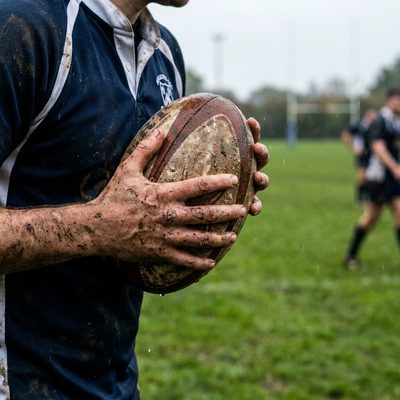
Greasy balls and soft pitches turn tidy handling into a lottery. Here is how to coach your players to keep hold of the ball when November conditions bite.
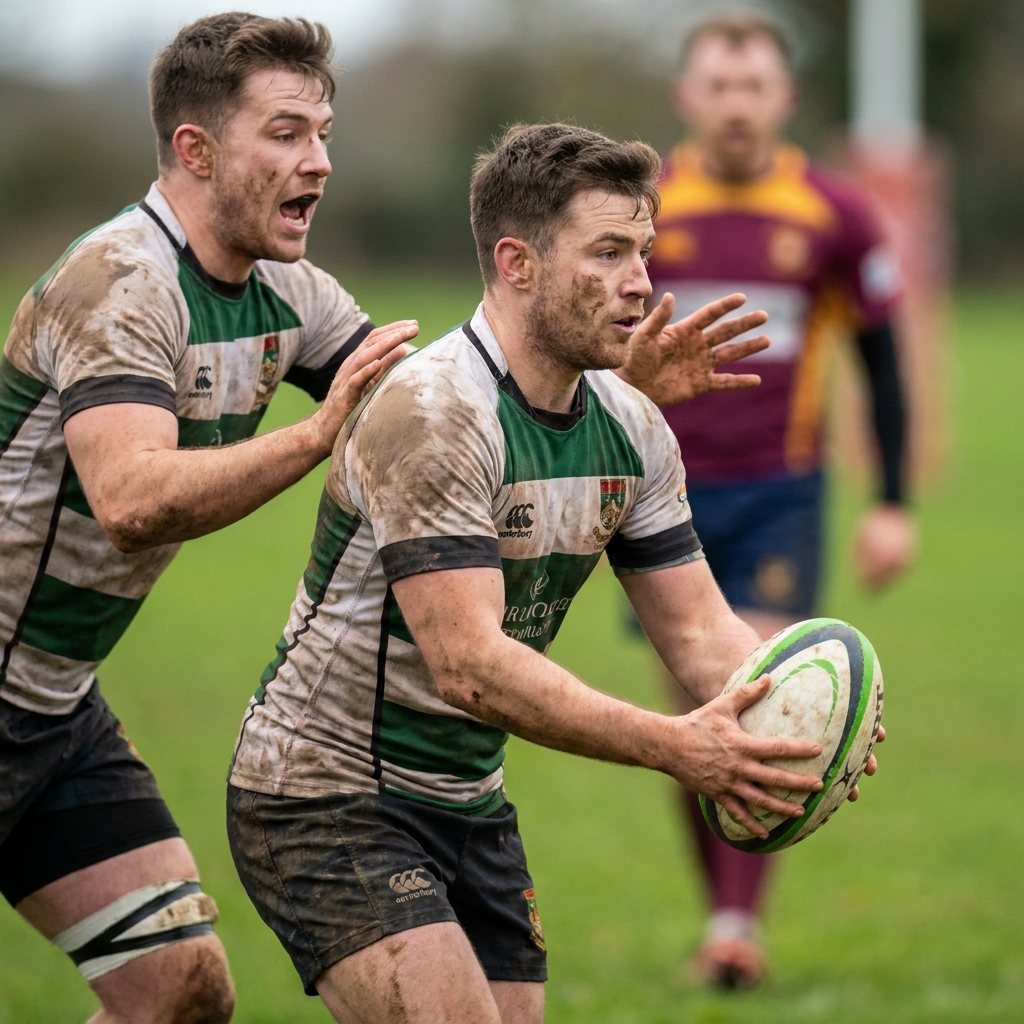
Most line breaks are made by support runners, not ball carriers. Teach the angles, depth and timing that get them there.
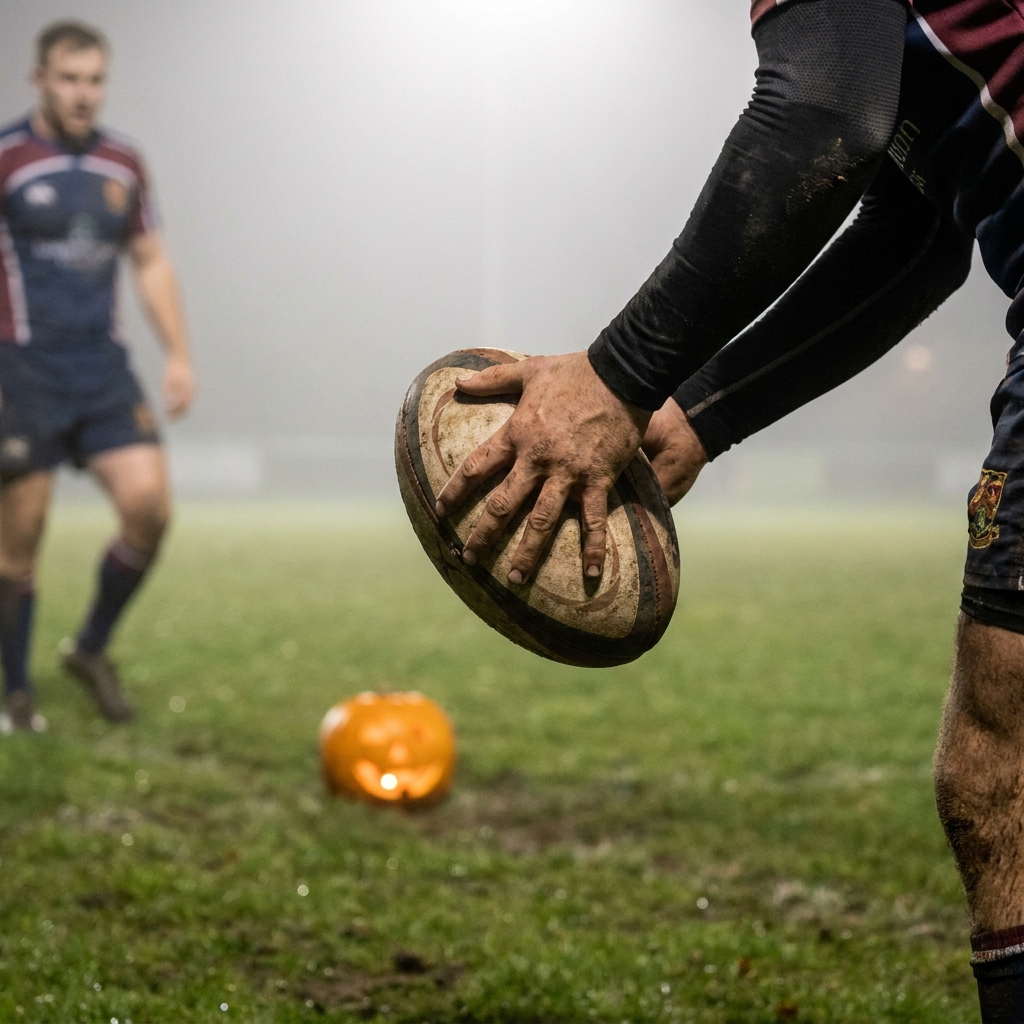
The isolated ball carrier is rugby's spookiest turnover. Here is the five-step fix, plus drills that rebuild support lines fast.
Coaches from around the world look to Sportplan for coaching confidence.
Sportplan rugby has played a large role in my team's love for the game!

I am so pleased with all of the drills and advice on rugby. I am a player for my local club and we don't have a coach at the moment so I, as a senior player, am filling that gap. With your help, the team has been able to improve our skills.

Your tips and session ideas have really brought some interest back to our rugby training. The players and I now really enjoy our training sessions.

Wow what a great website, I have found sportplan an important tool for me when planning my netball sessions with my netball team. There are alot of very helpful tips/ideas/skills that I can learn and teach to my team. Thank you sportplan I hope to continue to use your helpful tips and to learn more about improving my teams netball skills. Thanks again....keep it up....

I have been using Sportplan now for 3 years and can honestly say that I have never repeated the same session twice. My girls are always focused and are improving every year. Thanks Sportplan.
What a fantastic tool. The Chalkboard and session tools make an unbelievable difference in making training plans in both time and organization. I will be instructing all of my assistant coaches that this tool must be used for all sessions during the season, so that we may build a club coaching resource library.
I can't get enough of the Sportplan, It has given me back the enthusiasm i was starting to lose. My girls are so keen and are ready at 14 to take the next up in their game. Sportplan will help no end.