





I have thoroughly enjoyed using your site to help me with my coaching plans for my under 9's netball team.

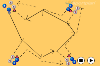
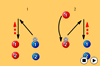
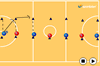
baseline throw in sets

I have a player who tends to hang back behind her partner in games, and then tries to move into position to receive a pass. She signals that she is free but doesn't move quickly enough into position so often loses the ball.No matter how many times we work on this at training, when it comes to the actual games she reverts to her standard play but then gets upset when nobody passes to her. She is fast losing confidence as the other players on the team are all moving beyond her level and she is aware of this. Any ideas?
How to get players to think about position on court and timing
My junior squads tend to ask for a ball to be passed to them, even when there is a defender nearby-often resulting in interceptions. I have tried playing bounce pass only games which works really well, just wondered if anyone had any other ideas I could try ?
How to get players to think about position on court and timing
I have a player who tends to hang back behind her partner in games, and then tries to move into position to receive a pass. She signals that she is free but doesn't move quickly enough into position so often loses the ball.No matter how many times we work on this at training, when it comes to the actual games she reverts to her standard play but then gets upset when nobody passes to her. She is fast losing confidence as the other players on the team are all moving beyond her level and she is aware of this. Any ideas?
Lately my players have been passing to the other team. Their timing is off and their play is way to fast down court.
Defending the Throw In. On the weekend, the opposition had a set play (on some occasions but not all the time). GK was throwing in. The GD, WD & C all gathered between the centre and the 1/3rd line, closer to the 1/3rd line. Each of them broke at different times. 1st GD leading left, then WD leding right and C down the middle. This week if they do that again, I think I will not have my GA/WA/C next to the girls, but 4-6 ft in front of them waiting for the leads on the angle to watch the leads and the throw in. Any other suggestions? we play that team again this week!!
I coach a team of 14/15 year old girls and we have been placed in a higher grade than we are supposed to be in. We are half way through the season and still haven't won a game. I'm stumped for ideas of what to do and need some assistance.
I am coaching an U13s team and at training i am struggling to get them to listen and stop mucking around. Any ideas i can try?
I have a low grade, 10 year old team (3 new players). I can not get the team out of the habit of bunching and standing with hands in the air. I have tried lots of things, some work, but they tend to revert back to bunching when the pressure is on. Can anyone suggest a simple solution.
I coach an under 11 team and we have only lost twice this season, both times to the same team. We are playing them next week in the semi final, how can I motivate my girls to believe they can win? I believe they can but because we haven't beat them yet they believe we will lose. Any ideas would be great.

Recently I have noticed some of my team members have started being nasty towards each other on the court and negative towards others. It is affecting their game and everyone else's. I also have a player complaining about another player behind her back. How do I get my team to become more positive towards each other and re-iterate that we need to get along and encourage each other?
Hi i am new to teaching and im teaching netball to year 5. I have never taught this in my life! Please Help! Do you have to teach the full game or do can you play in mini teams eg 4 groups of 6 without using bibs and positiions. I only have 4 weeks to teach it and they are still practising passing and catching skills, can anyone help please?
After my opponent release the ball can I use my body but not arms to block in front of her so as to prevent her from going to the front?( In centre third) If the opponent just run ahead and crash on the defender, is it a contact?Or in fact the action of the defender preventing the attacker to run towards goal third is obstruction or a rule called" causing contact"?
in more ways than one
 sportplan_netball
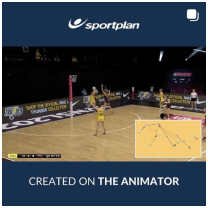
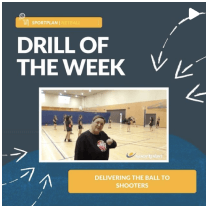
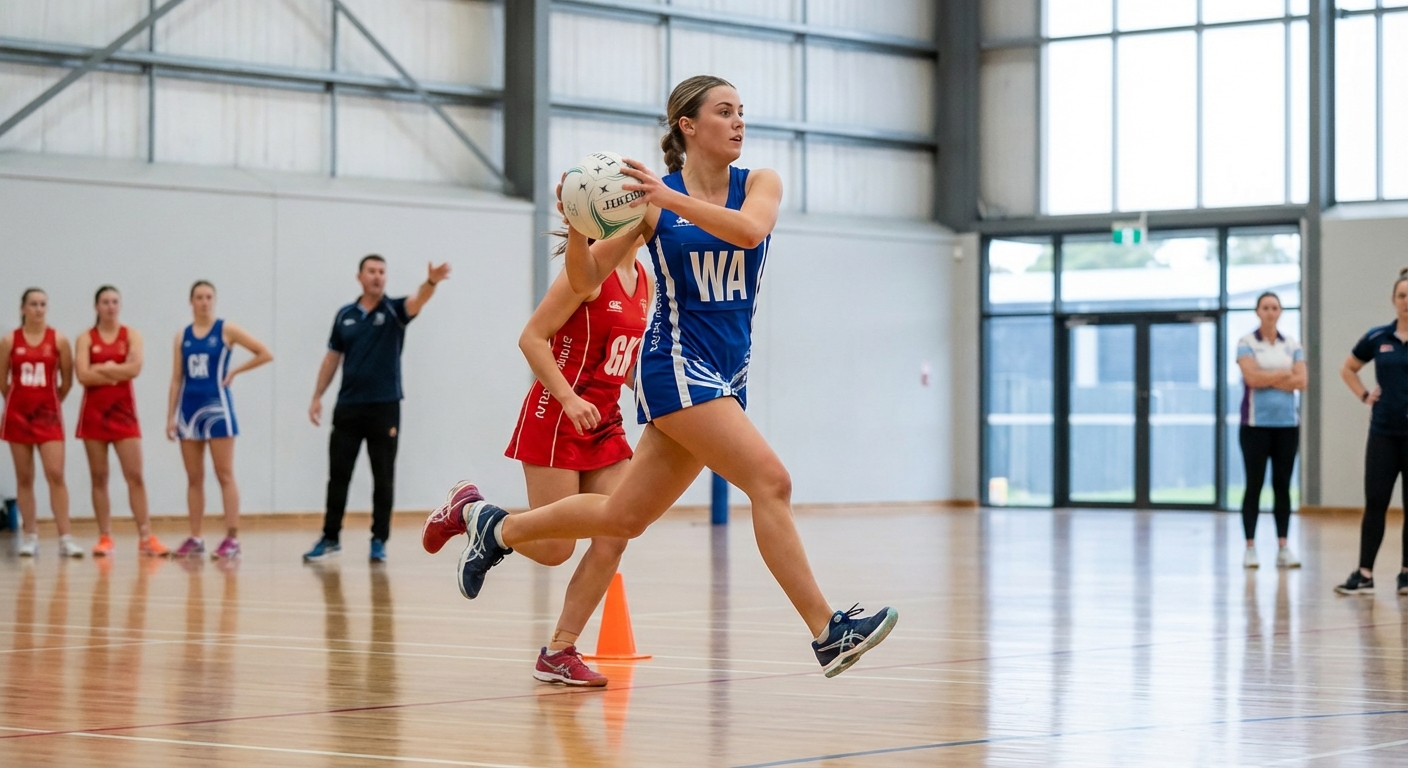
The Wing Attack is the critical link between midcourt possession and circle feeding. This masterclass breaks down the movement patterns, timing, and spatial awareness that separate elite WAs from the rest, with practical drills to develop these skills at every level.
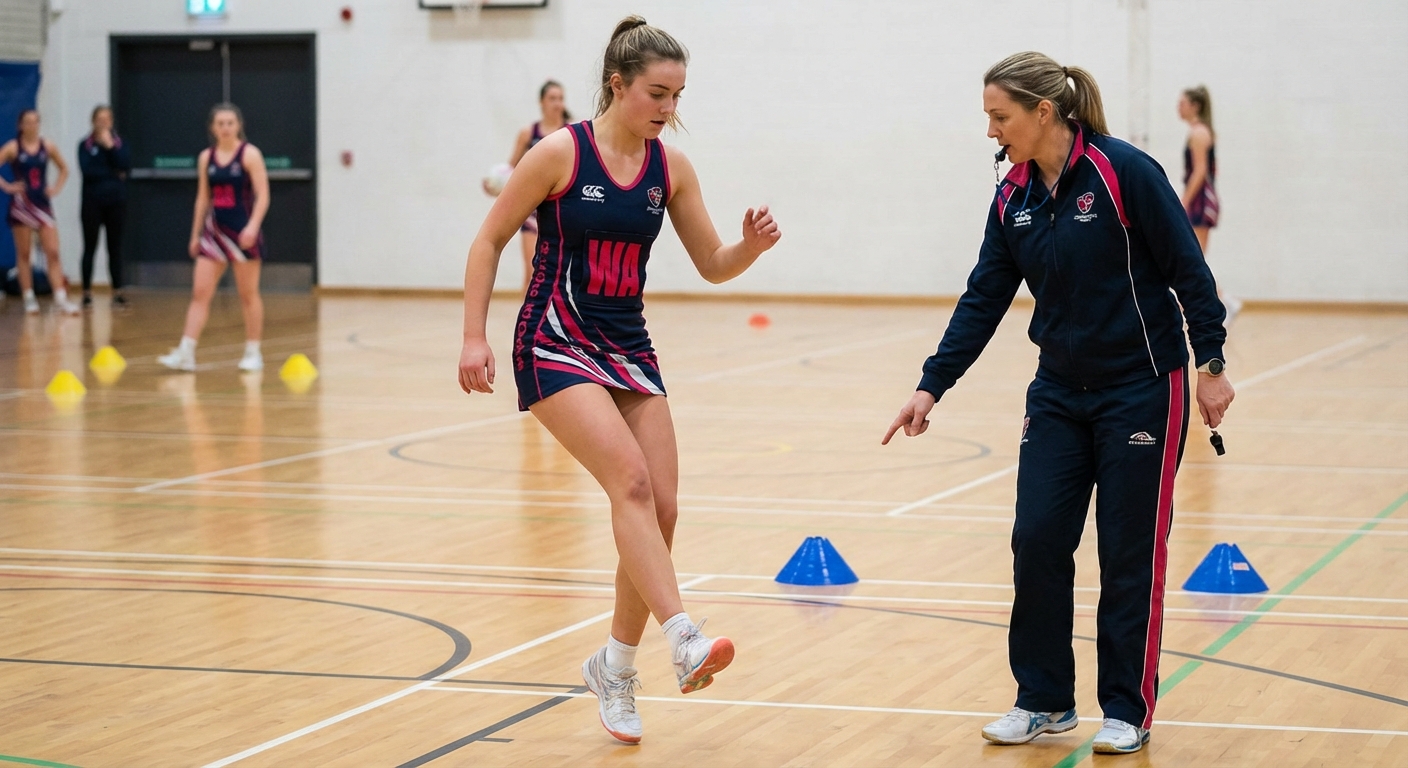
Footwork is the foundation of every skill in netball. This guide provides a clear explanation of the stepping rule, the mechanics of one-foot and two-foot landings, pivoting technique, and progressive drills to build footwork confidence from junior level upward.
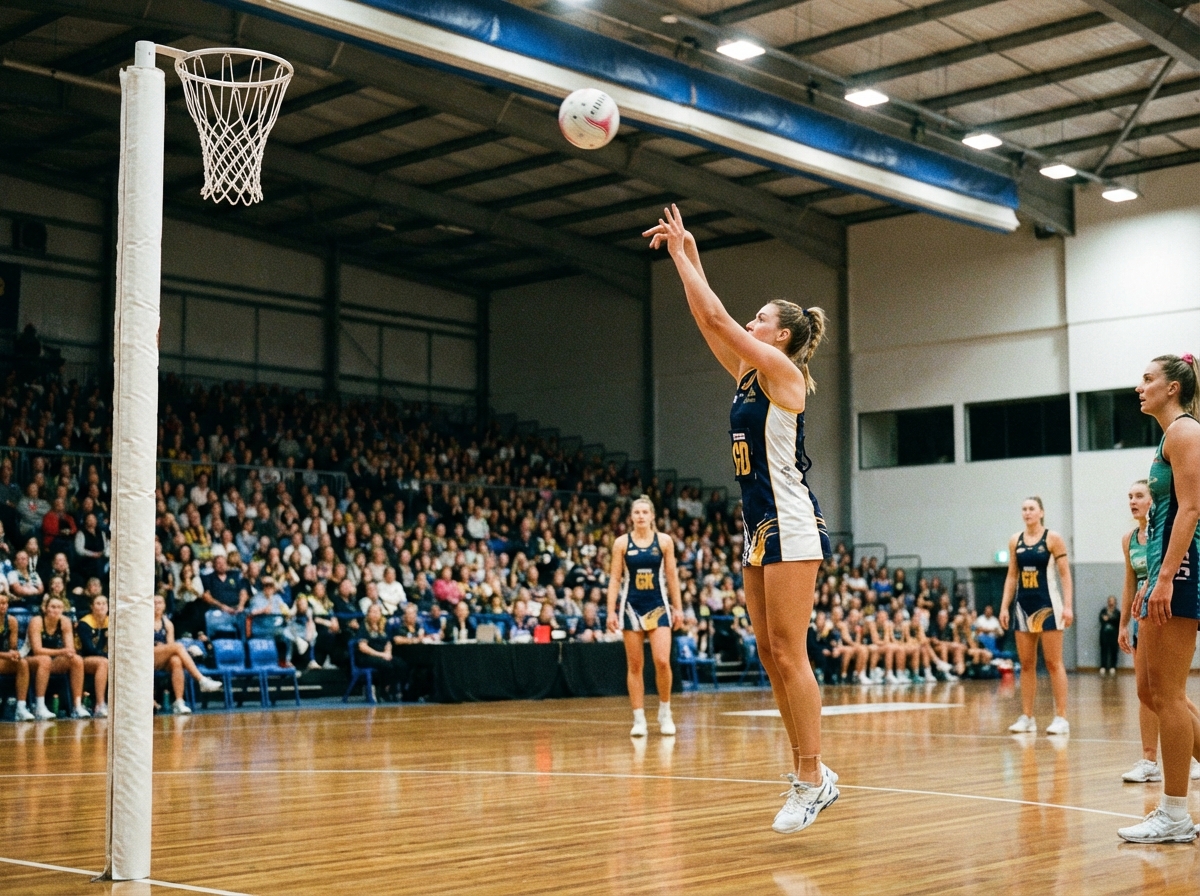
The early 'shoot from anywhere' era is over. Smart teams now use data-driven decision models to decide when the two-pointer is worth it.
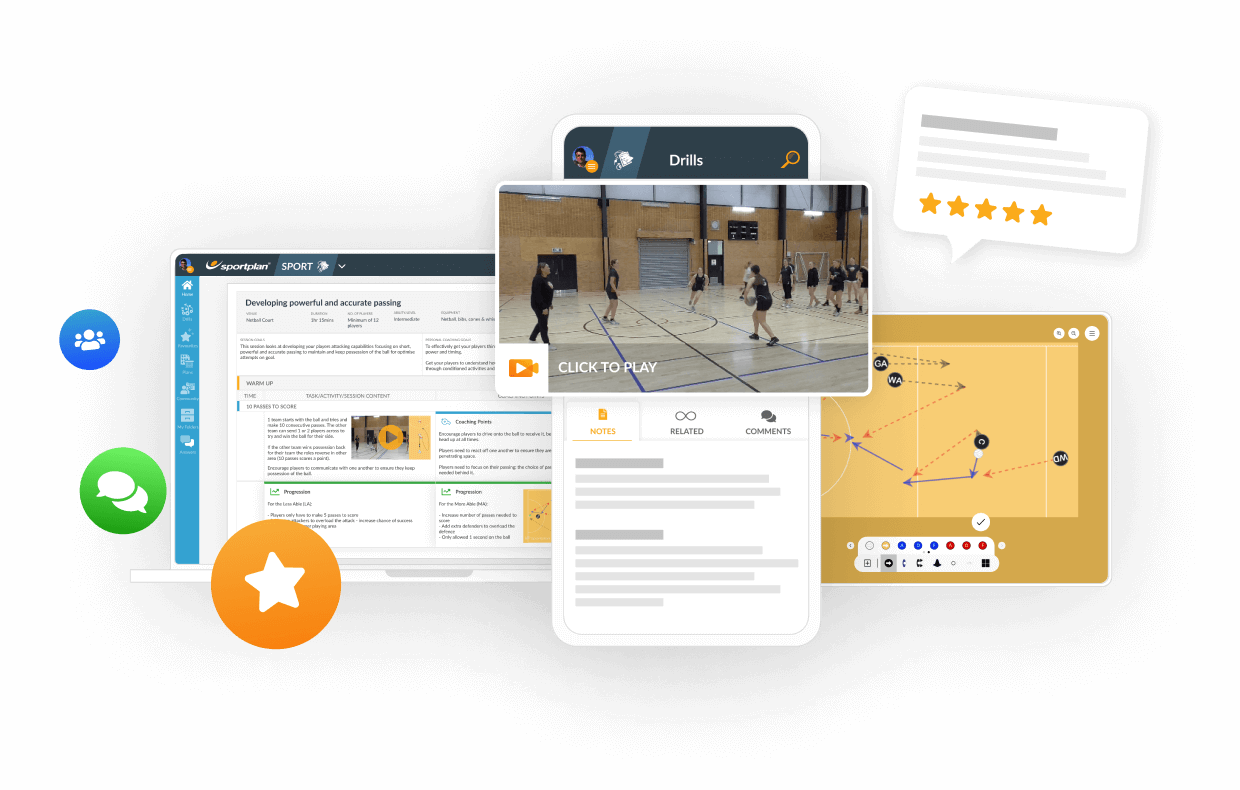
Coaches from around the world look to Sportplan for coaching confidence.
I have thoroughly enjoyed using your site to help me with my coaching plans for my under 9's netball team.

I found this service to be excellent and it was of great help when planning my netball training sessions.

Sportplan is fantastic with all the various drills for every area of netball. My confidence as a coach has improved because I have Sportplan to support me.

Wow what a great website, I have found sportplan an important tool for me when planning my netball sessions with my netball team. There are alot of very helpful tips/ideas/skills that I can learn and teach to my team. Thank you sportplan I hope to continue to use your helpful tips and to learn more about improving my teams netball skills. Thanks again....keep it up....

I have been using Sportplan now for 3 years and can honestly say that I have never repeated the same session twice. My girls are always focused and are improving every year. Thanks Sportplan.
What a fantastic tool. The Chalkboard and session tools make an unbelievable difference in making training plans in both time and organization. I will be instructing all of my assistant coaches that this tool must be used for all sessions during the season, so that we may build a club coaching resource library.
I can't get enough of the Sportplan, It has given me back the enthusiasm i was starting to lose. My girls are so keen and are ready at 14 to take the next up in their game. Sportplan will help no end.