How do I break a bad habit of bunching?
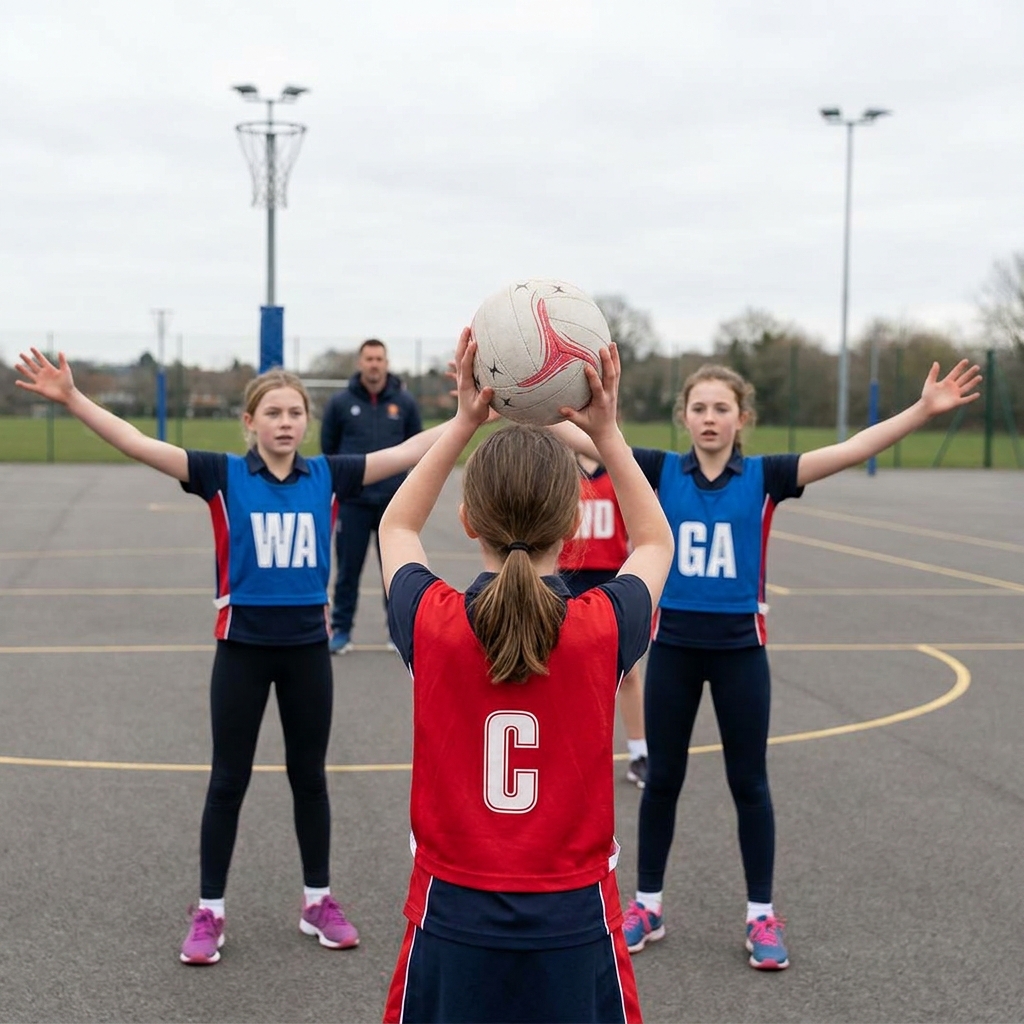
I have a low grade, 10 year old team (3 new players). I can not get the team out of the habit of bunching and standing with hands in the air. I have tried lots of things, some work, but they tend to revert back to bunching when the pressure is on. Can anyone suggest a simple solution.


No simple solution here. But one place to start is for the kids to gain an understanding of why they shouldn`t bunch. I do the following exercise to try and illustrate the point to the kids in a meaningful way.
*Mark out a small area. It depends on how many kids you have but I often find dividing one of the thirds in half, or a quarter does the trick.
*Kids are paired into one attacker and one defender and originally I act as thrower. The attacker is tasked with getting free and receiving a pass in the area that you have marked off. Most kids have no trouble with this. As it is happening I talk to the kids highlighting the way they lost the defender. eg nice lead, nice dodge etc...
After all the team has had a number of turns we do the same thing except this time the other pairs stand in the area with their hands up. Now the players have trouble completing a straight drive or a dodge because players are in their way and other hands can grab the ball.
I know it sounds basic but I find the kids get the idea really quickly. With the younger ones I explain that the spaces where we need to catch the balls are stages and only one diva whould be moving into it at a time.
It is also important for the kids to have an understanding of who should be going for the ball. Wiser heads than mine have helped me at the club I am coaching at and they are big believers in the team bringing the ball from behind the defence goal line one throw at a time and looking at the options for each throw. Who could go for the ball and who shouldn`t and why.
Good luck with this X

it is a LONG road to teach this skill, it is just trying to find something that they will relate to. and when the game hits they revert to what they know. try a reward system. the player that spreads out the best will get x (i have a team trophy i had out to the player who i feel did best during the game and training), but chocolate or a choice of warm up game, or somethign you think they would like.
No simple solution here. But one place to start is for the kids to gain an understanding of why they shouldn`t bunch. I do the following exercise to try and illustrate the point to the kids in a meaningful way.
*Mark out a small area. It depends on how many kids you have but I often find dividing one of the thirds in half, or a quarter does the trick.
*Kids are paired into one attacker and one defender and originally I act as thrower. The attacker is tasked with getting free and receiving a pass in the area that you have marked off. Most kids have no trouble with this. As it is happening I talk to the kids highlighting the way they lost the defender. eg nice lead, nice dodge etc...
After all the team has had a number of turns we do the same thing except this time the other pairs stand in the area with their hands up. Now the players have trouble completing a straight drive or a dodge because players are in their way and other hands can grab the ball.
I know it sounds basic but I find the kids get the idea really quickly. With the younger ones I explain that the spaces where we need to catch the balls are stages and only one diva whould be moving into it at a time.
It is also important for the kids to have an understanding of who should be going for the ball. Wiser heads than mine have helped me at the club I am coaching at and they are big believers in the team bringing the ball from behind the defence goal line one throw at a time and looking at the options for each throw. Who could go for the ball and who shouldn`t and why.
Good luck with this X

 sportplan_netball