I have thoroughly enjoyed using your site to help me with my coaching plans for my under 9's netball team.

need help planning 4 linked session plans for my group of girls age 16-18 mixed ability

I'm coaching u/10's and have an excellent A team, but the B team have learners who haven't been playing netball so long. Does anyone have one or two basic activities, easy to understand (for them) which I can drill them with for passing, defending and getting free, as well as something for the shooters. They are always all over the place (we do practice channels) and really struggle to get free - they run a bit and then just stop to wait for the ball. Anything, even just some advice would be appreciated! :)
Help... I am new to coaching netball albeit have played for years. My experience in playing comes from being an attacker so trying to work with my defence, is proving tricky. The issue I have is that both my GD and GK face mark. I have tried numerous drills in training however as soon as they get in to a match, they revert back to face marking. When the ball is coming down the court, I encourage them to stay on their toes, side marking and moving in front and round the back however when the GA or the GS moves out, the face marking starts. We have had balls bounce of the backs of heads and all sorts. Does anyone have any tips? Di

My GD was do face marking in a game and doing a fantastic job at blocking the GA entering the circle and not being able to shake her off, the umpire for the other team repeatedly called her for intimidation.To me it did not appear to be intimidation and the player herself umpires and sees this in many of the high level games. She is not pushing, no arms are used in fact it is the other players pushing into her. Is this intimidation I thought that was a pretty tough call. What constitutes as intimidation?
I was playing GS today and marked by a very tall GK. As I was watching the ball come forward, I moved to the top of the D but she didn't stay with me and remained behind me. I couldn't see her and was unsure if I should stay close to her to be aware of where I could move, or to just move where I wanted. My back was turned to her as I was facing where the ball was, should I be side on to see her in my peripheral vision but not stay with her, or should I keep marking her to hold her then come forward when appropriate? I would be grateful for any advice, thank you,
I am not sure how to teach my girls how to defend a shooter who catches a pass with the splits and then sets up to shoot. Can anyone assist. Girls are aged 15 & 16yrsthanks
What is the best way for players 11-13 to mitigate the affect of open players using their elbows. It is brought to the umpires attention and they do their best. However, I have in the last few weeks heard 2 different coaches (when I was observing games - hence I could hear the coach) give instructions to her players to "use elbows and intimidate". Seems a growing trend based on what a lot of players are doing on court in a range of teams. Defensively my players are starting to shy away from staying close to their oppn player. When on attack - I tell them to keep moving so the oppn defense can't set up on them and use the elbow. The poor GS particularly is getting really knocked about a lot of time as she is trying to execute a hold sometimes.
I am planning a Netball session focused on defending for my BTEC. What questions could i ask them about defending?

Hello - i am looking for a few GD tips on the best way to defend a shooter that receives the ball a couple of ways as i always struggle to get around them when they do these moves! First way is that the shooter lunges out very wide (practically doing the splits) to receive the ball from the feeder on the circle edge and steps back closer to the net with the foot that is closest. I can defend her getting close to the net, but then she turns to the feeder and jumps and splits - thus always ending up close to the net. The second way is when the shooter stays quite stationery under the net, a couple of foot off the back line and holds her space there. she receives the ball by a large over head pass, so she steps back slightly on one leg to receive the ball from the feeder. what would be the best way to defend all the large overhead long passes to her, or draw her out? any help or some ideas i can try would be great! thank you :-)
My GD is tall and has a very good stretch when marking the shoot. She anticipates well, and when she sees the shoot about to release the ball, times her action and from her stretch, flicks her hand to try to deflect the ball from its path. In a recent game, she was continually pulled for contact when doing this. She felt either the shoot had raised the ball up into her hands (and it should have been the GD's possession), or the shoot had actually released the ball before she then deflected it, rather than her knocking the ball from the shoots possession. The umpire after the game was happy to discuss and said the GD had been penalised for knocking the ball out of the shoots hands, and should have stuck with the stretch and not added the flick. Any advice?
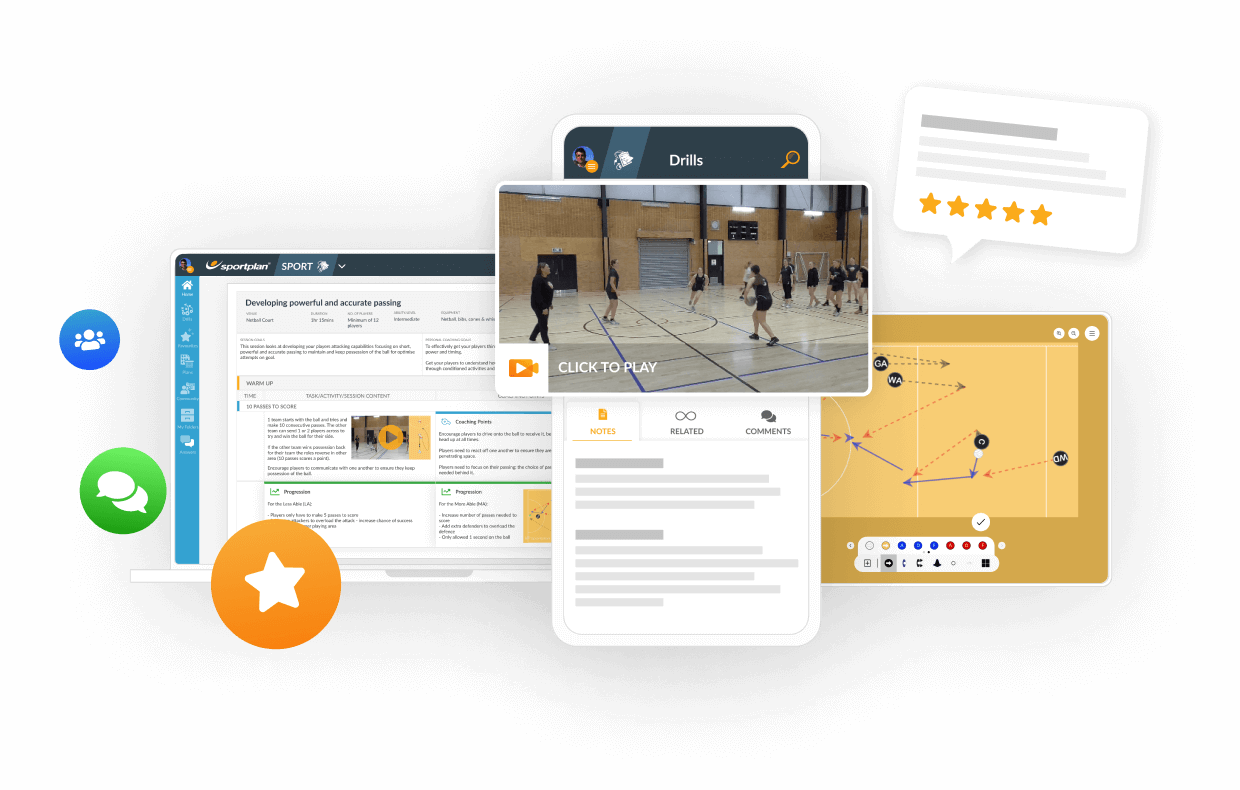
Ask a question and have it answered by Coaches from around the world and Sportplan's team of Experts.
i need to know some techniques when marking a player in netball.
need help planning 4 linked session plans for my group of girls age 16-18 mixed ability
Hello want to clear someone up. If GS is taking a shot is GK able to stand directly in front of them (less than 3 feet) but with their arms down or is that considered as obstruction?
Defending off court player.When a player in general play goes off court to improve her position , does the defender HAVE to allow her onto the court ? OR can she block her from returning. Eg shooter on one side of the circle goes off court around the goalpost and tries to return to court on the other side but defender {on court} blocks her from returning. Is this legal ???
in more ways than one
 sportplan_netball
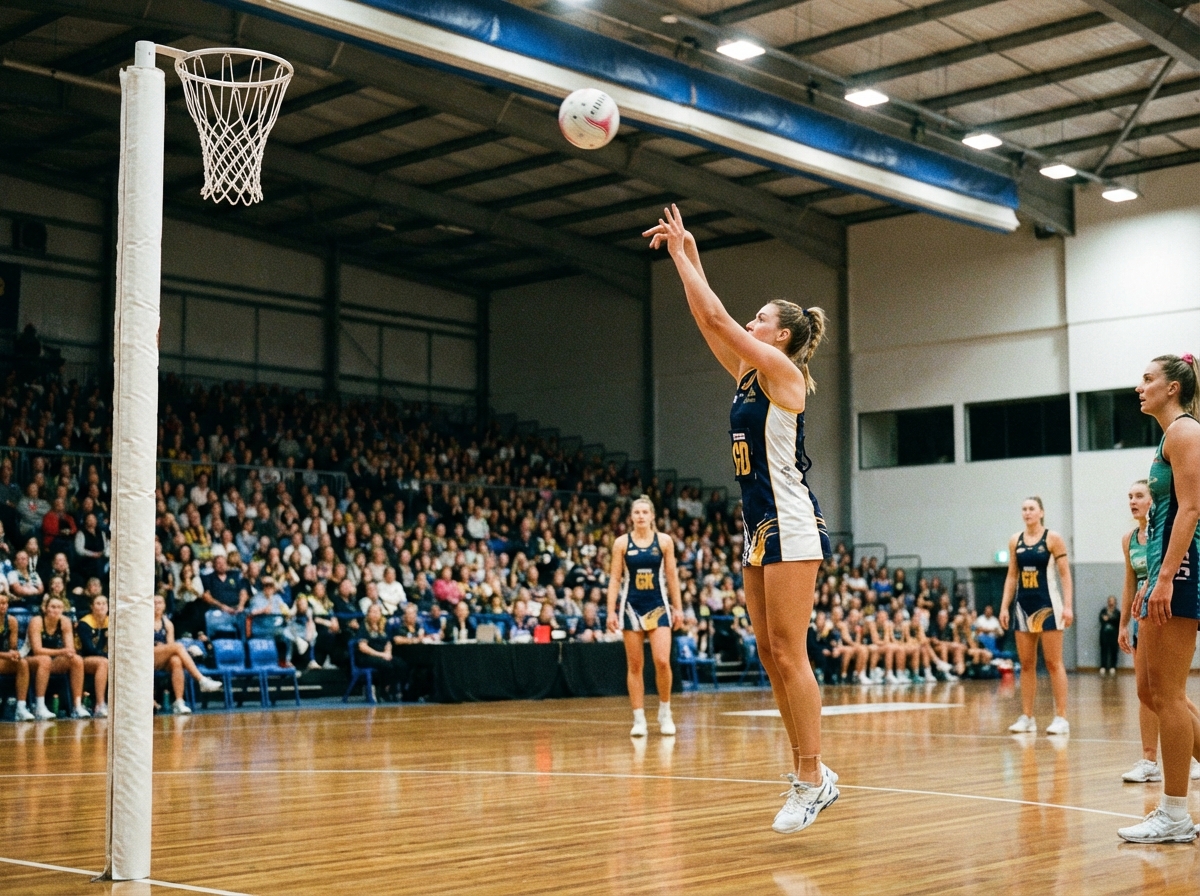
The early 'shoot from anywhere' era is over. Smart teams now use data-driven decision models to decide when the two-pointer is worth it.
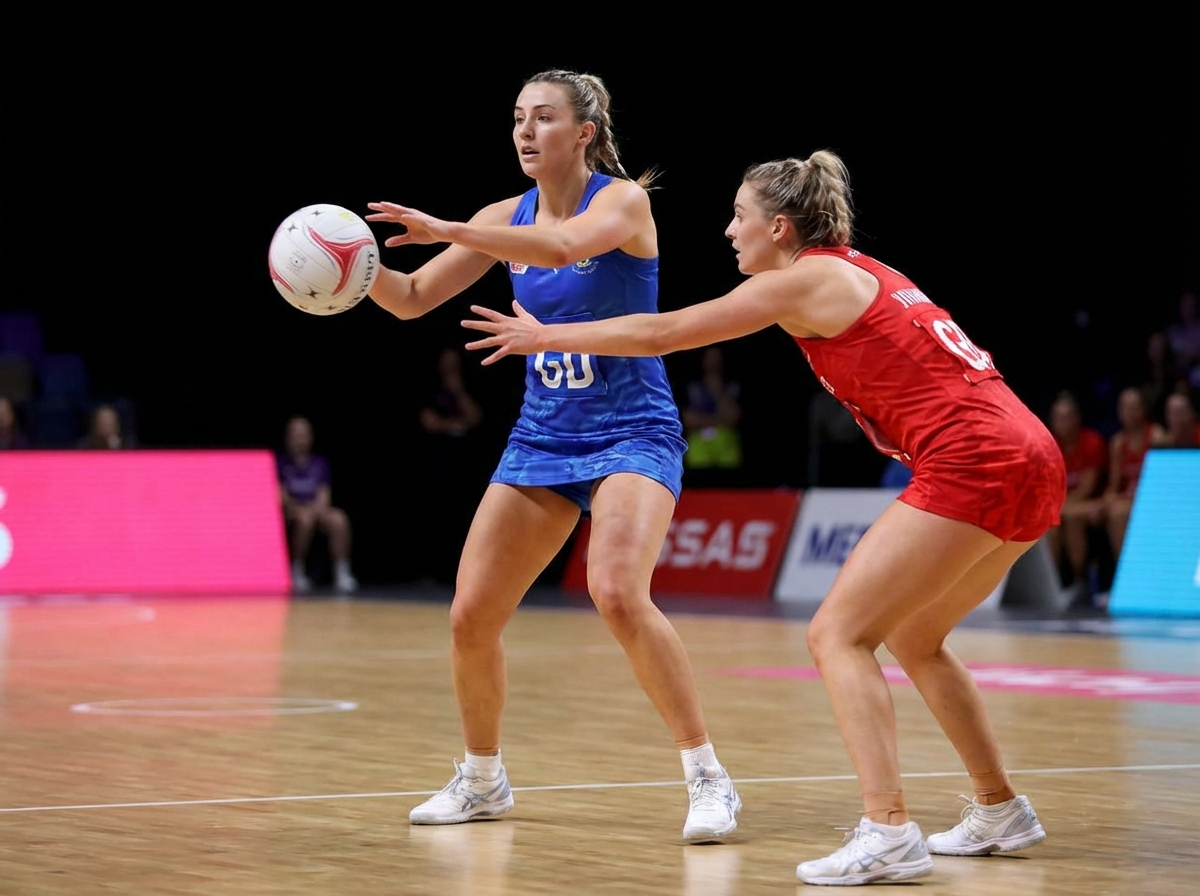
The short pass is being penalised more consistently in 2026. Here's how to train proper passing technique and eliminate hand-offs under pressure.
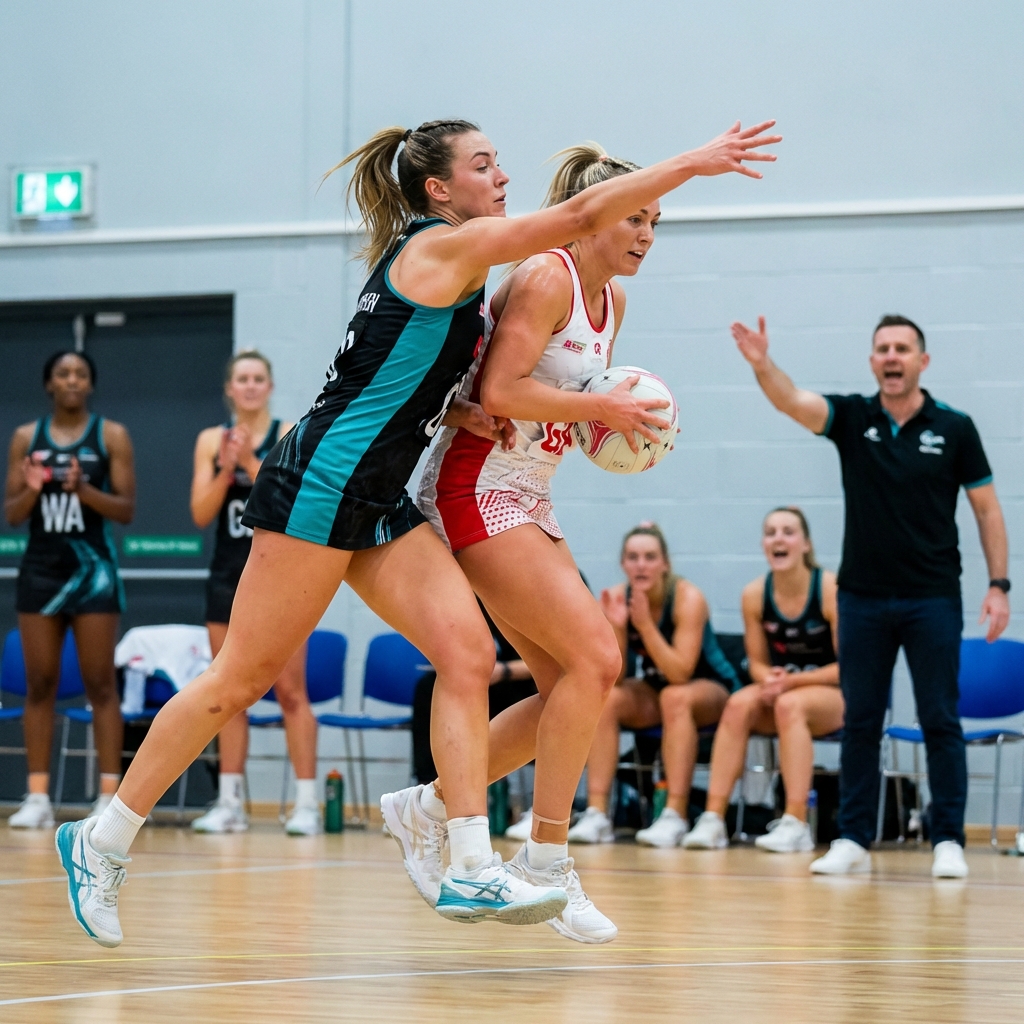
No more 50/50 toss-ups. When simultaneous infringements occur, possession now goes to the team that last had the ball. Here's what it means for your coaching.
Coaches from around the world look to Sportplan for coaching confidence.
I have thoroughly enjoyed using your site to help me with my coaching plans for my under 9's netball team.

I found this service to be excellent and it was of great help when planning my netball training sessions.

Sportplan is fantastic with all the various drills for every area of netball. My confidence as a coach has improved because I have Sportplan to support me.

Wow what a great website, I have found sportplan an important tool for me when planning my netball sessions with my netball team. There are alot of very helpful tips/ideas/skills that I can learn and teach to my team. Thank you sportplan I hope to continue to use your helpful tips and to learn more about improving my teams netball skills. Thanks again....keep it up....

I have been using Sportplan now for 3 years and can honestly say that I have never repeated the same session twice. My girls are always focused and are improving every year. Thanks Sportplan.
What a fantastic tool. The Chalkboard and session tools make an unbelievable difference in making training plans in both time and organization. I will be instructing all of my assistant coaches that this tool must be used for all sessions during the season, so that we may build a club coaching resource library.
I can't get enough of the Sportplan, It has given me back the enthusiasm i was starting to lose. My girls are so keen and are ready at 14 to take the next up in their game. Sportplan will help no end.