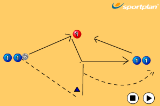
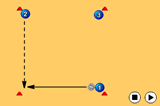
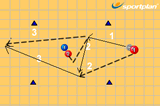
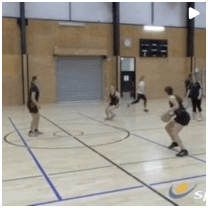
Players take it in turns to run through the defender's areas as pairs. The player without the ball leads into the space. Working together they should try to pass and move, maintaining possession of the ball, from one side to the other.
If players successfully pass and support each other to the other side without losing the ball they pass the ball to the next pair and then join the back of the queue.
If the ball is intercepted though the pair who lost the ball become the defenders and the original defenders take the runner's place at the back of the queue.
Defenders must retreat to the half way before the first pass is made.
To start with defenders should remain passive. As the drill progresses so too should the defender's role in this drill.
in more ways than one
 sportplan_netball

in more ways than one
sportplan_netball
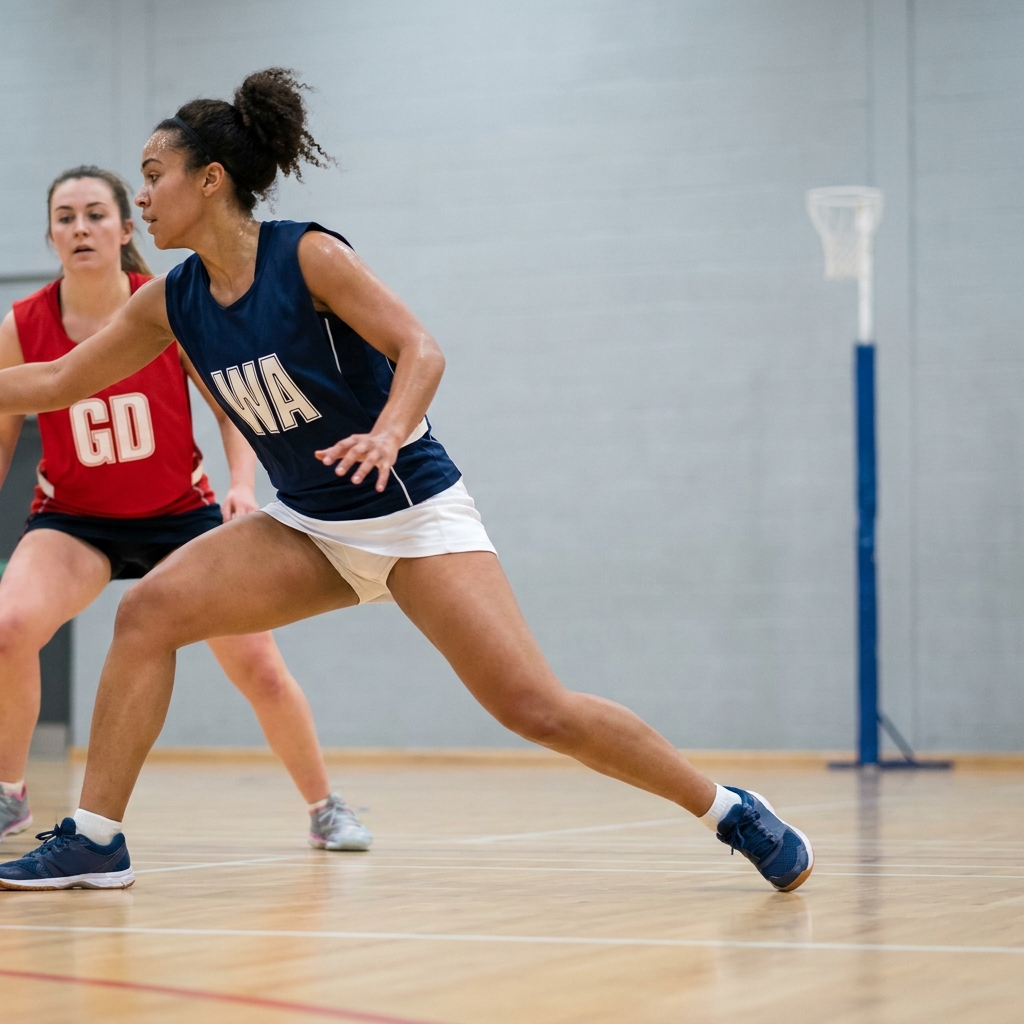
Tight markers win when attackers run in straight lines. Teach your players to dodge, change pace and time their drive so they get free when the ball is ready.
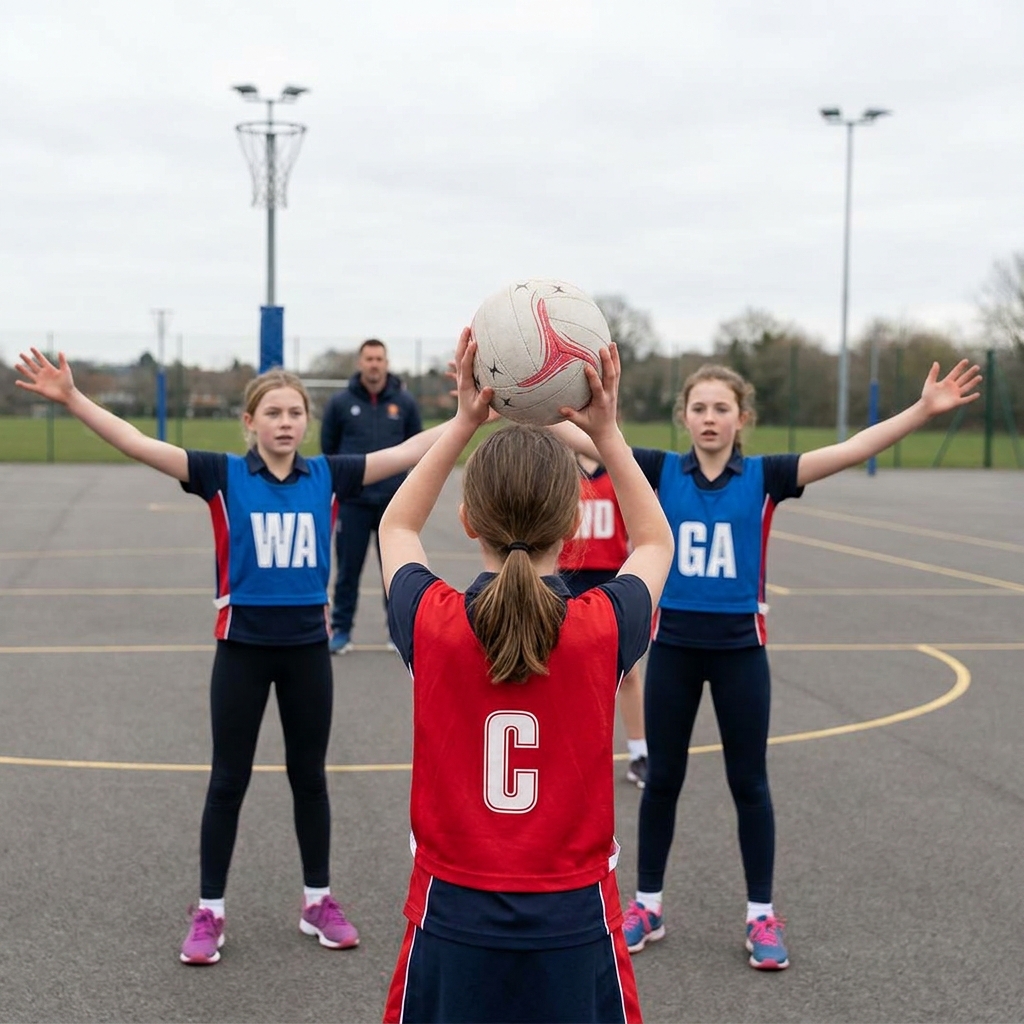
When everyone chases the ball, nobody is free. Teach your team to spread out, offer two options and clear space so the ball moves cleanly down court.
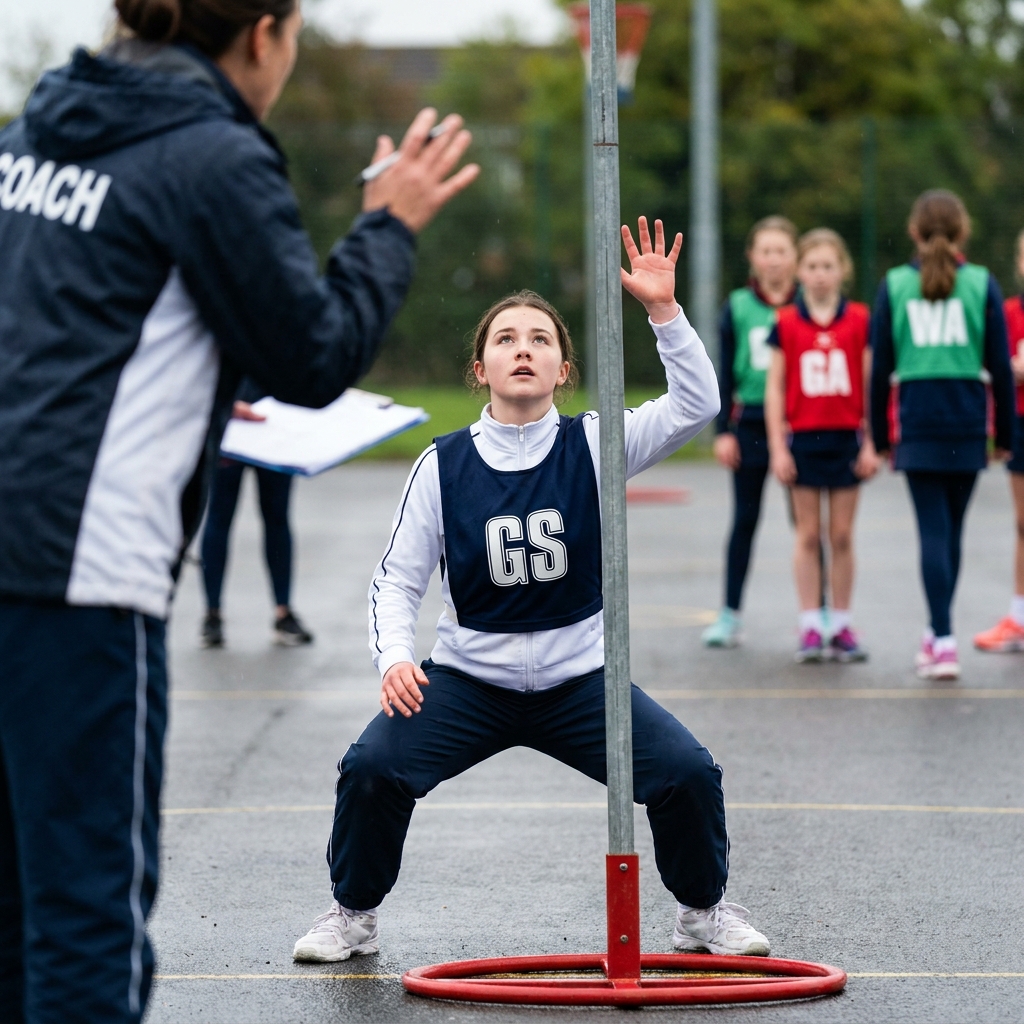
A shooter who can hold a strong position under the post is worth more than one who runs all over the circle. Here is how to coach body shape, a legal hold and a well-timed release, and how feeders make the most of it.