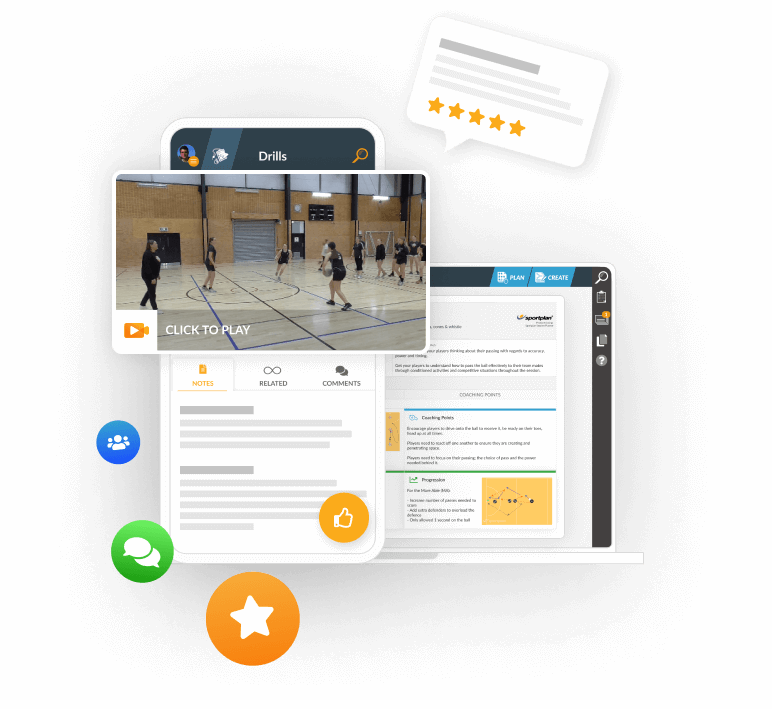
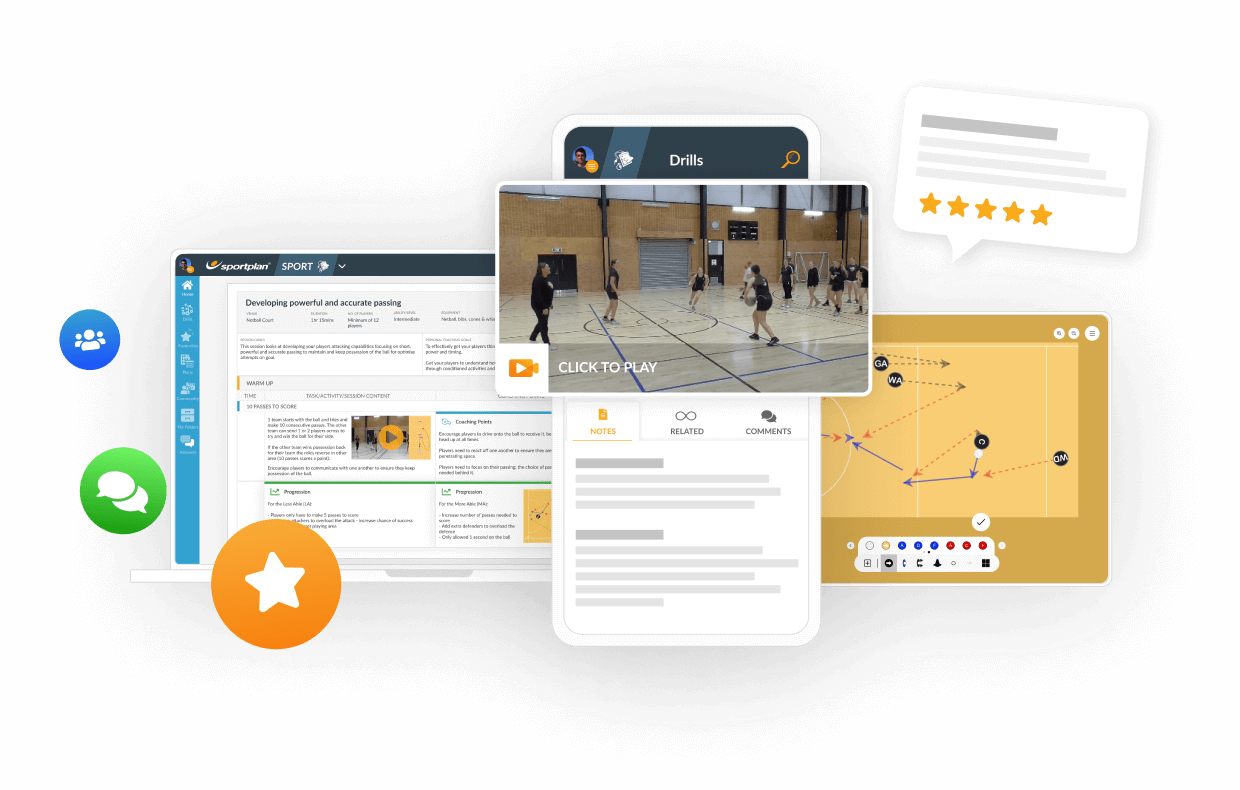
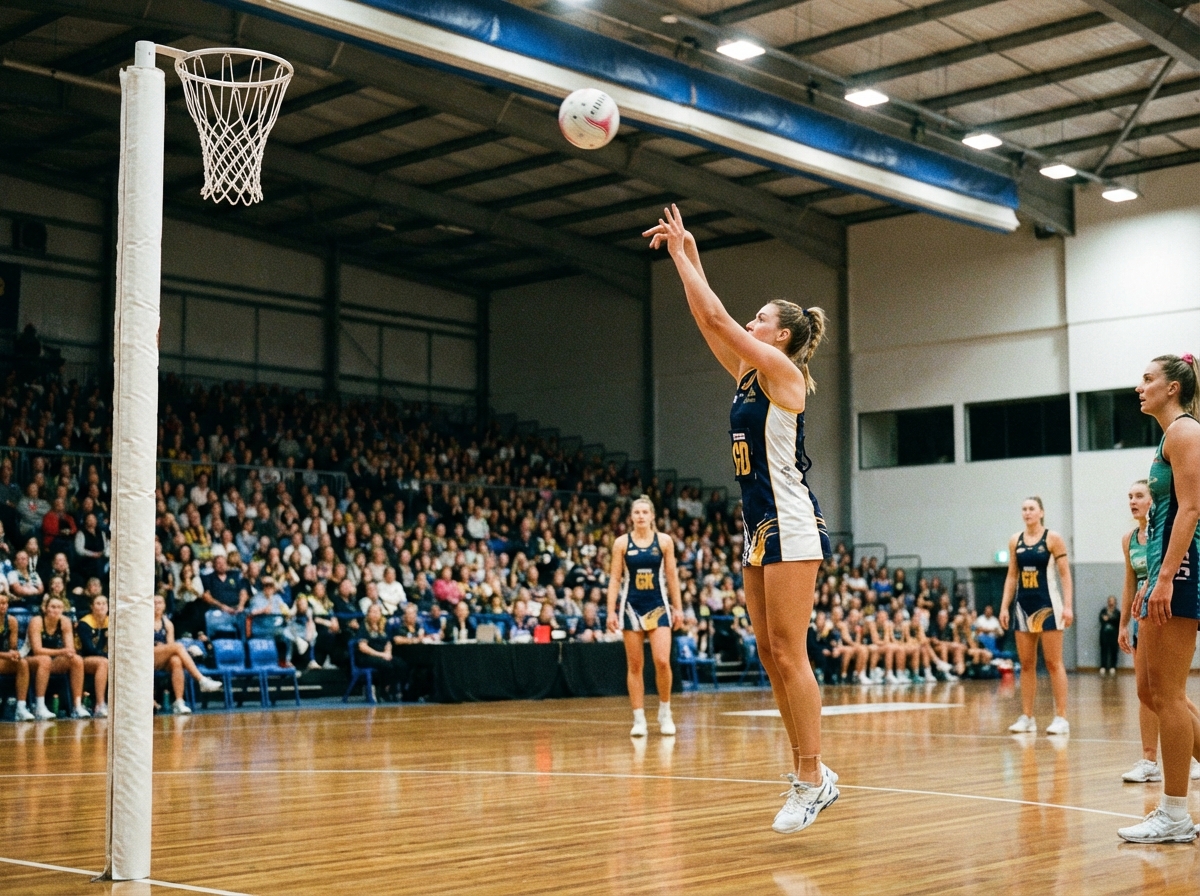
In order for the Goal Shooter to play assertively she must first gain confidence in her Rebounding ability. Which is why this first drill will help all four of the individuals to anticipate where the Rebound will go when the ball hits particular areas upon the post. The first drill will include only one individual working at one time with one netball and one individual working as the feeder, within the D I will place five coloured spots at various areas and one spot outside of the D where the feeder will be placed. The person who is working the drill will then begin to run to a coloured spot and catch a netball off the feeder and throw up a shot if the netball goes in the net then she claims the ball sends it back to the feeder and continues onto the next spot. However, if the ball does not go into the net then the person working must get the rebound. As the individual is unopposed within the D it should be a reasonable objective. Once the person working has been to all five spots within the D then the players swap and the drill continues. For the shooters this will not only give them practice with shooting but also allow them to snatch the rebound if they are to miss. For the defenders who will also take part in the drill it will allow them to think like a shooter which will help anticipation of where a netball will rebound which will help them defend a shooter when in a match situation.
in more ways than one
 sportplan_netball
in more ways than one
sportplan_netball
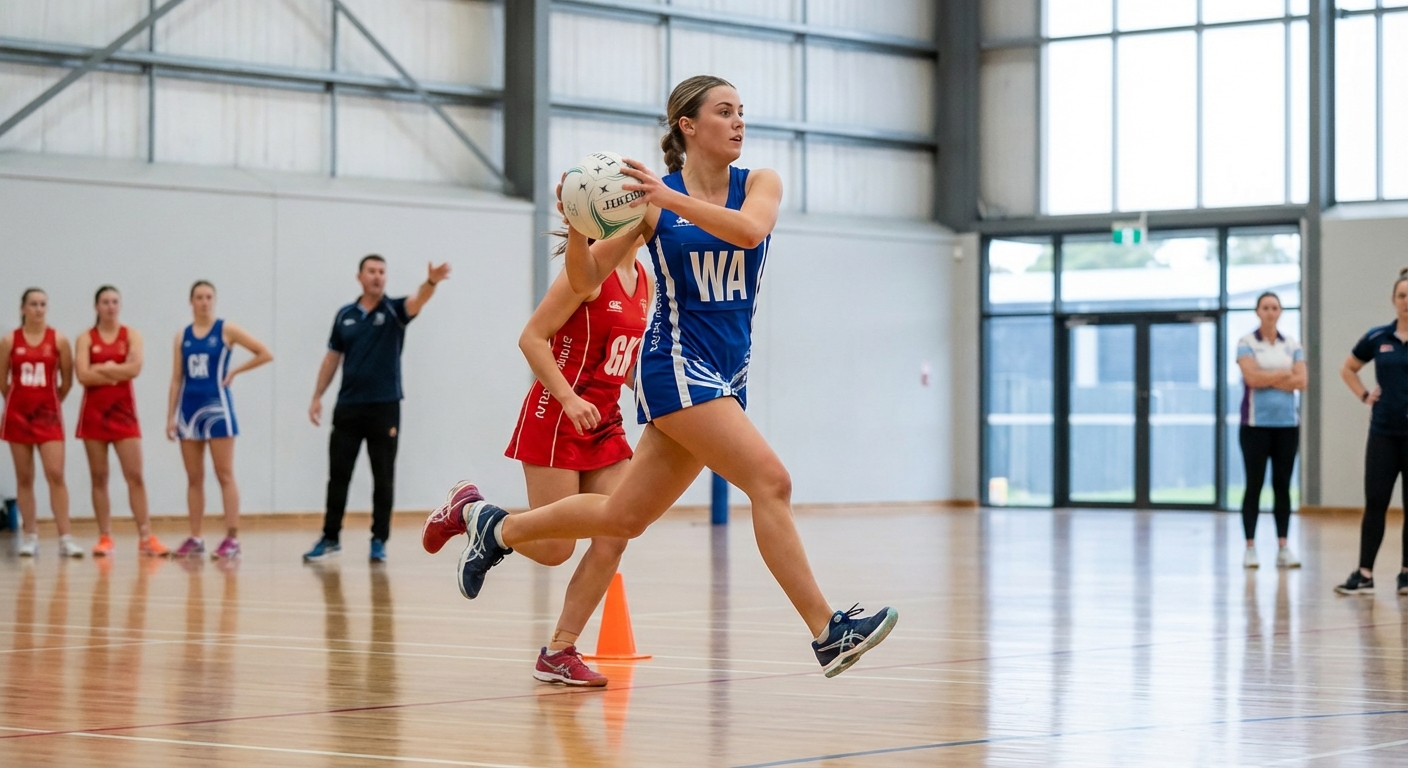
The Wing Attack is the critical link between midcourt possession and circle feeding. This masterclass breaks down the movement patterns, timing, and spatial awareness that separate elite WAs from the rest, with practical drills to develop these skills at every level.
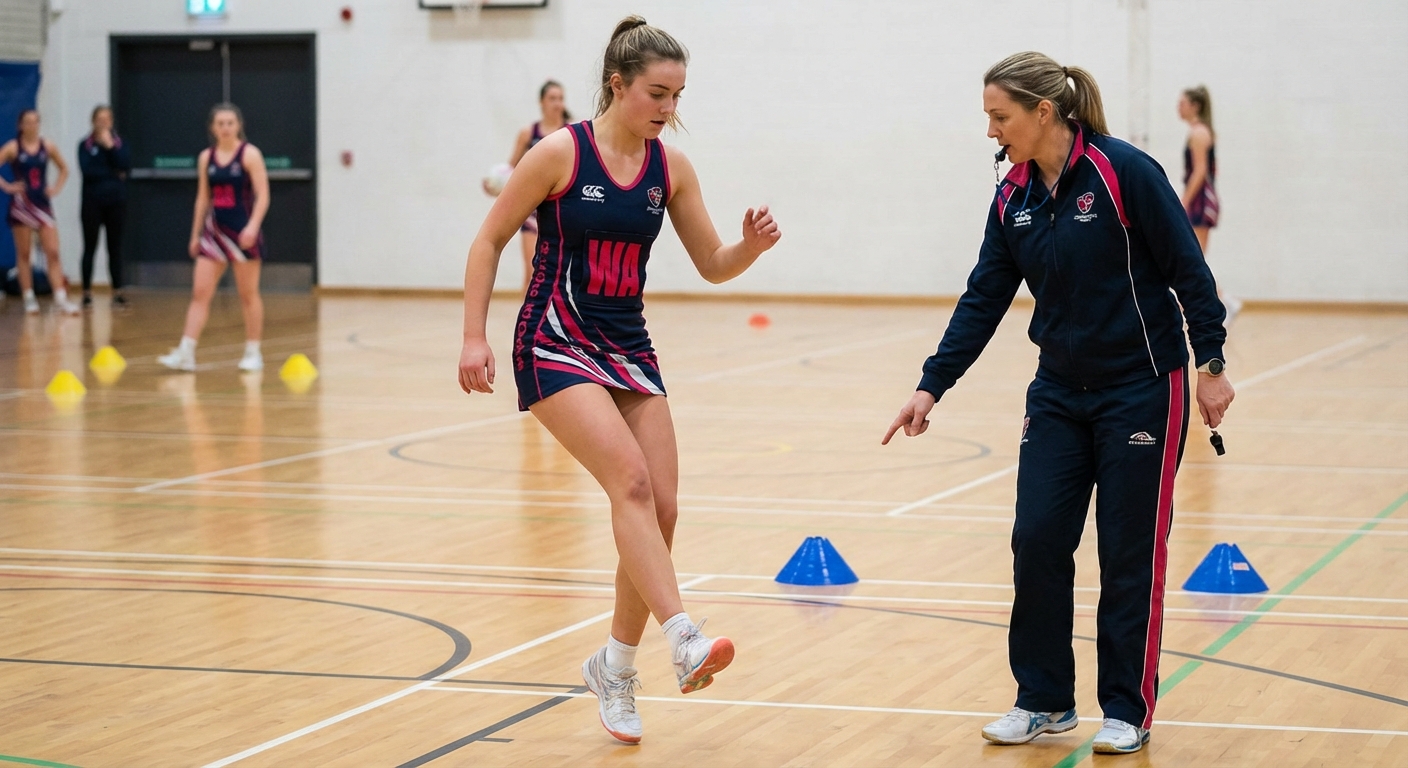
Footwork is the foundation of every skill in netball. This guide provides a clear explanation of the stepping rule, the mechanics of one-foot and two-foot landings, pivoting technique, and progressive drills to build footwork confidence from junior level upward.
The early 'shoot from anywhere' era is over. Smart teams now use data-driven decision models to decide when the two-pointer is worth it.