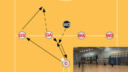
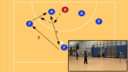
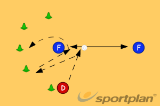
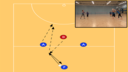
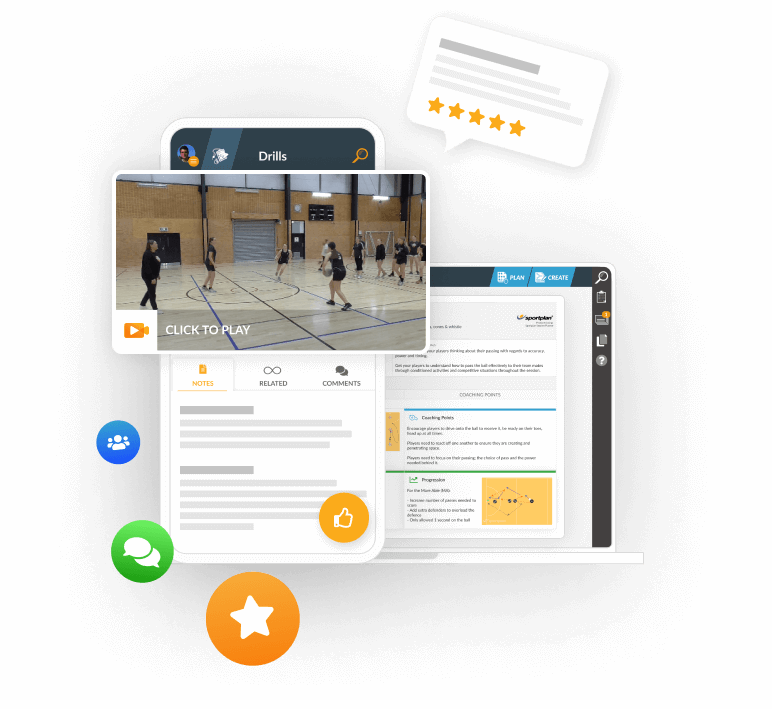
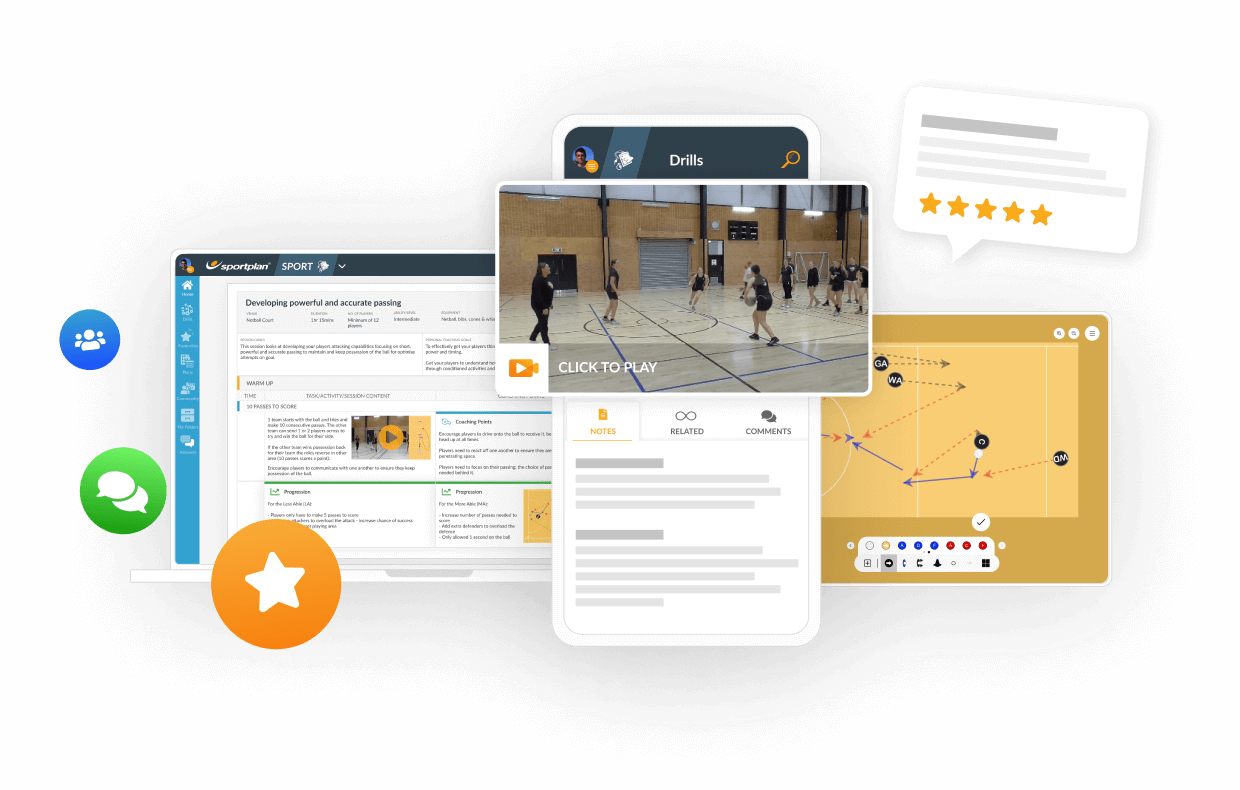
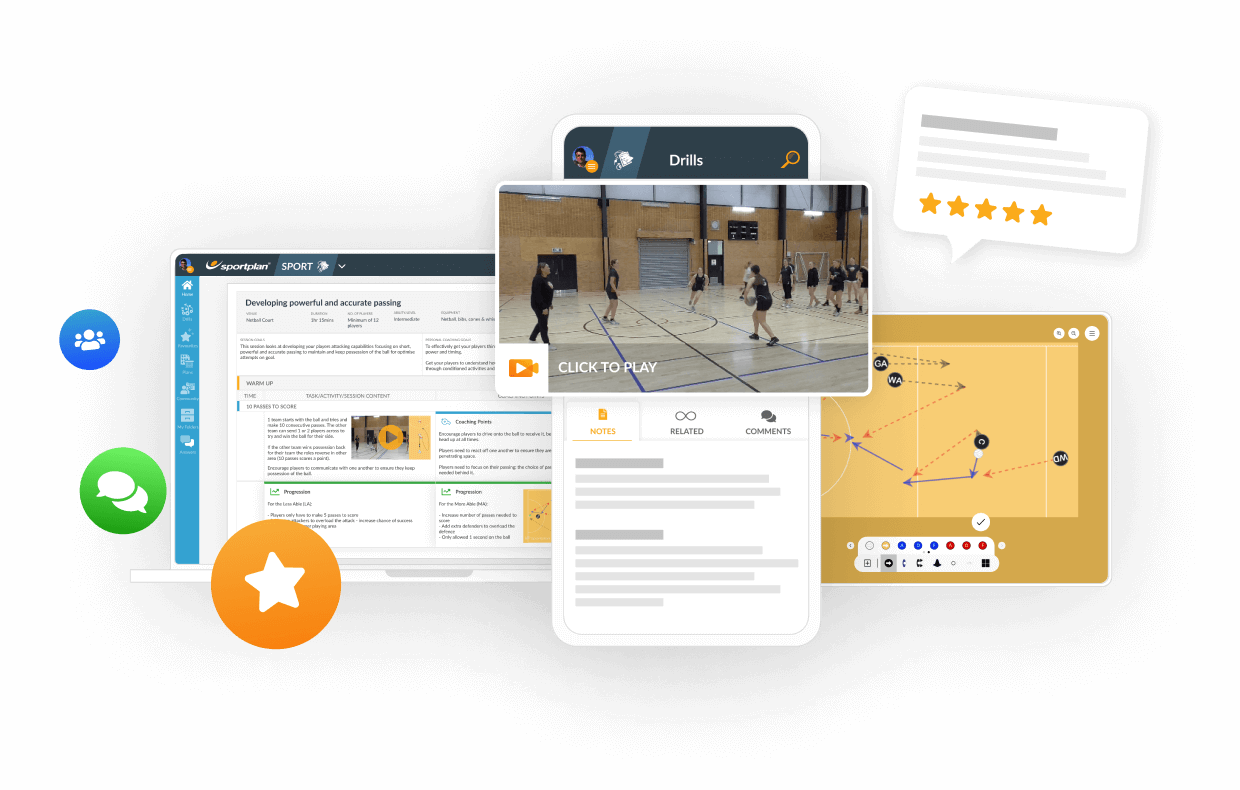
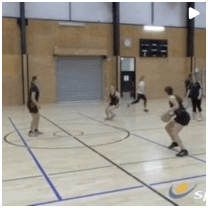
Set up 4 feeders in Compass positions (North, South, East, West), with 2 defenders standing behind the W feeder and to the side. The E feeder begins the drills by passing to either the N or S feeder. Whichever N or S feeder has the ball then passes to the W feeder and the Defenders can go for the intercept. If the defenders go too early then the N/S feeder with the ball has the option to pass opposite instead and the other N/S feeder will play the ball to the W feeder. The W feeder only ever plays the ball to the E feeder. The W feeder also has a ball at the start and after the E feeder has released their ball then the W feeder passes their ball to the E feeder so that there are 2 balls in play.
This practice develops decision making and passing/catching under pressure.
The defenders should work together, using good communication and directing each other. This gets them in the habit of talking, as they should in a game.
If this is too challenging for the defenders then you can take away the option for the N/S Feeders to pass to each other so the defenders just have to get the intercept to the W Feeder.
in more ways than one
 sportplan_netball
in more ways than one
sportplan_netball
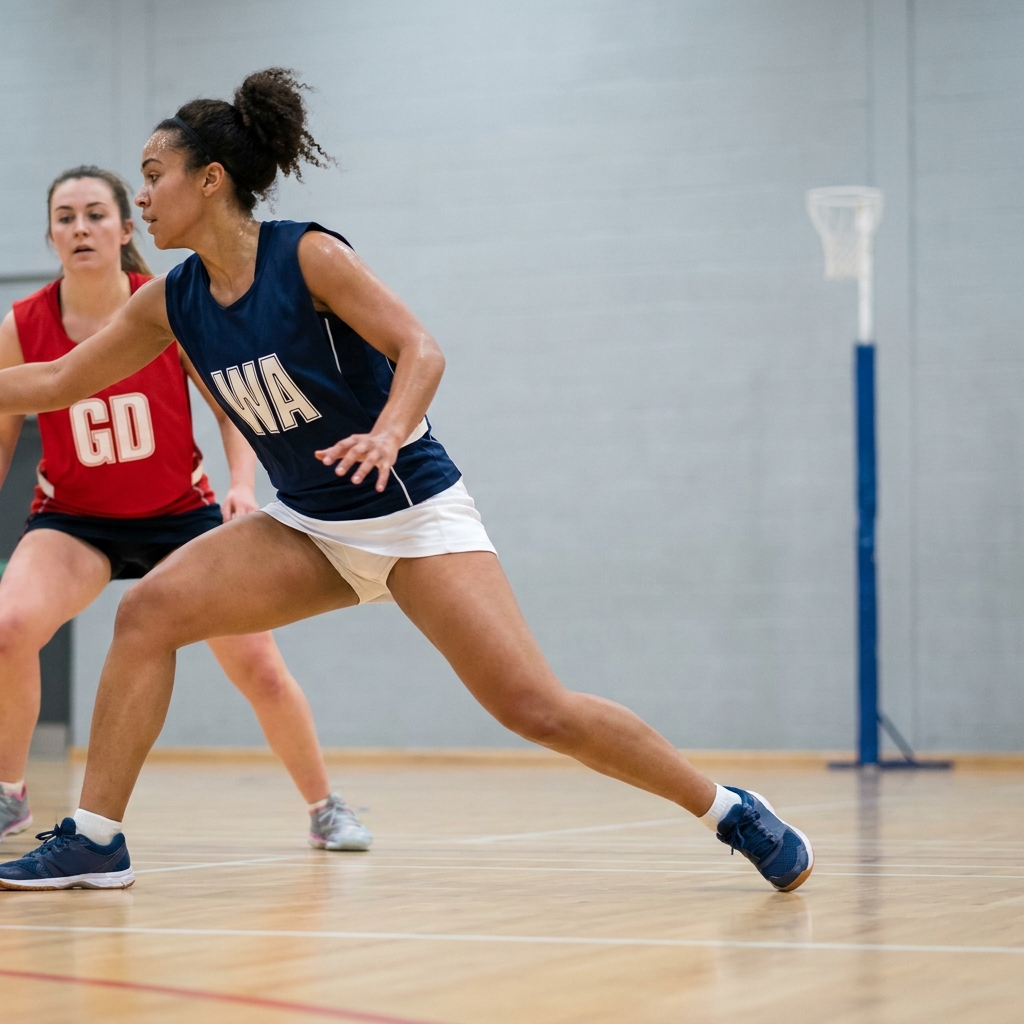
Tight markers win when attackers run in straight lines. Teach your players to dodge, change pace and time their drive so they get free when the ball is ready.
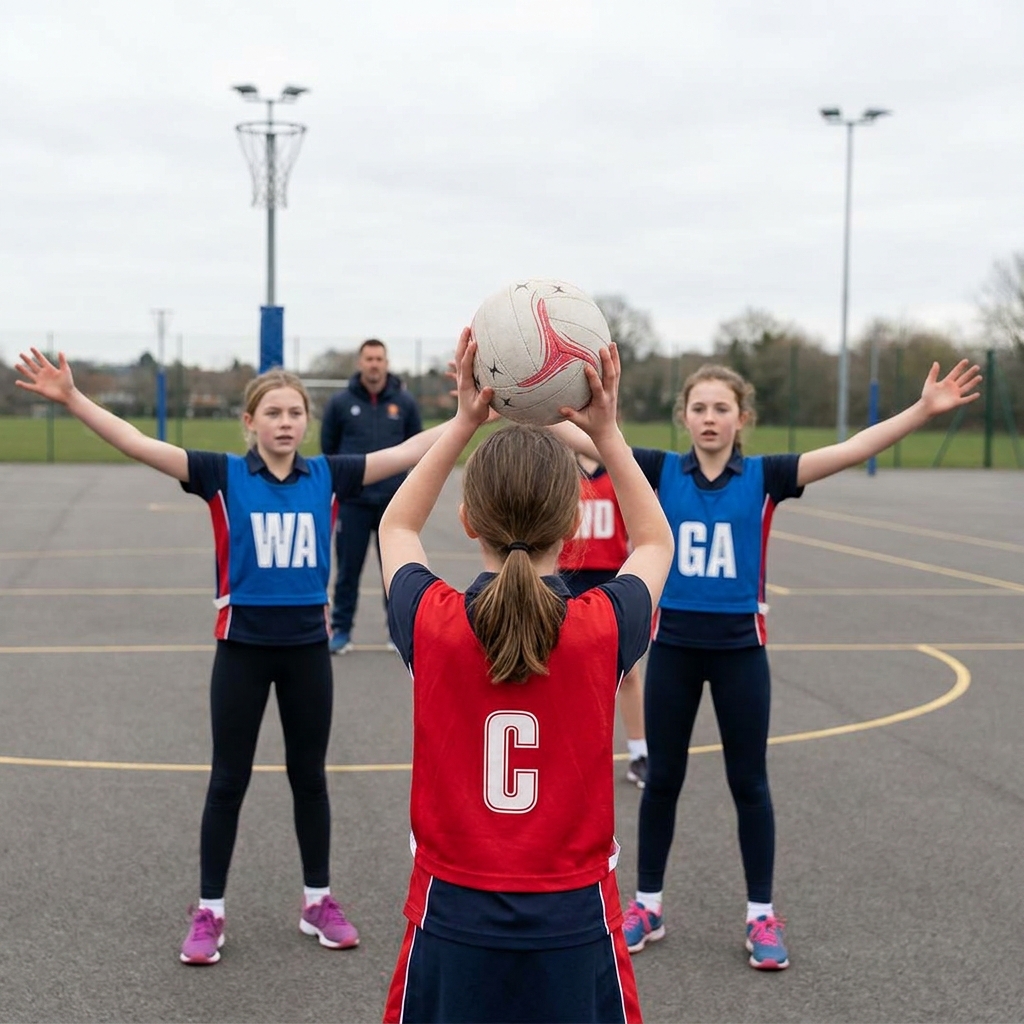
When everyone chases the ball, nobody is free. Teach your team to spread out, offer two options and clear space so the ball moves cleanly down court.
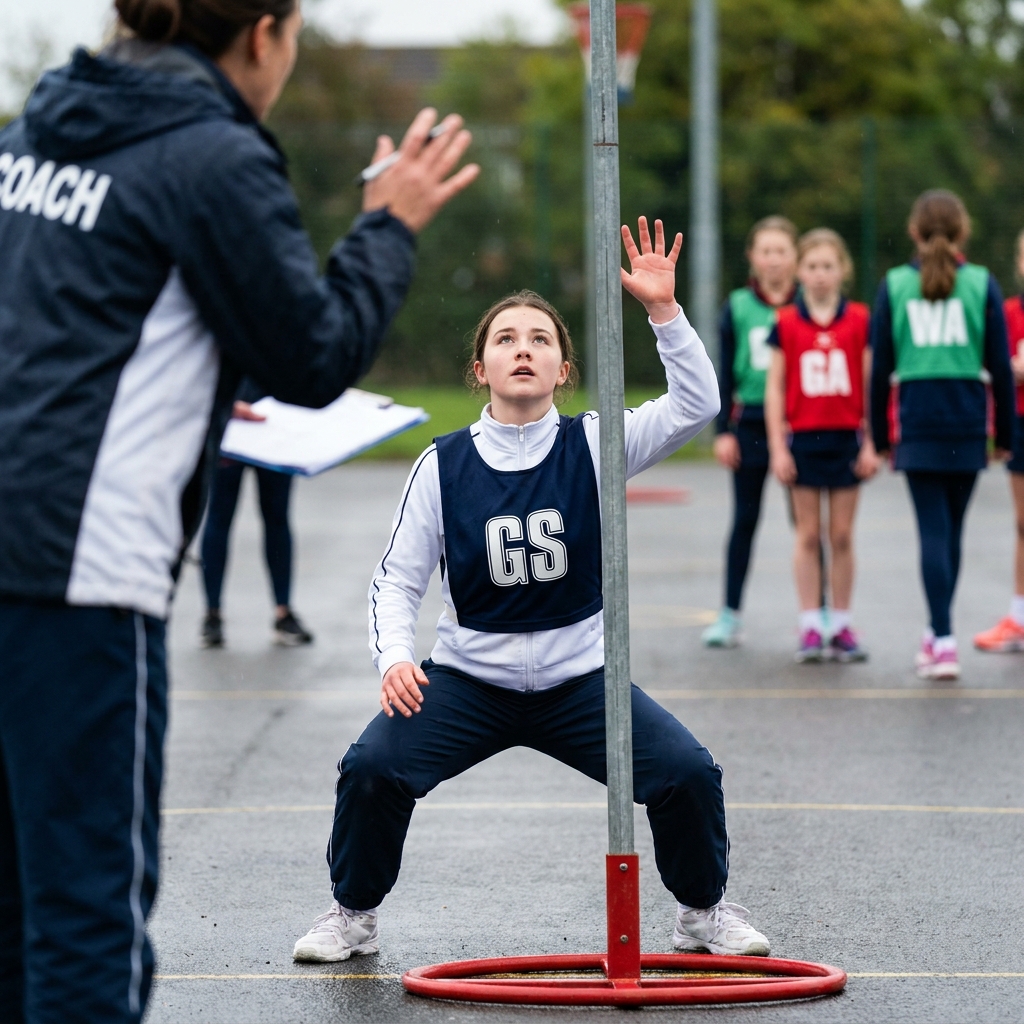
A shooter who can hold a strong position under the post is worth more than one who runs all over the circle. Here is how to coach body shape, a legal hold and a well-timed release, and how feeders make the most of it.