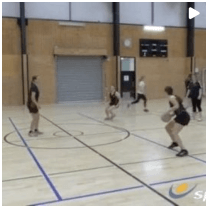
D2 reading off D1. Option 1 Defenders are angling to encourage attackers to move in same direction, both high and wide. This is particualrly effective for defending sidelines and forcing team along the sideline where they are likely to be frced into an error. Option 2 Defenders are angling so that attackers moving wider apart, both high and wide. The defender must not let them cut back into centre channel, but force straightline run, increasing distance between the attackers. In both situations, the high and wide ballis is acceptable, and defenders looking to limit the options, force and error, intecept the long ball down the court. PROGRESSIONS/VARIATIONS F can move forward and offer square option to first attacker. Can defenders reset / continue to impement their defence? Have a defender over the feeder too. What switches can the defenders successfully implement? Implement on court: sideline, back line, attacking third
Key in this drill is that the defender works hard man-on-man first and foremost as well as communicating with other team members. Only if you have done your job first, should you contemplate the switch to another player. This should also only be done with the understanding of the other player, who will have to be close enough to pick up other attacker. Switching shouldn't be because it's an easier option for an individual!
This practice has no coaching points
This practice has no progressions
in more ways than one
 sportplan_netball

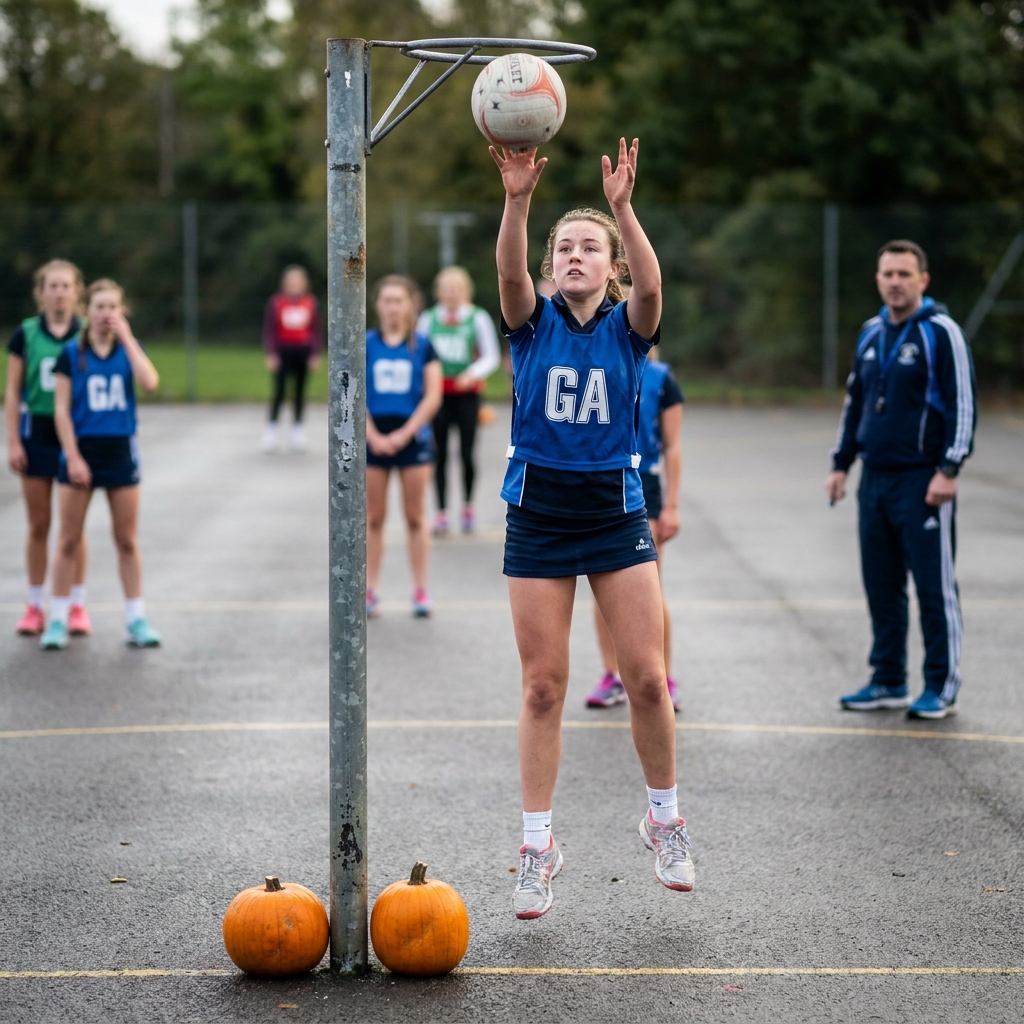
A ready-to-run Halloween session for High 5 and junior netball. Real drills in spooky costume, with a warm-up, a technical block, a decision-making game and a finish.
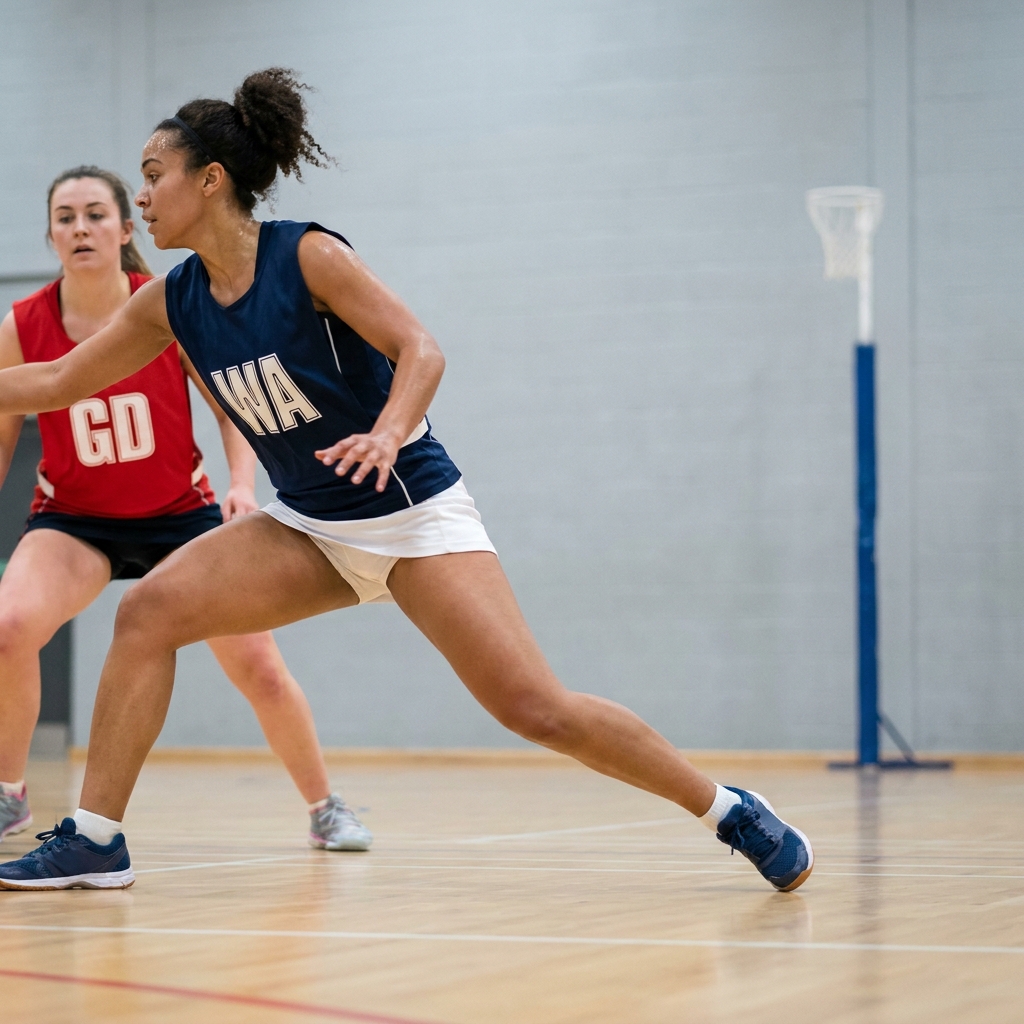
Tight markers win when attackers run in straight lines. Teach your players to dodge, change pace and time their drive so they get free when the ball is ready.
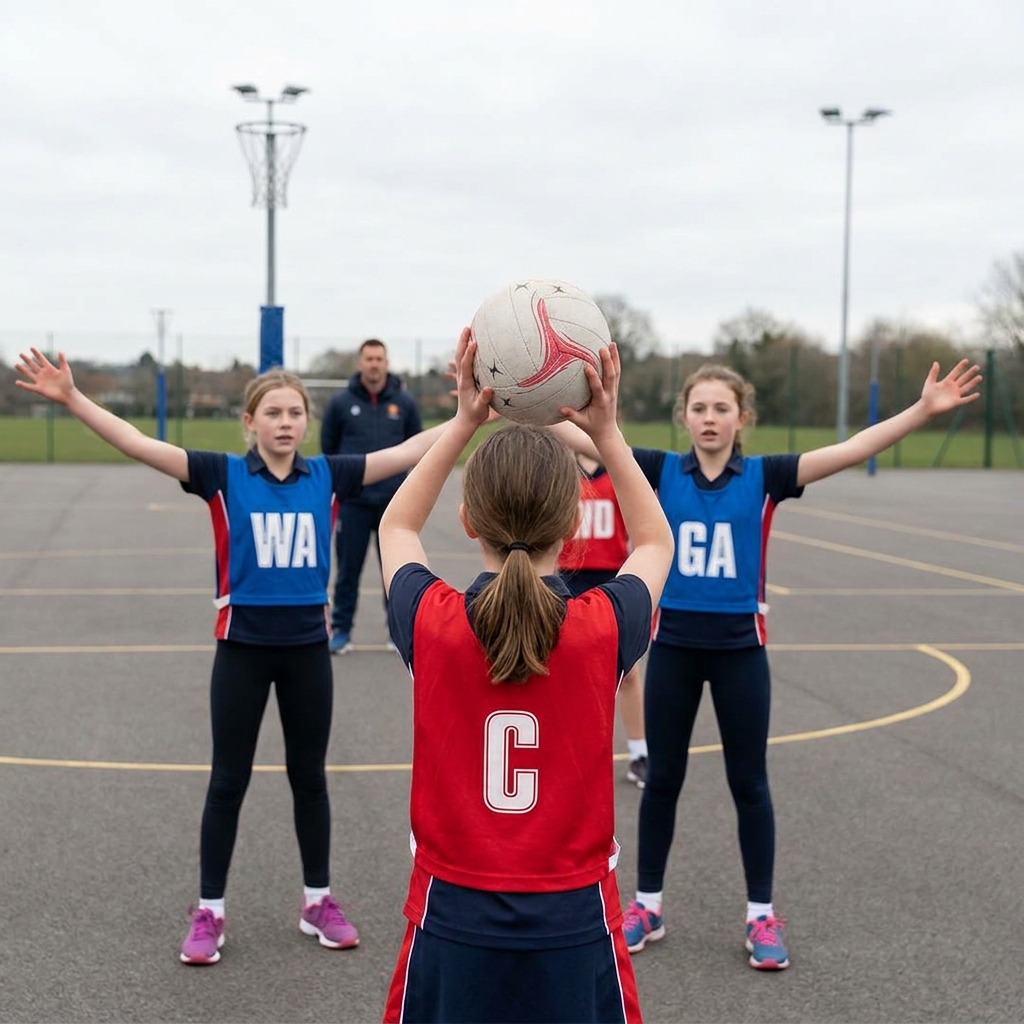
When everyone chases the ball, nobody is free. Teach your team to spread out, offer two options and clear space so the ball moves cleanly down court.