By this point in the winter season, most squads are deep into their fixture list. League games, cup rounds and midweek training have piled up since September, and the players who were bright and fresh at pre-season are now carrying tired legs into every session. This is exactly when netball's landing-heavy, stop-start movement starts to catch players out.
Knee and ankle injuries from landing and changing direction are among the most common in the sport, and they rarely happen on a player's first jump of the match. They happen later, when fatigue has eaten into balance and control. The good news is that this is one of the most coachable problems in netball. A few simple habits around load, warm-up and technique make a real difference to how many players you still have available in February.
Why Players Get Hurt Later in the Season
Early in pre-season, training load usually rises gradually and players arrive at matches relatively fresh. By November, that balance has often tipped. Club nights, school fixtures, representative sessions and a weekend match can all land in the same week, and a player's overall load creeps up without anyone deciding it should.
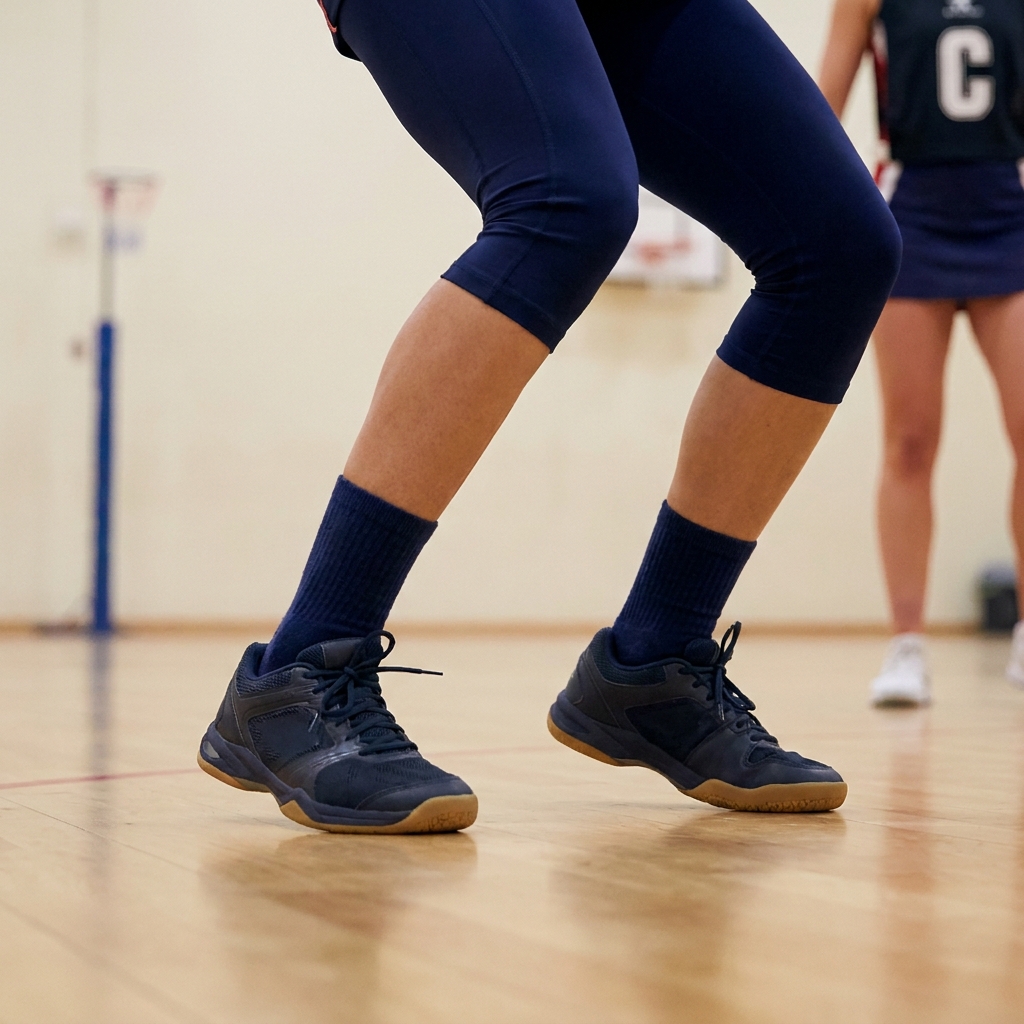
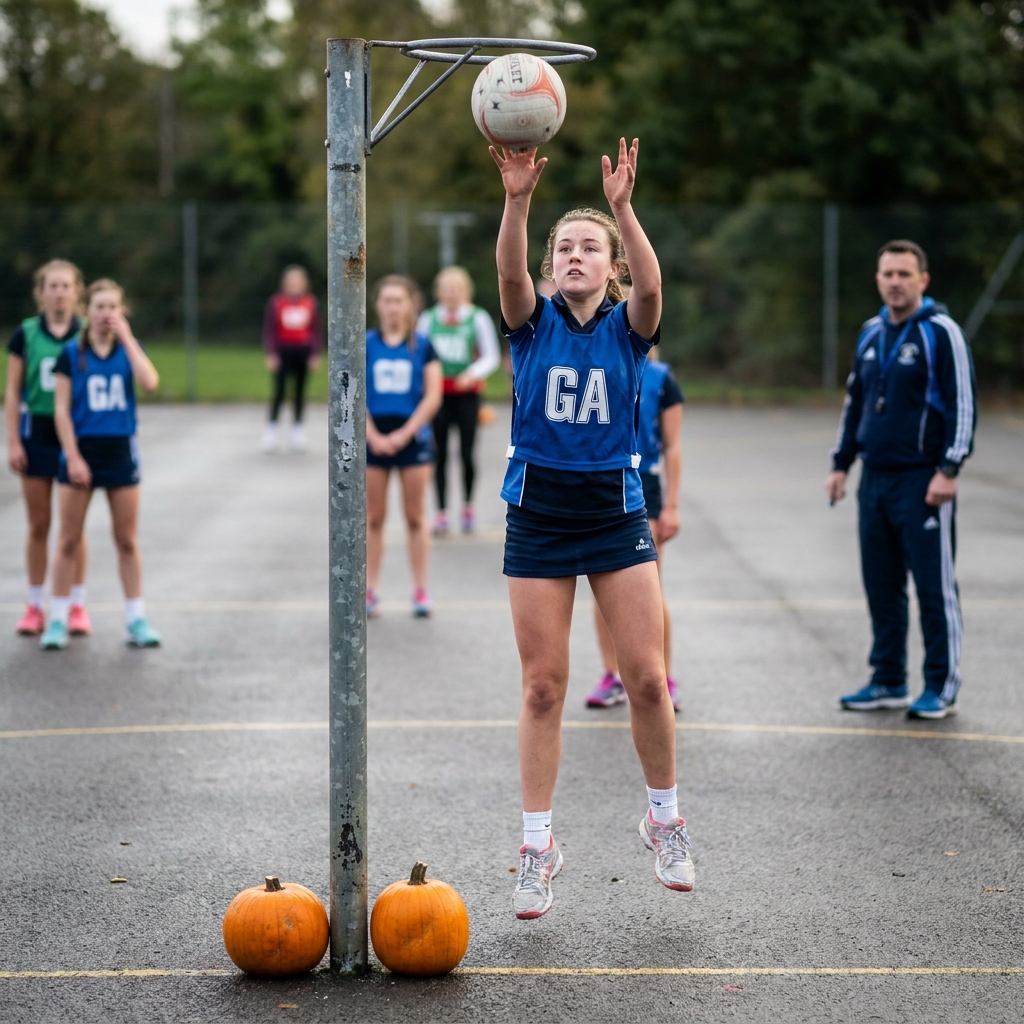
Fatigue changes how a player lands. A tired player takes the ball with a stiffer knee, lands flatter-footed, and reacts a fraction slower to a sudden change of direction. None of these are skill problems, but they are exactly the conditions under which landing and pivoting injuries happen. A player returning from a knock, who jumps straight back into full training and a full game, is at even greater risk, because their strength and control have not caught up with their appetite to play.
Managing the Load
Step One: Know what each player is actually doing. Ask players directly how many sessions and games they have across club, school and representative netball that week. Most overload problems are invisible to a coach who only sees their own training night.
Step Two: Build load up gradually, not in jumps. A player who has missed a week through illness, exams or a half-term break should not walk straight back into a full session and a match. Step them back in over a week or two, and treat a sudden spike in minutes as a risk factor in itself.
Step Three: Protect players returning from injury. Returning to full training is not the same as being ready for a full match. Build their minutes back up in training first, and resist the temptation to throw them straight into 60 minutes because the squad is short.
Step Four: Make deceleration and landing technique part of every warm-up. Controlled landing and change of direction work, done little and often, builds the strength and body awareness that holds up when players get tired later in a game.
Step Five: Give players at least one full rest day. A day away from netball and other high-impact sport each week lets the body recover before the next load goes on. Treat it as part of training, not time off from it.
How to Train It
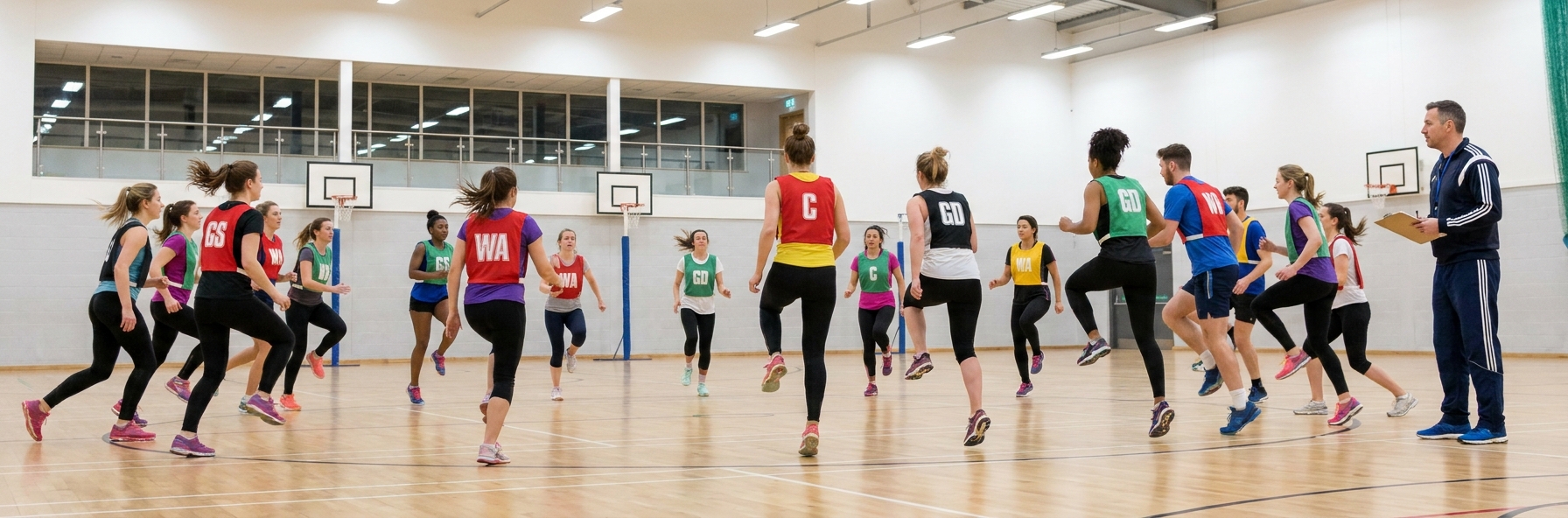
Warm up with footwork and change-of-direction work at low intensity, so players arrive at technical work with their landing mechanics already switched on rather than cold. Move into technical practice that isolates pivoting, catching and landing under control, with no defender yet.
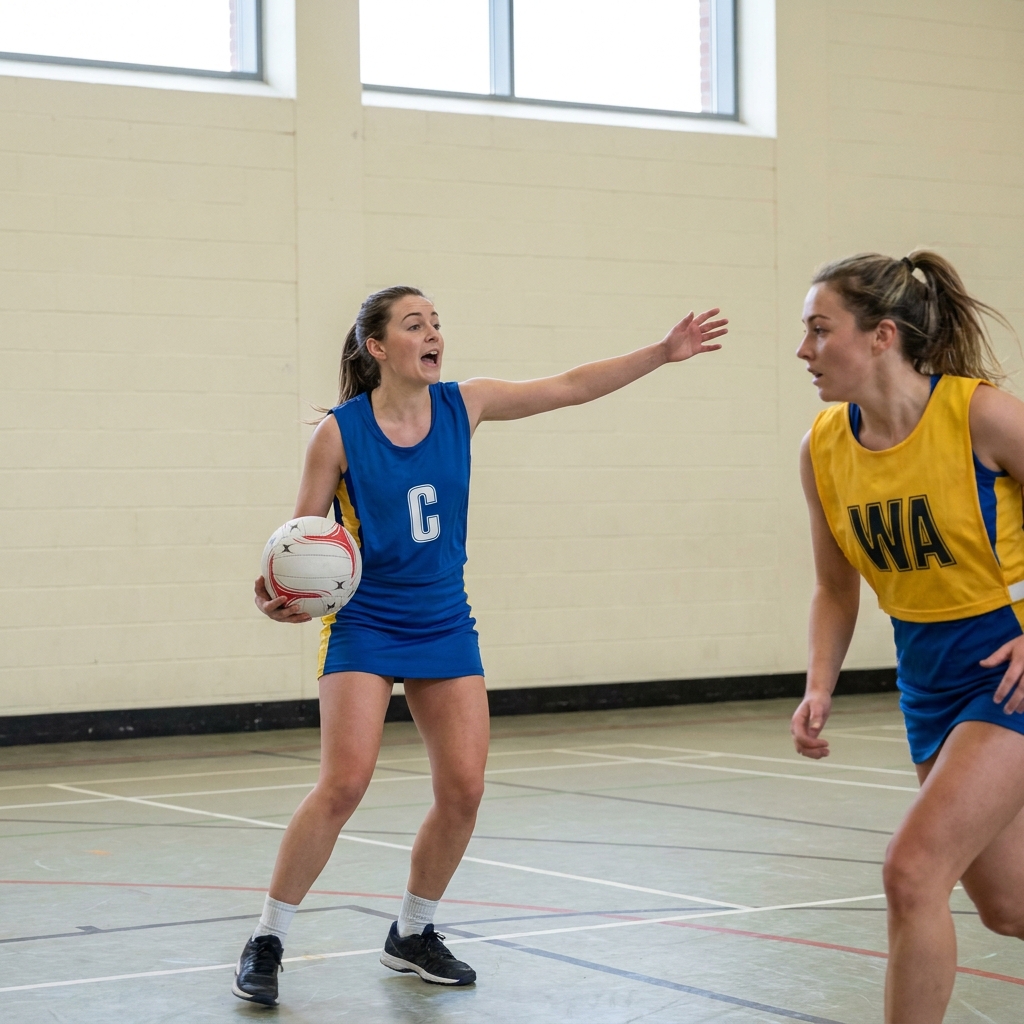
Add decision-making by introducing a defender and unpredictable passes, so players have to land, balance and react rather than rehearsing a pattern they already know. Finish with a small-sided game late in the session, when players are breathing hard, since this is when the habits you are coaching actually get tested.
Key Coaching Points
- Ask players what else they are training and playing that week; club training is rarely the whole picture.
- Treat any sudden jump in minutes, after injury or absence, as a risk rather than a bonus.
- Build landing and change-of-direction technique into every warm-up, not just pre-season.
- Bring returning players back through training minutes before full match minutes.
- Practise technique under fatigue, late in sessions, since that is when control breaks down in matches.
- Protect at least one full rest day a week across all of a player's sport, not just your sessions.
Recommended Drills




Frequently Asked Questions
How much rest should netball players get each week?
Most coaching guidance suggests at least one full day away from netball and other high-impact training each week, with genuine recovery rather than a lighter version of the same session. For younger players juggling club, school and representative netball, this is often the first thing that gets squeezed out, so it is worth asking about directly.
A player is back from injury, how quickly can she return to full matches?
Slower than most players want. Build her minutes back up in training first, across more than one session, before committing her to a full match. Watch how she lands and changes direction under fatigue in training, not just how she feels standing still, before deciding she is ready for 60 minutes.
Is a long static stretch before a match still the right warm-up?
Most current coaching practice favours a dynamic warm-up, movement-based stretching, footwork and gradually building intensity, rather than long static holds immediately before playing. Save static stretching for after the session, as part of the cool down.

 sportplan_netball