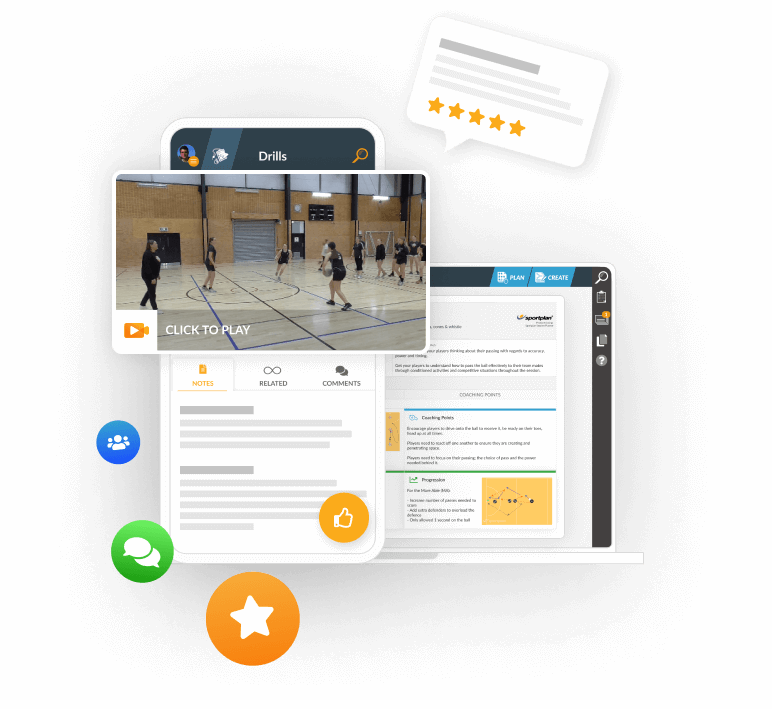
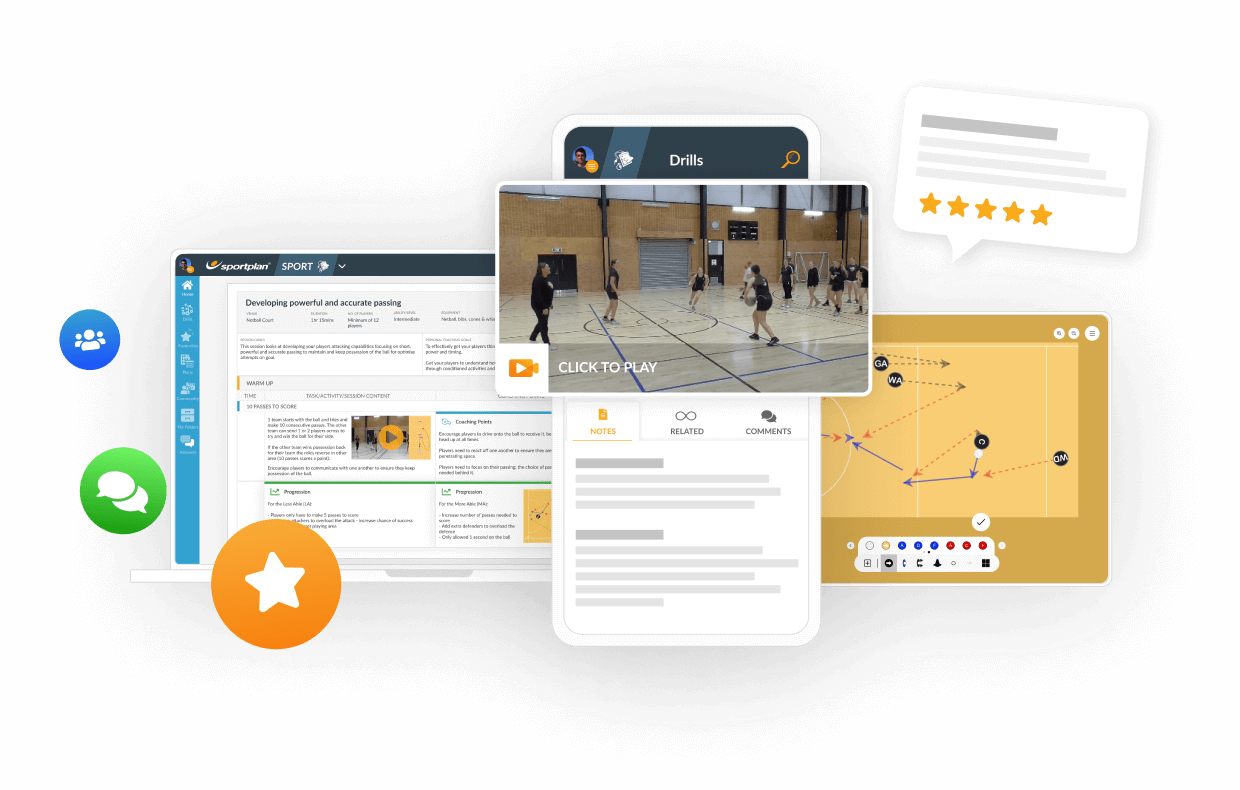
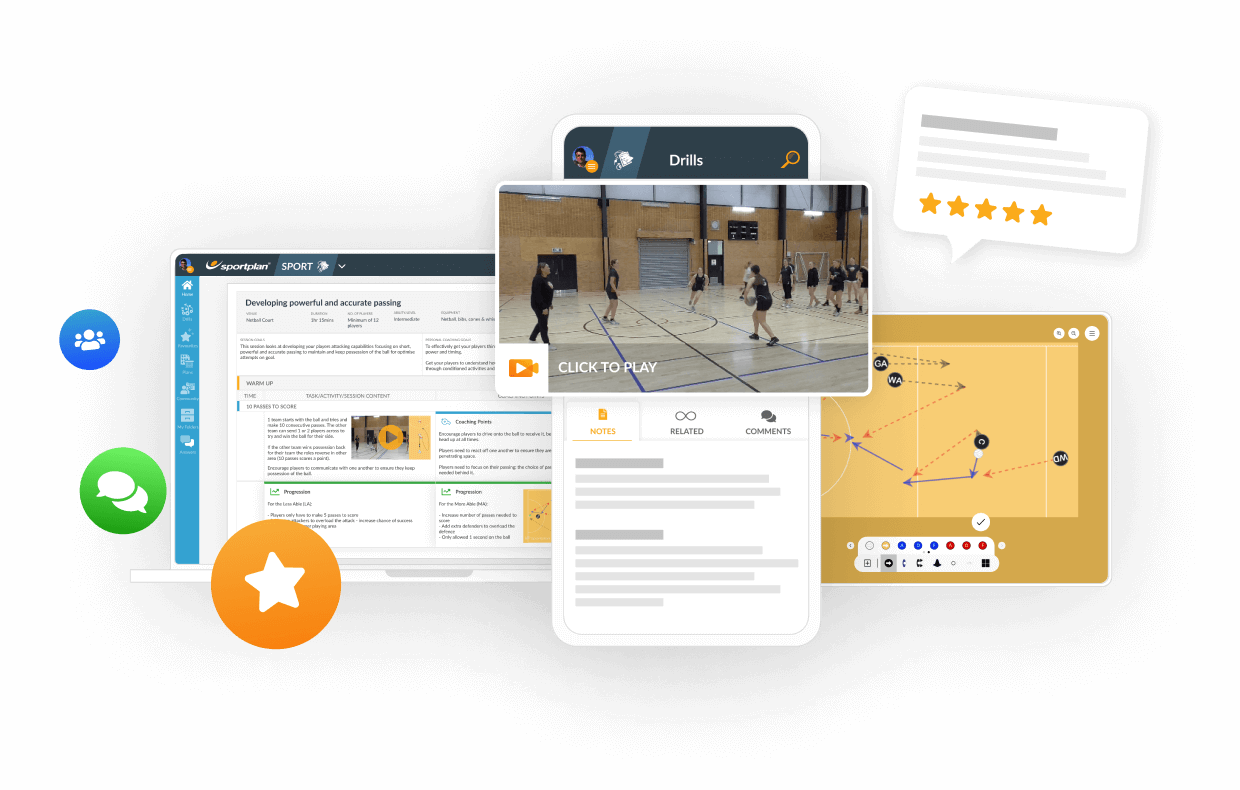
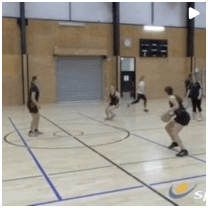
Ball starts with feeder at the end wall. Throws ball against wall to indicate start play. W drives forward to receive the ball on the first second. This continues down the court.
Repeat drill making appropriate adjustments to the timing of the run
Swap around position on court, although try to stay close to people to whom you are likely to receive and send passes.
> Progression: Put in a preliminary movement before the drive, but still receive on the 1st second
> Progression: Go for the 1st second ball, but it’s not given; run through and then change direction to offer on the cut back for a straight line ball on the 3rd second
> Progression: Mix it up; ball carrier decides whether to give the 1st second ball or make player re-offer on the 3rd second
> Progression: Add in defenders, starting passive and building; preliminary movement and change of pace with take on greater importance now. If ball not given on 1st second, then there should be 2 offers on the 3rd second from the re-offering player, and next player down the line.
This drill could also be used to practise TURNING FULLY to open vision down the court
in more ways than one
 sportplan_netball
in more ways than one
sportplan_netball
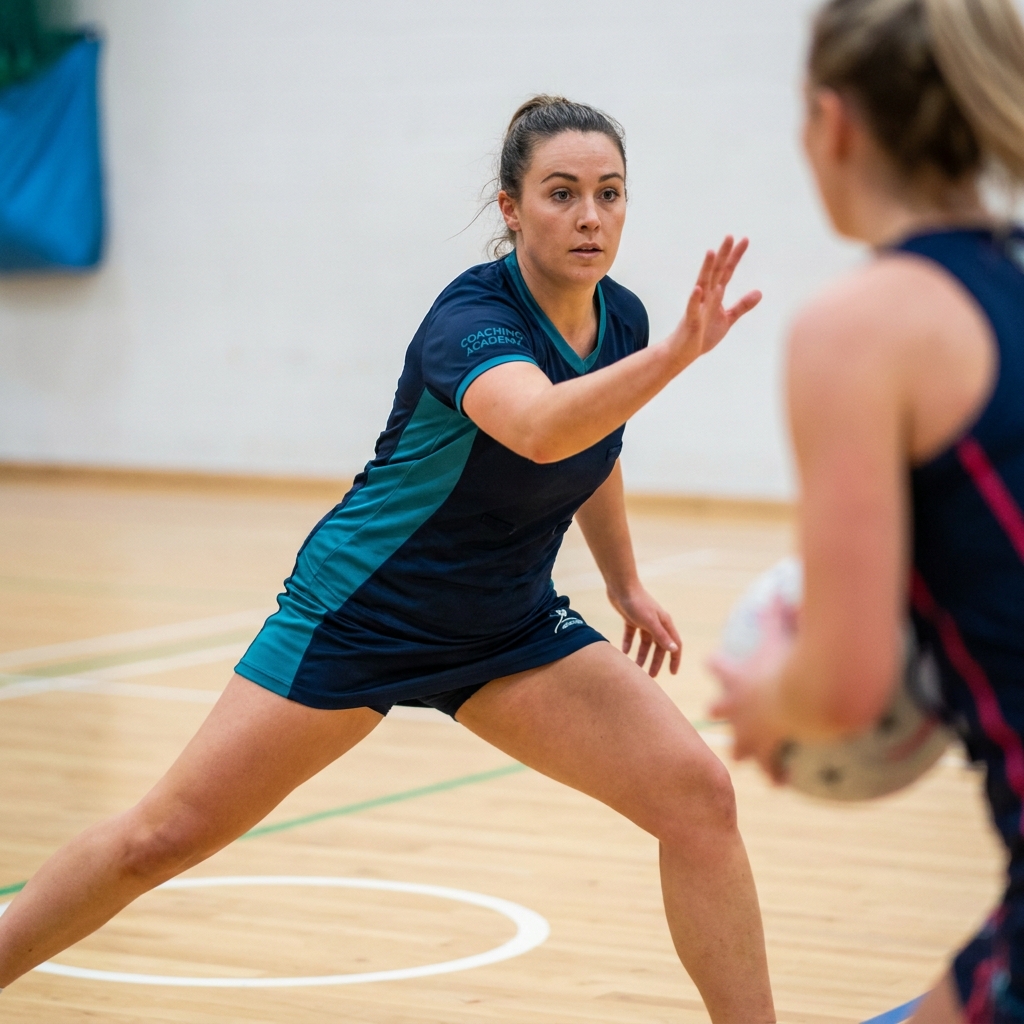
Split circle defence is the system the top three NSL teams have built their identity around in 2026. The Goal Keeper and Goal Defence divide the circle into zones, switch in synchrony, and make every passing option look risky. Here is how to coach it.
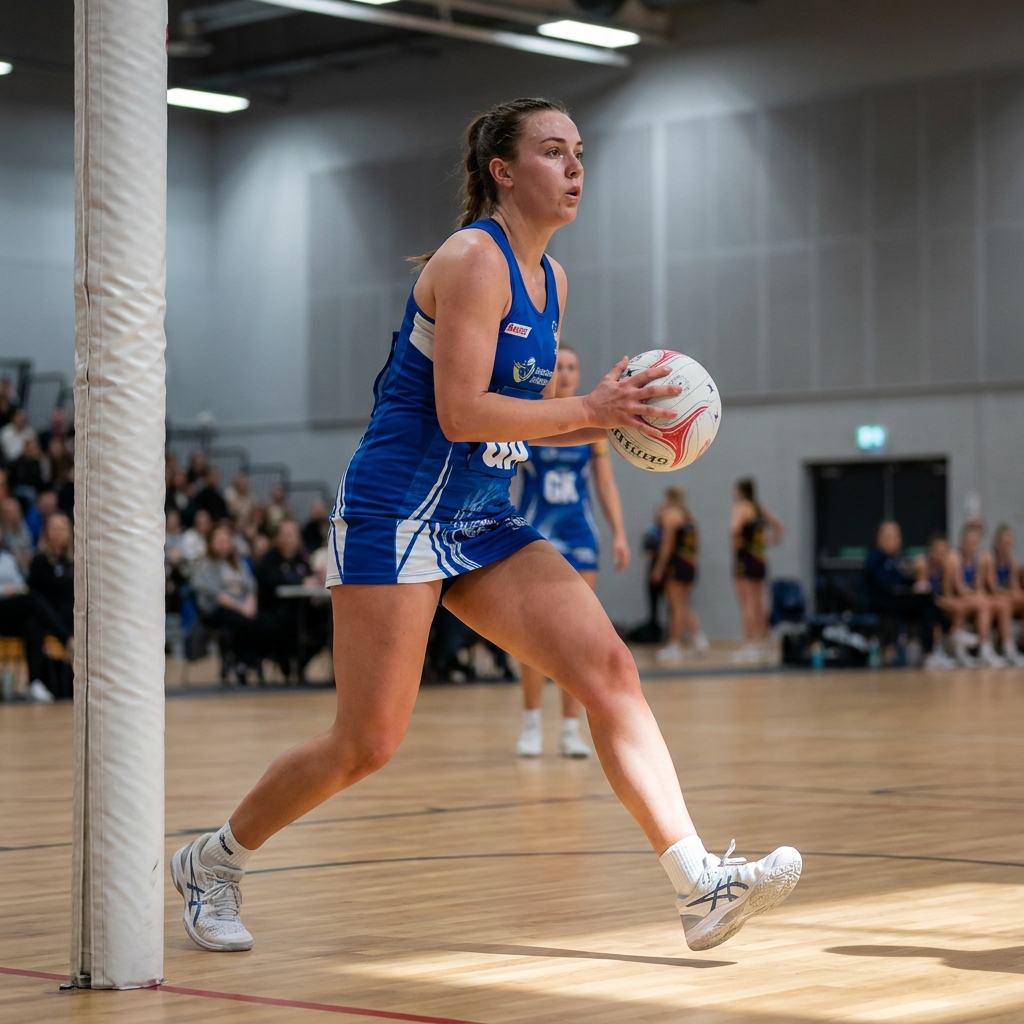
Most netball shooters know how to shoot. The difference at the top is who can shoot when it counts. A structured 10-minute pre-game mental routine is the most under-used performance tool in club netball - and it is the simplest to teach.
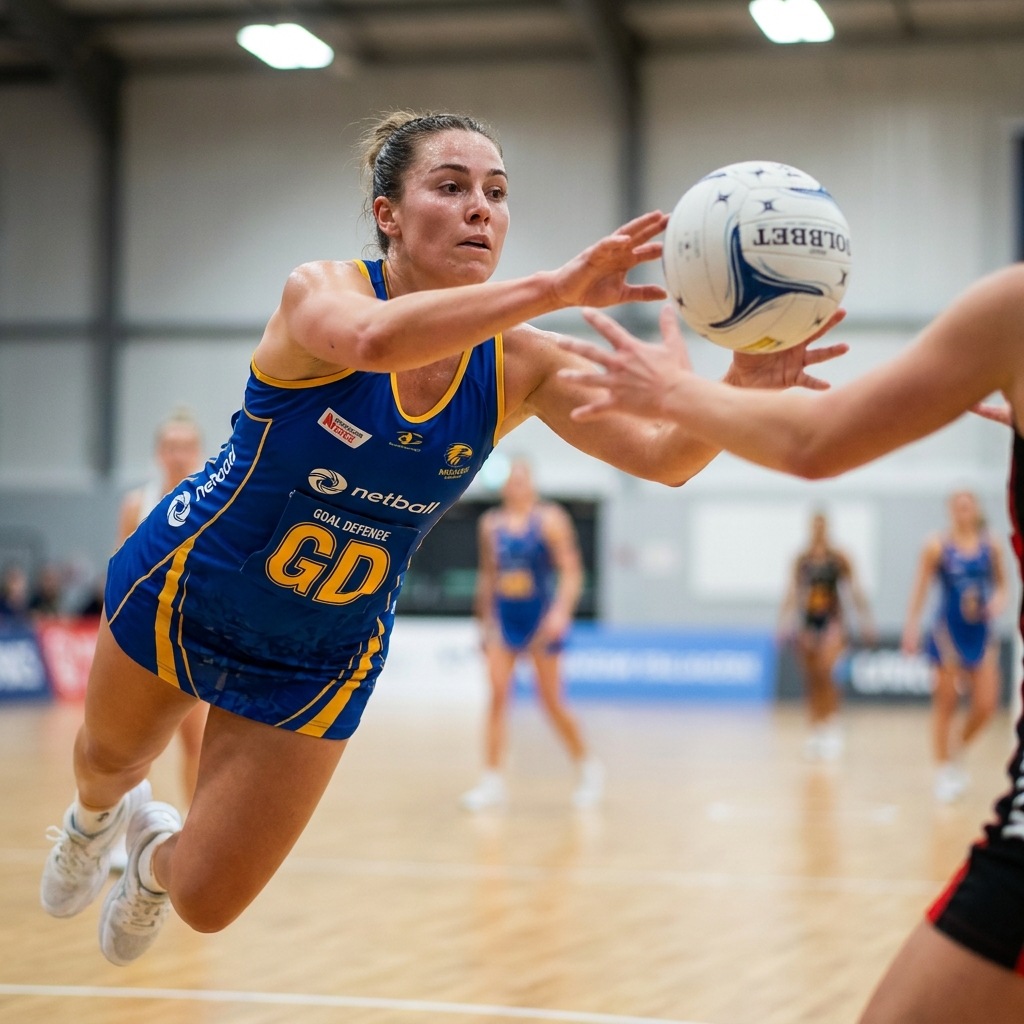
The best Goal Defences in the 2026 NSL season are intercepting more than ever. The reason is not raw athleticism. It is a deliberate shift from chasing the attacker to driving into the flight path of the ball. Here is how to coach it.