markers are set up 5 and 15 meters from a line marked on the ground. The athlete runs from the 15 meter marker towards the line (run in distance to build up speed) and through the 5 m markers, turns on the line and runs back through the 5 m markers. The time is recorded from when the athletes first runs through the 5 meter marker, and stopped when they return through these markers (that is, the time taken to cover the 5 m up and back distance - 10 m total). The best of two trails is recorded. The turning ability on each leg should be tested. The subject should be encouraged to not overstep the line by too much, as this will increase their time.
in more ways than one
 sportplan_netball


in more ways than one
sportplan_netball
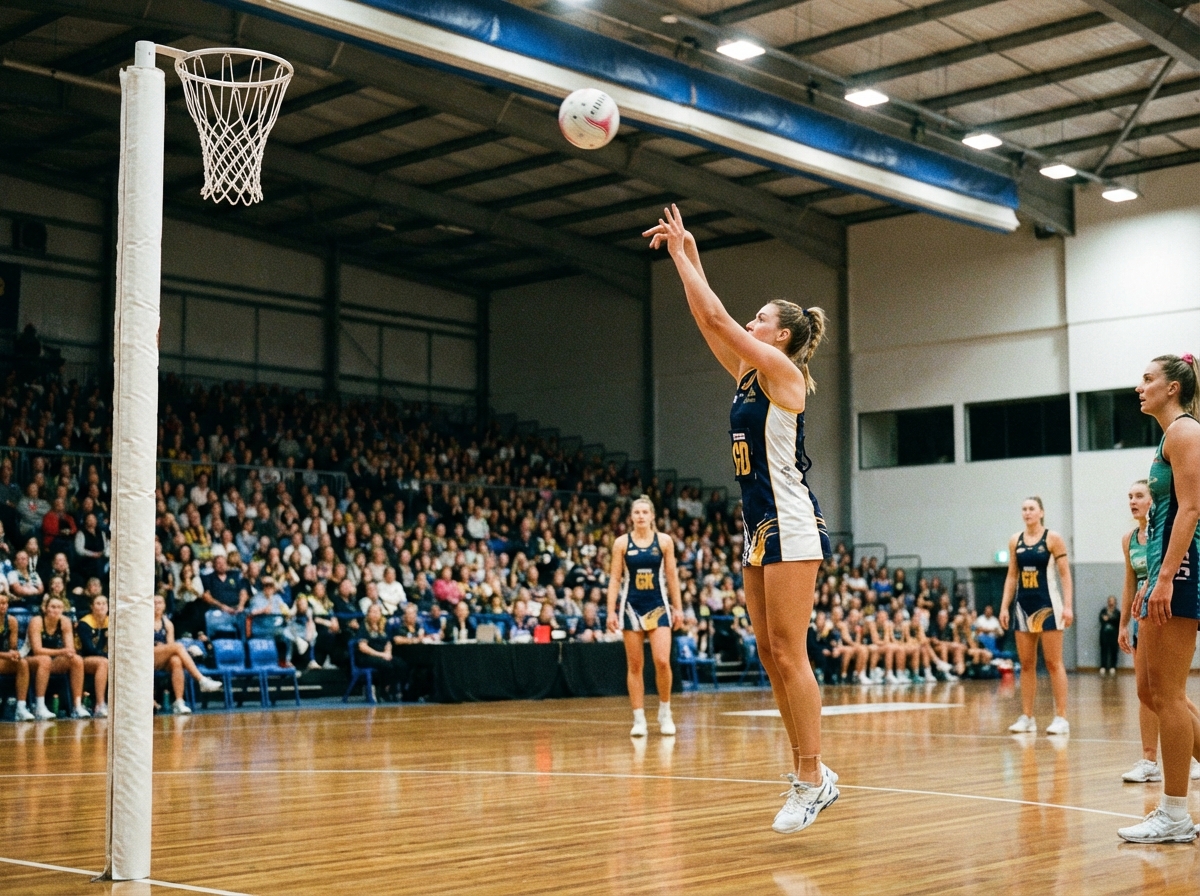
The early 'shoot from anywhere' era is over. Smart teams now use data-driven decision models to decide when the two-pointer is worth it.
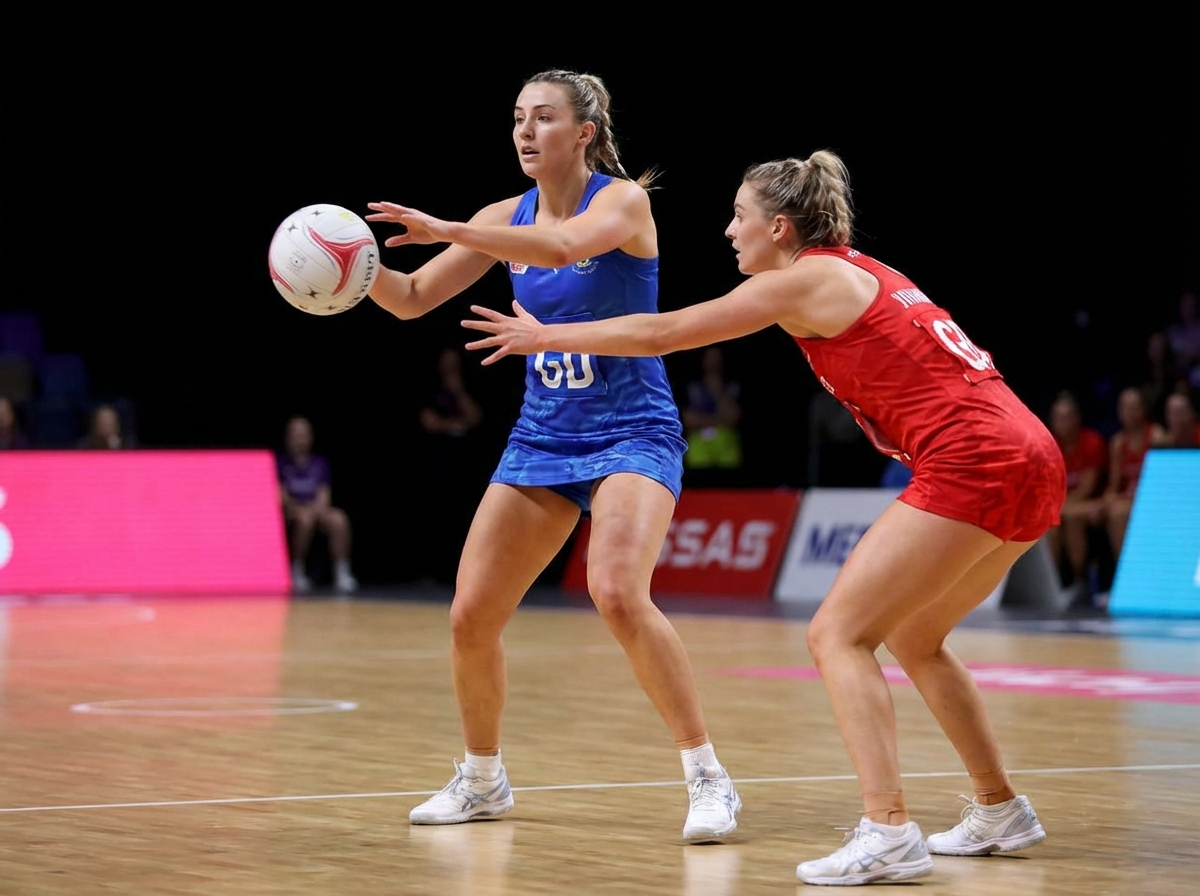
The short pass is being penalised more consistently in 2026. Here's how to train proper passing technique and eliminate hand-offs under pressure.
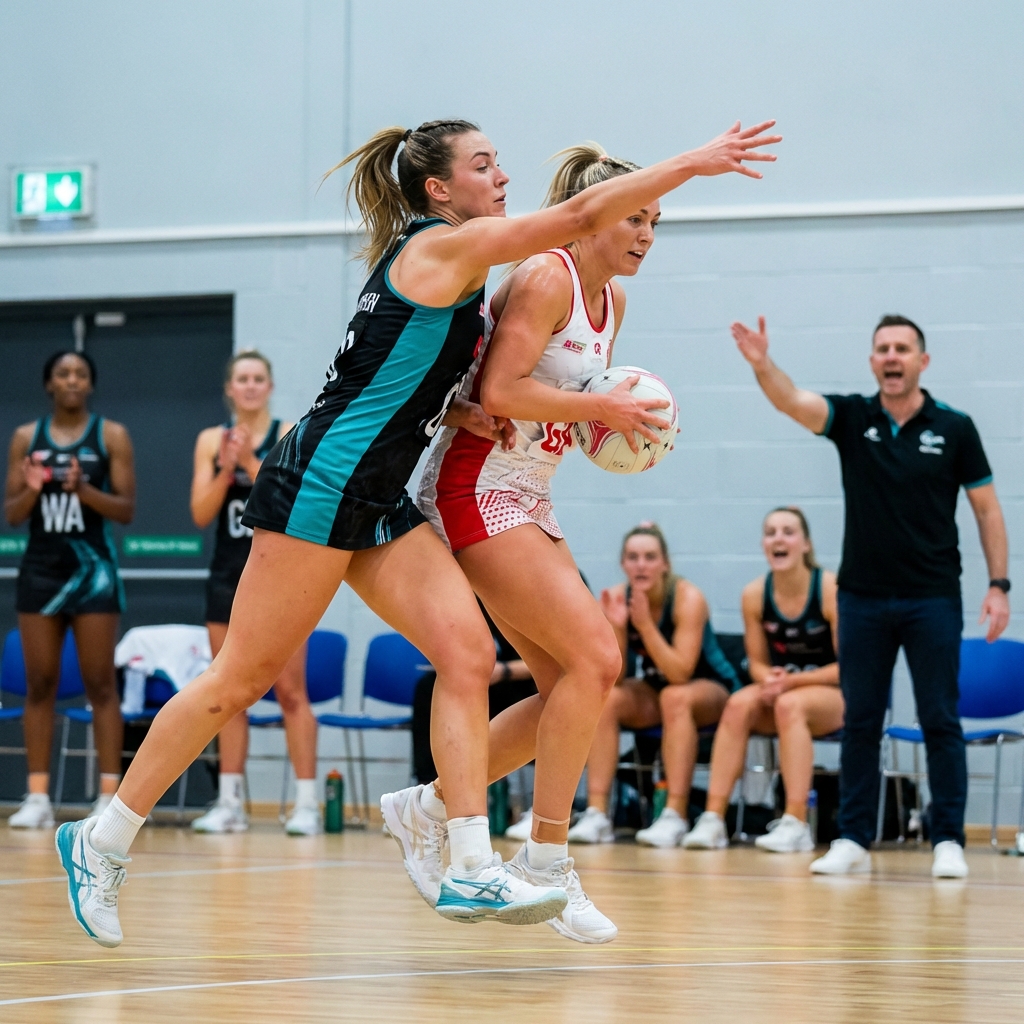
No more 50/50 toss-ups. When simultaneous infringements occur, possession now goes to the team that last had the ball. Here's what it means for your coaching.