So You Have Said Yes - Now What?
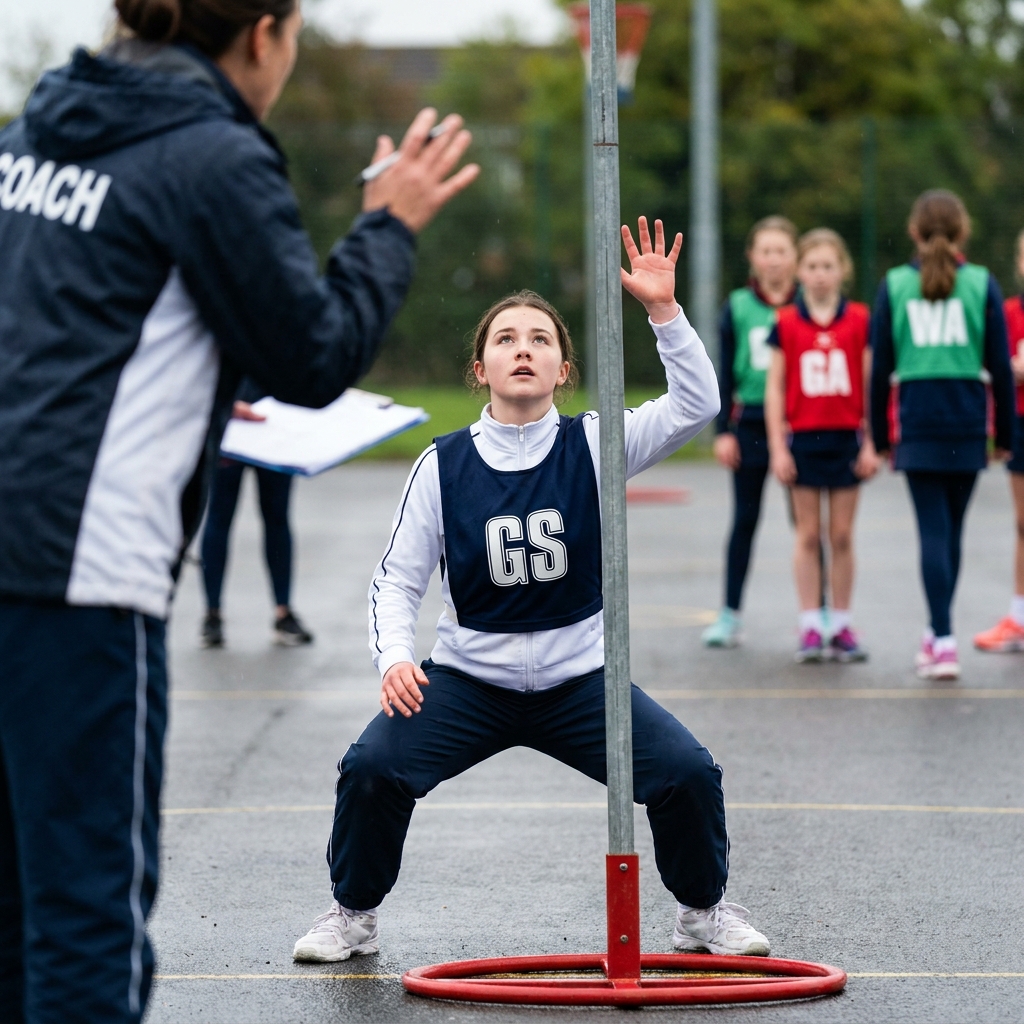
Maybe a coach moved away, maybe nobody else put their hand up, or maybe your own child begged you to. However you got here, you are now responsible for a group of junior netball players and a small voice is asking whether you are remotely qualified. Here is the reassuring truth: most brilliant junior coaches started exactly where you are, with enthusiasm and not much else. You do not need to have played for England. You need to turn up, keep the children safe, and make it fun enough that they come back next week.
This guide walks you through your whole first season as a coach or manager - the two roles often blur at junior level, and at a small club you may do both. We will cover getting set up, your first few sessions, kit and equipment, managing parents and their expectations, sorting fixtures, and handling the money and admin without letting it swallow your week. Take it one section at a time. You do not have to solve everything before the first whistle.
Getting Set Up: The Foundations
Before you run a single drill, three things need to be in place. None of them is hard, but starting them early saves a stressful scramble later.
Affiliation and your role. If you are part of a club or school, you will be brought under their England Netball affiliation - speak to whoever recruited you and ask them to confirm you are registered and insured to coach. This matters: insurance and affiliation protect both you and the players. If you are starting something brand new from scratch, that is a bigger job in itself, and our starting a netball club checklist walks you through the formal steps in order.
Helpers. Do not try to do this alone. You need at least one other adult at every session - for safeguarding, for first aid, and frankly for your own sanity when twelve nine-year-olds arrive at once. Recruit a parent helper or two on day one. Most are willing if you ask directly and give them a small, defined job: keeping the register, running the water break, managing the sideline. A team manager who handles communication and admin frees you to actually coach.
Safeguarding and DBS. Keep this light but do not skip it. Anyone coaching or managing under-18s regularly needs an enhanced DBS check and a basic safeguarding induction through the club. Your welfare officer usually arranges the DBS - start it early, as it can take a few weeks to come back. You do not need to become a safeguarding expert, just to know the basics and who to go to. For the practical do's, don'ts and the simple habits that keep everyone safe, work through our club setup and safeguarding checklist rather than trying to memorise the policy documents.
Your First Month: A Simple Timeline
The fastest way to feel in control is to stop thinking about the whole season and just plan your first month. Here is a checklist you can work through week by week. Tick things off as you go - the act of doing that is weirdly calming.
First-Season Checklist: Your First Four Weeks
- Before week 1: Confirm your affiliation, insurance and DBS are sorted. Book the court or hall. Collect a basic register of names, ages, emergency contacts and any medical or allergy notes. Recruit at least one parent helper.
- Week 1 - Settle in: Keep it light and fun. Learn names, play a couple of small-sided games, no pressure on technique. The goal is that every child leaves smiling and wanting to come back. Tell parents your communication plan and pickup arrangements.
- Week 2 - Basics and ball familiarity: Introduce footwork, catching and a simple pass. Plenty of touches, short instructions, lots of doing rather than listening. Begin to spot who needs extra encouragement and who is ready to be stretched.
- Week 3 - Introduce structure: Bring in positions and the idea of zones gently. Start using a consistent session shape so the children know what to expect. Confirm your kit order has landed - balls, bibs, cones.
- Week 4 - First taste of the game: Run a friendly internal match or a low-key fixture against another local team. Rotate everyone through positions. Review how the squad is settling and tidy up your admin - subs, contacts, availability - before the term gets busy.
Notice what is not on that list: winning anything. Your first month is about safety, fun and habits. Results come later, and at junior level they matter far less than whether the children fall in love with the sport.
Planning Your First Few Sessions
A good junior session has a simple, repeatable shape: a warm-up and a game to get them moving, a short technical focus, a small-sided game that uses that skill, and a fun finish. Keep instructions brief, keep everyone busy, and avoid long queues where children stand bored. Maximum touches, minimum talking.
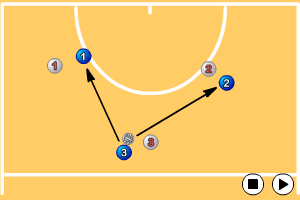
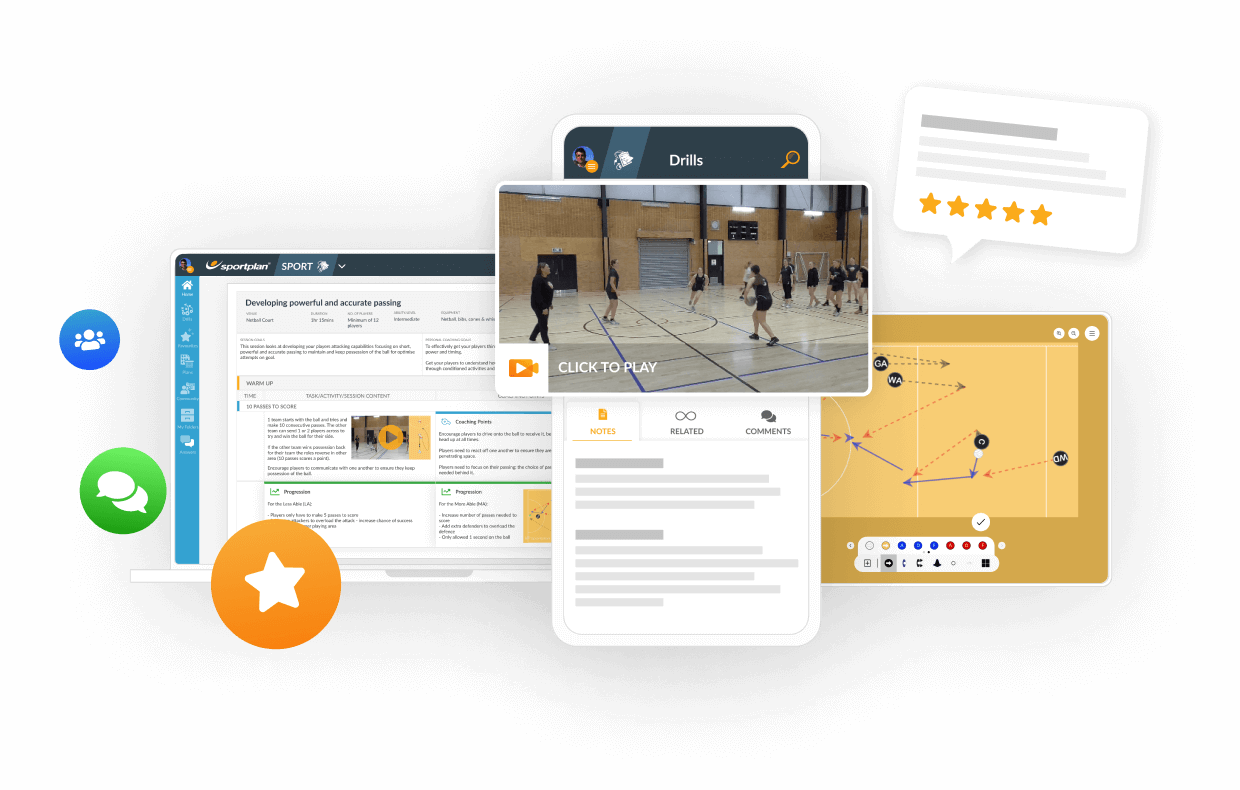
You do not need to invent any of this from scratch. Drop ready-made practices into a consistent structure using our free netball session plan template, and pull age-appropriate practices from the junior netball drills guide. Here are a couple of beginner-friendly drills to start with.

If you would like a steer on positions before the children start asking which bib they wear, our netball positions explained guide gives you the seven roles, the zones and a court diagram in plain language.
Kit and Equipment: What You Actually Need
It is easy to overspend here, so start lean. For a junior team you genuinely only need: six to eight netballs in the right size for the age group, two sets of bibs (one for each team in practice games), a dozen cones, a pump and a couple of first-aid basics. That is enough to run a great session.
Add as you go rather than all at once. A whistle, a clipboard, spare water and a kit bag big enough to carry it all will make your life easier. For matches you will want a matching set of playing bibs in the club colours. Ask the club whether there is a kit budget or hand-me-downs before you buy anything - there usually is. And label everything, because netballs have a remarkable ability to vanish.
Managing Parents and Expectations
Here is a quiet truth of junior coaching: the children are rarely the hard part. The relationship with parents is what makes or breaks your season. Get this right early and everything else gets easier.
Set out clearly, in week one, what your team is about - participation, fun, development and fair court time for everyone, not winning at all costs. Explain how rotation works so no parent thinks their child is being singled out when they come off. Our team selection and rotation guide gives you a fair framework you can point to when questions come up, which they will.
Be reachable but set boundaries. Agree one channel for team communication and a sensible reply window so you are not answering messages at eleven at night. Most parents are wonderful and want to help. Give the keen ones jobs - lifts, scoring, washing bibs - and you turn potential touchline critics into your most valuable allies.
Sorting Fixtures
Fixtures usually come from your local junior league or are arranged informally between nearby clubs. If you are in a league, you will be given a schedule; your job is to confirm availability, sort transport, and make sure everyone knows the venue, time and what to bring. If you are arranging friendlies, a few messages to other local coaches will fill your calendar quickly - most are looking for games too.
The admin trap is fixtures clashing with holidays and illness, leaving you short on the day. Check availability well in advance, build a squad slightly bigger than seven, and keep a couple of reliable reserves warm. For the practical detail of planning a season's worth of games without the headaches, our netball fixtures planning guide is worth a read once you are past the first few weeks.
Handling the Money and Admin Without Drowning
This is the part that quietly defeats a lot of volunteers - not the coaching, but the endless chasing of fees, the half-filled spreadsheet, the WhatsApp group where availability replies scroll off the top before you can count them. You said yes to coach netball, not to become an unpaid accountant. So make this bit as small as possible.
Keep the money simple and transparent. Work out your fixed annual costs - hall hire, affiliation, kit, league and umpire fees - and set a subscription that covers them across the year, with a small buffer for replacements. Add modest weekly match fees if you need them. Tell parents exactly what the money pays for; families happily contribute when they can see it all goes back into the team. Our guide to subs and match fees shows you how to set the right level and collect it without the awkward chasing.
The biggest favour you can do yourself is to stop running availability, fees, registration and team messages across three different apps and a notebook. Pulling it all into one place - so you can see who is coming on Saturday, who still owes their subs and send a message to the whole squad without copying numbers across - removes most of the weekly admin grind. Teamo, the club app from the Sportplan team behind this site, is built to do exactly that: online registration, availability, collecting fees and parent communication in a single place - and because it is built mobile-first, you run all of it from your phone on the sideline, with no desktop needed. It is free for up to 25 members with no ads. It is one honest option among several, and for a brand-new team trying to keep things simple it is worth a look. You can find it at teamo.chat.
Whatever you choose, the principle is the same: do the admin once, in one place, and protect your evenings. The less time you spend on spreadsheets, the more you have for the children - which is the entire point.
You Will Be Better at This Than You Think
Every experienced coach you admire once stood where you are now, nervous before their first session and convinced they would get found out. They did not. They turned up, kept it fun, learned as they went, and a season later wondered what they had been so worried about. You will do the same.
Start small, lean on your helpers, keep the admin simple and remember that your only essential job is to make junior netball something these children want to come back to. When you are ready for more drills, the full Netball drills library has hundreds of practices sorted by skill and age. Good luck - they are lucky to have you.
Frequently Asked Questions
What do I need to start coaching a junior netball team?
Less than you might fear. To get going you need a court or hall for an hour a week, a handful of netballs, a set of bibs, some cones and a basic register of who is coming. Beyond the kit, you need the club or school to affiliate you to England Netball, a safeguarding check appropriate to your role, and a simple plan for the first few sessions. You do not need a coaching qualification on day one - many volunteers start with the England Netball Welcome to Coaching introduction and build their badges over the season. The biggest thing you need is a calm, encouraging manner. Junior players come back for the coach who makes it fun, not the one who runs the slickest drills.
Do netball coaches need a DBS check?
If you are coaching or managing under-18s in any regular capacity, yes - you will need an enhanced DBS check arranged through your club, school or county. This is a standard safeguarding requirement, not red tape aimed at you personally, and your club welfare officer will usually organise it for you. Do not let a child train under your sole supervision until the check is in place and you have completed your club's basic safeguarding induction. Keep it simple: ask your club who handles DBS, complete the form early because it can take a few weeks, and you are sorted for the season.
How many players do I need for a junior netball team?
A netball team is seven players on court, so the practical minimum to field a side is seven. In reality you want a squad of around ten to twelve so you can cover illness, holidays and the inevitable last-minute drop-outs, and so every child gets a fair share of court time through rotation. For very young age groups, high-five or modified versions use smaller numbers and smaller courts, so check the format for your age band first. If you start with eight or nine keen players, that is plenty - recruit a couple more through the season rather than waiting for a full squad before you begin.
How much does it cost to run a junior netball team?
It is cheaper than most parents expect. The main costs are court or hall hire, England Netball affiliation, a one-off spend on balls and bibs, and league or umpire fees if you enter competitions. Many clubs cover this through a termly or annual subscription per player, often topped up with small weekly match fees on training and game nights. As a rough rule, set subs to cover your fixed costs across the year and keep a small buffer for replacement kit. Be transparent with parents about what the money pays for - families are happy to contribute when they can see it goes straight back into the team.
 sportplan_netball