Why Fixture Planning Decides Your Season
Most netball seasons are not won or lost on the court. They are won or lost in the days before each match - in whether you knew you were two players short on Tuesday rather than finding out at seven o'clock on the league night. The teams that run smoothly are rarely the ones with the most talent. They are the ones whose fixture admin is calm, early and repeatable.
The good news is that planning a season of fixtures and league nights is a solved problem. You do not need to reinvent it every week. Once you have a season calendar, a habit of collecting availability early, and a simple checklist for each match night, the whole thing runs on rails. This guide walks through exactly how to set that up, from getting your fixture list to handling the inevitable postponement.
Step One: Get the Fixture List and Build the Season Calendar
Everything starts with the official fixture list. Your league or county association publishes the dates, opponents, venues and start times, and that fixture list is the single source of truth - if it disagrees with anything you have written down, the league is right. The first job of the season is to get hold of it the moment it is released and copy every single match into one place.
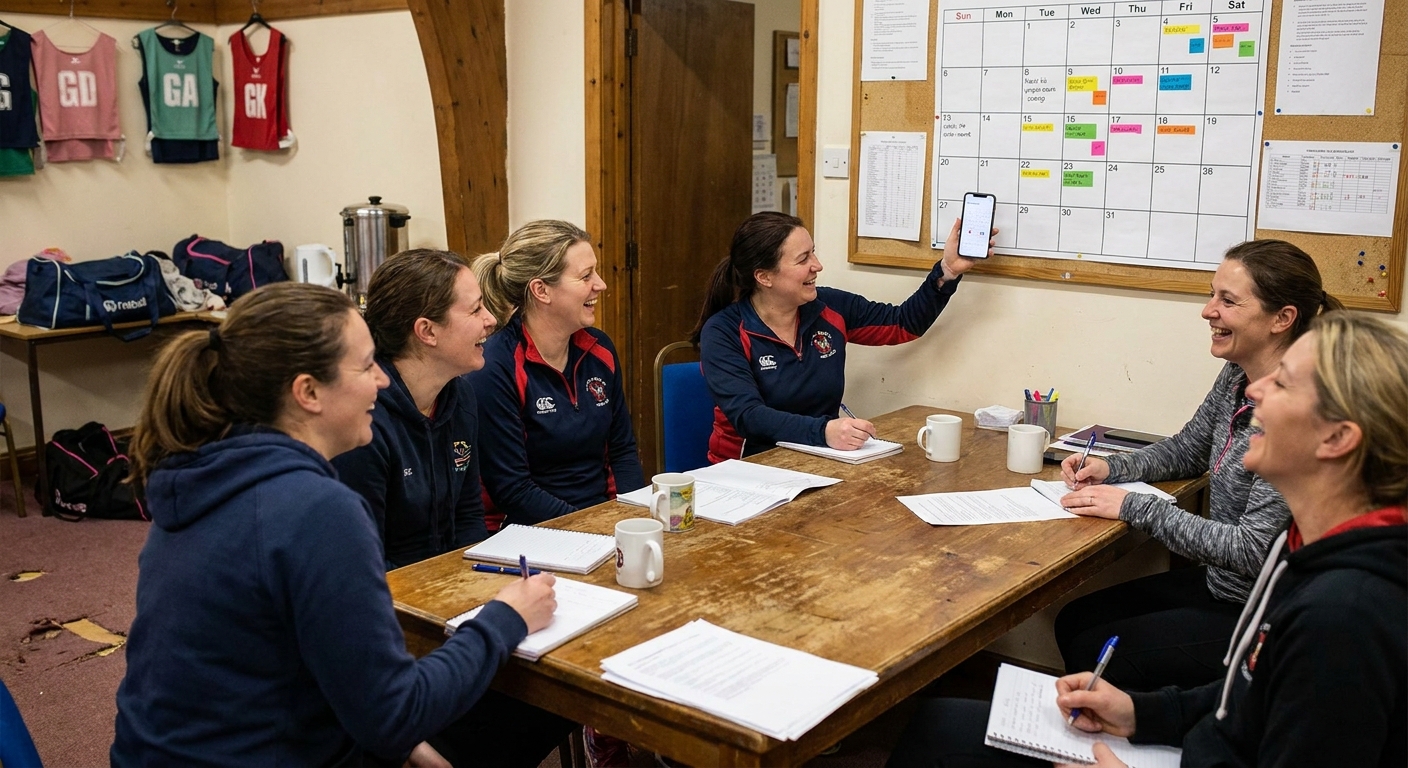
Build a season calendar that holds the whole campaign in one view. For each fixture, capture the date, the opponent, home or away, the venue and the start time. Then layer your own commitments on top: training nights, pre-season friendlies, any tournaments or festivals, and the weeks where school holidays or half-term will thin your squad. Seeing it all together immediately reveals the pinch points - the away trip the day after a bank holiday, the run of three matches in eight days, the week half the team is on a school trip.
Do this once, properly, at the start of the season and you save yourself dozens of small decisions later. Share the calendar with every player and parent so they are all working from the same dates. The most common cause of a missed match is not a player who could not make it - it is a player who never had the date in front of them.
Step Two: Collect Availability Early, Not Match by Match
The single biggest change you can make to a netball season is to stop asking for availability one fixture at a time. Chasing replies in a group chat the week of each match is slow, stressful and unreliable - the quiet players never answer, the messages get buried, and you are left guessing.
Instead, ask for availability in blocks. Put the next three or four weeks of fixtures in front of players at once and let them mark themselves available or not against each date. This does two things. It gives you replies far earlier, and it surfaces problems weeks ahead - the away match where four players are at a wedding, the league night that clashes with exams. When you can see a shortage coming a fortnight out, you have time to call in a cover player, swap a friendly, or talk to the league. When you find out on the night, you have nothing.
Set a clear deadline for each fixture - say, two or three days before - and make it the norm that not replying counts as unavailable. A firm, predictable cut-off is kinder than it sounds. It stops the endless chasing and lets everyone plan around a squad they can rely on.
Your Fixture-Night Checklist
- Squad confirmed (deadline +3 days): Final seven plus subs picked from the availability replies, with at least one player on standby for a late drop-out.
- Venue and time checked against the league fixture: Right court, right start time, gates and changing rooms accessible. Re-check the official list in case it has changed.
- Umpire sorted: Your nominated umpire confirmed, or the home-team duty covered. Many leagues fine teams who turn up without one.
- Transport and lifts agreed: Who is driving, who needs a lift, what time you are meeting. Crucial for away nights and junior teams.
- Kit and equipment ready: Bibs, match ball, first-aid kit, water, team sheet and any match fees the venue collects on the night.
- Reminder sent (day before): One clear message - meet time, location, what to bring - to the confirmed squad so nobody forgets they are playing.
- Result and admin afterwards: Score reported to the league as required, fees reconciled, and a quick note of anything to fix for next week.
Step Three: Confirm the Squad and the Match-Night Details
With availability in early, picking the squad becomes a calm job rather than a panic. You know who is free, you can balance the line-up fairly, and you can give players their positions in good time. If you rotate positions or share court time across a junior squad, the season calendar makes that fair over the whole campaign rather than one match - our guide to netball team selection and fair rotation goes into how to keep that balance honest across a season.
Then nail down the surrounding detail. An umpire is non-negotiable in most leagues, so confirm yours or arrange the home-team duty well ahead. Transport matters enormously for away nights and for junior teams where parents are driving - agree lifts and a meet time rather than leaving it to chance. And double-check the venue and start time against the official fixture one more time, because leagues do move matches and a stale date in your calendar is how a team ends up at the wrong court.
Step Four: Send Reminders Nobody Can Miss
A confirmed squad is only useful if the players remember. The day before each fixture, send one clear reminder to the people who are actually playing: meet time, venue, what to bring. Not a wall of messages in a busy group chat where it scrolls away in minutes - a single, direct prompt that lands with the right people.
This is where good communication habits pay off all season. If your reminders are predictable - same format, same timing, same channel - players come to rely on them and the no-shows dry up. Our netball club communication guide covers how to set up channels that cut through the noise so important messages actually get read.
Step Five: Handle Postponements Without the Chaos
Sooner or later a fixture will be called off - a frozen court, an opposition short of players, a clash the league has to move. The damage from a postponement is rarely the postponement itself. It is the player who did not get the message and drove forty minutes to an empty sports hall.
The drill is simple. The moment you know, tell everyone through the channel you always use. Check the league's rules for rearranging the match, and propose new dates quickly while people's diaries are still open. Crucially, re-open availability for the new date rather than assuming the original squad can all make it - a Tuesday squad rarely transfers cleanly to a rearranged Thursday. Then update the shared calendar so the change is visible to all. A postponement handled in the first ten minutes is a non-event. One left to fester becomes three angry messages and a wasted evening.
Bringing It Together: One System for the Whole Season
Laid out as five steps it can sound like a lot of admin, and if you are running it across a group chat, a spreadsheet and your own memory, it is. The reason fixture planning feels heavy is almost always that the pieces live in different places - the dates in one app, availability in messages, reminders in your head.
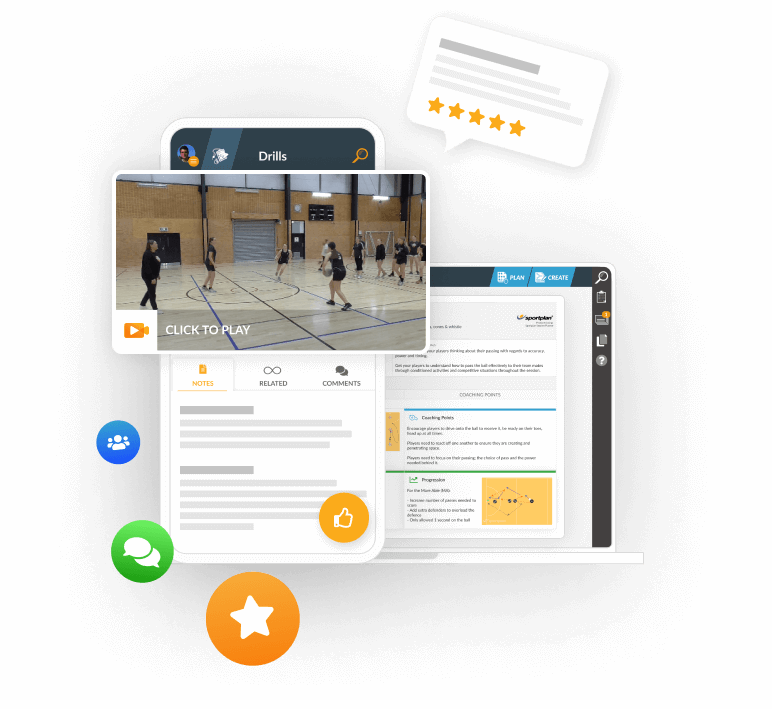
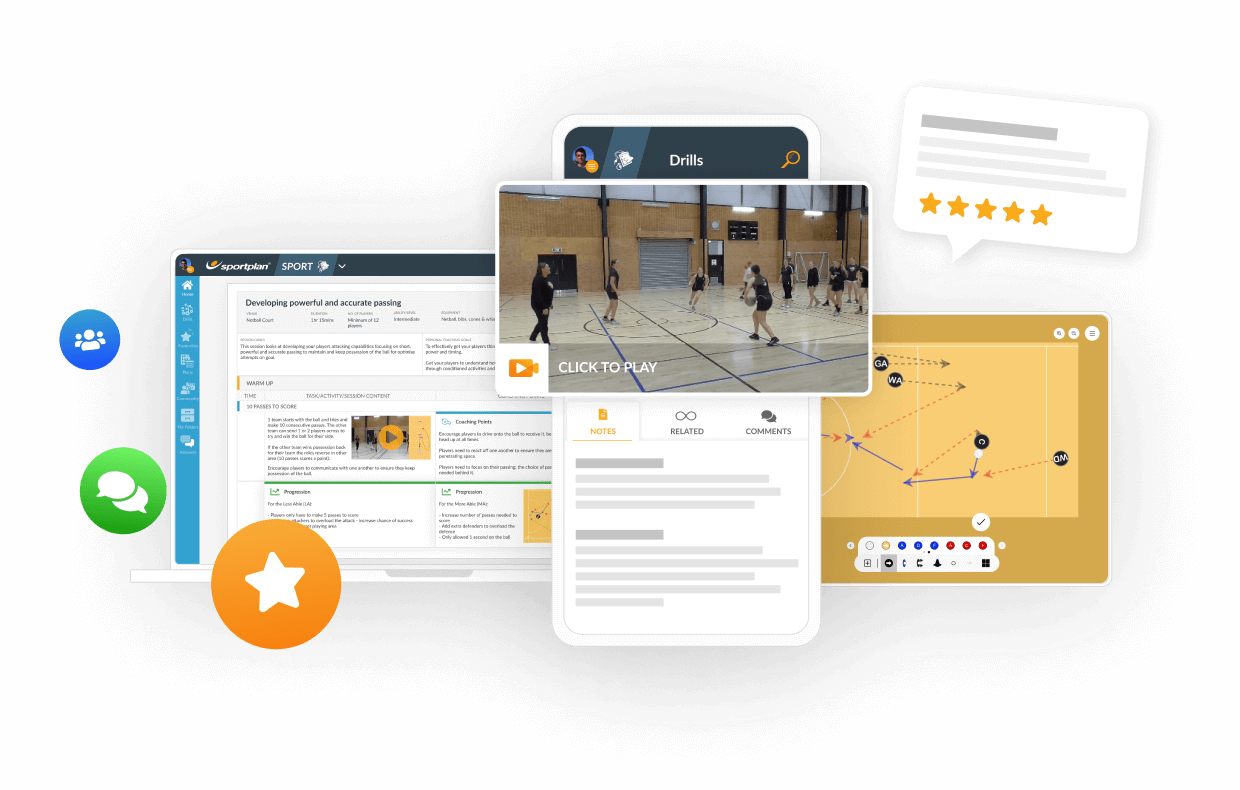
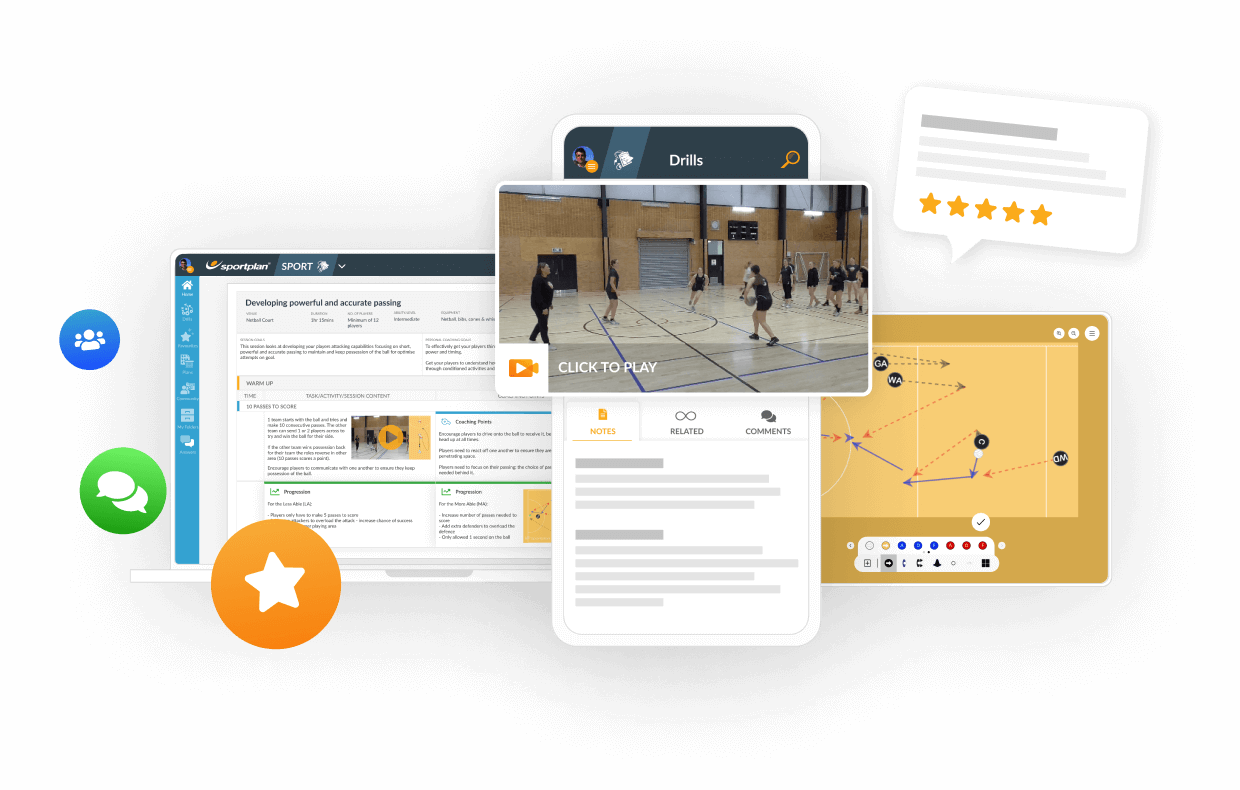
This is the natural point to mention a tool that pulls those pieces into one place. Teamo gives a club a shared fixtures calendar, season-long availability collection so players mark themselves in or out across the whole campaign, squad selection based on who you can actually see is free, and automatic reminders so nobody misses a league night. It is a club app made by the Sportplan team, free for up to 25 members with no ads, so a single squad can run the whole season without paying. Worth being fair about one thing, though: your league or governing body's own platform remains the official source for fixtures, results and affiliation. A tool like Teamo complements that system of record for your own organising - it does not replace it. Whatever you use, the principle is the same: one calendar, availability collected early, reminders that land.
Once the admin side is calm, you get your evenings back for the part that matters - the coaching. Drop your training nights into our guide to running a junior netball team for the wider season picture, and browse the full Netball drills library for hundreds of practices to fill the sessions between fixtures.
Frequently Asked Questions
How do I organise netball fixtures for a season?
Start with the fixture list from your league or governing body, which is the official source for dates, opponents and venues. Copy every match into one shared season calendar as soon as it is published, then add your own training nights, friendlies and tournaments around it. Work backwards from each fixture to set deadlines for availability and squad confirmation, and share the whole calendar with players and parents so everyone is looking at the same dates from day one.
How do I collect availability for netball matches?
Ask early and ask once. Rather than chasing replies on a group chat for each fixture, request availability for several weeks at a time through a system where players tap yes or no against each date. Set a clear cut-off a few days before the match so you can confirm a squad with time to spare. Collecting availability season-long, rather than match by match, gives you an early warning of weeks where you will be short and lets you arrange cover before it becomes a crisis.
What is the best way to manage a netball league night?
Treat the league night as a checklist that runs the same way every week. Confirm your squad and umpire, check the venue and start time against the league fixture, sort transport and bibs, and send a single clear reminder the day before with the meet time and location. A repeatable routine removes the last-minute panic and means nobody turns up at the wrong court or forgets they were down to play.
How far ahead should I plan netball fixtures?
Plan the whole season as soon as the league fixtures are released, usually before the campaign starts. Map every match date into your calendar straight away, then manage the detail in rolling blocks of three to four weeks - collecting availability, confirming squads and booking venues or umpires far enough ahead to fix problems. The big picture is set once; the weekly detail is handled on a short, repeating cycle.
What should I do when a netball fixture is postponed?
Tell everyone as soon as you know, through the same channel you use for every fixture, so nobody travels to a cancelled match. Check the league's rules for rearranging the game and propose new dates quickly while everyone's availability is fresh. Re-open availability for the new date rather than assuming the original squad can all make it, and update the shared calendar so the change is visible to players and parents.
 sportplan_netball