One Template, Every Session
Most coaches do not struggle for ideas - they struggle for structure. You arrive at training with a head full of drills and an hour to fill, and the session ends up as a string of activities that never quite build on each other. A reusable template fixes that. Once you have a fixed shape for the hour, planning becomes a matter of dropping the right drills into the right phase, and your players get the same reassuring rhythm every week.
The template below is a 60-minute structure built around five phases. It works for any squad, any age group and any theme. We will walk through what each phase is for and how long to spend on it, then show you how to stretch or shrink it for juniors, seniors and 75 or 90-minute sessions. Finally we will run a complete worked example - a session built around sharpening attacking movement - with real drills dropped into every phase so you can take it straight to court.
The 60-Minute Template
Here is the skeleton. Five phases, sixty minutes, every session. Print it, keep it in your kit bag, and fill the blanks each week.
The Netball Session Template (60 minutes)
- 1. Warm-Up (10 min): Pulse-raiser, dynamic mobility, netball footwork and a first ball touch. Themed around the session focus where possible.
- 2. Ball Skills / Technical (10-15 min): Isolate the core skill of the session with little or no defensive pressure. Clean repetition and clear coaching points.
- 3. Skill Development Under Pressure (15 min): Add a defender, a time limit or a target. The same skill, now contested, so it holds up against resistance.
- 4. Decision-Making / Small-Sided (15 min): A conditioned or small-sided game that forces players to choose when and how to use the skill - reading the game, not just executing.
- 5. Match Play & Cool-Down (5-10 min): Full or modified game to apply everything, then a short cool-down and walkthrough of what to carry into the weekend.
Why Each Phase Matters
1. Warm-Up (10 min) - prepare the body and the brain
The warm-up is not a box to tick. It raises the heart rate, mobilises the ankles, knees, hips and shoulders that netball hammers, and switches players on for the work ahead. Netball is a stop-start, change-of-direction game, so build the landing, pivot and drive into the warm-up rather than static stretching. Finish with a first ball touch so nobody's first catch of the night comes cold. Best of all, theme the warm-up around the session focus - if you are working attacking movement, warm up with driving and changes of direction, and you have already started teaching.
2. Ball Skills / Technical (10-15 min) - isolate the skill
This is where you teach the core skill of the session in its cleanest form, with little or no pressure. The point is quality of repetition and clarity of coaching points. Whether it is the timing of a lead, the height of a feed or the angle of a drive, players need to feel it correctly before anyone tries to stop them. Keep numbers high and queues short - more touches, less standing.
3. Skill Development Under Pressure (15 min) - make it stand up
A skill that only works unopposed is not a skill yet. This phase adds resistance: a defender, a time limit, a smaller space or a target to beat. The same skill from the technical block now has to survive contact and decision pressure. This is the bridge between the drill and the game, and it is the phase most rushed sessions skip - which is exactly why those skills fall apart on match day.
4. Decision-Making / Small-Sided (15 min) - read the game
Executing a skill is one thing; knowing when to use it is another. A small-sided or conditioned game forces players to read cues and choose - drive now or hold, feed early or wait, attack the lane or stay. Small-sided games (3v3, 5-a-side, half-court) give far more touches and decisions per player than a full game, so the learning rate is high. Use conditions - "every attack must use a square pass", "score only from a drive to the post" - to steer decisions toward your theme.
5. Match Play & Cool-Down (5-10 min) - apply and review
Finish with a game. This is where everything comes together under realistic pressure, and it is the part players love most - which matters for keeping them coming back. It is also your assessment: if the skill you coached shows up here, the session worked. Leave a few minutes for a gentle cool-down and a short walkthrough so players leave knowing the one thing to take into Saturday.
Progressing a Single Theme Across the Phases
The template is at its most powerful when every phase serves one theme. Pick a single focus and march it through the session: warm it up, isolate it, pressure it, then play it. The classic progression is warm-up → isolate → pressure → game.
Say your theme is the attacking drive. You warm up with changes of direction and driving onto a ball. You isolate the drive and lead in an unopposed passing drill. You add a defender so the drive has to beat a marker. You play a small-sided game that only rewards goals scored from a sharp lead into the circle. By the time the whistle goes, players have seen the same idea four ways and your coaching points have stayed consistent throughout. That repetition with variety is what makes skills stick.
Adapting the Template
Juniors
Shorten the technical block and lengthen the games. Younger players learn through play and lose focus in long, queued drills, so keep activities short, fast and fun, and rotate them through positions rather than pigeon-holing them. Forty-five to sixty minutes is plenty. Trim the under-pressure phase to keep frustration low, and make sure the cool-down includes a bit of praise and a clear "well done" - enjoyment is what brings juniors back. Our 15 netball drills for juniors gives you ready-made, age-appropriate activities for each phase.
Seniors and performance squads
Push intensity and add tactical layers. Seniors can handle a longer technical block, more conditioned game time and position-specific work, so use the under-pressure and small-sided phases to rehearse set plays - centre passes, circle feeds, defensive systems. Tighten the conditions and raise the standards you accept. If you are building a session around a particular role, the netball positions guide helps you target the movement and decisions that role demands.
75 and 90-minute sessions
Keep the five phases in the same order and simply lengthen each block. For 75 minutes, add five minutes to the technical block and five to match play. For 90 minutes, run a 15-minute warm-up, a 20-minute technical block, a 20-minute pressure block, a 20-minute small-sided block and a 15-minute match-play and cool-down finish - or split the session across two themes, devoting the first half to one and the second to another. The shape never changes; only the timings do.
Worked Example: Sharpening Attacking Movement (60 min)
Theme: getting attackers free and moving the ball sharply into the circle. Here is the full session with a real drill dropped into each phase, progressing from a warm-up through to match play. Every drill below links straight to its page in the library.
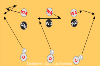
Phase 1 - Warm-Up (10 min): get moving and changing direction
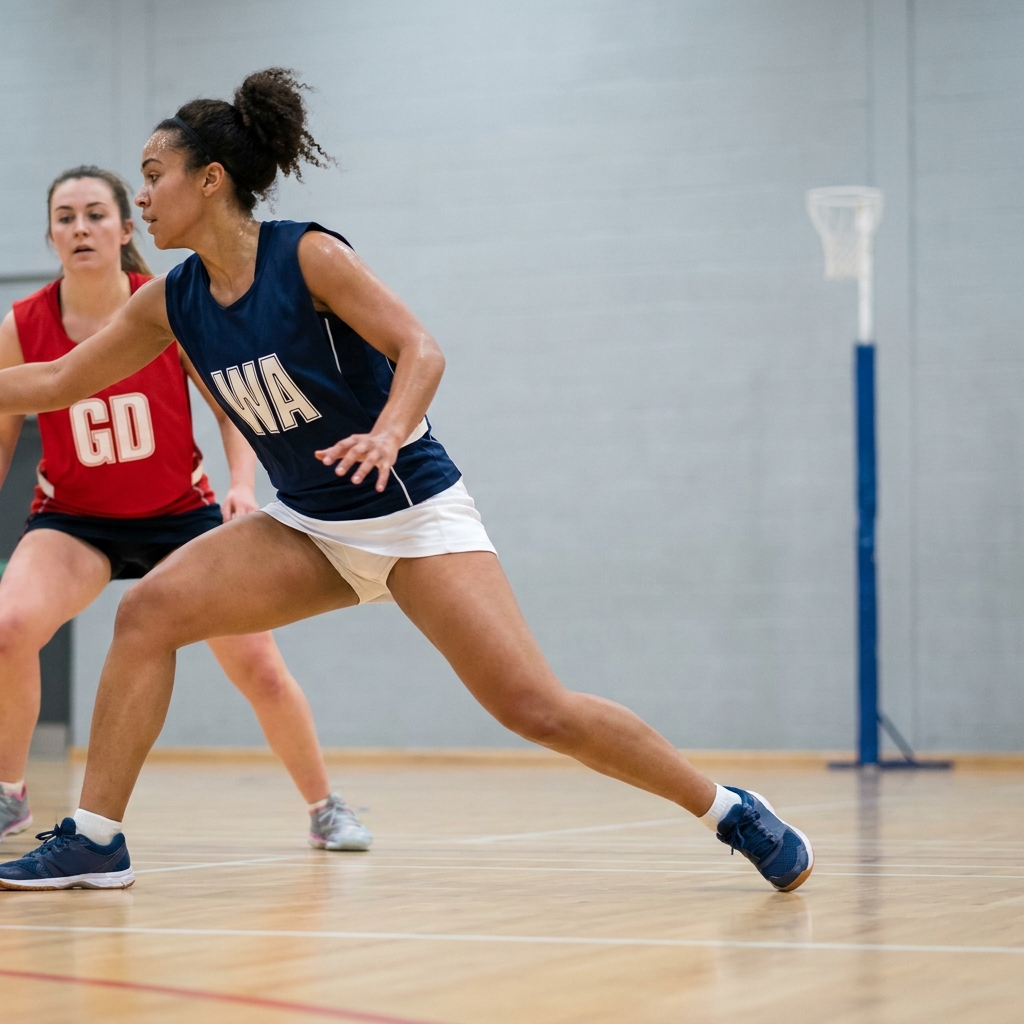
Raise the pulse and rehearse the changes of direction that getting free depends on. This footwork drill warms the body while drilling the evasive running attackers will use all session.
Phase 2 - Ball Skills / Technical (12 min): isolate the lead and pass
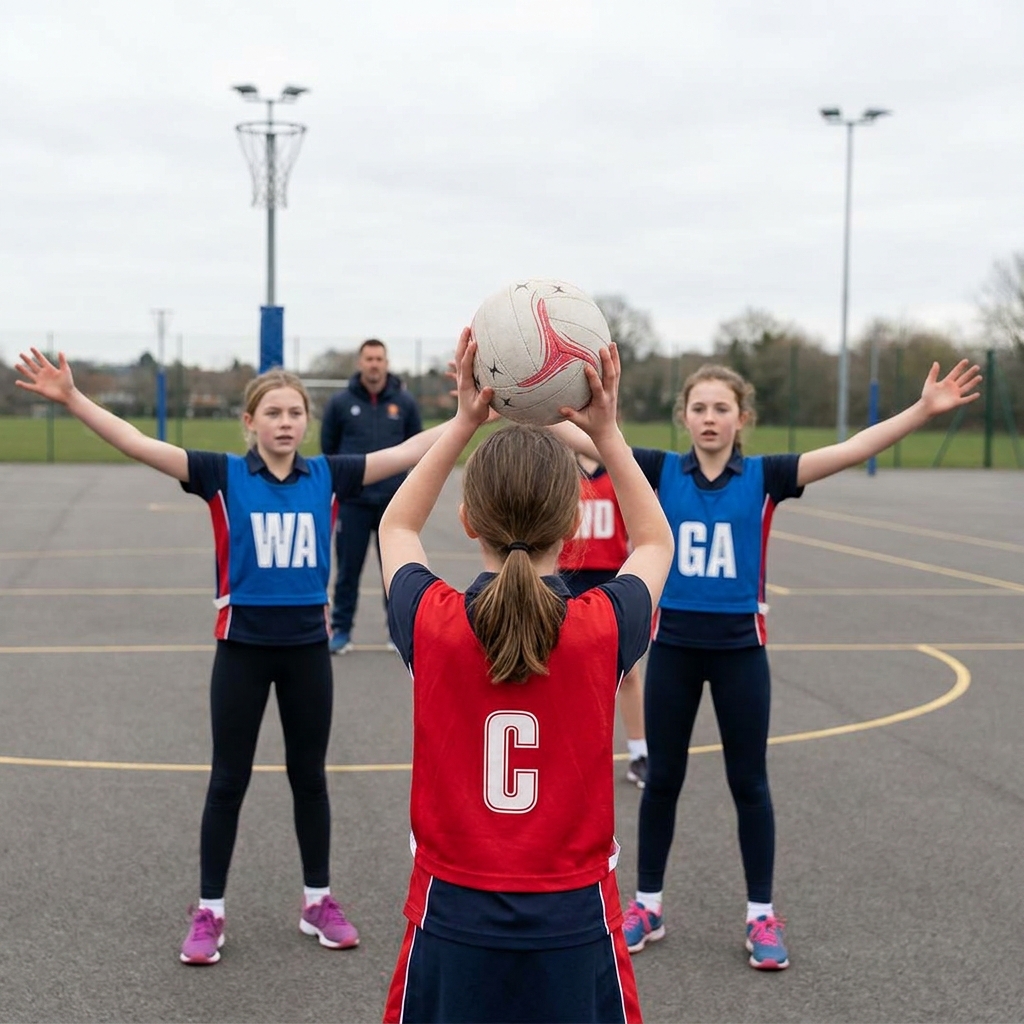
With the body warm, isolate the core skill: driving onto a ball and delivering a clean pass before moving again. No defenders yet - the focus is sharp leads, accurate passing and immediate re-offering.

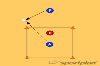
Phase 3 - Skill Development Under Pressure (15 min): beat a marker
Now add the defender. The same driving and passing from the previous block has to beat a live marker on the centre pass, so the lead has to be sharper and the timing tighter. This is the bridge between the drill and the game.
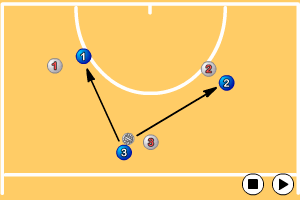
Phase 4 - Decision-Making / Small-Sided (15 min): choose the right moment
Open it up to a small-sided game. Players now have to read the court and decide when to drive, when to hold and which passing option to take. Condition the game to reward sharp movement and quick ball - the theme stays front and centre.
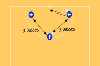
Phase 5 - Match Play & Cool-Down (8 min): apply it, then finish into the circle
Finish with movement that ends in a shot, so the attacking work pays off in goals. Run this as your match-play finisher, then bring the intensity down with a short walkthrough: did the leads stay sharp under match pressure? Where did players stop moving after passing?
Make It Your Own
The worked example above is one theme dropped into the template. Swap the theme - circle defence, the centre pass, transition, shooting under fatigue - and the structure holds; you simply choose different drills for each phase. Keep one focus per session, progress it from isolation to pressure to game, and you will deliver sharper, more coherent training every week.
When you are ready to build your next plan, browse the full Netball drills library for hundreds of practices sorted by skill and position, and pick one for each phase. The shape is done - all you have to do is fill it in.
Frequently Asked Questions
How long should a netball training session be?
Sixty minutes is the standard for a club netball session and the length most coaches build their plan around. It is long enough to warm up properly, develop a skill and finish with match play, but short enough to keep intensity high and avoid drifting. Junior sessions often run 45 to 60 minutes because attention spans are shorter, while senior and performance squads can stretch to 75 or 90 minutes by adding a longer technical block and more conditioned game time. Whatever the length, keep the phases in the same order - warm-up, technical, pressure, decision-making, match play - and simply lengthen or shorten each block to fit the time you have.
What should a netball warm-up include?
A good netball warm-up does three things: it raises the heart rate, it mobilises the joints used in netball - ankles, knees, hips and shoulders - and it switches the brain on for the session ahead. Start with a gentle pulse-raiser such as jogging and side-stepping through the thirds, move into dynamic stretches and footwork patterns like the netball landing and pivot, then finish with a low-intensity ball activity so players touch the ball before any high effort. Aim for about ten minutes and theme it around the session focus where you can - if the session is about attacking movement, build driving and changes of direction into the warm-up itself.
How do I plan a netball session?
Start with a single, clear theme for the session - for example sharpening attacking movement, tightening circle defence or improving the centre pass. Then build five phases around that theme: a warm-up (10 minutes), a technical or ball-skills block (10 to 15 minutes), a skill-under-pressure block (15 minutes), a decision-making or small-sided block (15 minutes) and a match-play and cool-down block to finish. Choose drills that develop the same theme through each phase, so players isolate the skill, then perform it under pressure, then apply it in a game. Writing the plan around one theme keeps your coaching points consistent and makes the session far easier to deliver.
How many drills should be in one netball session?
Four to six drills is usually right for a 60-minute session - roughly one per phase, with the small-sided and match-play phases counting as a game rather than a drill. Resist the urge to cram in eight or nine activities. Fewer drills with more repetition and clearer coaching points produce far more learning than a busy session that rushes from one activity to the next. It is better for players to leave having genuinely improved one thing than to have sampled six things and mastered none.
Should a netball session always end with a game?
Almost always, yes. Finishing with match play or a small-sided game lets players apply everything they have worked on under realistic pressure, and it is the part of training they enjoy most - which matters for retention, especially with juniors. The game is also your best assessment tool: if the skill you coached shows up under match conditions, the session worked. Leave a few minutes at the end for a short cool-down and a quick walkthrough of what to take into the next match.
 sportplan_netball