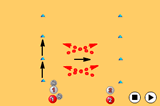
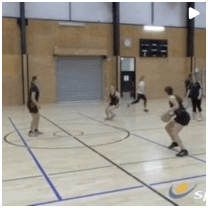
Set up two feeders facing each other - approximately 5m apart
Two workers will start in the middle in a staggered position - so they are balancing the court
Both players will drive for the ball
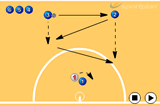
The feeder can choose which player to pass to
The player who does not receive the ball must change direction and drive hard down court to recieve the ball from their partner
The player will pass the ball off to the other feeder
This repeats - both players will re offer for the ball
The practice is continuous - players should work for a certain time or number of reps
Ensure your players drive hard for the ball when they are offering
The player who does not receive the ball must put down their outside foot, change direction and drive hard for the ball
Your players should always stagger their position to ensure they are balancing the court - they must be aware of each other and read off one another
PROGRESSION
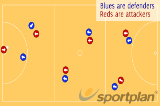
Add a defender - they can mix up who they mark, this will make it harder for the attackers to get free
- You can slowly increase the intensity of the defender, starting at 50% to ensure success and work towards 100% as your players get more confident
Add an additional defender so both players are marked - this will be a lot harder, so decrease reps or time
in more ways than one
 sportplan_netball

in more ways than one
sportplan_netball
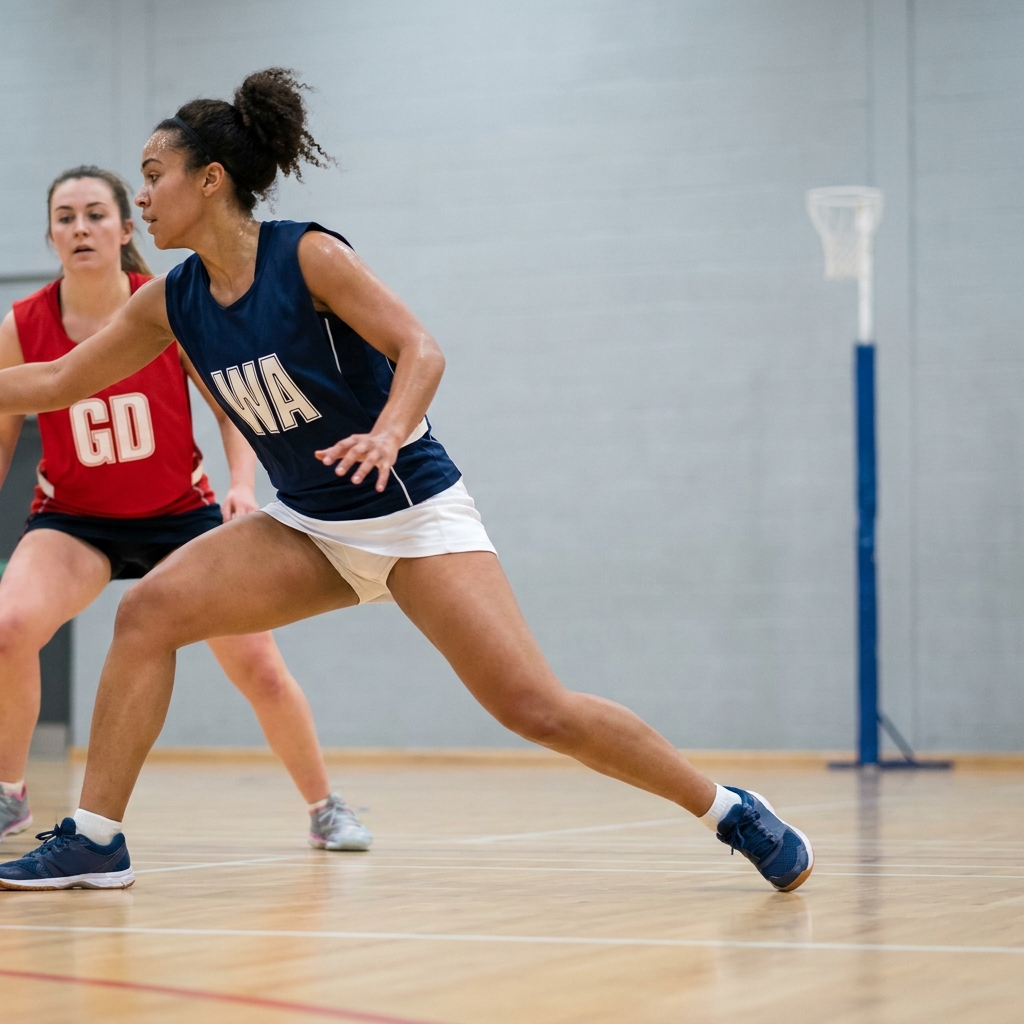
Tight markers win when attackers run in straight lines. Teach your players to dodge, change pace and time their drive so they get free when the ball is ready.
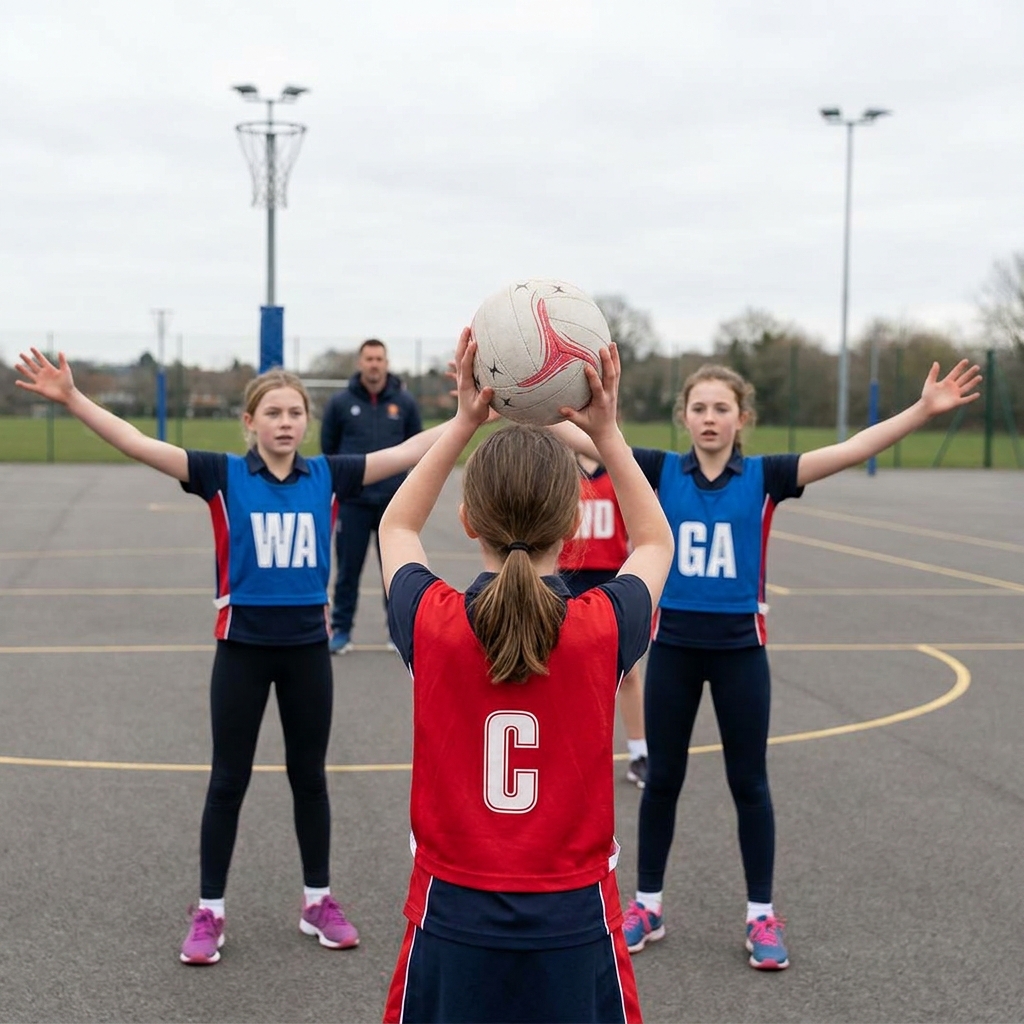
When everyone chases the ball, nobody is free. Teach your team to spread out, offer two options and clear space so the ball moves cleanly down court.
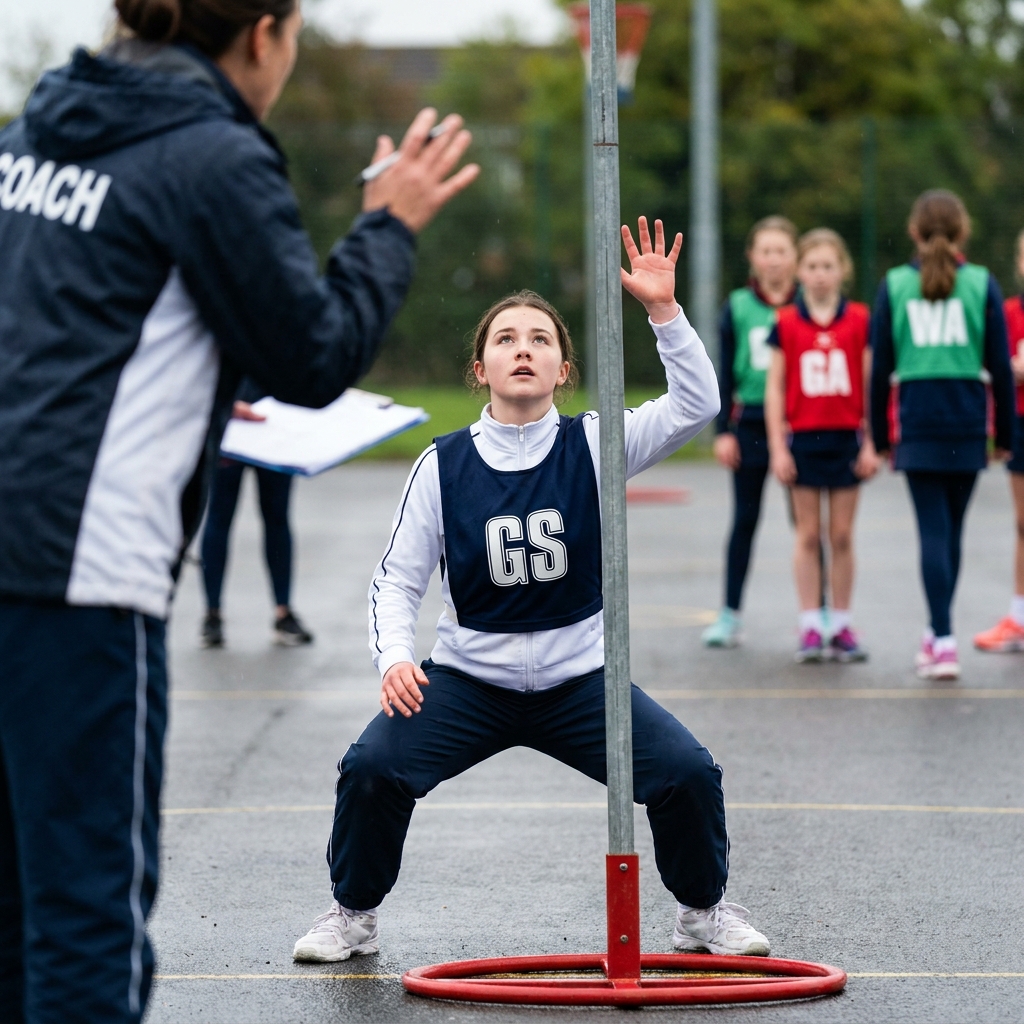
A shooter who can hold a strong position under the post is worth more than one who runs all over the circle. Here is how to coach body shape, a legal hold and a well-timed release, and how feeders make the most of it.