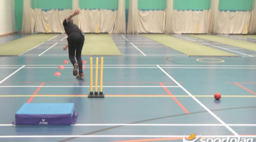
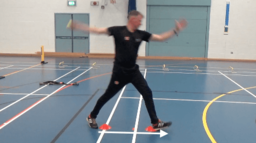
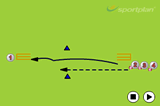
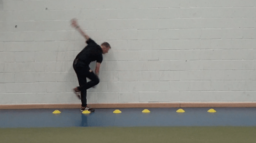
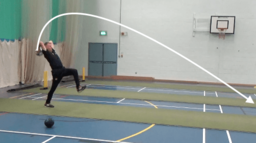
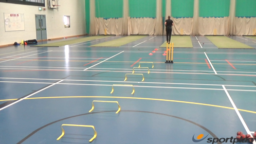
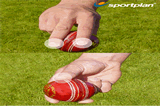
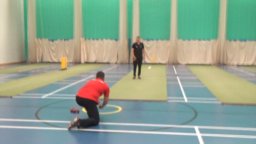
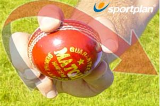
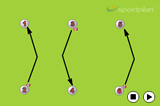
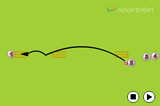
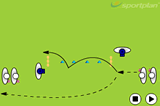
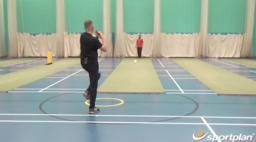
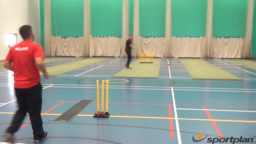
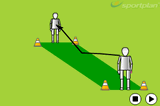
Bowling comes in two categories: either fast or spin (slow) bowling. The videos and drills below show the technique required to do both types of bowling.
Fast bowlers aim to get the ball to the batsman as quick as possible and have a longer run up. Fast bowling aims to either swing the ball toward (inswing) or away (outswing) from the batsman while it is in the air, bounce off the ball's seam to make it move when it hits the pitch, land the ball half way up the wicket (a bouncer) or at the batsman's feet (a yorker).
Slow bowlers look to put as much rotation on the ball as possible to make it move off the pitch toward the bowler (off-spin) or away (leg-spin). A spin bowler will try to vary their speed and how the ball arrives (its flight) to the batsman. Depending on the amount of spin the ball can move in the air, known as drift.
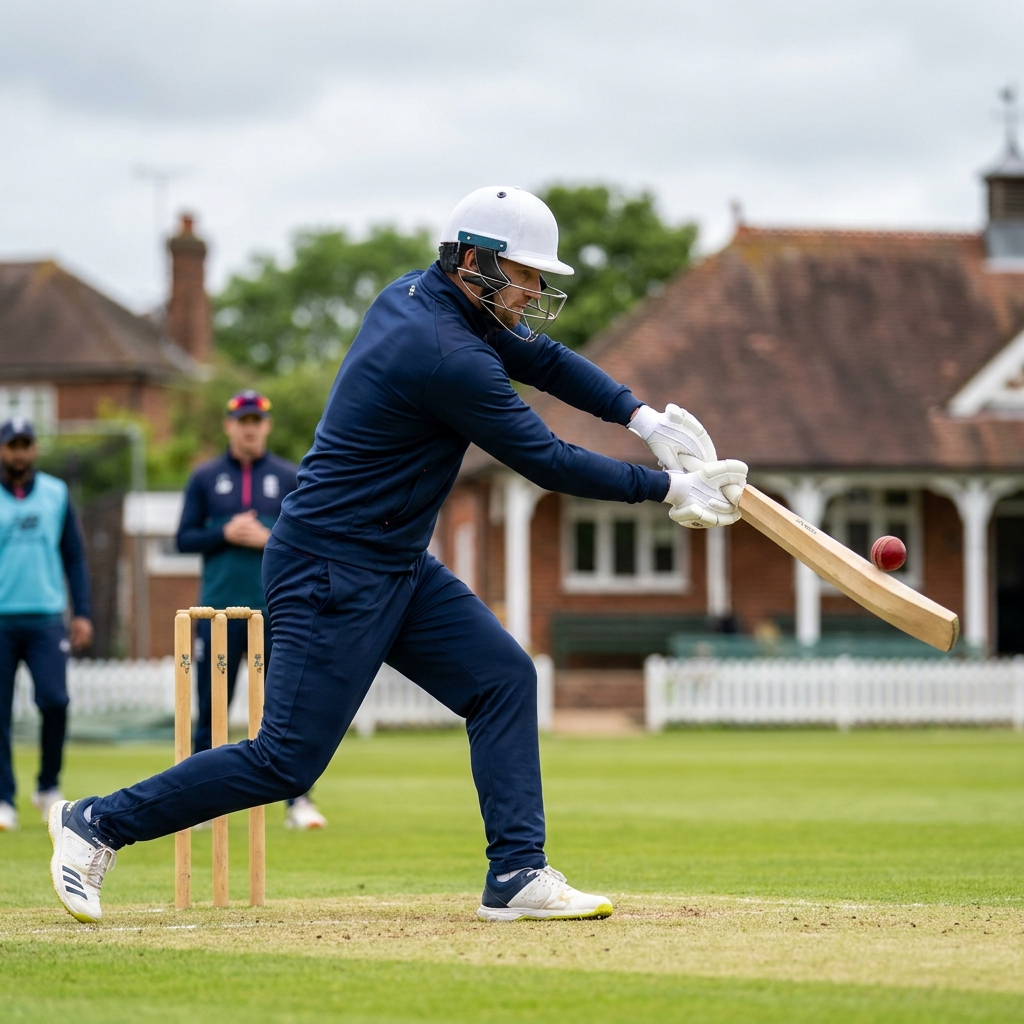
August is when seasons are decided, and most club games are lost chasing rather than setting. Give your batters a framework for the chase and you win the close ones.
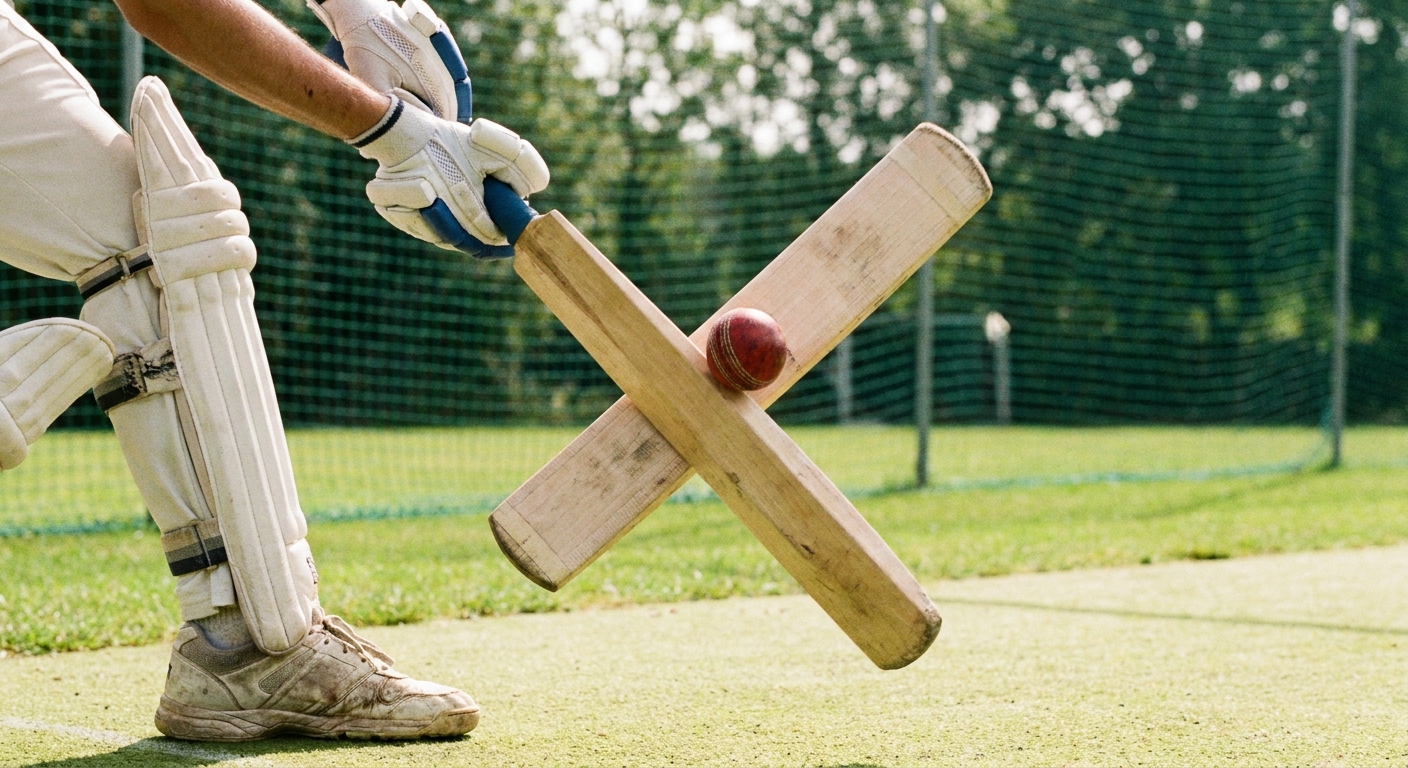
Green July pitches and a shiny Dukes mean the ball is talking. Here is how to coach your batters to survive the moving ball, trust their defence, and cash in once the shine has gone.
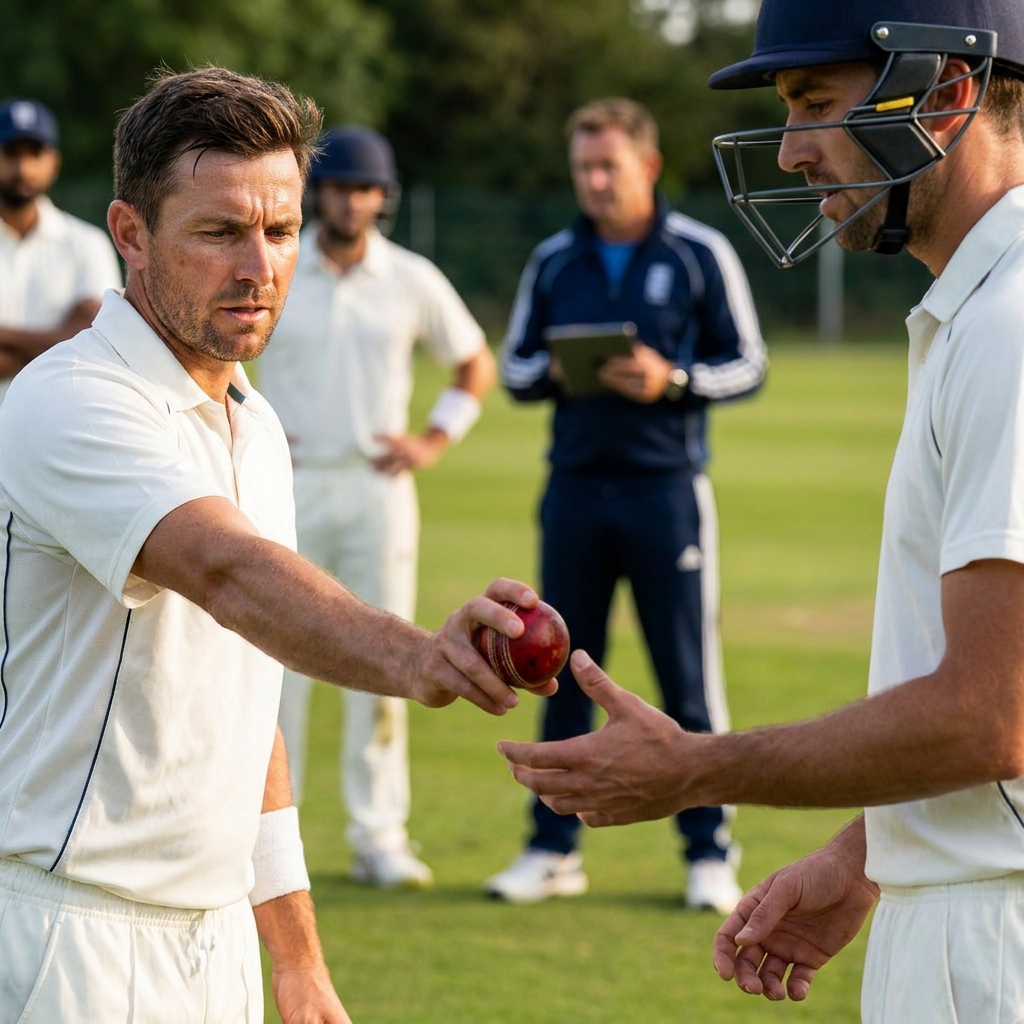
A bowling change can dismantle a partnership, halt a run surge, or hand the match back to the batting side. This article explores how modern captains use match phases, matchup data, and rhythm signals to time their changes, with a practical framework coaches can use to develop tactical thinking in young captains at club and age-group level.


Register for FREE and get coaching tips, top drills, session and more every week!