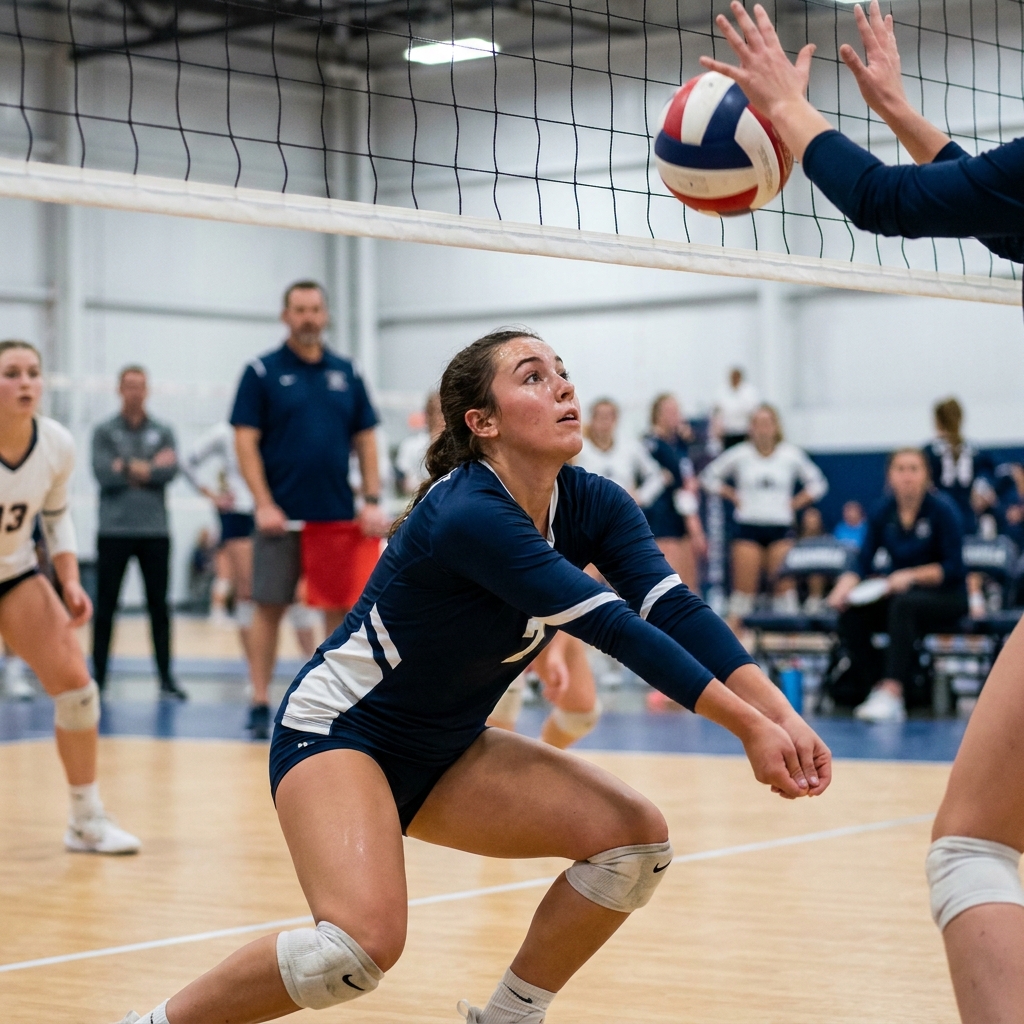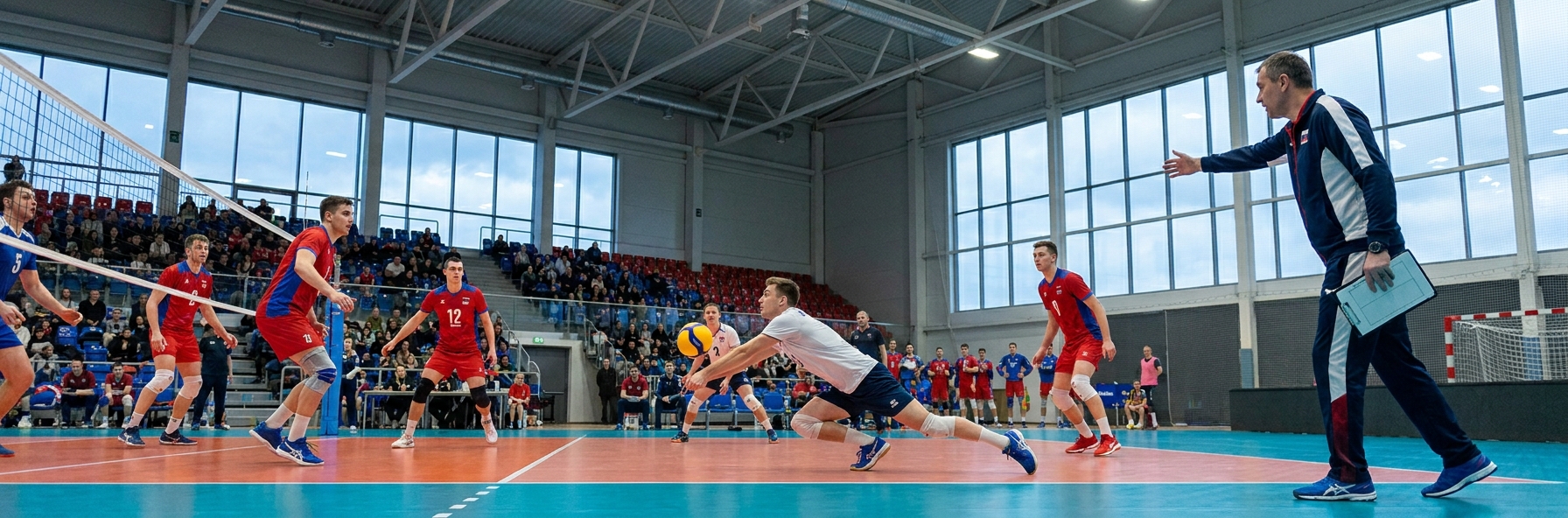
Every coach knows the moment. The serve floats off-line, the passer reaches, and the ball drifts ten feet off the net. The setter is sprinting, the middle is stalled, and the only option is a high ball outside into a full block. The point is almost always lost. For most club and college teams, out-of-system passes are dead rallies. For the best international teams in 2026, they are scoring opportunities.
The shift has been driven by two ideas. First, that the second contact does not have to be the setter - a libero or left-side player who can deliver a clean ball changes the geometry of the rally. Second, that hitters can be trained to attack from positions and tempos they used to consider impossible. The result is an offence that does not collapse when the system breaks down. It adapts.
Why Out-of-System Used to Mean Dead
The traditional response to a bad pass is a high outside set. The setter, often sprinting from off-net, hoists a survival ball to the left antenna and hopes the outside hitter can either swing past the block or work the hands for an off-speed point. Statistically, the outcome is bleak. Out-of-system kill efficiency at club level typically sits below 20 per cent, compared with 50 per cent or higher when teams are in-system.
The reasons are mechanical. A high outside set gives the opposing block time to form, the back row time to spread, and removes any deception from the play. The opposing team knows where the ball is going before it leaves the setter's hands. The only variable is whether the hitter can beat a fully-formed defensive picture. Most cannot, most of the time.
How the Modern Solution Works
The modern out-of-system response begins before the bad pass even happens. Teams build it into their default rotations, train it as deliberately as they train in-system patterns, and rehearse the calls and routes hundreds of times until the response is automatic.
Step One - Train the Libero as a Second Setter: The libero is often closest to the ball on a shanked pass. Training the libero to deliver a clean set, either with hands or a forearm pass, opens a second-contact option that keeps the setter free to hit or to run an attack route. This is now standard at the top of the international game and is filtering down through national programmes.
Step Two - Build Left-Side Setter Skills: When the setter is the one chasing the ball, the receiver becomes whoever the play places into a setting position - often the left-side hitter. Teach left-sides to take overhead contacts cleanly and to deliver useable sets to the opposite or back-row hitter. This is not a parlour trick, it is a survival skill in the modern rally.
Step Three - Define the Out-of-System Routes: Hitters need a clear call structure so they know where to attack when the pass breaks down. Most successful systems use a short list of three options: a high outside ball, a back-row pipe or D, and a slide or back-set to the opposite. Drill these specifically as out-of-system plays, with the call coming from the setter or libero the moment the pass is recognised as off.
Step Four - Coach Hitters to Attack From Imperfect Sets: The biggest mindset change is teaching hitters that an imperfect set is not a free ball. Hitters who pull back on poor sets give away easy points. Hitters who attack with controlled aggression, using off-speed shots, line cuts and tool plays against the block, turn 30 per cent kill efficiency into 45 per cent. The technique is teachable, but the mindset has to come first.
The Tactical Payoff
Teams that develop a real out-of-system offence change the texture of every match they play. Opposing servers can no longer rely on a tough serve forcing a free-ball return. The receiving team is dangerous even when their first contact is poor, which means the server is now under pressure on every attempt. The cumulative effect across a five-set match is significant.
There is also a confidence effect. Players who have rehearsed the broken play do not panic when it happens. The libero steps in, the call goes out, the hitter swings with intent, and the rally continues. Teams that have not built this layer of offence look chaotic in the same situation, and chaos is contagious.
Key Coaching Points
- Train the libero to set every session, not as an emergency option
- Build a short, clear call structure for out-of-system situations
- Use a specific block of training time each week for out-of-system reps
- Coach hitters to attack imperfect sets with controlled aggression, not survival arms
- Measure out-of-system kill efficiency separately from in-system stats - it is the truer test of a complete offence