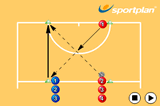
Set up GS and GK in the shooting circle.
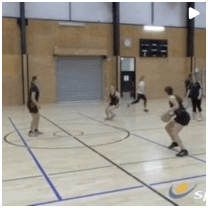
Two midcourt players start with the ball in the centre third towards the transverse line. One player in the centre of the court (C), one on the side (WA).
Ball starts with the player in the center and is passed square to the other midcourt player who passes straight back.
The WA player on the side then drives as if heading to the pocket, in the same channel. C player passes a long ball to the pocket for the WA.
GK comes out of the circle hunting for that long ball to the WA ensuring the timing is right.
If GK is successful, they then pass back to the C and drive up the court.
Rotate players around positions to get a feel for reading the long ball. Does not have to be just the GK and GD giving it a go at intercepting as there are Fly Intercept opportunities all over the court.
Ensure the intercepting player times the drive.
Ensure the pass from C to the pocket is strong, high and going to actually reach the WA rather than anticipating the GK intercept.
Driving players are to make sure they do not perform footwork once they have intercepted.
Set challenges for players to achieve for example, GK has to make 4 intercepts before rotating out of that position.
in more ways than one
 sportplan_netball
in more ways than one
sportplan_netball
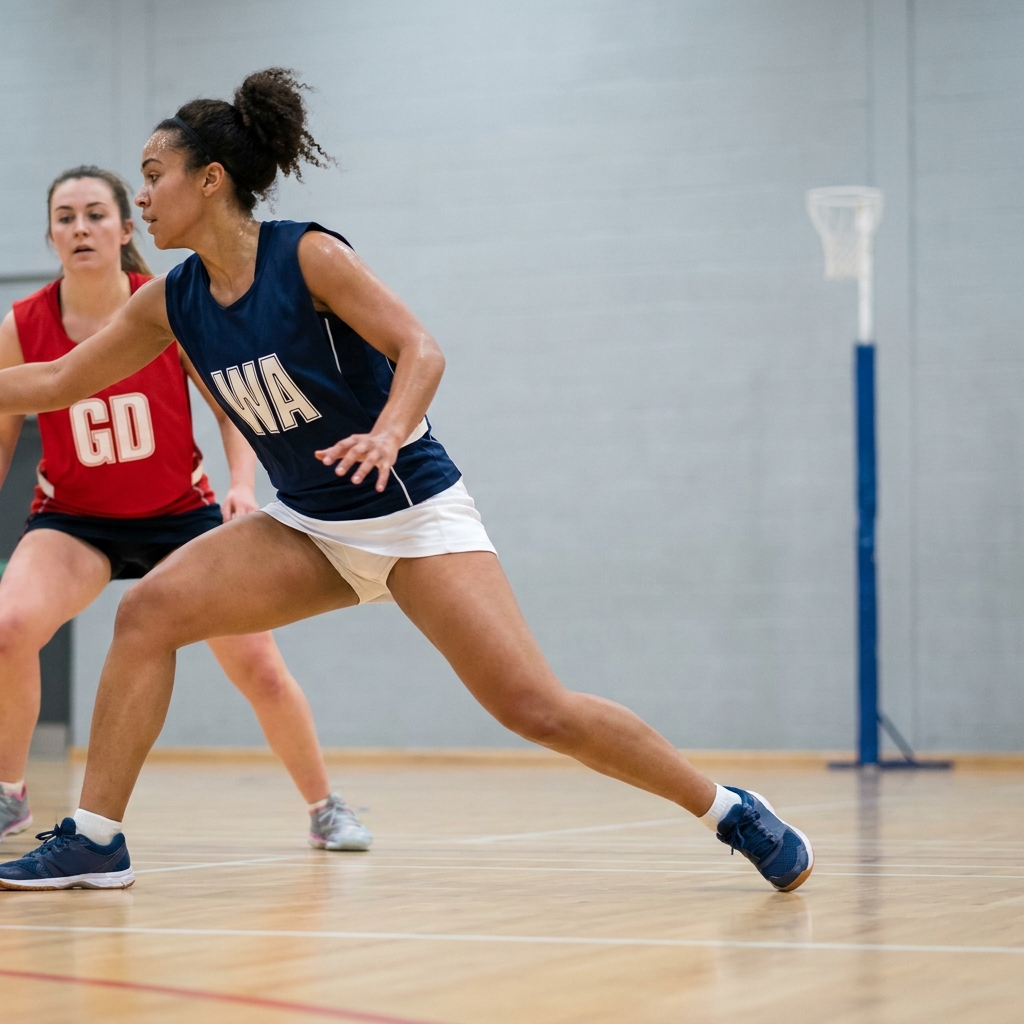
Tight markers win when attackers run in straight lines. Teach your players to dodge, change pace and time their drive so they get free when the ball is ready.
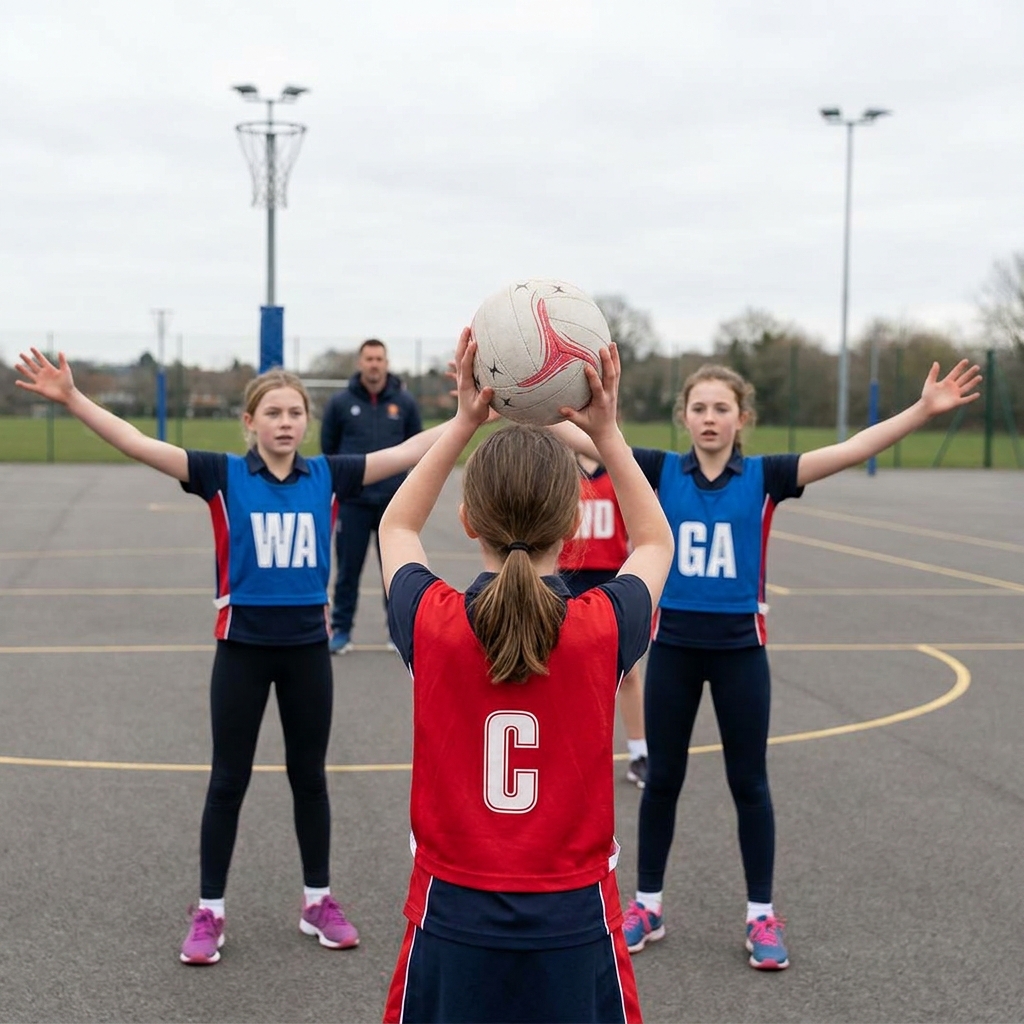
When everyone chases the ball, nobody is free. Teach your team to spread out, offer two options and clear space so the ball moves cleanly down court.
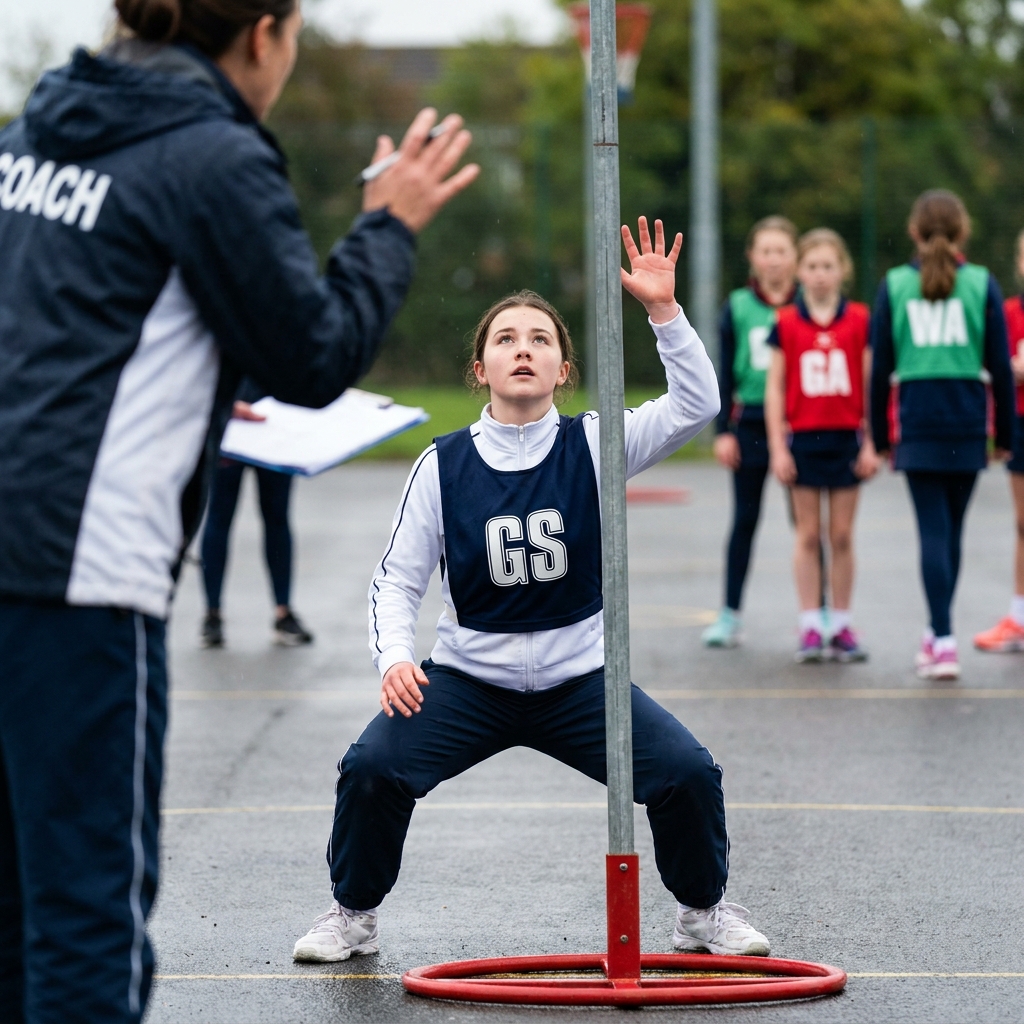
A shooter who can hold a strong position under the post is worth more than one who runs all over the circle. Here is how to coach body shape, a legal hold and a well-timed release, and how feeders make the most of it.