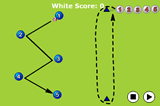
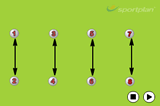
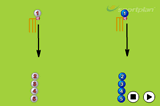
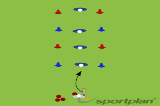
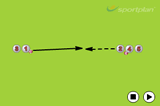
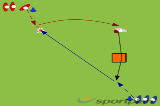
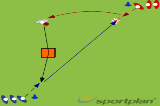
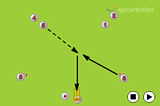
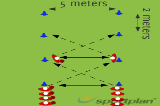
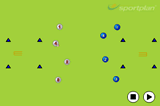
This category focuses on catching technique for all situations in cricket.These drills help fielders develop reliable hands that take match-winning catches.Perfect for all players from U10 through Senior level.Ideal for coaches building fielding units that don't drop chances.
A form of dismissal is to catch the ball without it touching the floor after it has hit the batsman's bat or glove.
A wicket keeper will have gloves to help catching the ball, but it is illegal for any other player to have a catching aid. Specialist catching positions, such as slip fielding (behind the batsman), are especially important for fast paced bowling.
Our drills highlight the correct techniques your players should be using, such as how to hold their hands together, for low (waist and lower) and higher catches.
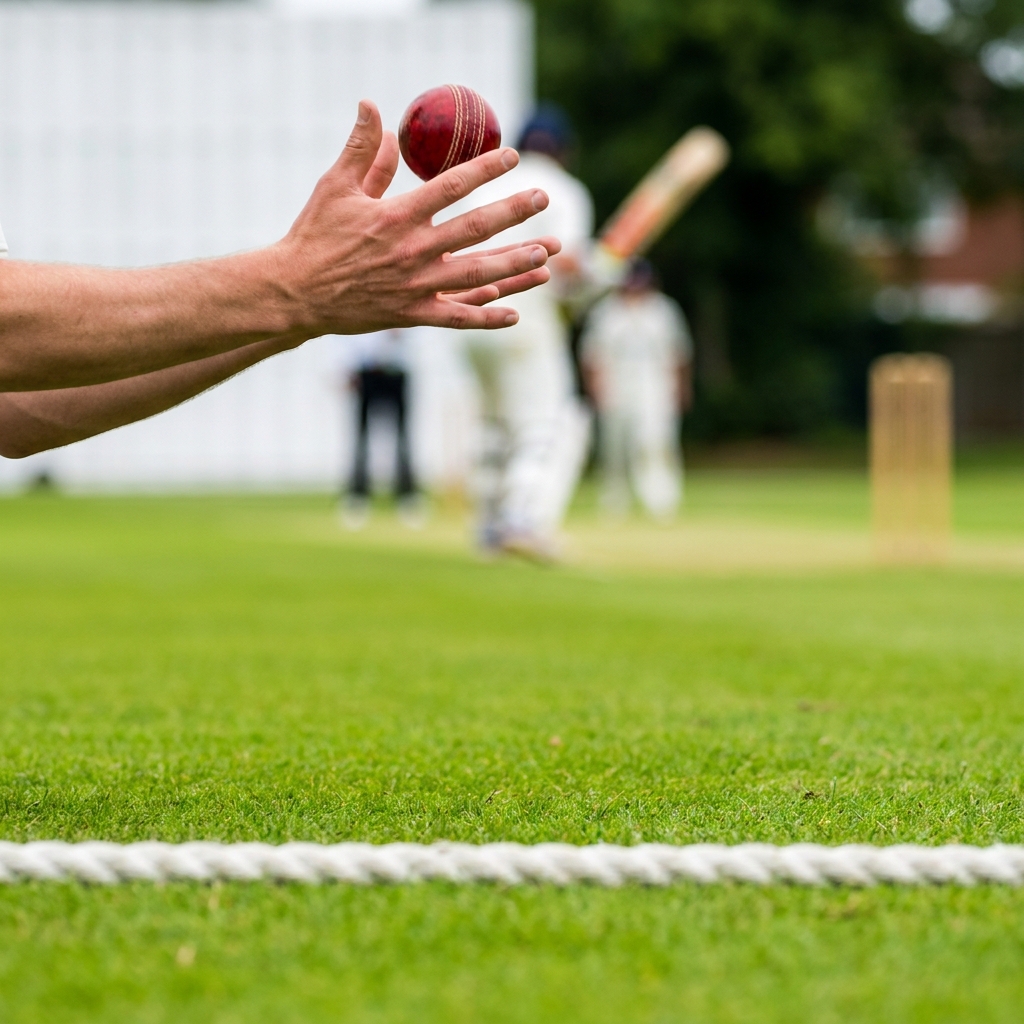
The new Laws of Cricket are in force from 1 October 2026 and the 'bunny hop' boundary catch is gone. Here is how to coach your fielders to catch on the rope this winter.

The covers are on and the last tea has been served. What your club does between now and April decides how the next season starts. Here is a simple, honest winter plan for players, bowlers and juniors.
August is when seasons are decided, and most club games are lost chasing rather than setting. Give your batters a framework for the chase and you win the close ones.


Register for FREE and get coaching tips, top drills, session and more every week!