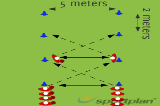
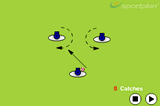
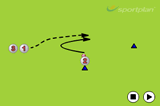
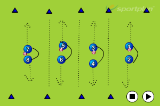
Players take it in turns to take a catch at each distance, between the two cones (increase/decrease distance in relation to your players' age).
The catching player must work from the starting cone and work their way inwards.
Once a successful cacth is taken, the player drops the ball and proceeds forward to take the next one.
Player must be in a set postion (walk in and set themselves, feet shoulder width apart and on balls of feet, weight not leaning backwards).
Players must focus on getting head position correct (still as possible) and encourage players not to lean backwards when catching.
Players can experiment with reverse hands too (concentrate on either fingers pointing downwards or in reverse position.)
Progression:
Players must take 3 catches at each station.
Players must catch 4 balls, but this time they must run each one in and return to the coach before running back and setting themselves for the next catch.
Players can now throw the ball back in to the coach over the top of the stumps after each catch.

Create a resolution to develop your coaching confidence by seizing the opportunity to discover new drills, turn ideas into action and seek advice from the coaching community.
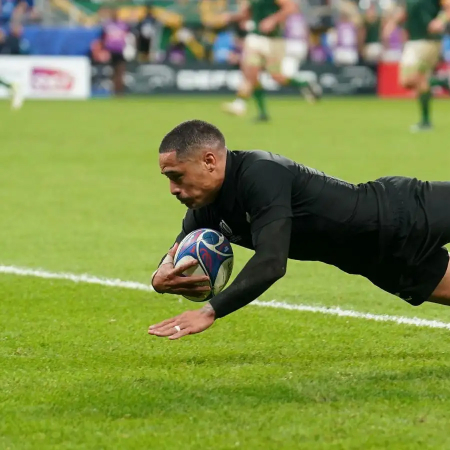
World Rugby has reportedly conceded Aaron Smith's disallowed try in the World Cup final should have stood.

"It is not only useful for staff who are experienced but a valuable tool for those subject staff who have to take teams."


Register for FREE and get coaching tips, top drills, session and more every week!