Add to clipboard


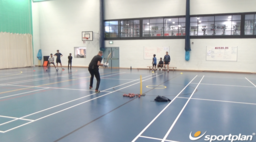
Cricket Drill Demonstration
Description
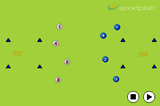
Form a rectangle big enough for two teams of 6-8 players.
The aim of the practice is to take 10 catches before your players either drop the ball, or have the ball intercepted by the other team.
Important: Players can only run three steps with the ball.
Coaching points
To make the practice harder try to take catches in a smaller grid and/or progress to one handed catches, using both right and left hands.
Drill tags: catch, catching, game, grid, warm up, warmup
The Drill is often used with
Prev Next
viewer/movies/cricket
View this drill
viewer/movies/cricket
View this drill
viewer/movies/cricket
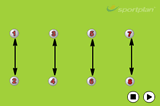
View this drill
Ground fielding drill
Grid High Catching
Catching drill
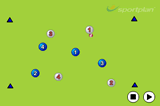
More Catching Drills
Catching drill
view drill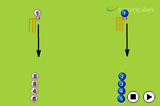
Short catching / Underarm throwing
view drill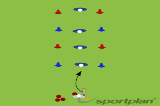
Catch and Duck
view drill
Catching Drill
view drill
Catching relay
view drill
Catching singles Game
view drill
Catching to the left and right
view drill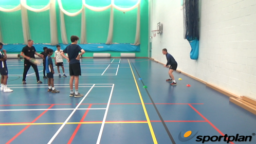
Cone Touch Catching
view drill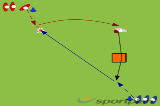
Dive Catching - To your left
view drill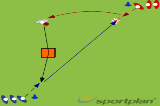
Dive Catching - To your right
view drill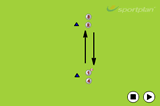
Fielding / Catching drill.
view drill
Fielding / Catching drill.
view drill
Fielding drill
view drill
Fielding Warm Up Game
view drill
Grid Catching Game
view drill
Grid High Catching
view drill
Ground fielding drill
view drill
High catching
view drill